Rabies warning issued after girl is bit by bat - what to do if you're infected

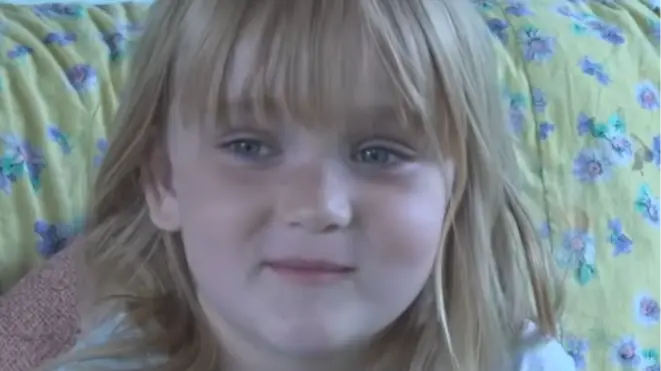
A 6-year-old girl was bitten by a rabid bat, leaving her screaming as experts reveal the steps you need to take immediately after being exposed to rabies.
The little girl from Shawano County in the US has been receiving treatment after being bitten on Tuesday (23 June), which was later confirmed to be contaminated with the killer disease.
Cece Kale, per W Bay, was outside her home in a tree when she was attacked, where the bat allegedly wrapped around her leg as it bit her.
Thankfully, she was able to alert her family to what was happening and received her first four rabies shots on the same day she was bitten to prevent the spread of the killer disease.
Advert
“I just tried to scream and scream and scream until they (her family) came,” Cece told the outlet.
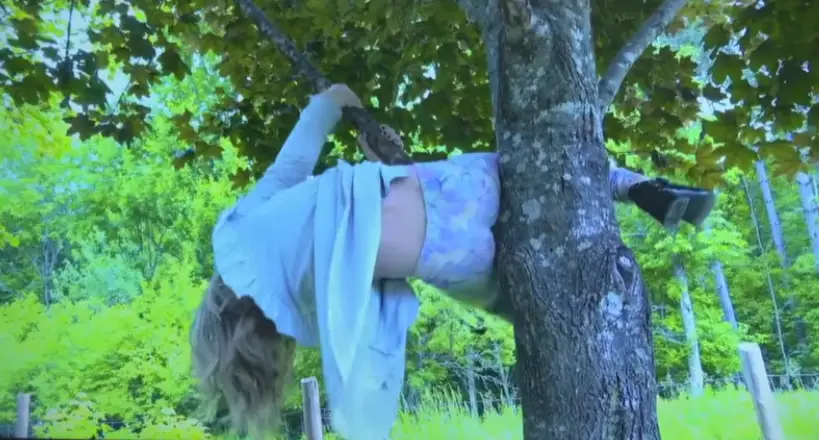
According to reports, the bat wrapped its wings around the 6-year-old’s leg that night until her family heard her cries for help and ran to her aid.
“It’s like she was trying to scream, but nothing was coming out. So, she finally just, ‘There’s a bat!’” Elizabeth, Cece’s mother said, noting that the ordeal was a horrible thing for the family to experience and they weren’t sure if it would kill the little girl.
Rabies is a ‘rare’ disease in the UK and most parts of the world, however, according to the NHS, it is ‘almost always fatal once symptoms appear, but vaccination and early treatment can prevent it’.
If exposed to it, sufferers can experience things like numbness or tingling where you were bitten or scratched, hallucinations, feeling very anxious or energetic, difficulty swallowing or breathing, paralysis, being terrified of water, and death.
Once symptoms appear, rabies is almost always fatal, meaning that immediate treatment can save your life.
Nick Mao, a health officer for the Shawano-Menominee County Health Department, revealed that those who are exposed to a rabid animal need to ensure they’re cleaning the wound as soon as possible.
“Make sure we’re cleaning the affected area with soap and water and then calling your doctor or the emergency room right away,” Mau told W Bay.
The NHS also suggest getting the rabies vaccination prior to traveling and steering clear of animals in foreign nations.
The Mayo Clinic also advises getting the fast-acting jab (rabies immune globulin) to prevent the virus from infecting you, which is injected into the site of the wound.
There are also a 'series of rabies vaccinations to help your body learn to identify and fight the rabies virus'.
From there, you can expect to have four injections over 14 days, or if you've had the rabies vaccine, you'll have two injections over the first three days after being exposed to rabies.
However, it's important to note that rabies can appear in any wild animal, so be aware of that fact, even locally, though rabies was eradicated from all UK animals except bats in 1922.
Signs of a rabid animal varies, but usually, they display sensitivity to light, aggression, muscle weakness, frothing from the mouth and much more per the UK government.
If you think you have seen a rabid animal, always report it.
 Britt Jones