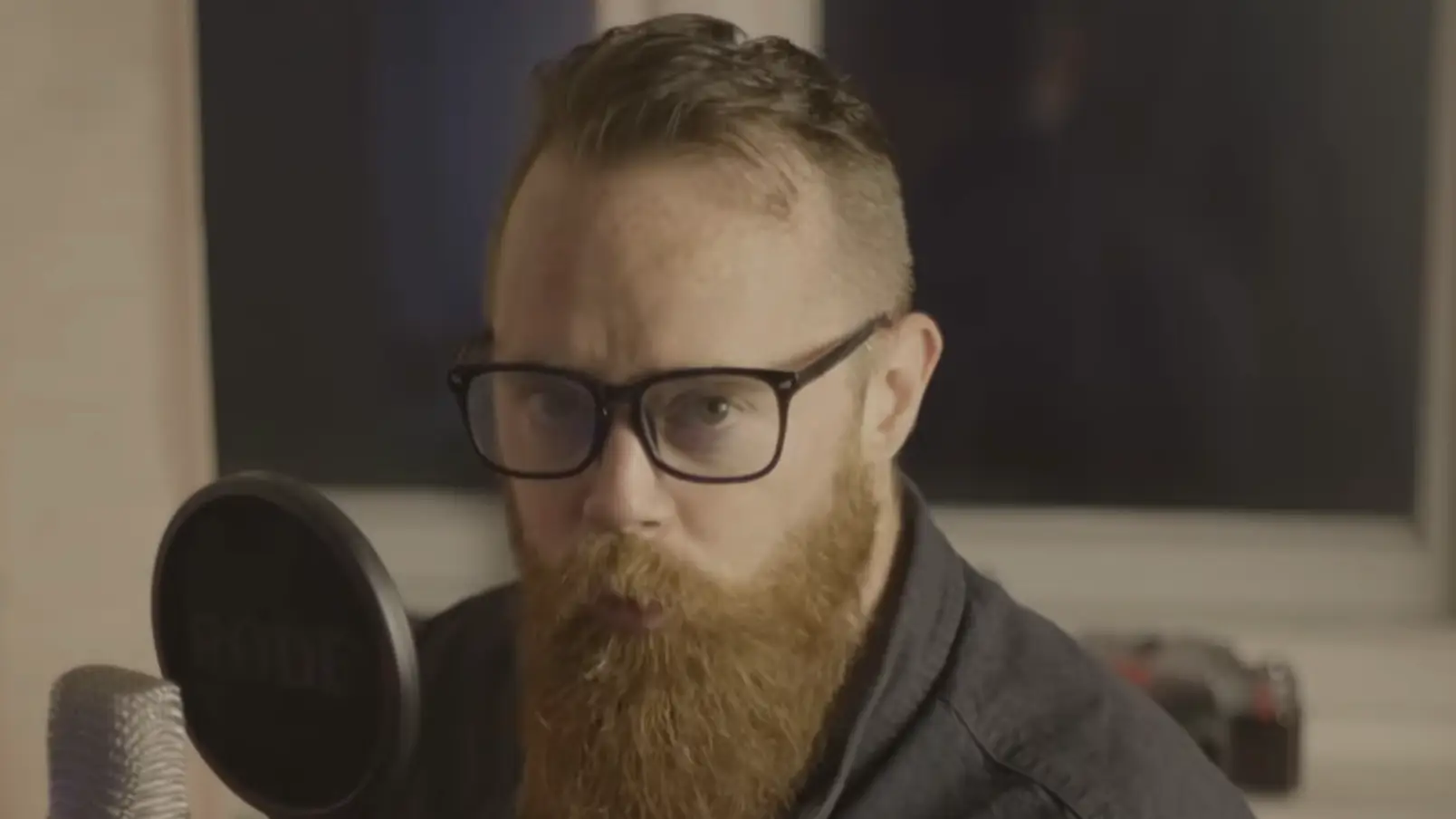
Recovering alcoholic shares five early warning signs that you have a drinking problem

Warning: This article contains discussion of alcoholism which some readers may find distressing.
A former alcoholic has revealed the ‘red flags’ that mean you could have alcohol use disorder without knowing it.
Let’s be honest, drinking is very much part of UK culture, and if you don’t, you might feel left out.
Whether it’s to celebrate birthdays, holidays, or to mourn loved ones – alcohol plays a factor in a lot of those events.
Advert
But when does drinking go from being harmless to habitual?
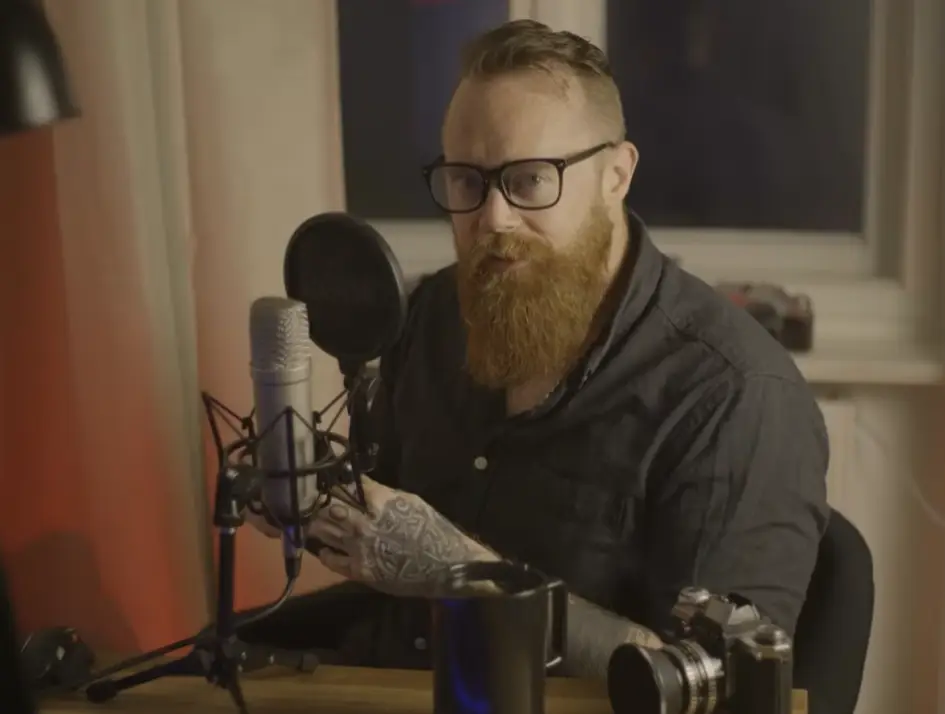
According to recovering alcoholic Stu, who runs the YouTube channel Bat Country Alcoholism & Sobriety, there are several factors that can determine whether or not you’re likely to abuse alcohol, which is something the UK government says is prevalent in the nation.
Apparently, in 2020, there were an estimated 589,000 people who were dependent on alcohol in England.
Even more worrying, the Office for National Statistics revealed there were 10,473 deaths from alcohol-specific causes registered in 2023.
For most of us, it can be hard to identify when we crossed the point of no return. And usually, by the time we notice, it's often too late.
The only way to prevent these things is to prevent becoming addicted to alcohol, and to do that, you need to know what to look out for.
In a video, Stu explains the ‘early warning signs of alcoholism’.
You started young
According to the YouTuber, being a ‘young drinker’ means you began to drink when you were not of legal age, typically in those essential teenage years.
Stu said this can be a ‘major factor in the likelihood of you developing an alcohol use disorder later in life’.
Noting some bits about his own experience, he said he was a ‘drinker by the age of 14’, and this only got more and more regular as he aged.
Genetics and tolerance

“If you are the drunkest person in the room to the point that other people notice you are the drunkest person in the room, and if that happens semi-regularly or if you can ‘handle’ your drink... you're on a dangerous path,” he said.
Calling being able to ‘handle your liquor’ a ‘virtue’ in society, Stu says it proves that you’ve only been able to tolerate the booze thanks to a ‘partially genetic’ component.
The YouTuber added: “If one of your close relatives is a problem drinker, there's a good chance you are too.”
Withdrawal

Do you experience something heavier than a hangover? Stu says this is when you need to cut down and stop for ‘a while’ otherwise, there’s no turning back.
This is because you could be suffering from alcohol withdrawal.
He explained that if ‘they feel like you've been poisoned, you're in danger’.
According to the NHS, alcohol withdrawal can be seriously dangerous for your health, and comes with a range of symptoms that are very different from the common hangover.
This can include:
- Anxiety
- Difficulty sleeping
- Feeling and being sick
- A racing heartbeat, sweating and shaking (tremor)
- Seeing, hearing or feeling things that are not there (hallucinations)
- Confusion
- Seizures
At this point, the NHS says to seek medical help as you may need hospital treatment.
Drinking alone
Find yourself reaching for the bottle, even when you’re on your own? The former alcoholic revealed that this is a sign that things have gotten out of hand, and you’ve crossed the line from drinker to drinking problem.
Stu said he would drink by himself, turn up late to parties, and be drunk at that time, too.
The ‘threshold’
The threshold is ‘the big’ one, according to the YouTuber, who said it’s the moment where you begin to ‘spiral’ and drink alcohol to cure the problems caused by alcohol and you continue down the cycle again and again.
Stu explained that if ‘you are drinking to treat the negative feelings caused by drinking and at that point you are on the edge of a precipice - you are staring straight down into the abyss’ and ‘there's nothing good down there’.
Please drink responsibly. If you want to discuss any issues relating to alcohol in confidence, contact Drinkline on 0300 123 1110, 9am–8pm weekdays and 11am–4pm weekends for advice and support.
 Britt Jones