Super El Niño now comes with fatal rabies warning after 'significant global shift'

Super El Niño is one of the most discussed weather phenomenons of all time and while we've seen sweltering heat and floods already, the latest twist could have a significant impact on the animal population.
The freak weather conditions have caused plenty of issues for humanity already but we have given little thought for how certain animals might deal with the increased temperatures, droughts and periods of extreme rainfall.
What is Super El Niño?
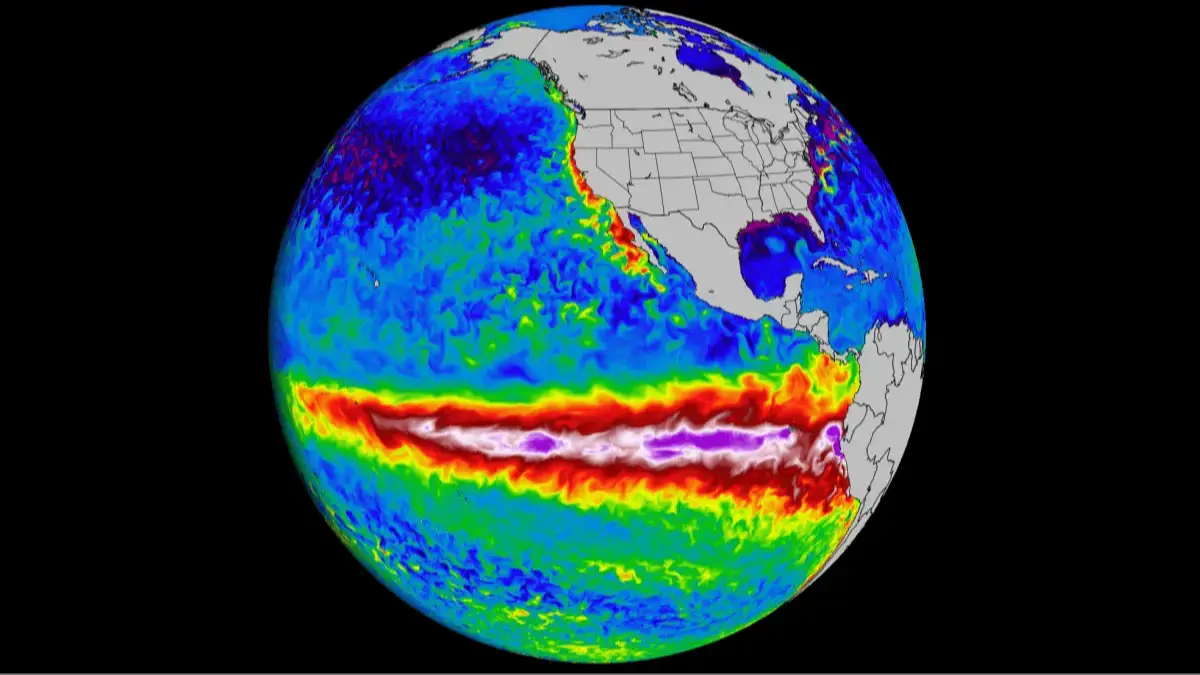
Confirmed to be happening back in June, an El Niño is a weather event which occurs when ocean temperatures in the central and eastern tropical Pacific become unusually warm, disrupting the wider climate.
However, this will be the first Super El Niño in around 10 years and is expected to bring extreme weather to our doorsteps, which we have already seen the start of here in the UK with the recent heatwaves.
Advert
Although hot weather and droughts might be the extent of our problems here in the UK, it is thought that Central and South America, the Caribbean and southern Africa could all be hit hard by the weather phenomenon, with farming and agriculture obviously likely to suffer in periods without much or any rainfall.
But as temperatures rise, it's not just humans who become a little cranky, as reports suggest that a significant number of seals are now developing an aggressive form of rabies.
Why could Super El Niño lead to more rabies cases?
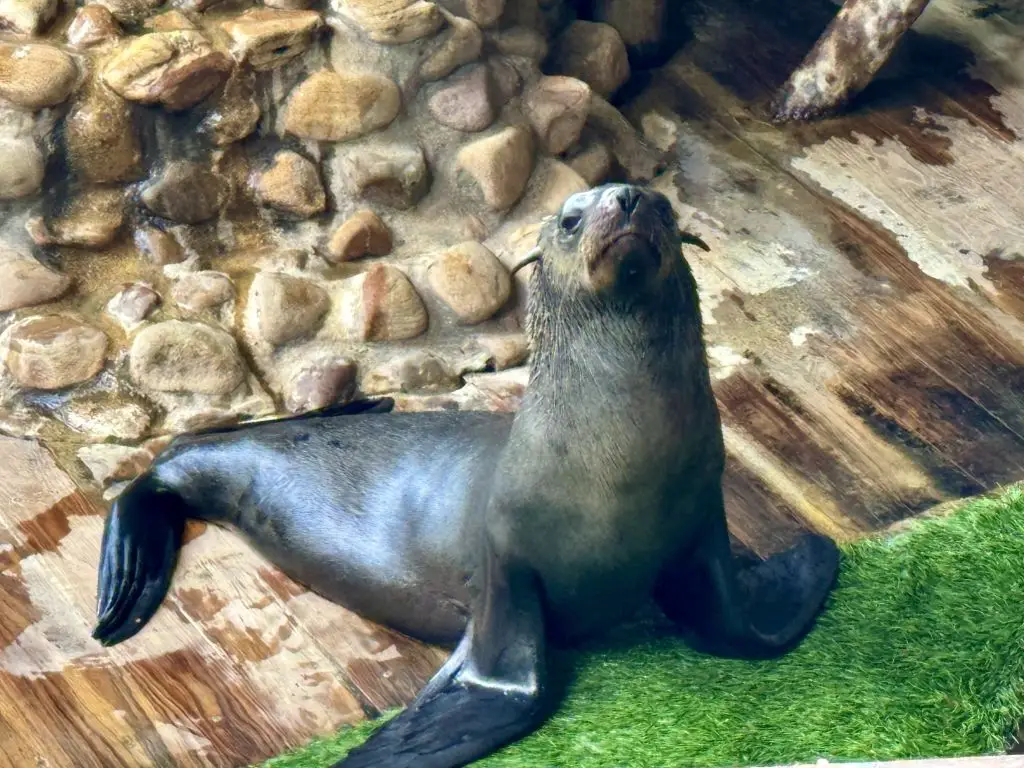
According to the Telegraph, over 100 rabid seals have already been confirmed in South Africa and Namibia, with the animals becoming enraged as a result and even attacking people, pets and local wildlife.
Of course, humans can catch rabies if they come into contact with infected animals, with the spread usually coming via animal bites, scratches, or contact with mucous membrane.
The rising sea temperatures also mean that this could soon become a global programme as seals seek out food, and it is thought that the warming waters in the Antarctic could see seals swim thousands of miles, where they are more likely to come into contact with the infected mammals.
The World Organisation for Animal Health (WOAH) said: "Regions in the southern hemisphere, including Latin America and Australasia, should maintain heightened surveillance for rabies transmission among marine mammals.
"(Also) recognising that our understanding of the epidemiology of this event is still evolving. Early detection and timely reporting remain essential.”
Dr François Diaz, from WOAH's wildlife team, spoke about the likely migration of seals due to the weather conditions and warmer temperatures caused by the ongoing El Niño.
He said: "In particular for sub-Antarctica and Antarctica, the population can move and go for example to Southern Africa or Southern America, Australia.
"It's rather rare that we have this kind of movement, but it's possible and with the El Nino phenomenon it pushes a little bit more the possibility of this kind of movement, in particular from sub-Antarctica and Antarctica to Southern Africa.
"If we had this, it might be an issue in a way that you could potentially have transmission of rabies from the pinniped [seal] population in Southern Africa to this population that could come back to sub Antarctica and Antarctica.
"From this it's a potential spread of the disease in this area of Antarctica and sub-Antarctica and then so potentially you have some potential link with other regions worldwide."
Dr Diaz urged nations to stock up on life-saving vaccines, adding: "This emergence of rabies in Cape fur seals represents really a significant shift in rabies ecology and so there is some implication that it goes beyond just Southern Africa."
What impact has Super El Niño had so far?
Scientists have already predicted that this particular Super El Niño could be one of the most intense in decades, and as well as the droughts and wildfires which we have seen, other countries in South America have been forced to deal with extreme rain and flooding.
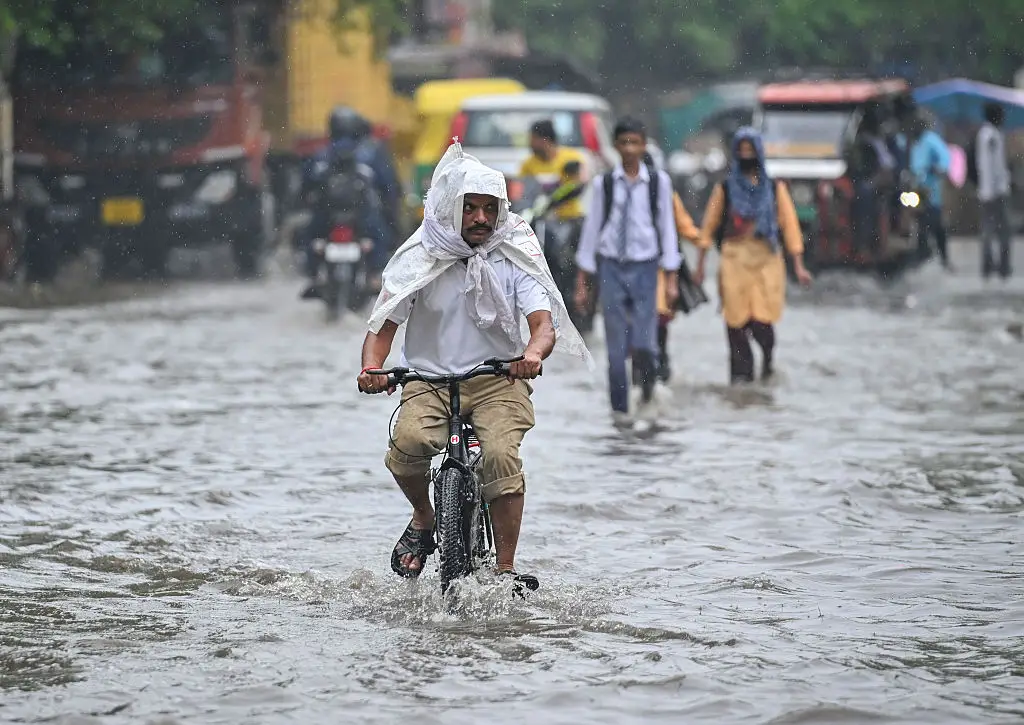
This causes huge problems in terms of food supplies and agriculture, while energy supplies can also be heavily impacted.
While you might think that this is just a summer problem, it is predicted to last until October, and we may also have some intense colder weather in the winter as a result.
Topics: Environment, Animals, Weather
 James Moorhouse