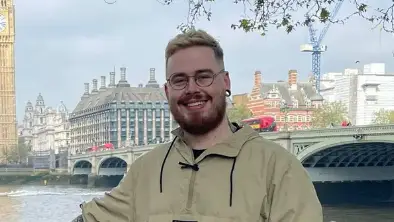
Symptoms of stomach cancer as man diagnosed aged 31 shares first one he noticed

A man diagnosed with stomach cancer has told how advocating for himself 'potentially saved his life' - and he wants others to do the same.
Harry Large, 31, has spoken out about the red flags that he noticed prior to him receiving the news that he has adenocarcinoma just a few weeks ago.
He believes he would 'still be waiting' to find out the source of his symptoms if his family medical history didn't set alarm bells ringing for one doctor, so he is now urging Brits to make sure their concerns are taken seriously.
Earlier this week, Harry spoke to LADbible about preparing for the prospect of having his stomach removed following his cancer diagnosis.
Advert
He explained he is happy to bid bon voyage to it so that he 'can live a bit longer', even though it will require him to make some drastic changes to his lifestyle.
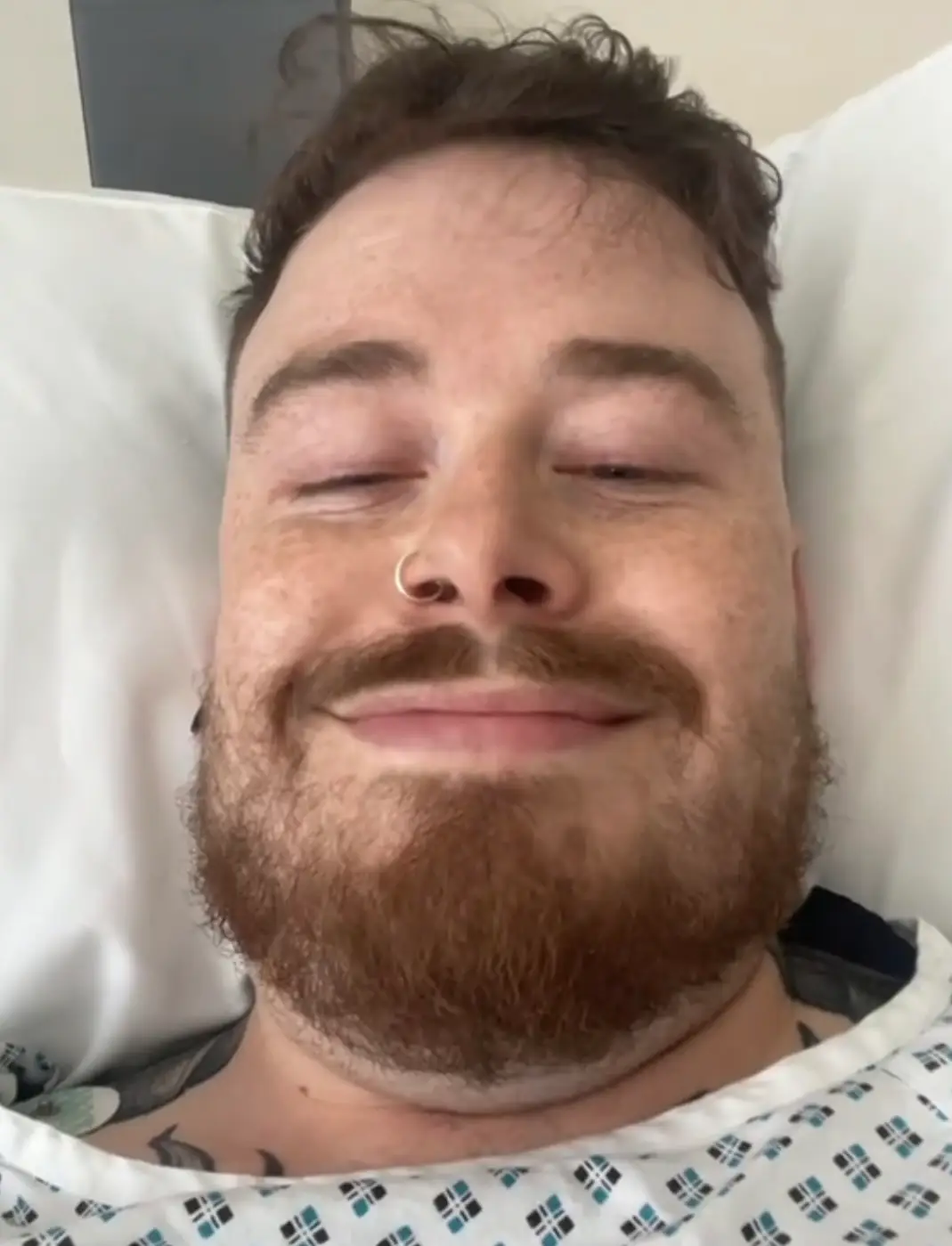
Doctors decided that this major operation is the best course of action to help him beat adenocarcinoma and hope he will go on to live 'a perfectly normal life'. Harry will also undergo chemotherapy too.
Luckily, a keyhole surgery which took place on Thursday (25 June) confirmed that the cancer has not spread, which came as a 'massive relief' to Harry.
However, he is now bracing to go back under the knife so medics can remove his stomach - meaning he will have to stick to a diet of mushy food while his body adapts and will also have to have vitamin B12 injections.
The form of cancer that the hospital cleaner has been diagnosed with is adenocarcinoma, which means that it has developed in gland cells. In Harry's case, it has grown in the lining of the fundus, which sits at the top of the stomach.
He explained that he had been feeling tired for around two years, but his fatigue 'really ramped up' at the start of 2026, as he found himself 'in bed all day' after clocking off from work.
"If you're coming home and going straight to bed, something is definitely wrong," Harry told LADbible. "Fatigue was my first [symptom], definitely."
How Harry realised 'something was definitely wrong'
He also noticed that his 'eczema had flared up a lot' and could not be calmed by the remedies he usually relied upon, while he also spotted that he was becoming stuffed after consuming just a few bites of food.
"I would eat, and then, after five bites, I'd be full," Harry said. "I knew something was definitely wrong."
After previously being told this was all likely down to him suffering from 'chronic fatigue', the 31-year-old decided to return to his GP to report these symptoms.
When he informed the doctor that his estranged father had passed away from stomach cancer in 2015 at the age of 46, she promptly put Harry on the two-week cancer pathway.
Harry said: "If it wasn't for her, then I'd still be waiting."
He described receiving his diagnosis as 'very sad and shocking' but said the reminder of his mortality has helped him 'put everything into perspective'.
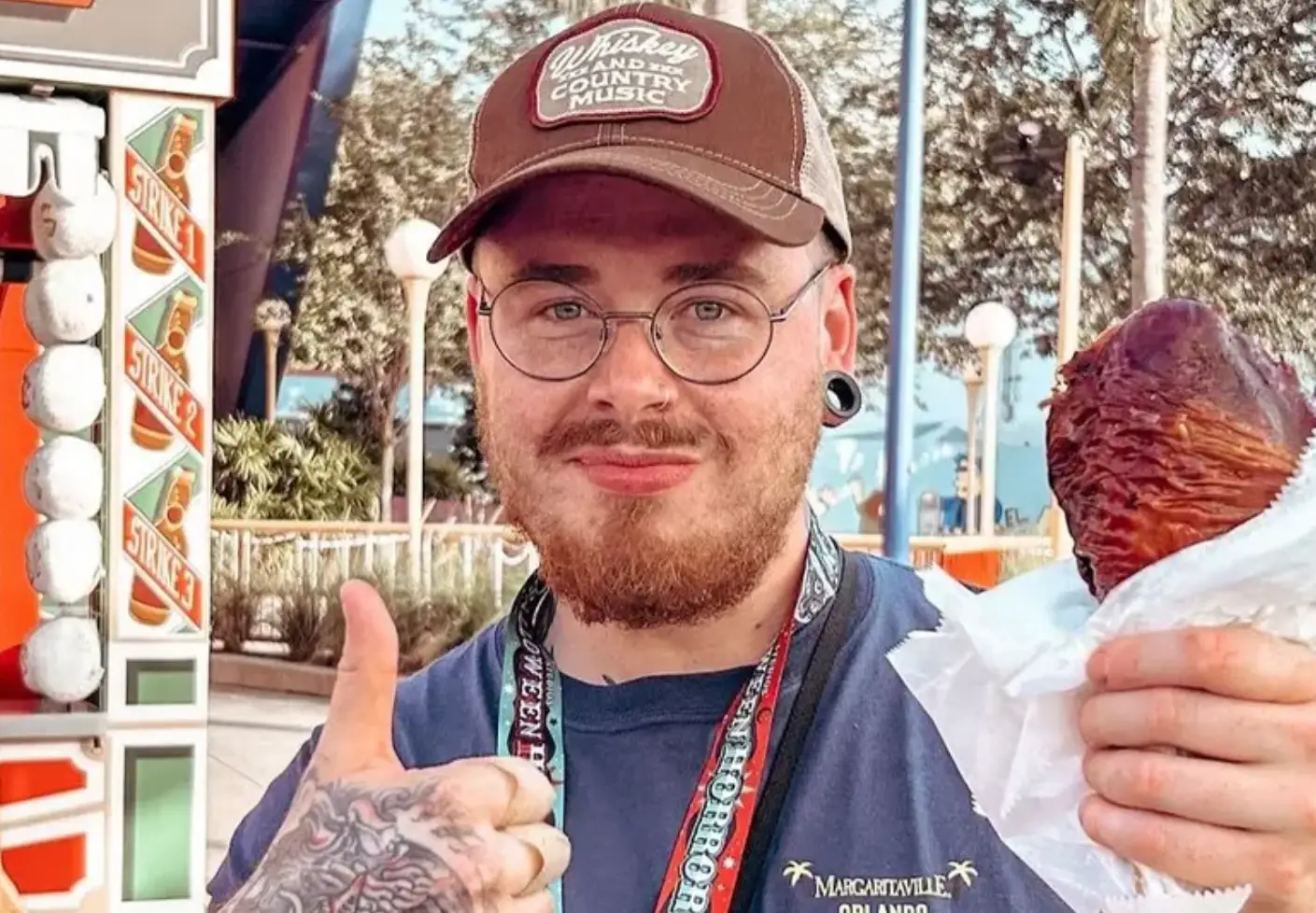
"You've got 99 problems until you've got a health problem," he said. "Then you've only got one problem."
Although he faces a 'long road' to recovery and further surgery, Harry has decided to raise awareness of his ordeal in the hopes of encouraging others to 'advocate' for themselves.
Harry added: "It's not just stomach cancer. It can be anything. You can get cancer at any age. If something's not right, definitely get checked out. You know your own body better than a doctor.
"You can explain better how you feel. As soon as there's a new symptom or you feel yourself getting worse, then that was when I went back to the doctor - and the doctor I've gone to has potentially saved my life.
"If you can go to the doctors when problems arise and catch it early, that's the best outcome you can ask for."
What you need to know about stomach cancer
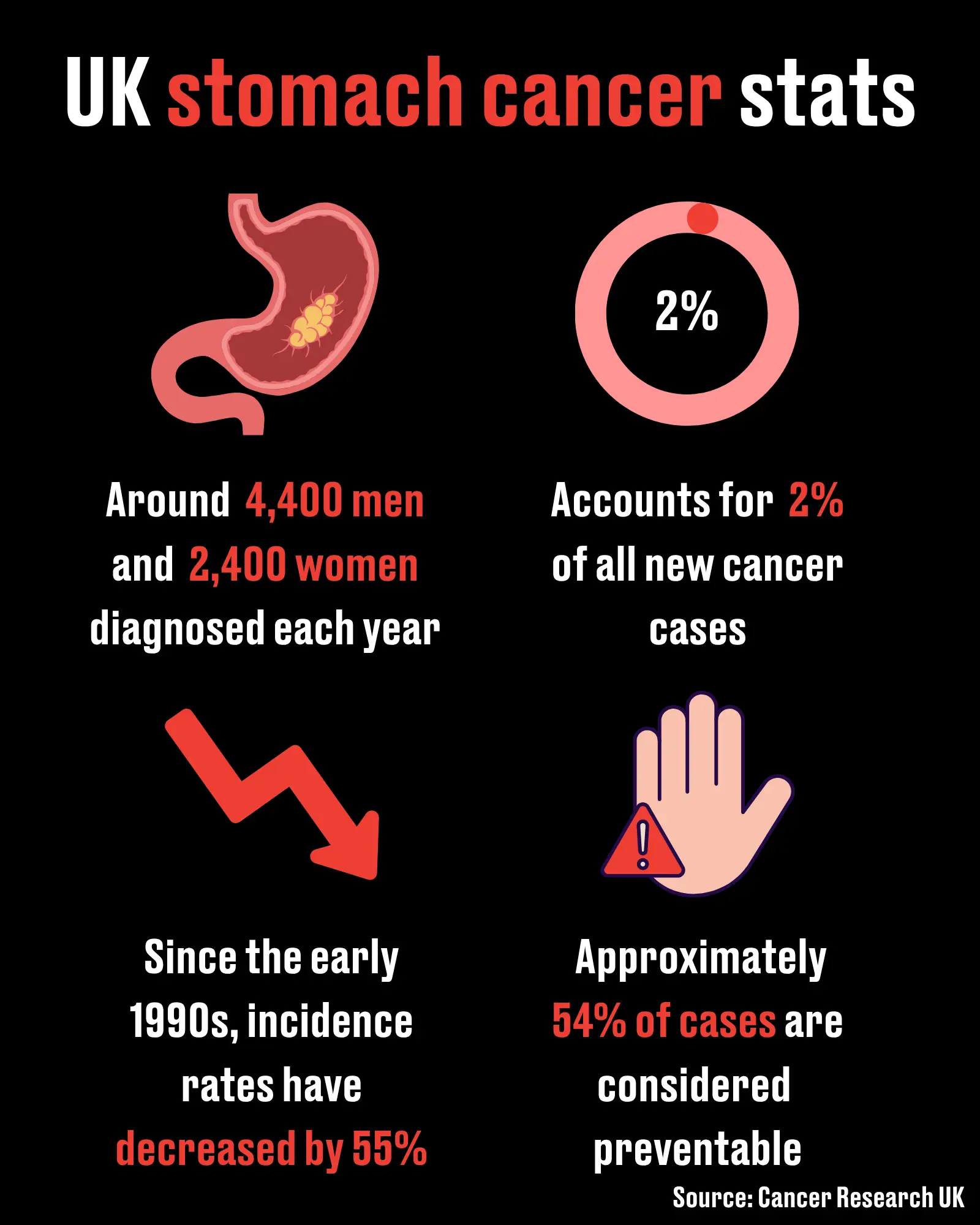
According to Cancer Research UK, stomach cancer is 'more common' among older people and men tend to get it more often than women.
It is believed that your lifestyle, environmental factors and particularly your diet all play a part in it forming. Around 6,800 people are diagnosed with this form of the disease in the UK each year.
The charity explains that it is 'linked with a bacteria that lives in the stomach called Helicobacter pylori (H. pylori), but not everyone with H. pylori will develop stomach cancer'.
The type of stomach cancer depends on 'what type of cell it started in'.
Symptoms of stomach cancer
The NHS states that there are 'many possible symptoms' that can arise from this illness, but they are often 'hard to spot'.

These include heartburn or acid reflux, having problems swallowing (dysphagia), feeling or being sick, as well as symptoms of indigestion such as burping a lot and feeling full very quickly when eating.
Sufferers may also experience severe fatigue, a loss of appetite, unexplained weight loss and a lump or pain in their tummy.
If you notice any of these symptoms, it is crucial that you book in for an appointment with your GP so you can try and find out the source of them.
Your doctor will likely feel your stomach and may ask you to undergo some testing - such as providing samples of your poo, pee or undergoing a blood test.
Better to be safe than sorry, right lads?
If you’ve been affected by any of these issues and want to speak to someone in confidence, contact Macmillan’s Cancer Support Line on 0808 808 00 00, 8am–8pm seven days a week.
 Olivia Burke