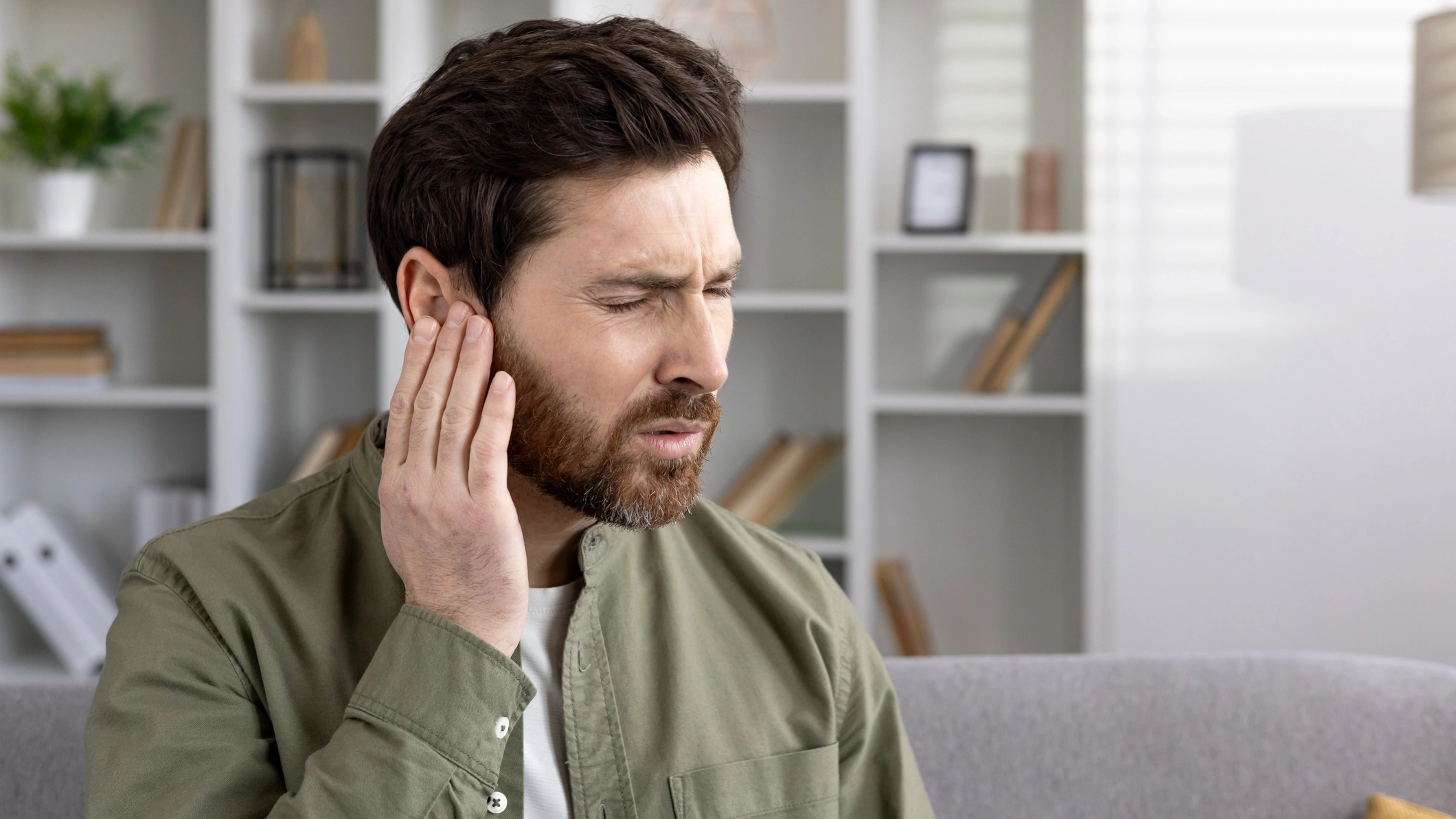
Gen Z and Millennials warned to look out for signs of debilitating 'buzzing' condition with no cure

It always seems to be the sign of a big night out when you get home and lay in bed but it still sounds like you’re in a packed room.
And it's now been discovered that the lingering buzz - almost like a whoosh going on in your ears after a big, loud concert or sesh in a nightclub - could have a major impact on your long term health.
But as we all walk about with our earphones playing music constantly or just you know, attending loud events, we should be keeping an eye on, or should I say an ear on, that lingering ‘buzzing’ sound.
Gen Zs and Millenials should be wary if they’re continuously experiencing this sensation, as it could be a sign of a debilitating condition that unfortunately has no cure.
Advert

A persistent ringing, buzzing or hissing sound can be an early sign of hearing loss or tinnitus.
The likelihood of developing this condition increases with age but also with exposure to loud noise.
"You can't stop aging, but you can take steps to conserve your hearing and reduce your risk of developing hearing loss and tinnitus," Dr. Jackie Price, an audiologist at Penn State Health Otolaryngology Head and Neck Surgery, told Science Daily.
Tinnitus is the name given for hearing noises that don’t come from an outside source.
"For some people, the noise is constant and bothersome, interfering with their productivity and quality of life," Price added.
The doctor recommends using hearing protection to reduce the risk of hearing damage.
She says at situations like concerts, sporting events and fireworks displays to try wearing protection such as earplugs and earmuffs.
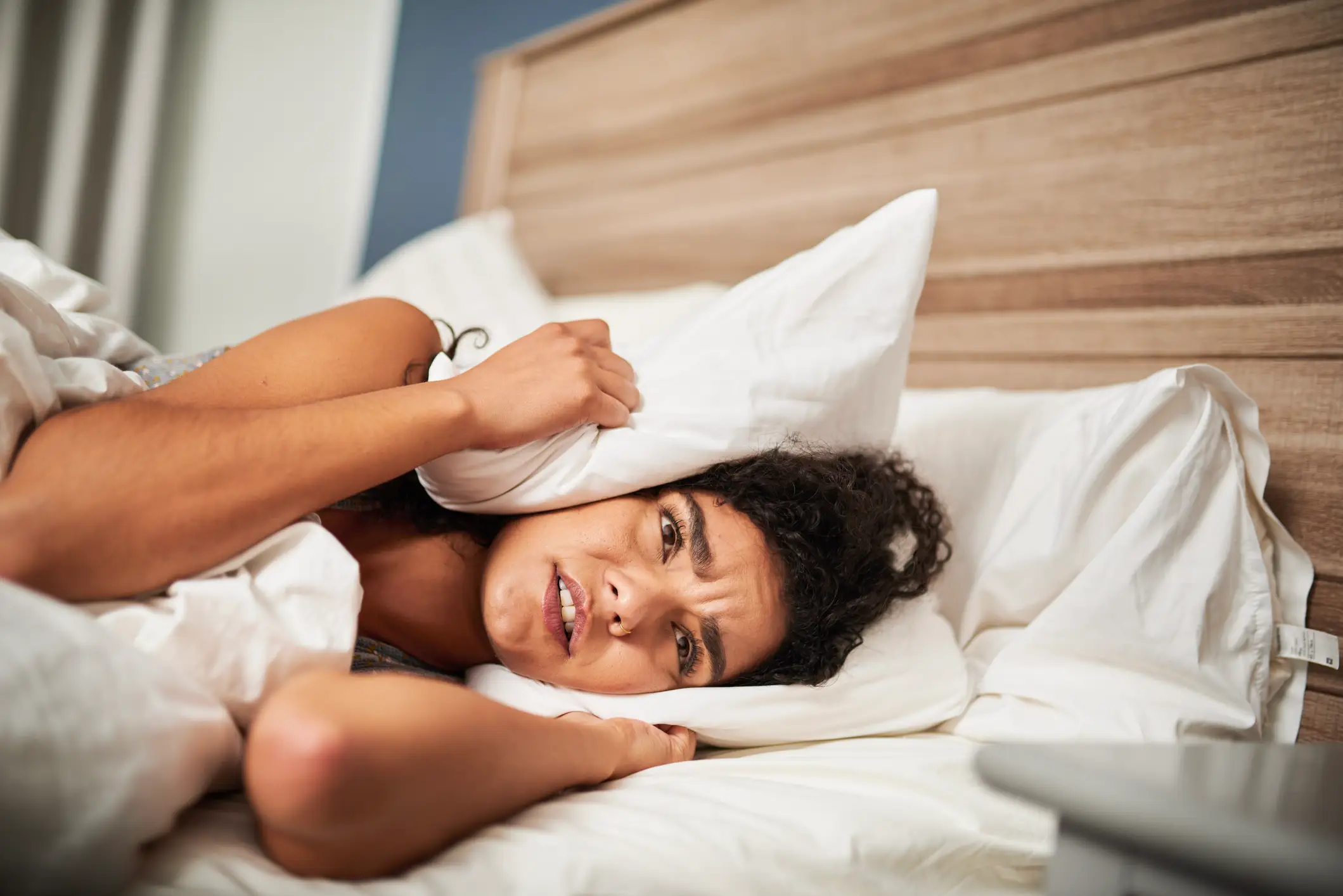
Symptoms of tinnitus
While hearing loss can be permanent, the NHS says that tinnitus isn’t usually a sign of anything serious and might actually get better by itself.
It can sound like:
· Ringing
· Buzzing
· Whooshing
· Humming
· Hissing
· Throbbing
· Music or signing
These sounds might be in just one or both ears, or in your head. And they may come and go or you might hear them all the time.
When to see a GP
The NHS advises seeing a GP if you have tinnitus regularly or constantly, it is getting worse, is impacting your sleep or concentration or is making you feel anxious and depressed.
GPs tend to look in your ears to see if its being caused by a treatable thing like an infection or earwax build-up. They might also check for any hearing loss.
You should ask for an urgent appointment if you have tinnitus that beats in time with your pulse or go to A&E or call 999 if:
· you have tinnitus after a head injury
· you have tinnitus with sudden hearing loss, weakness in the muscles of your face, or a spinning sensation (vertigo)
Always seek a medical professional for healthcare advice.
 Jess Battison