Airports forced to change X-ray machines after reality of what security could see revealed

When you walk through security at the airport, for the most part, you simply expect to be able to see if you’ve got any metal on you or left something you shouldn’t have in your pockets.
Instead, however, certain airport scanners had to be changed after it was revealed they could see a fair bit more than that when travellers walked through, having been dubbed 'virtual strip teases'.
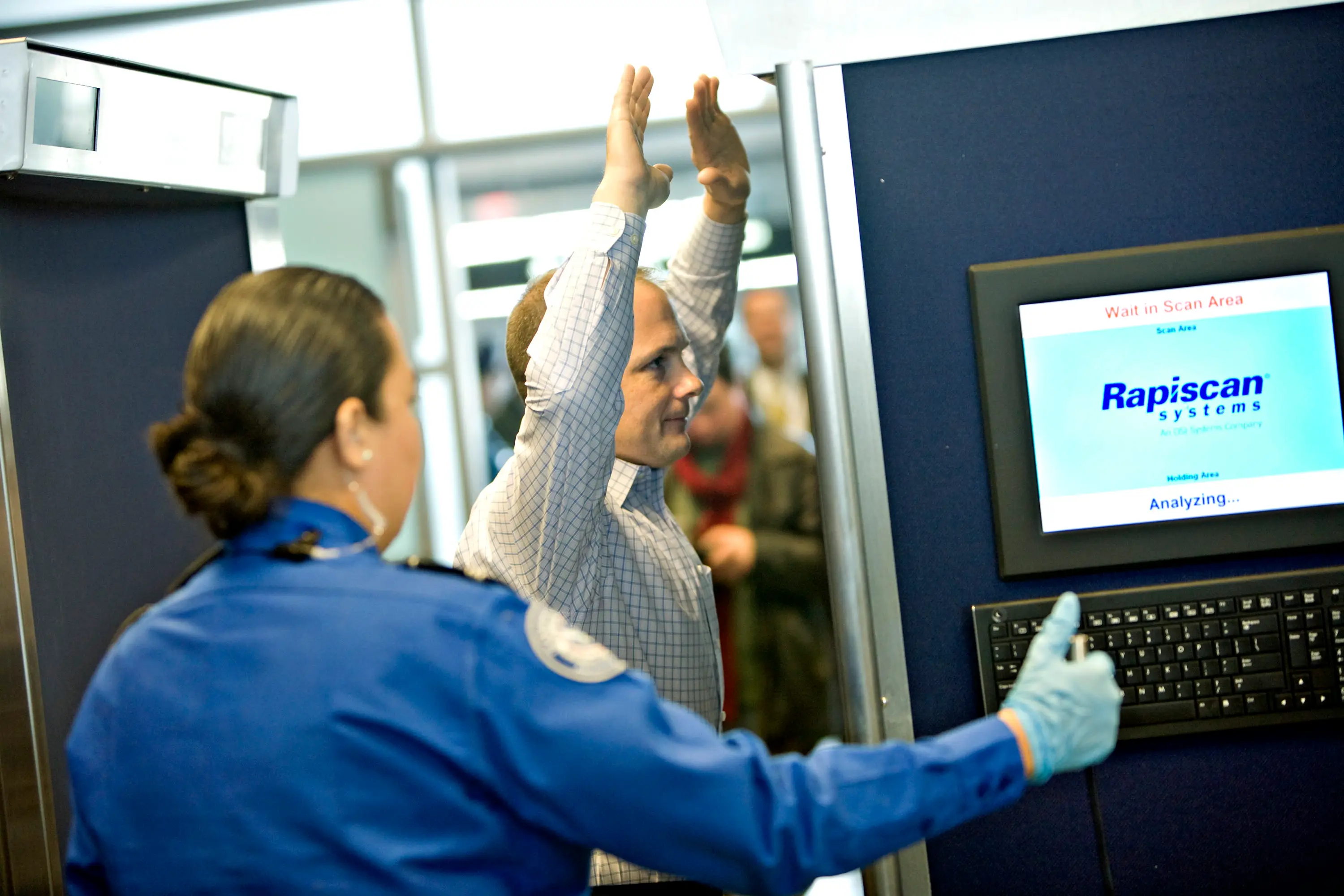
The scanners in question were Rapiscan scanners, which were brought in across the US in 2010 after a 2009 failed terrorist attack.
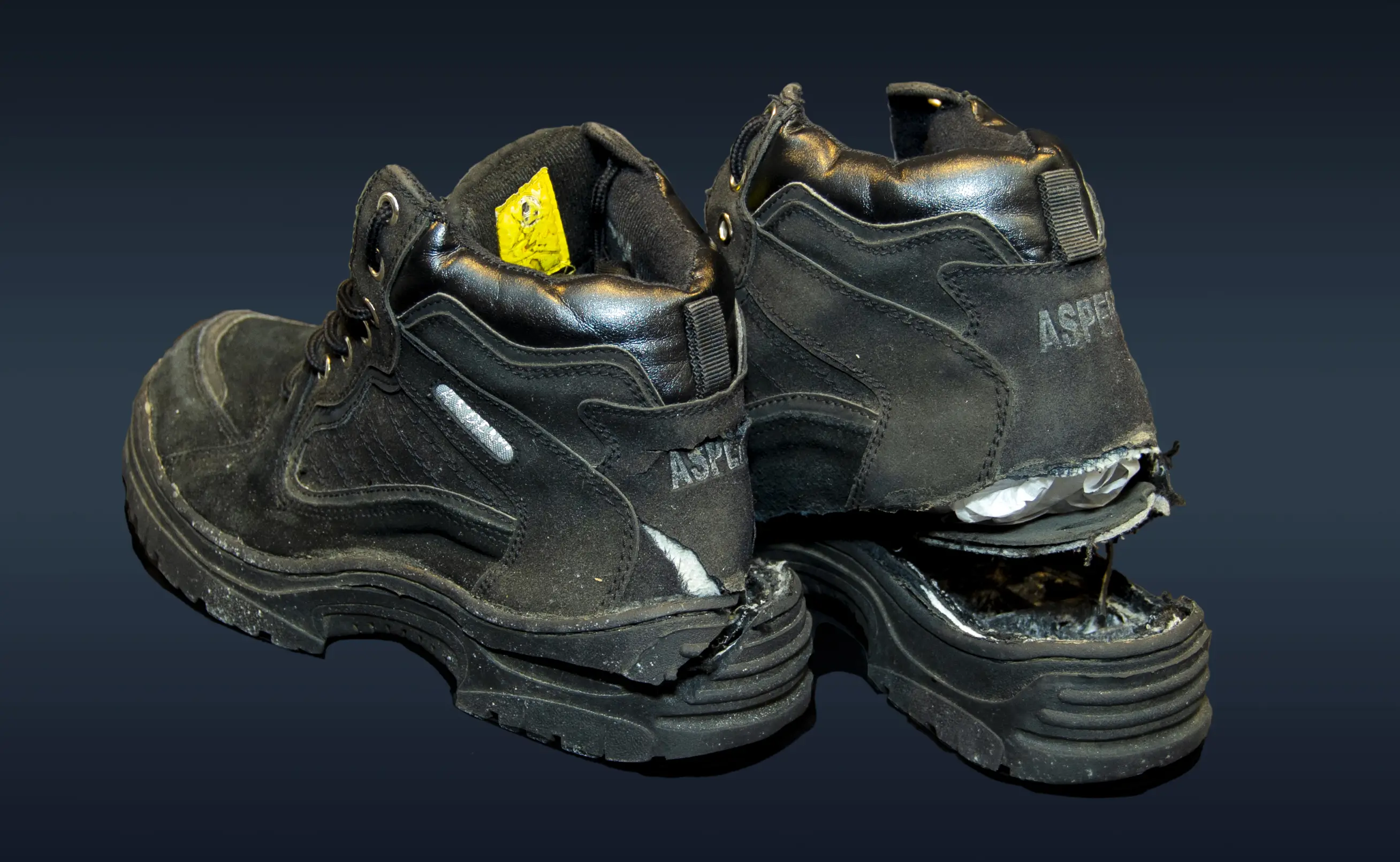
In 2009, tensions were already high around airport scanners due to the 2001 attempted shoe bombing by Richard Reid, in which he tried to detonate a pair of shoes containing homemade explosives on American Airlines Flight 63.
Advert
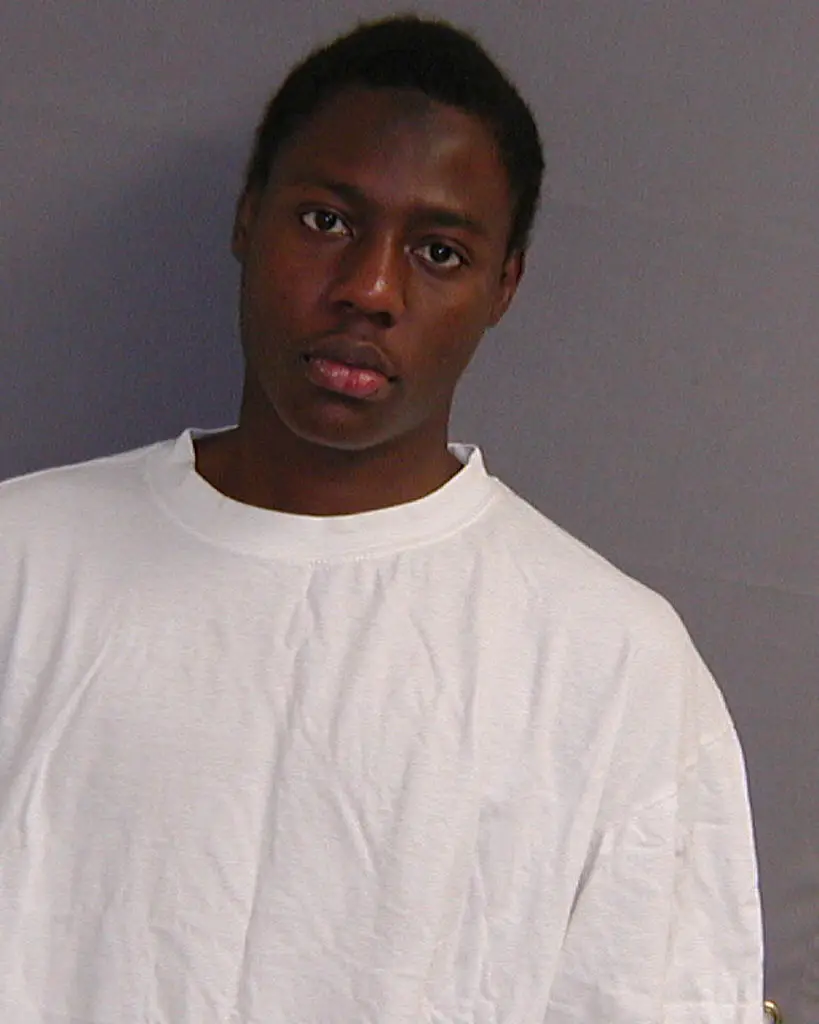
Eight years later, Umar Farouk Abdulmutallab was caught after trying to blow up a Detroit-bound flight using explosives he smuggled in his underwear.
This backfired, leading him to be set on fire due to a malfunction in the device, with Abdulmutallab being tackled to the ground by passengers and staff and extinguished.
In response, the US decided to bring in even more high-tech scanners, picking the Rapiscan ones, which were a staggering $180,000 a pop.
Security consultant Will Geddes previously told LADbible: “The biggest problem that obviously the TSA had was if it's body worn and you went through a traditional gate, it would just pick up anything metallic and there was no means of actually looking at the body intrinsically to find out if there was anything body worn.”
Geddes said after Abdulmutallab’s attempted bombing that obviously, 'all the airports went into this action, a sort of tailspin with we've got to get this new security in place now.’
He added: “Typically in the States, for federal agencies, the TSA especially, they just buy the first thing that they could possibly get.”
The first thing ended up being the Rapiscan scanners, which Geddes said were ‘very invasive’.
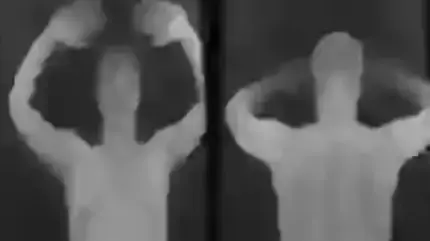
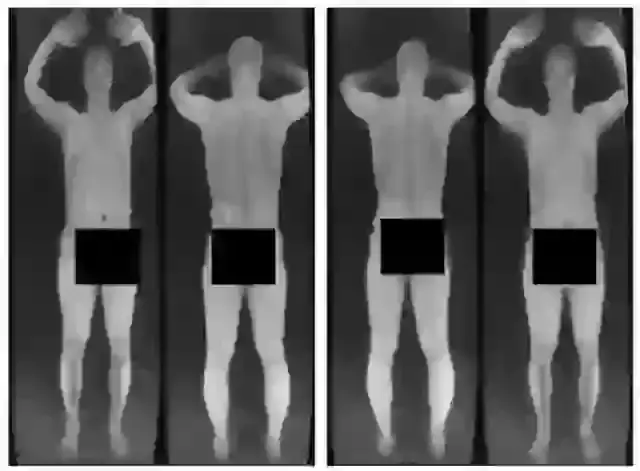
They showed everything, being referred to as ‘virtual strip teases’ in which TSA officers were able to see people fully naked when they went through.
This led to concerns being raised in 2012 around privacy after widespread complaints.
Rapiscan were given a deadline in 2013 to update their software to remove this, and as they were unable to meet that deadline, the travel agency released the following statement: “TSA has strict requirements that all vendors must meet for security effectiveness and efficiency.
"Due to its inability to deploy non-imaging Automated Target Recognition (ATR) software by the Congressionally-mandated June 2013 deadline, TSA has terminated part of its contract with Rapiscan.
"By June 2013 travellers will only see machines which have ATR that allow for faster throughput.
"This means faster lanes for the traveller and enhanced security. As always, use of this technology is optional."
Now, thankfully, if you walk through security scanners, they don’t just get a full view of you nude as they could for a few years.
 Michael Slavin