
British author with passport in date refused entry onto flight because of little-known rule

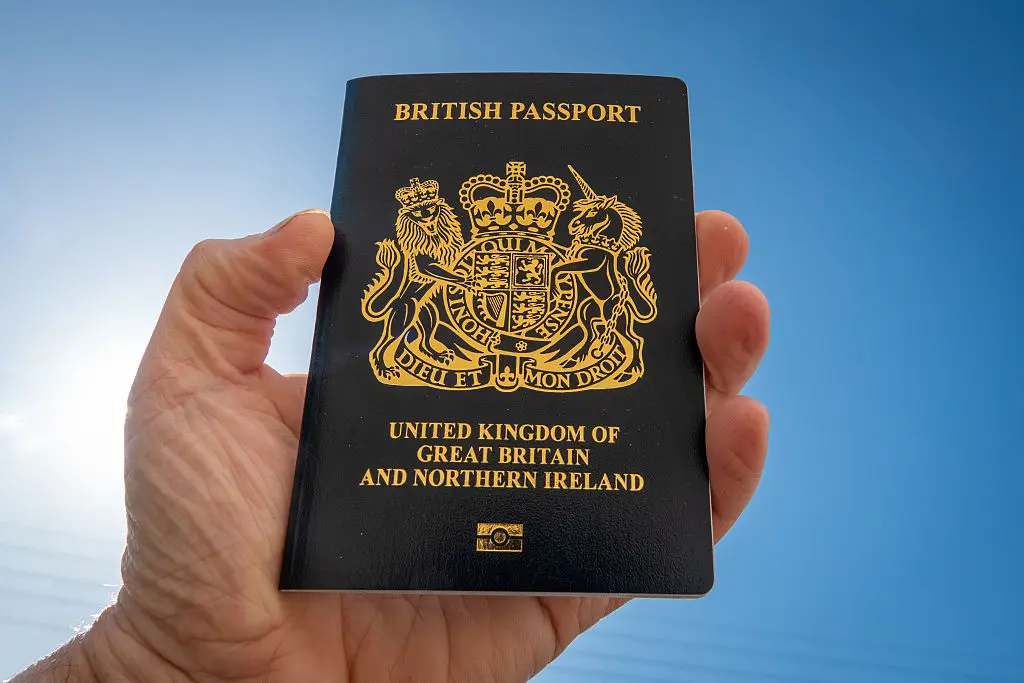
An award-winning children's author had to miss out on a literary festival because of a little-known passport rule many travellers fall foul of.
Michael Rosen, award-winning author of We’re Going on a Bear Hunt and Michael Rosen’s Sad Book, had packed his bags for Bologna, Italy to attend the Bologna Children's Book Fair.
He was due to give a talk, and was also one of the shortlisted writers for the 2026 Hans Christian Anderson award - the winner was set to be announced at the festival.
The good news was that he did end up winning the award; the bad news that he didn't end up making it to the book festival to celebrate, having been told to go home at the airport.
Advert
Writer Michael Rosen went to X about the problem: "Ha! I’ve just been refused entry onto a plane from Stansted to Bologna because my passport issue date is March 2016. The expiry date is August 2026 but the rule is 10 years from issue date."
He finished by writing: "Another Brexit benefit. Apparently. Go home now."
The 10-year passport rule explained

Even if your passport is still technically in date, it might not be enough for you to travel on.
That's because in the past, some passports might have had more than ten years between the date when they were issued and their expiration date.
Before 10 September 2018, the passport office would add any remaining validity from the person's old passport onto their new one.
Last year, The Times reported that one in five Brits still had one of these old-style passports.
The issue is that the EU won't accept passports that are more than ten years old, so they can refuse to let you travel even though your passport hasn't hit its expiration date.
Martin Lewis' Money Saving Expert shared the story of one woman with a whopping seven months left on her passport who was turned back at the airport.
From Rosen's replies, it seems he's not the only one to have been caught out by this sneaky rule change.
Another holidaymaker wrote: "Was escorted out of the airport... had to exit back through border control. Where the gentleman who checked my passport hadn't even heard of the 10 year rule."
"I was aware of the six month rule, but that doesn't mean it's not a daft rule. It's entirely reasonable to assume that you can use something up to its expiry date," insisted another.
Another X user wrote: "It’s more common that you might assume: around 200 British travellers per day are turned away from flights to the EU due to passport issues. That’s around 100,000 UK holidaymakers annually due to post-Brexit 10-year validity-period rules."
Rosen replied to another commenter, confirming he 'was turned away and have come home. There was nothing I could do.'
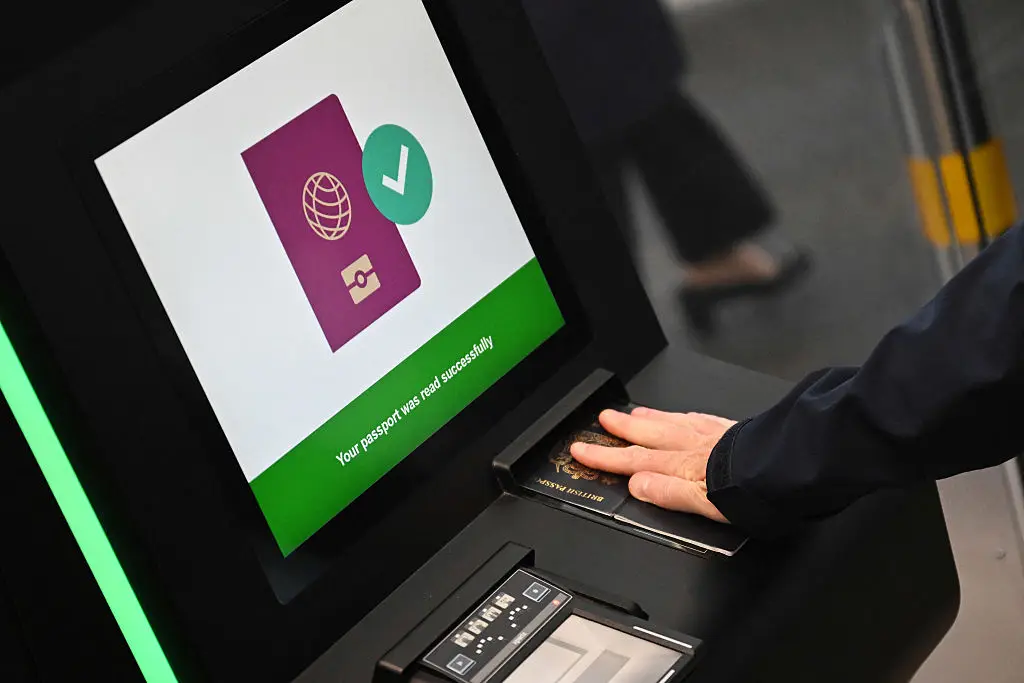
It follows the HM Passport Office issuing a warning before Easter to try and prevent people from getting caught out.
They warned Brits to 'check your passport now,' in addition to a link to the government website where you can renew, replace or update your passport.
This is due to the regulations which were brought in post-Brexit, which means that Brits travelling to the Schengen region must double check that their passport was issued less than 10 years before the departure date and must be valid for at least three months after you return.
The rule is even more important if you're travelling to Thailand, China, Australia, India, the UAE or Indonesia, as you need a minimum of six months left on your passport from the date of your arrival.
Topics: Travel, UK News, Brexit, Social Media
 Jen Thomas