Travel expert explains detail 'that's never mentioned' as Brits fear holiday flights will be cancelled

Normally at this time of year we’re all starting to get excited for our desperately needed summer holiday to roll around.
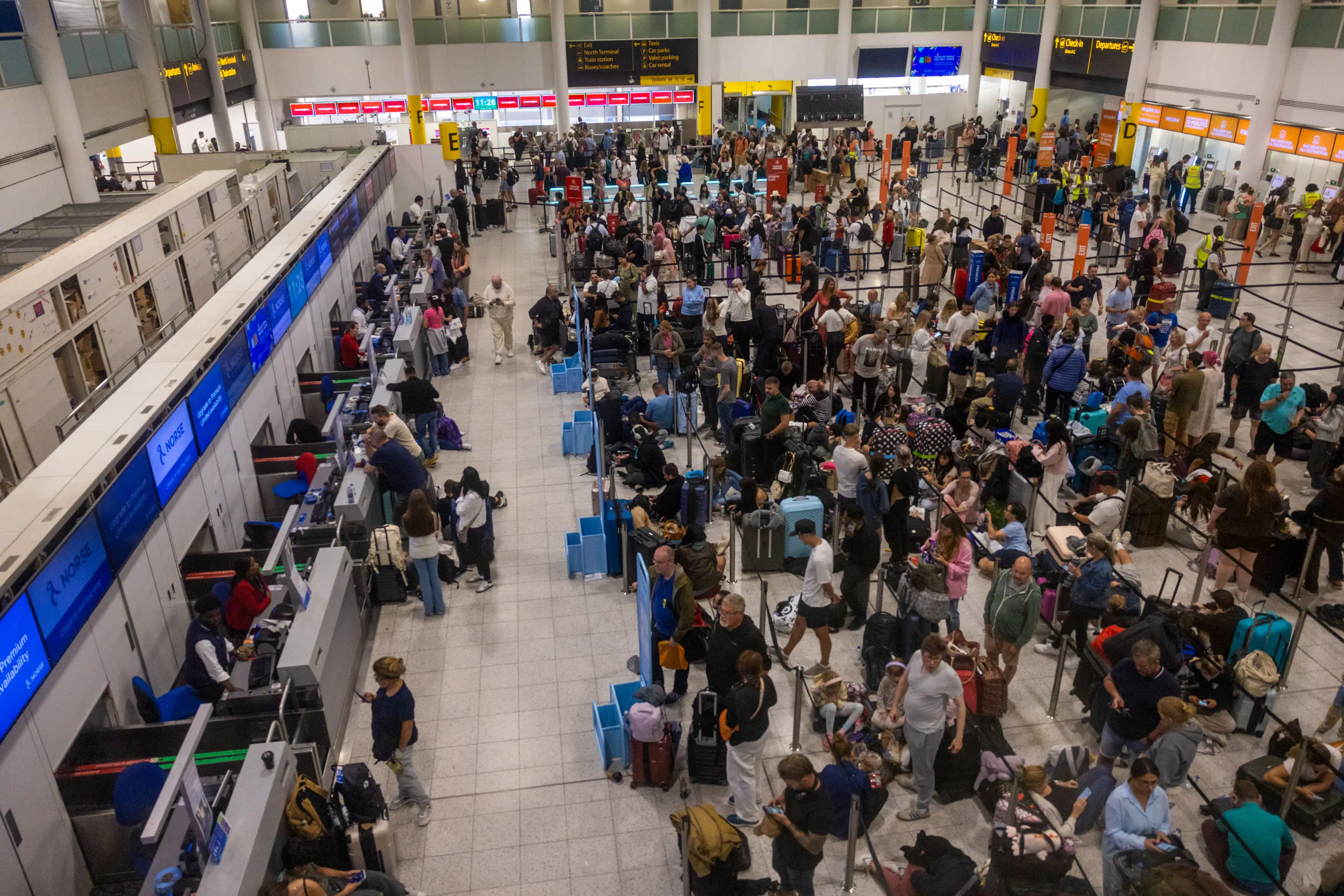
But that usual anticipation has got a bit of worry sprinkled into it at the moment due to fears of cancelled flights.
That’s due to conflict in the Middle East and the blockade of the Strait of Hormuz causing a fuel crisis.
Executive director of the International Energy Agency, Fatih Birol, previously warned that Europe has ‘maybe six weeks of jet fuel left’ as he told AP there could soon be flight cancellations.
Advert
And as Brits worry about what this might mean for their travels, an expert has explained the detail that’s apparently ‘never mentioned’ when it comes to airlines and fuel for their planes.
Rob is an insider for On The Beach holidays and runs his popular socials @robonthebeach as a travel expert, explaining the latest news and giving his own hacks and advice.
As users commented on his TikTok to say they’ve had their flights cancelled already, he claimed it’s not because of planes being unable to fly or unsafe destinations but rather that in some cases, 'it’s become too expensive to fly certain routes for airlines'.
An important choice airlines need to make
"Because, when fuel prices spike like this, airlines have a choice: they can either run the flight and lose money or they can cancel it," he said.
Rob then breaks down that a large number of major airlines don’t only ‘buy fuel at today’s price’, but use ‘fuel hedging’.
What is 'fuel hedging'?
Essentially, this is a risk-management strategy that allows them to ‘lock in their fuel prices for months, sometimes years, in advance’.
The expert explains this means plenty of airlines ‘are protected’ from the current rising fuel prices ‘especially for summer 2026’.
“So they’re not suddenly scrambling or cancelling loads of flights overnight,” Rob says, “they’ve prepared for this.”
Plus, he points out that the large majority of flights ‘are still going ahead as planned’.
“This isn’t full-blown panic in the holiday industry,” Rob adds. “It’s just small pockets of disruption. Really annoying pockets, but small pockets nonetheless.”
Airports Council International, which represents more than 600 airports, wrote recently to European commissioners for energy, transport and tourism, claiming that if the crucial strait does not reopen in a ‘significant and stable way within the next three weeks’ then ‘systemic jet fuel shortage is set to become a reality for the EU’.
Director-general Olivier Jankovec said: “The fact that we are entering the peak summer season… is only adding to those concerns.”
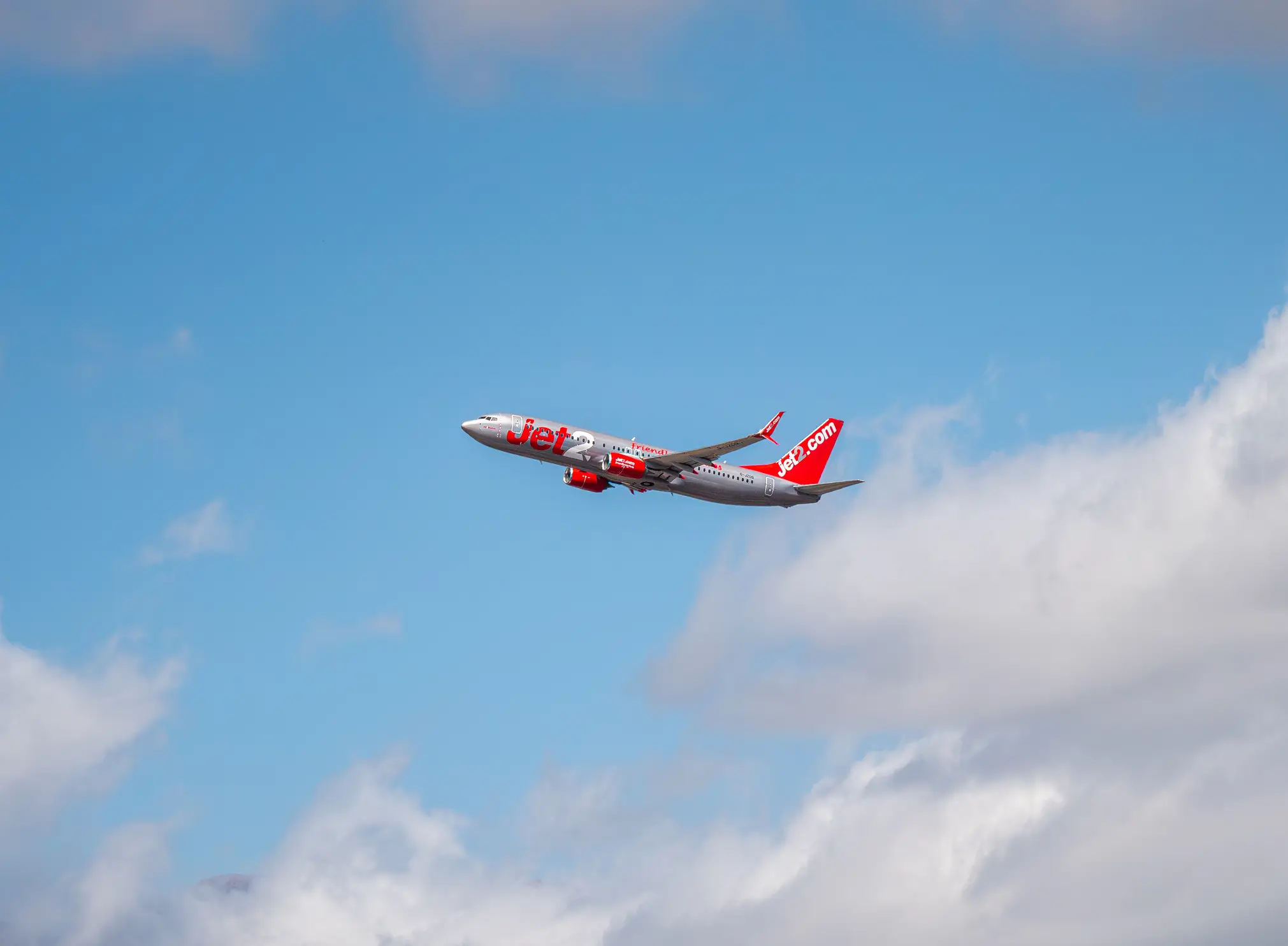
A number of airlines have spoken out to reassure passengers that they’re not expecting disruption, with the likes of Jet2 saying 'all flights are planned to go ahead as normal'.
And easyJet’s boss said they have ‘no concerns’ and that in the aviation industry you only know about the next three to four weeks of fuel anyway.
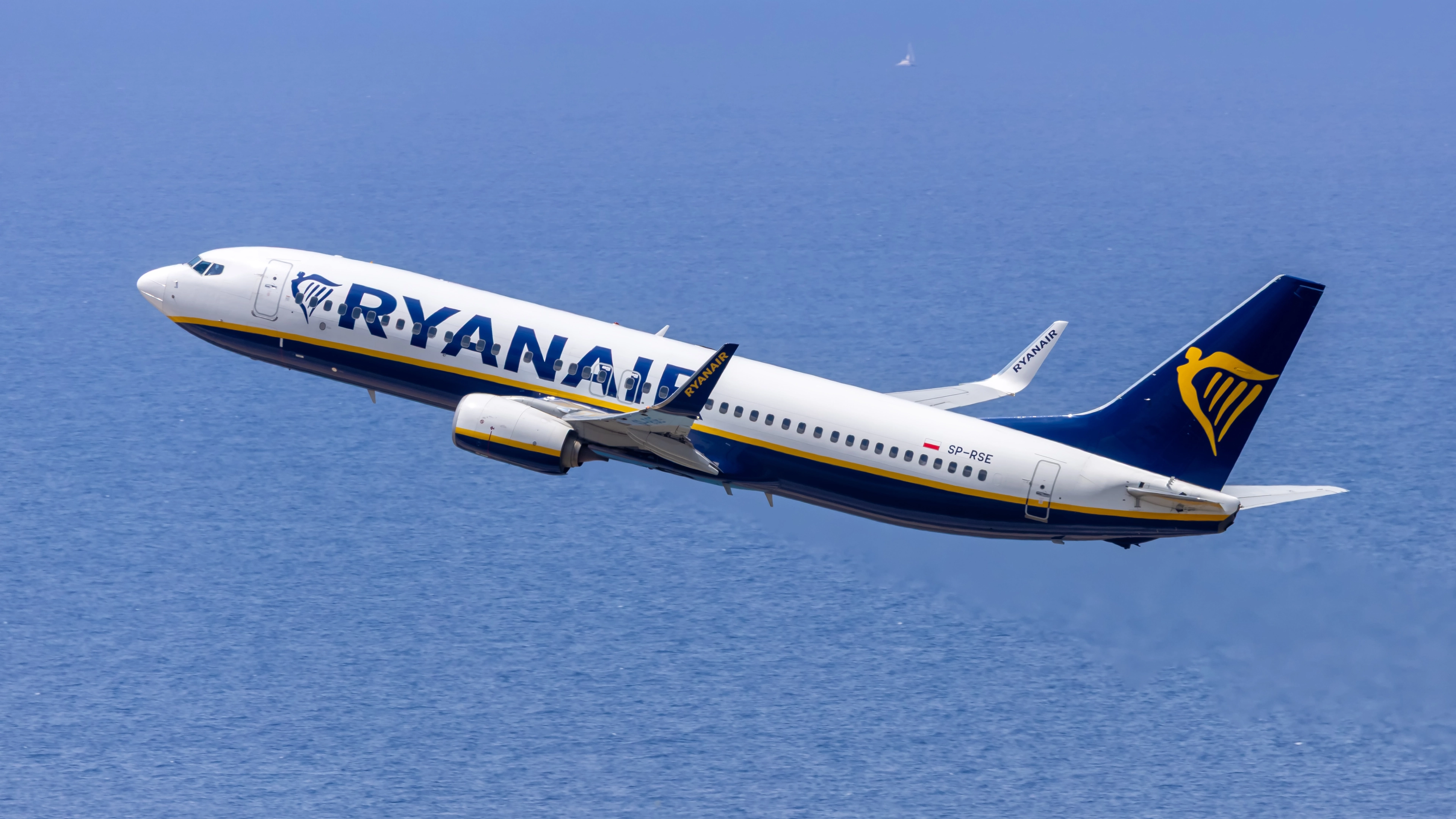
Ryanair boss Michael O’Leary, however, previously warned that they may have to cancel up to 10 percent of flights if the Strait of Hormuz remains closed.
A government spokesperson also said that airlines in the UK ‘are clear’ that they’re not seeing a ‘shortage of jet fuel’ at the moment.
"We continue to work with fuel suppliers, airlines and international counterparts on our contingency planning, to ensure people keep moving and businesses are supported while the conflict is ongoing,” they said.
"Our overriding priority is to de-escalate this conflict, open up the strait and prevent disruption to passengers."
Topics: Travel
 Jess Battison