
Neuroscientist reveals the foods to eat to avoid 'zombie cells' reaching 'tipping point' in your body

Neuroscientist Dr David Cox believes that although people are living longer on average, many are spending fewer years in good health because of poor diets.
The author of The Age Code told The Independent that eating too many ultra-processed foods (UPFs), too many calories and not enough nutrients can speed up ageing and increase the risk of diseases like obesity, type 2 diabetes, heart disease and some cancers.
A key reason is the build-up of what he calls ‘zombie cells’, also known as senescent cells.
These are old or damaged cells that stop working properly but are not removed from the body.
Advert
Instead, they release chemicals that cause inflammation and can even turn healthy cells into zombie cells.
When the body creates these cells faster than it can clear them away, it reaches a tipping point called inflammaging. This long-term inflammation increases the risk of many age-related diseases.
Eat more oily fish
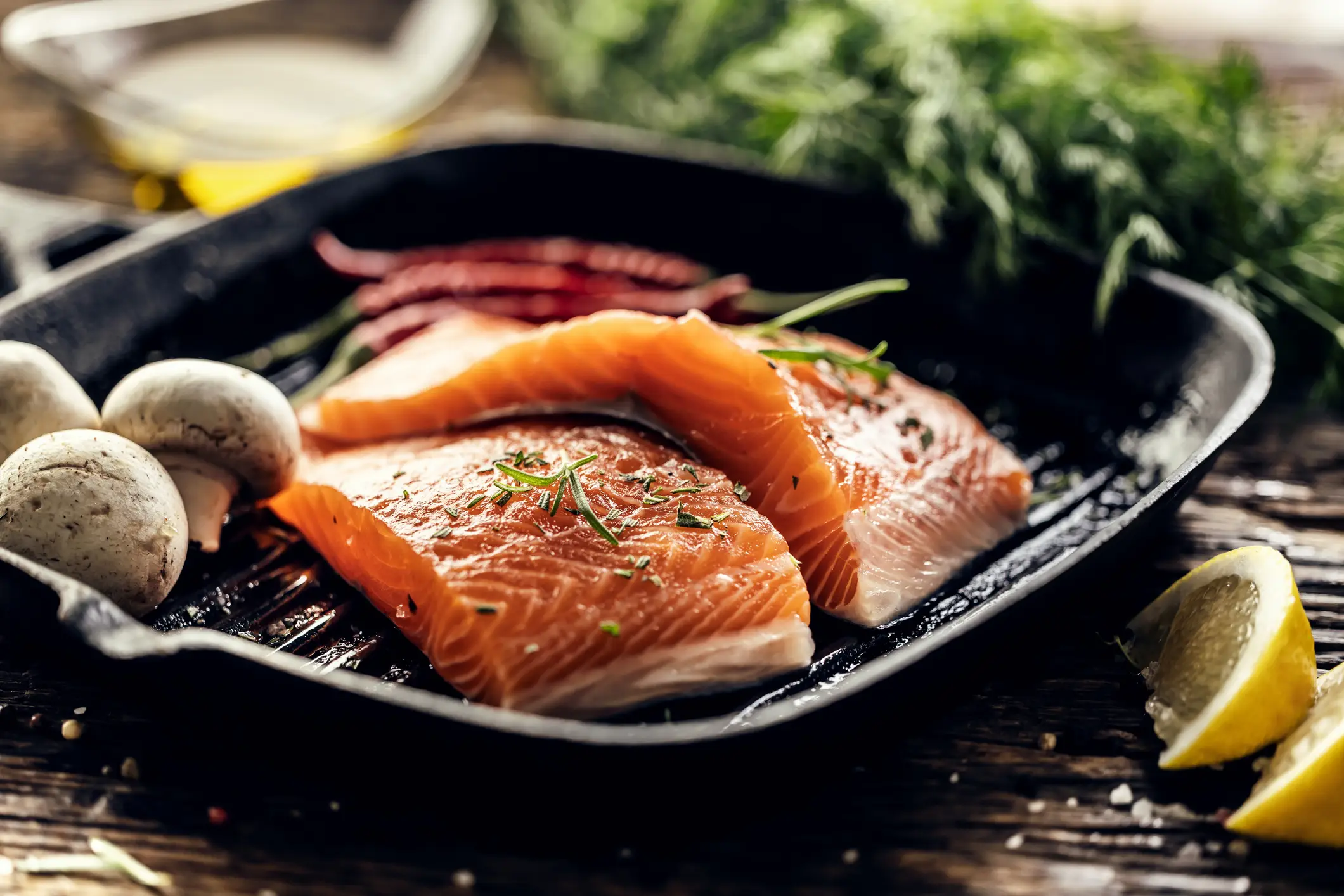
Dr Cox says that eating a healthy diet can slow this process by giving the body the nutrients it needs to repair itself. One of his top recommendations is eating oily fish like salmon or mackerel around three times a week.
“We’ve seen in clinical trials that this much omega-3 is sufficient to slow ageing on a DNA level,” he explained.
“But we now know that omega-3s are also very good at helping our immune cells resolve inflammation.
“And, as we age, they play a really big role in supporting muscle health.
“One of the key reasons why the modern food environment is driving accelerated ageing is that a lot of us, through UPF, are consuming too much energy. We’re bombarding our bodies with more calories than it needs.
“This leads to our body composition changing. We might not realise it, but between the ages of 20 and 40, a lot of people will lose muscle and replace it with this internal fat called visceral fat, which is really inflammatory.”
Change meal times

He also believes that when you eat matters almost as much as what you eat. Instead of having your biggest meal at dinner, he suggests making breakfast or lunch your largest meal and eating a lighter evening meal.
“There was a fascinating study in France looking into tips [around meal timing] for preventing heart disease,” he added.
“They found the two most important things were not skipping breakfast and eating an earlier dinner.
“If you eat a small breakfast, a small lunch and a colossal dinner, as most of us do, your insulin response to help your body process blood sugar won’t be working as effectively in the evening. You’re going to be more likely to gain weight and visceral fat over time.”
Include more minerals and greens
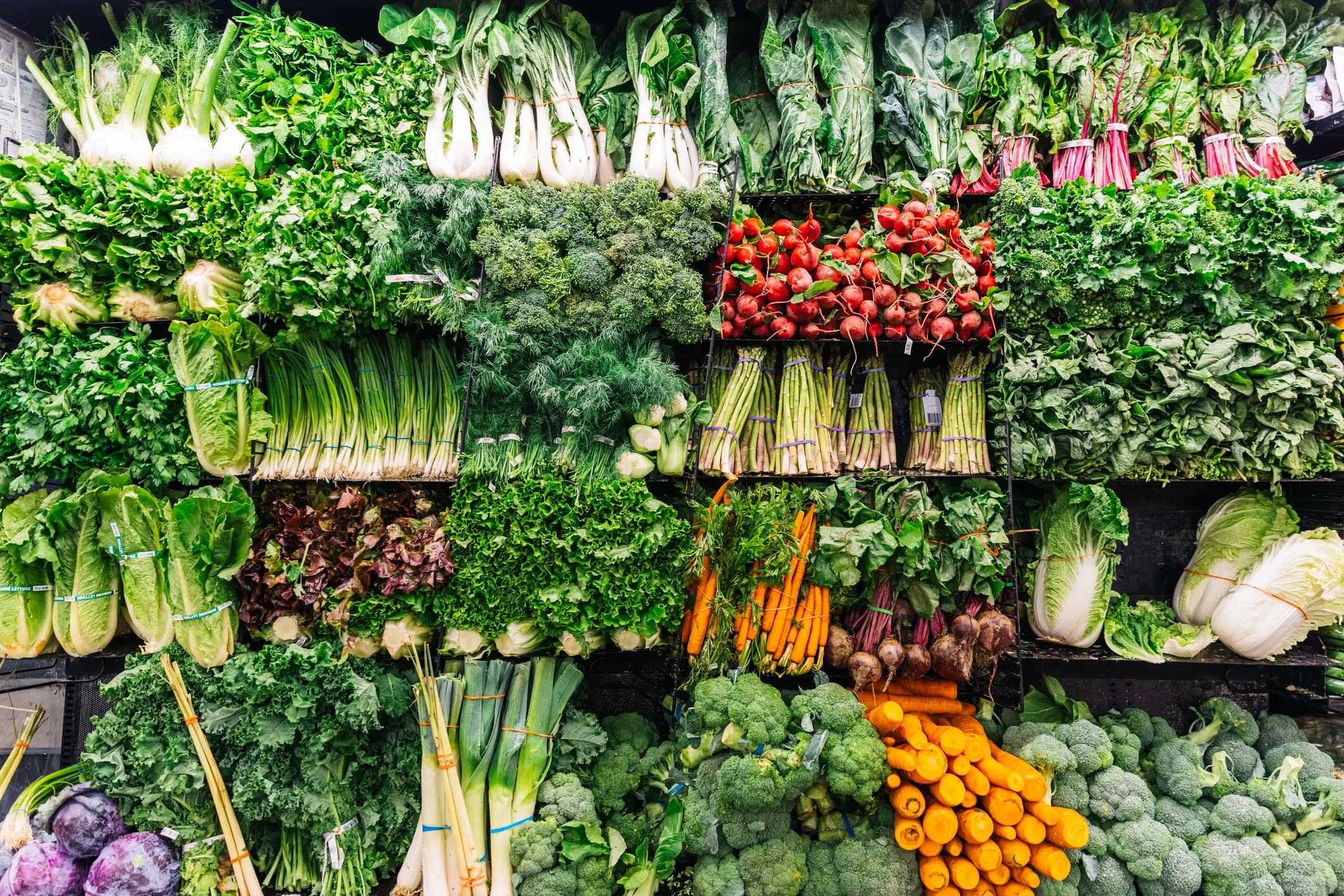
Dr Cox recommends eating foods rich in magnesium and zinc, as these minerals help the body respond better to insulin and may reduce the risk of type 2 diabetes. Good sources include spinach, nuts, wholegrains, meat, shellfish and dairy products. Leafy green vegetables are also important because they contain minerals that help keep the kidneys healthy as we age.
“As we age, our cells become less efficient at responding to insulin, so the pancreas has to work much harder to produce more of it,” says Dr Cox.
“Eventually, you reach a state where the body doesn’t respond to insulin at all, leading to uncontrolled blood sugar.”
Eat colourful fruit and veg
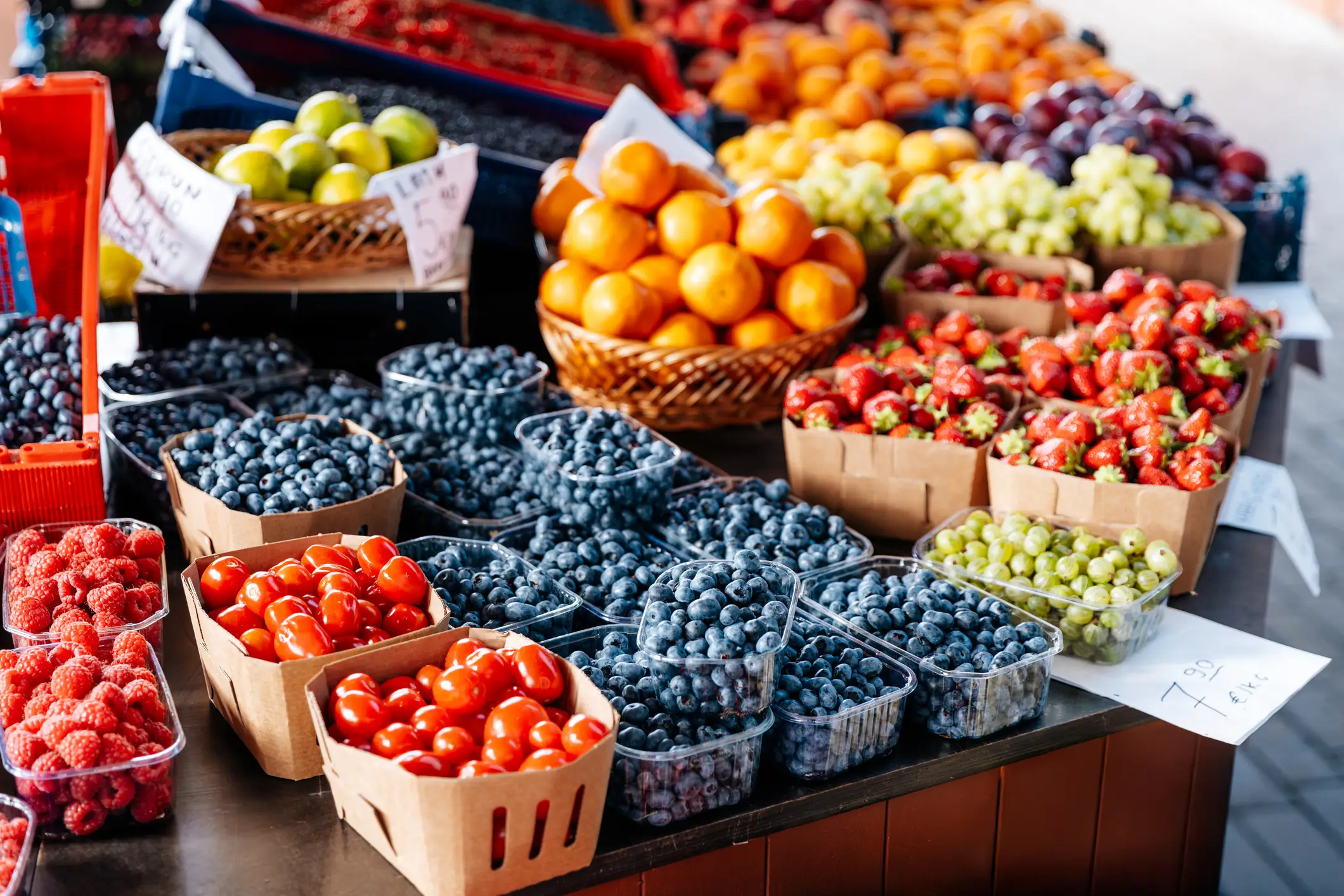
Finally, he advises eating more colourful fruits and vegetables, especially berries, cherries, grapes and red cabbage.
These contain flavonoids, natural plant compounds that help improve blood flow, lower blood pressure and protect the body from damage caused by ageing.
“From the age of roughly 25 onwards, our kidneys start to age much quicker than you would expect,” he says. “By the time you hit 70, many people effectively only have one working kidney.
“The kidneys do all kinds of things; they flush out toxins from your blood and play a big role in regulating acids. But they need enough of the right minerals to help them do these jobs, and many people aren’t getting enough of these minerals in their diets, placing more stress on the kidneys and driving inflammation and ageing. That’s ultimately why we people end up getting chronic kidney disease over time.”
Topics: Lifestyle, Food And Drink
 Anish Vij