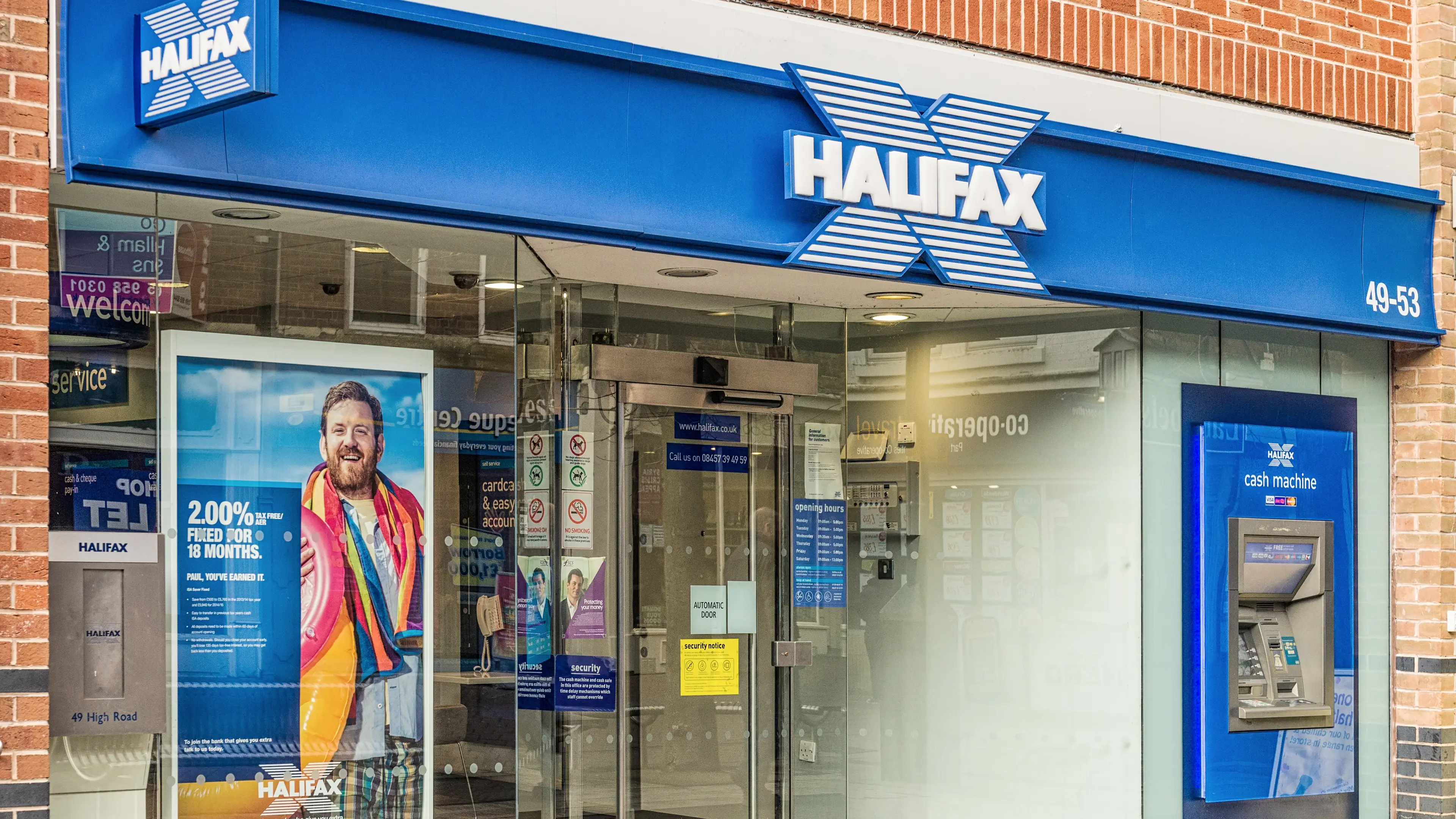
Halifax issues scam warning signs as all account holders prepare for Lloyds move

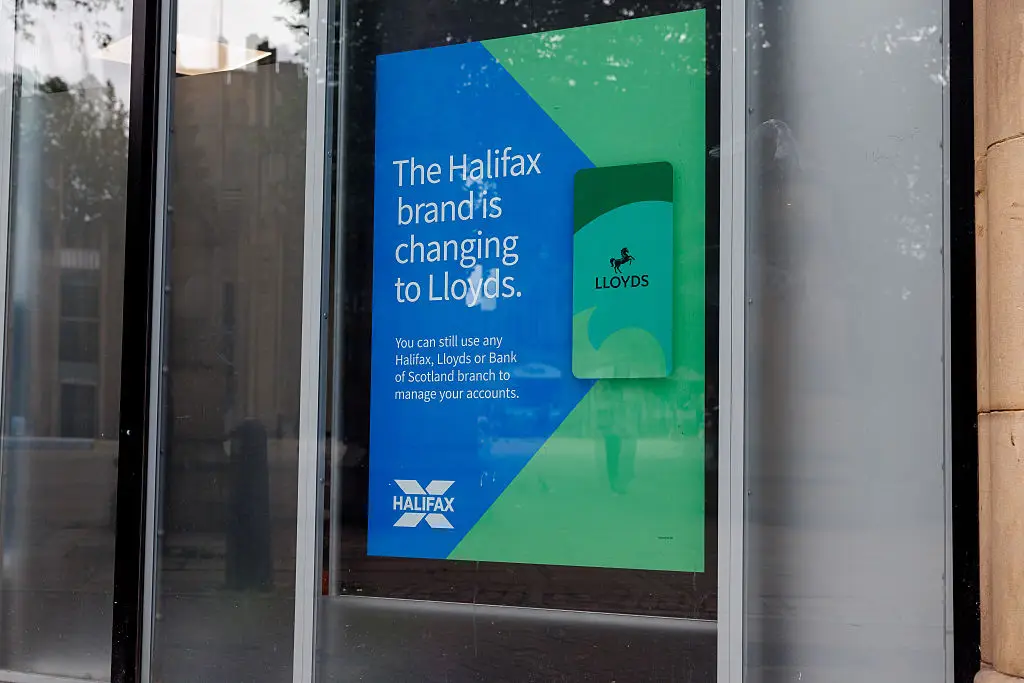
It's the end of Halifax (the bank, not the town) as we know it, with it being absorbed into Lloyds and all customers having their accounts moved over.
Unfortunately, wherever money is moving there are scammers aplenty looking to try and swindle people out of it, and customers have been warned to be on the lookout for attempts to defraud them during the switchover.
The Halifax brand is being retired after 173 years of operation, presumably Howard is being put out to pasture, and since they were bought by Lloyds in 2009 that's where everyone's accounts are going.
Customers don't actually need to do anything as the accounts are moved automatically with account numbers and sort codes remaining the same.
Advert
"Halifax customers will keep everything they know and love today – the same fantastic app design, the same friendly faces in our branches – even the same sort code and account number," Jan Singh, CEO of Customer Relationships, said of the move.
The golden rules to remember
Customers who are affected by being part of the switchover are being sent emails reminding them of what their bank will get in touch with them about, and what they won't.
Halifax have put together a scam warning with a series of 'golden rules' to explain that neither they nor Lloyds will ever contact their customers about certain things.
Your bank will never contact you asking you to do any of the following:
- Share or reset a passcode, password or full banking details
- Move money to another account
- Log in or verify yourself using a link or QR code
- Screenshare your device
If you're contacted by someone who says they're from your bank and tells you to do one of those four things then you can be sure it's a scam.
Halifax said: "Emails from us will always include your name, last four digits of an account you have with us or part of your postcode.
"We might send you links to more information or to our secure app to take you straight to the information you need."
The signs of a scammer
If you know the four 'golden rules' on what your bank won't get in touch asking you to do then you're in good stead, but scammers will try and hoodwink you with a playbook designed to rush you into action.
There are various tactics scammers will employ to try and get you to do what they're telling you before you realise this isn't something your bank would demand of you.
Their tactics include:
- Fear by telling you that something bad is happening
- Urgency to ensure you act immediately or it will get worse
- Pressure by asking you to act without stopping to verify their claims
If they're telling you that you must act now without time to think or check then Halifax says they're the 'signs of a scam'.
Their advice is to hang up or cut off contact right away, and if you don't know what to believe then get in touch with your bank yourself using their app or site, not what someone else directs you to.
 Joe Harker