Halifax and Lloyds send urgent warning over scam which cost the average person nearly £300

Two of the UK's top banks have urged people to be vigilant against ticket scams that could see you lose a whole lot of money.
We're now reaching the height of summer, as a blistering heatwave scorches the United Kingdom, and there will be plenty of in-demand festivals, gigs and sporting events to attend.
Harry Styles is in the middle of his record-breaking Wembley run, while the World Cup is in full swing, and many fans will no doubt be tempted to head out to North America to cheer England on the deeper they go in the tournament.
There's nothing worse than missing out on a ticket for the big show, especially if all your mates are heading along.
Advert
FOMO is very real and that desperation to snag an elusive ticket can lead people to take big risks and ignore warning signings.
Ticket scams are on the rise.
Search for any event on social media and you'll see a near endless series of posts claiming to have 'SPARE TICKETS FOR SALE!' Usually more than the actual capacity of the event itself.
With fake resale sites and QR codes that don't work adding to the confusion, Lloyds and Halifax have provided a useful guide on how to spot a scam.
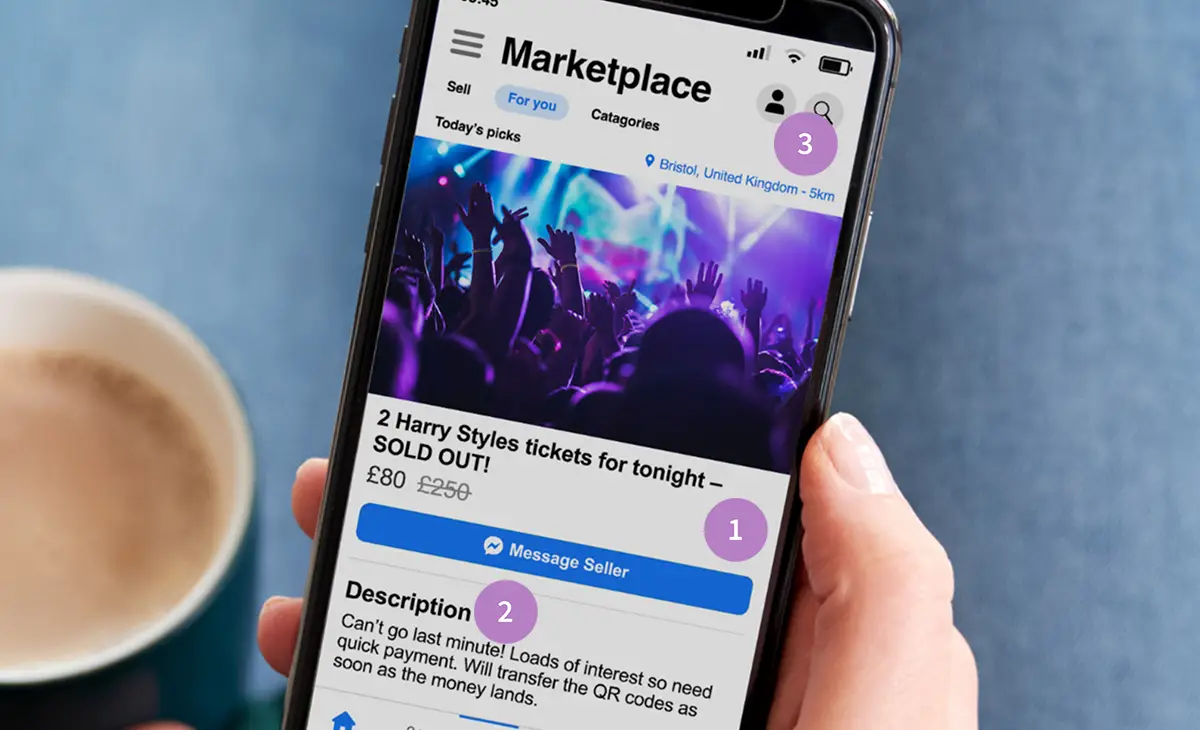
How to spot ticket scams and save hundreds
Halifax and Lloyds have explained how people should approach any potential ticket purchase to ensure they aren't being swindled out of their hard-earned cash.
They advise that three things should be considered:
- Is it too good to be true? If the price seems unrealistically low or if the show's sold out, make sure you double-check.
- It's a warning sign if the seller is pressuring you into paying quickly by bank transfer
- Check the profile - If the pictures look weird and the account looks new with hardly any friends, don't trust it
Instead, the bank advises people to book through official ticket partners and verified resale sites, use a debit card, credit card or trusted payment service such as PayPal instead of transferring the money and try to see that the ticket is real before you pay.
Ticket scams can cost victims hundreds

Getting stung for a £14 club night ticket that turned out to be a scam cut deep, but it turns out the average scam costs victims significantly more than that.
Halifax and Lloyds say the average ticket scam cost their customers £272 in 2025, before even taking costs for travel, hotels or time off into account.
Thousands of victims fell pray to Oasis ticket scams specifically last year, costing an average of £436 each.
“Most of the ticket scams we see start on social media – especially Facebook and Instagram – before the criminal moves the buyer onto WhatsApp and insists on a bank transfer to pay," Liz Ziegler, Fraud Prevention Director at Lloyds said.
“It’s vital that consumers feel empowered to shop safely online. Buying directly from reputable, authorised retailers is the only way to guarantee you’re paying for a genuine ticket.
“If you’re approached on social media or asked to pay by bank transfer, it’s very likely to be a scam.”
Topics: Money, UK News, Social Media
 Daniel Murphy