
First time buyers raise concerns over major catch in new government mortgage scheme

The Labour government has officially announced its Budget plans and it could open the door for first-time buyers to get themselves on the property market.
Much as has been made about the struggles of young people in particular to secure a permanent home in the UK, which has left many spending significant portions of their salary on rising rent costs.
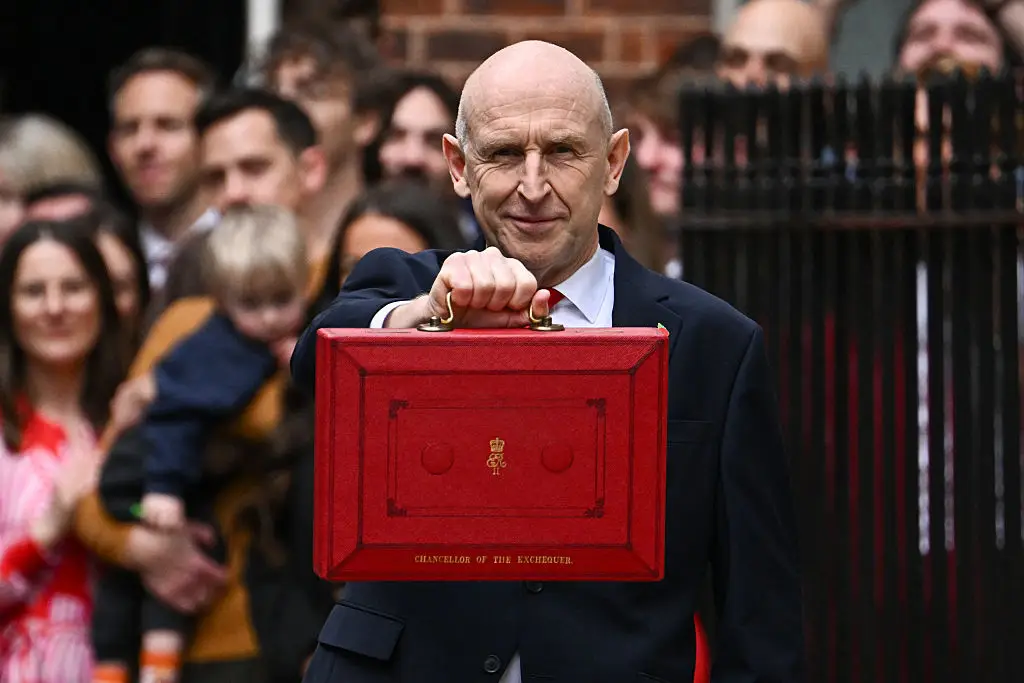
And now Chancellor of the Exchequer John Healey has addressed these concerns as part of his newly announced Budget, where he confirmed a new scheme aimed at first time buyers.
What is the 'Your First Home' scheme?
It had been rumoured that the new first-time buyer scheme would be included as part of Labour's new Budget and Healey set out exactly what it involves in the House of Commons on Wednesday 28 October.
A modified new version of the 'help to buy' scheme and lifetime ISA schemes run by the government, the third iteration will be open for applications from February 2027, while Healey also promised to end the Lifetime Isa penalty for those buying houses that cost more than £450,000.
Advert
In the announcement, Healey said: “I’m announcing that a new First Time Buyer Isa will replace the Lifetime Isa, and from today, I am dealing with the LISA penalty.
“So if the home you want costs more than the limit, you will get back at least what you put in.
“And I’m going further: from next Spring, a new scheme for first time buyers who don’t have the bank of mum and dad behind them.
“Your First Home – an equity loan scheme, which I’m funding today with £4.7 billion of government-backed lending.”
But what do prospective first-time buyers make of the new changes in the Budget?
What do first-time buyers think about the new 'Your First Home' scheme?
Emily, who works as a production editor, suggests that while the scheme is a good idea 'on paper', limiting people to new-build homes can often price out prospective buyers such as herself who live close to city centres.
She said: "After reading the fine print, it’s not something we will be personally using as it only applies to new build properties - something that is unfortunately out of our budget in Manchester.
"However, I can see why it would be good for first time buyers who are able to live at home with family and not pay extortionate amounts in rent and bills - but there are so many people who don’t have this as an option, which is why in general buying a house in the UK feels incredibly unfair to people who don’t have tens of thousands of pounds to spare.
"I think the scheme should apply to properties that aren’t new-builds in order to fairly consider people who can’t afford properties of this type."
The 31-year-old has been hoping to get on the property ladder with her partner for a couple of years now but is continuously priced out due to the rising cost of living and the 10 per cent deposit rules which are currently in place.
She added: "It’s certainly impacted our hopes to buy our own home as it’s often felt impossible with the rising cost of living and just paying for day to day life - as well as being able to enjoy things like holidays and eating out, which is something we’ve cut back on considerably in the last few years."

However, 24-year-old Pip, who also lives with her partner close to the city centre, is more optimistic about the scheme and feels that the government might finally be giving her a 'leg up' when it comes to getting on the property ladder.
She told LADbible: "I think on paper it’s a great idea! It really feels like the government might actually be giving us a leg up, especially for young people who aren’t able to rely on their parents to give them a hand with putting a deposit down.
"It’s especially important that the equity loan is interest free because I feel as though a lot of us still contend with insane amounts of student debt that we’ll never manage to pay off."
Like many others, who have been promised housing from the government before, she remains 'suspicious' about whether the scheme will come to fruition and the impact it could have on the housing market.
She concluded: "I am still a little bit suspicious about if the scheme is too good to be true though, and if the initial deposit being so small will end up inflating property prices due to demand or make it more difficult to move or remortgage in the long run.
"Nevertheless, this scheme feels like a move in the right direction for the Labour Government in recognising housing as a human right and helping young people secure a future and stable housing which I think in turn will strengthen our communities. A way I think they could go further would definitely be to include homes that aren’t strictly new build, I also think that in a broader sense it would be great to educate young people on how this all works as it’s so easy to feel in the dark when considering all the hidden costs of getting on the property ladder."
What does a housing expert think about the Budget plans?
Their concerns about limiting the scheme to new-build homes are echoed by Andrew Boast, director at SAM Conveyancing, who explained why the third version of this scheme could still pose problems for first-time buyers.
He told LADbible: "It''s the start of a very good idea but just ill thought through considering what we learned from and what happened to the help to buy scheme. Forcing first-time buyers to buy properties that are new-build, they are left exposed having to pay the new-build premium, potentially buying areas in the UK where they might not be close to work or their family.
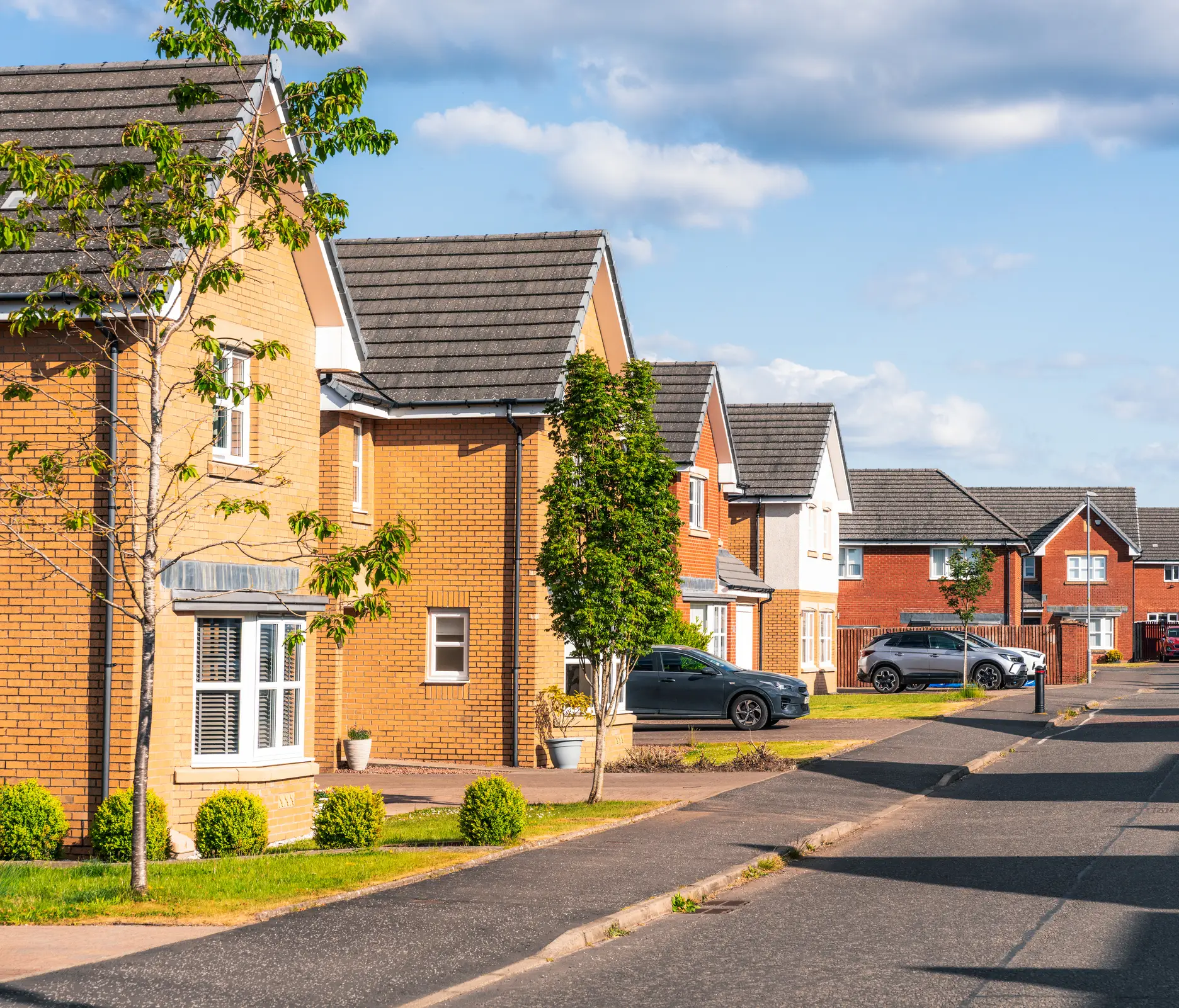
"They're going to be stuck in a cycle of buying a new-build, instead of where I think the scheme could easily be used, which is to buy a property on the second home market. It could be local to you, in a perfect location, which allows you to buy the home that you want while still using the scheme.
"I think that would be a much better way of galvanising the market because it would stimulate the second home movers to buy up and move on. How many time first-time buyers are locked into the first property that they've bought in a one-bed? And now they're having families and are unable to scale up."
The price of new-build homes massively inflated by 70.1 per cent with the first Help to Buy scheme and new builds today command a 40.1 per cent premium over established properties, averaging £396,889 compared to £283,194 for an existing home.
Andrew stressed that this new third iteration has to offer genuine flexibility, where 'it must allow young people to save aggressively when the going is good, but retain the freedom to draw on their own cash when times get tougher, without facing extortionate fines', as we saw previously with the LISA which imposed a 25 per cent penalty on anyone who tried to withdraw their money.
While further details will likely be announced about the scheme and exactly how it works, it seems as if not everyone is on board with what we've heard so far.
Topics: Cost of Living
 James Moorhouse