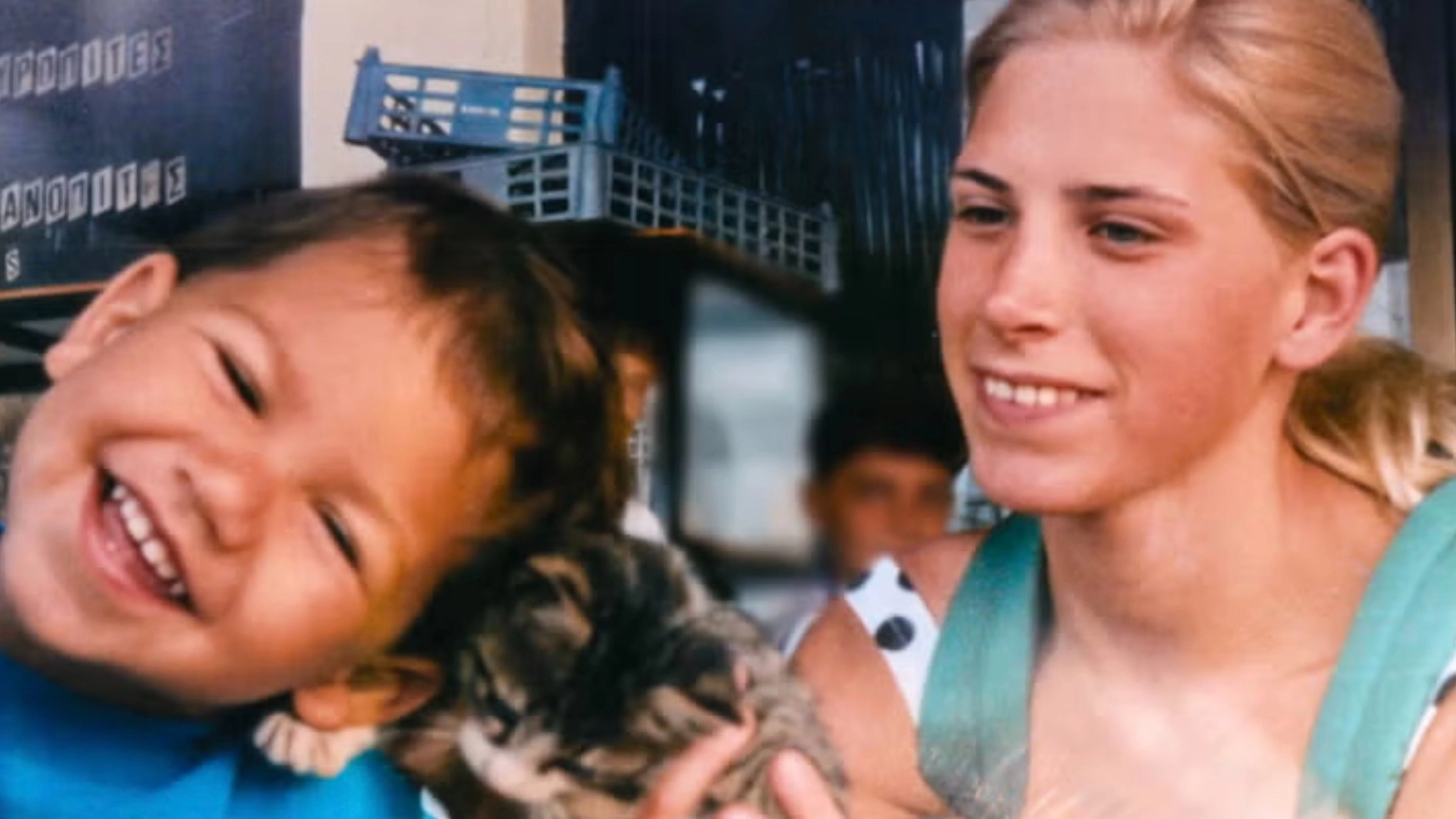
How Silence of The Lambs completely changed investigation into mum stabbed 49 times in front of son

It took 15 years for Scotland Yard to finally bring Rachel Nickell's killer to justice.
An investigation plagued by missed opportunities, controversial tactics and a prolonged focus on the wrong suspect, the 23-year-old mum's murder gripped the country.
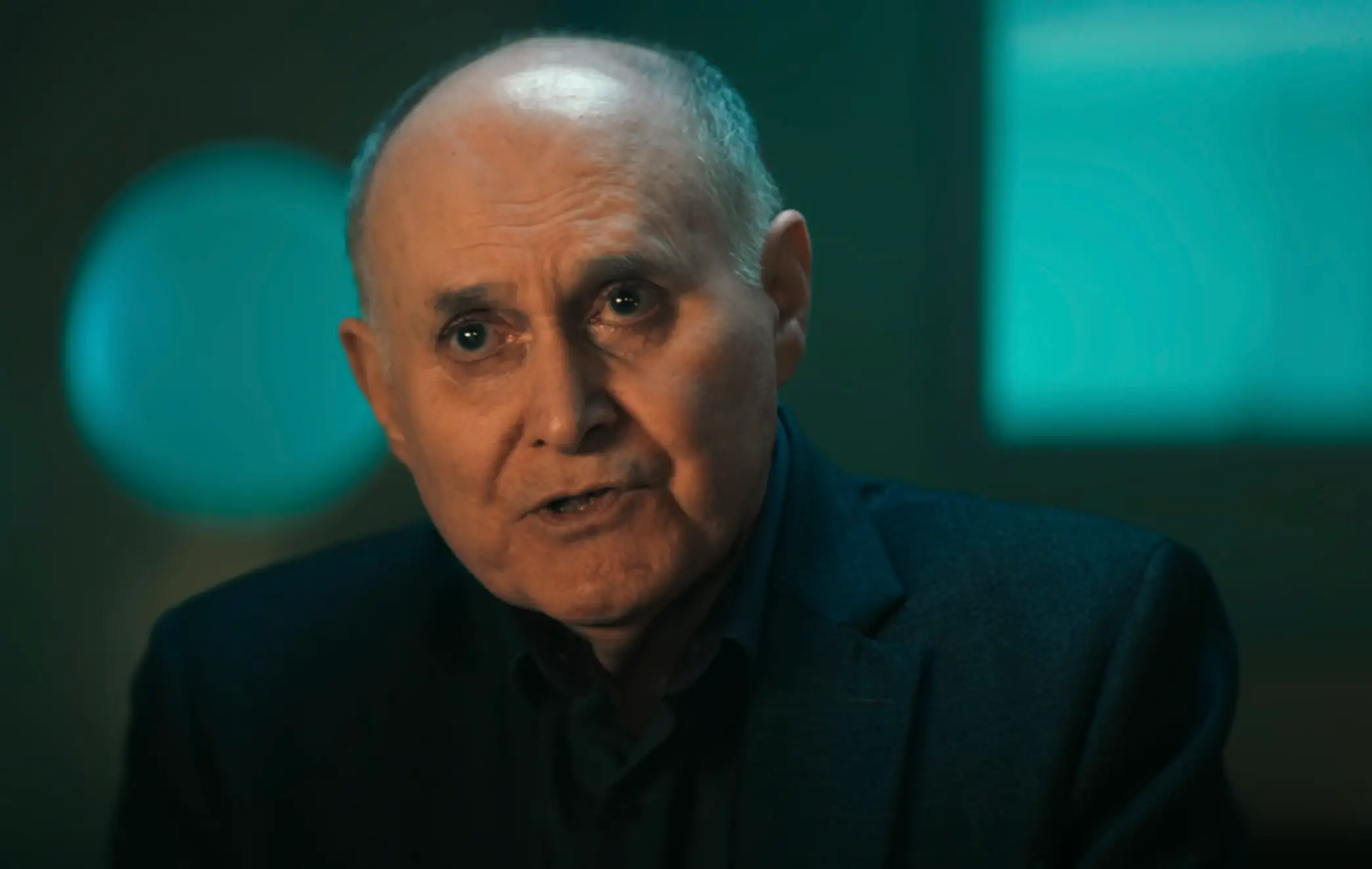
And now, a new Netflix documentary delves back into the Metropolitan Police's inquiry and features a series of compelling interviews with those closest to the case.
The Murder of Rachel Nickell is a documentary which has been released in tandem with The Witness, a three-part drama which retells the tragic tale of Rachel's brutal killing in front of her son on London's Wimbledon Common in 1992.
Advert
The doc also shows how detectives, in a bid to find their man, were inspired by the techniques used in one of the most iconic horrors of the 20th century, The Silence of The Lambs.
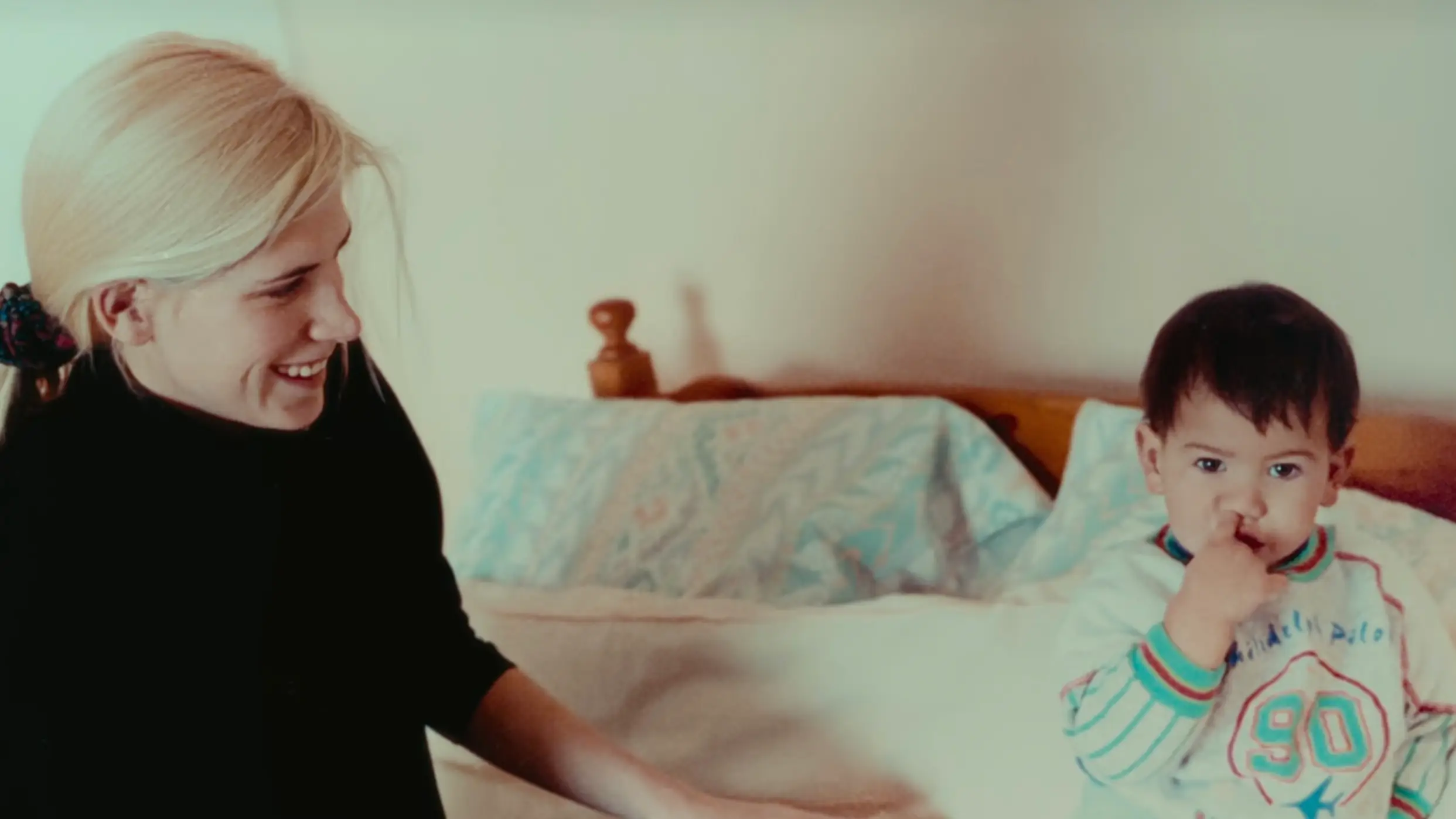
Rachel's two-year-old son Alex was the sole witness - and his father, Andre Hanscombe, told how their toddler was found 'clinging to his mother's body', with police officers having to 'prise him away'.
Recalling how he felt when he first heard the news about Rachel's death, the devastated dad told Netflix viewers: "I collapsed to the floor and broke down. Every belief I had about the firmness of reality, disappeared.
"I was in a state which you can only describe as bordering on the edge of insanity."
Take a look at the trailer for The Murder of Rachel Nickell:
Rachel had been sexually assaulted and stabbed 49 times, leaving a traumatised Alex drenched in his mother's blood. A forensic detective described the crime scene as 'monstrous'.
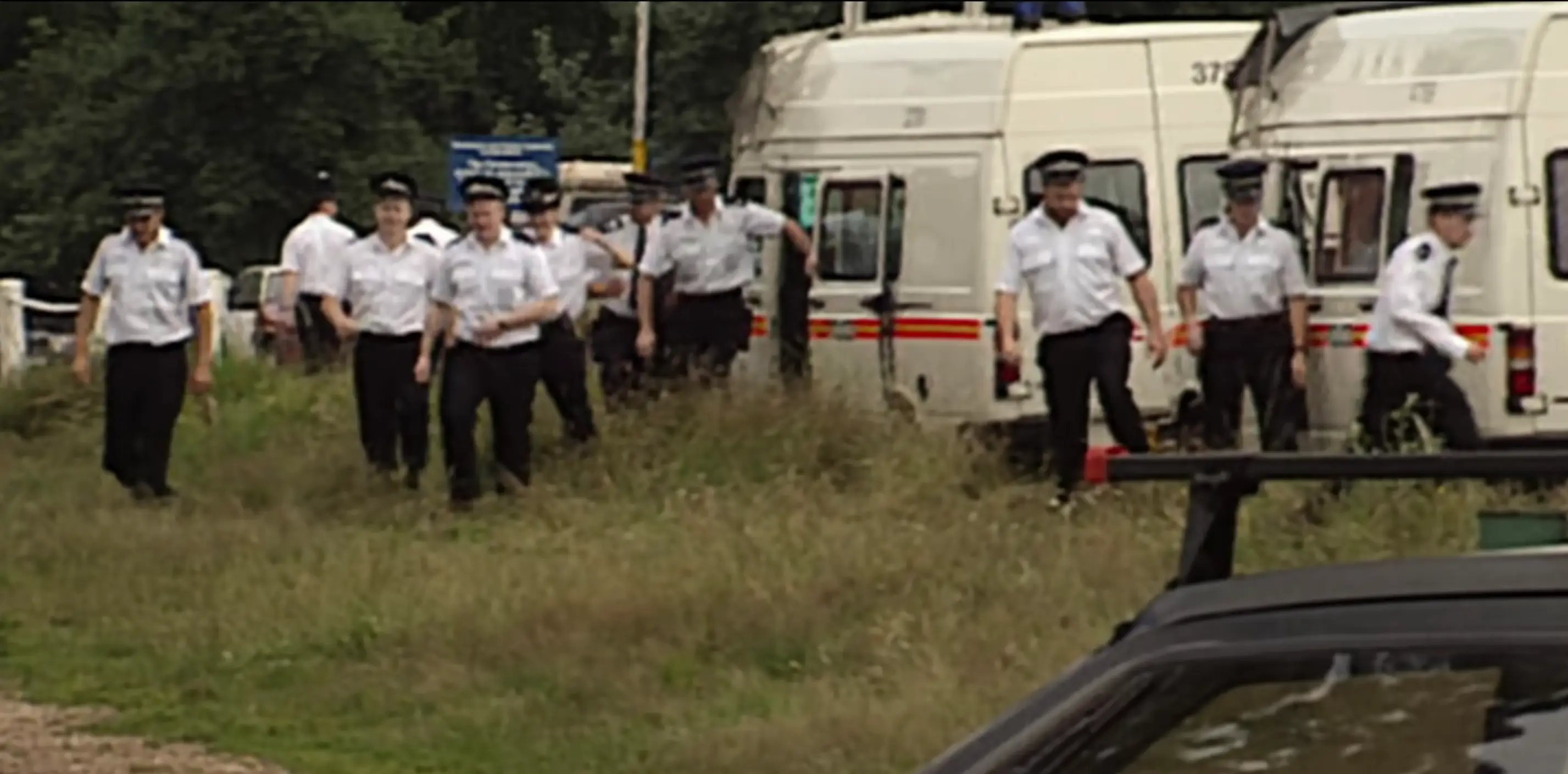
Ron Turnbull, who was one of the first cops to arrive at Wimbledon Common, said: "It really was the worst crime scene. It just looked like a frenzied attack.
"The victim had been attacked, dragged, stabbed 49 times around the neck and chest area. She lay with her hands sort of up in front of her face, as if she was still trying to protect herself. It was monstrous."
The sheer barbarity of the scene left police concerned that the person responsible could strike again if he wasn't apprehended - which is a fear that later came to fruition.
'The pressure is on'
Met Police Sergeant Paul Penrose said the severity of the incident was not lost on them, as he explained in The Murder of Rachel Nickell: "It was frightening to think that somebody who could commit that sort of crime was on the loose. It's likely to happen again...the pressure is on to get this man before he does it again. We had a murder scene with no witnesses, no forensic evidence. That was it. Where do you go from there?"
Penrose said that cops then faced the 'chaos of getting as much information as possible' from people who had been on the Common that morning, while media appeals later ensued.
As detectives were drawing a blank, investigators decided to take inspiration from across the pond - as well as from the 1991 horror film, The Silence of The Lambs.
The disturbing flick follows FBI trainee Clarice Starling, who calls upon serial killer Hannibal Lecter for help in cracking another series of murders.
The Silence of The Lambs arguably introduced members of the public to some of the authorities lesser-known investigation methods, including how experts would use 'offender profiling' to help them identify suspects.
According to Penrose, this film and the work of former FBI agent Robert Ressler encouraged UK cops to use a similar strategy to try and track down the person responsible for Rachel's murder.
Ressler himself headed to London for a 'fly-in visit' to assess the case and offer what expertise he could, before a renowned forensic psychologist based in Britain was later brought on board.
"At the time, we were seeing films such as The Silence of the Lambs, where criminal psychologists work out who their suspect was through offender profiling," Penrose recalled.

"It was thought that we should probably progress the offender profiling idea," he said. "So the most important offender profiler, who had worked with the police before, became involved in this inquiry as an advisor."
This was forensic psychologist, Paul Britton. He told viewers that cops often called upon his services when an investigation became 'stuck in some way'.
Explaining what his role requires, he said: "In each case, the police say, ‘What I want from you is something that will help me to identify a perpetrator, something that will take me closer to preventing this person from doing it again’.
"What they wanted from me was my opinion, a psychological analysis of who might have done this. I have the crime scene materials, the video, the maps of the Common."
The Jigsaw Man author explained that after visiting the scene where Rachel's murder took place, he realised the person they were looking for was 'a watcher and a surveiller'.
"What the offender would be looking for is a place where he could find a victim of opportunity," Britton said. "It’s somewhere where he would be able to observe, to monitor. He waits to find whoever it is who is closest to his preference, and it happens to be poor Rachel Nickell. What you have is a very focused intention to obliterate this young woman."
He explained that a chilling detail made him certain that the killer would soon claim another victim - the fact that Alex had been present.
'He will kill other people'
Britton explained: "If someone is basically saying, ‘You do what I want now, or I’ll hurt the child’ - that changes everything. The child is there as a hostage, as a bargaining counter.
"[Rachel] knows that she is giving up her life for her child’s. I was able to be absolutely clear - he will kill other people. This is not a static picture. This is just a frame in a film that is carrying on."
Colin Stagg was arrested 13 months after her death after he was 'honey trapped' by an undercover female police officer who struck up a friendship with him in the hopes of getting him to confess.
When the contents of the letters they exchanged became increasingly violent and sadistic, cops took Stagg into custody.
But while he was behind bars, the abhorrent murders of Samantha Bisset and her 4-year-old daughter, Jazmine, took place in Southeast London.
As the Met had suspected, Rachel's killer would go on to strike again...but it wasn't Stagg.
Robert Napper was finally convicted of the mother-of-one's murder in 2008, after new DNA evidence emerged connecting him to the crime scene. He was sentenced to an indefinite detention at Broadmoor Hospital.
Despite facing criticism for his profiling matters and wrongly suspecting Stagg, Britton previously said of his work: "I don't manage investigations...I advise the police. What they do with the information is up to them."
One of the original lead officers in the inquiry into Rachel's murder, Detective Inspector Keith Pedder, ironically said bringing the forensic psychologist on board was something straight out of a film script in his eyes.
"To me, the idea of using a psychologist to help solve a crime was the stuff of movies like Silence of the Lambs, not your meat and two veg of criminal investigation," Pedder said previously, as per The Telegraph.
Topics: UK News, True Crime, Documentaries, Netflix
 Olivia Burke