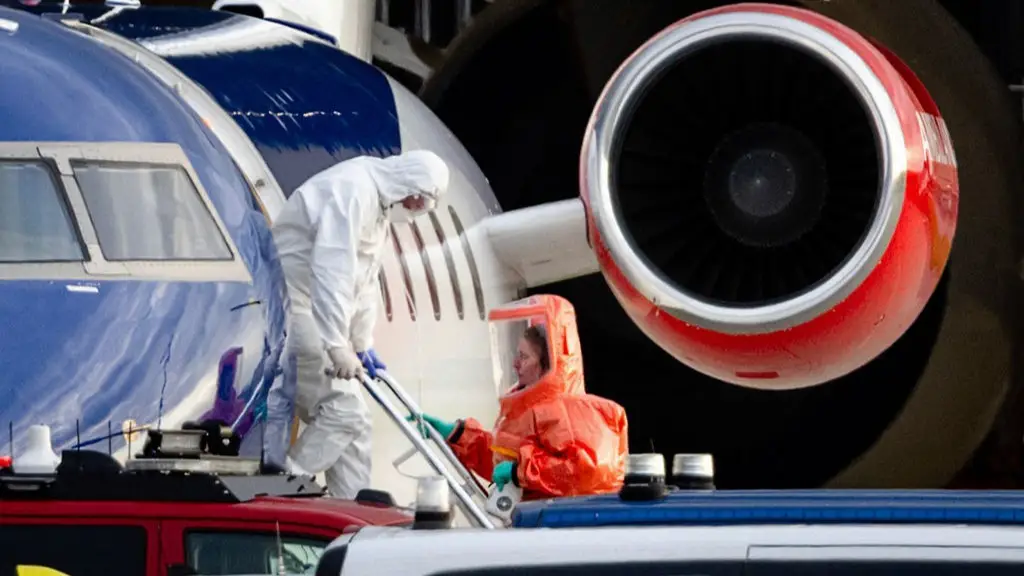
Brit who left cruise ship early missing as five more hantavirus cases confirmed

Health officials are trying to track and trace a British passenger who was on board the cruise ship MV Hondius after more cases of hantavirus were confirmed by the World Health Organisation (WHO).
Cruise ship operator Oceanwide Expeditions said that 30 passengers disembarked the ship at the island of St Helena on 24 April, including the body of a Dutch national who had died on board the ship on 11 April.
Also among their number was his wife, a fellow Dutch national, who fell ill during a flight to Johannesburg the following day and was rushed to an emergency department after arriving in South Africa, though she died the following day.
Among the number of passengers who disembarked at St Helena were seven British nationals, two of whom are self isolating in the UK and another four are still on St Helena.
Advert
However, The Sun reports that one among these seven is not yet accounted for and that the UK Health Security Agency (UKHSA) is attempting to trace them.
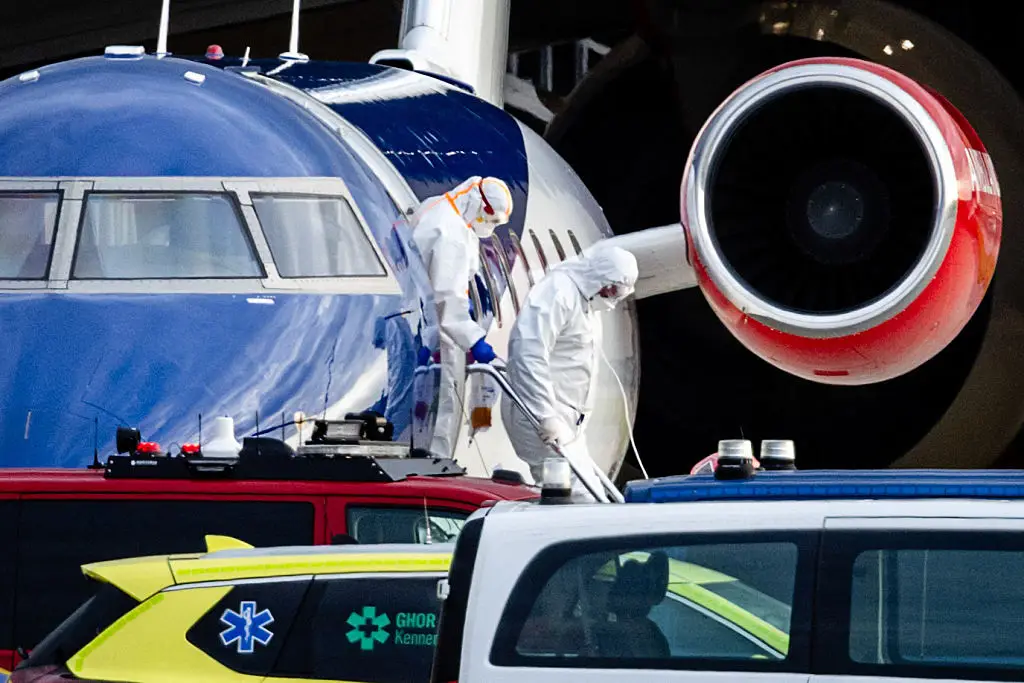
The UKHSA knows this Brit has not returned to the UK, but efforts are ongoing to locate them.
Other health agencies are working to trace the locations of the others who disembarked the cruise ship at St Helena as passengers from a dozen countries left the voyage there.
Professor Robin May, chief scientific officer at the UKHSA told BBC Radio 4's Today programme that 'for the broader public, not directly involved in this cruise ship, the risk here is really negligible'.
However, British passengers still on board the ship will be asked to self isolate at their homes for 45 days once they return.
The Foreign Office has put plans in place to fly the remaining Brits on board back to the UK once the Hondius arrives in Tenerife, which is where it's currently heading towards.
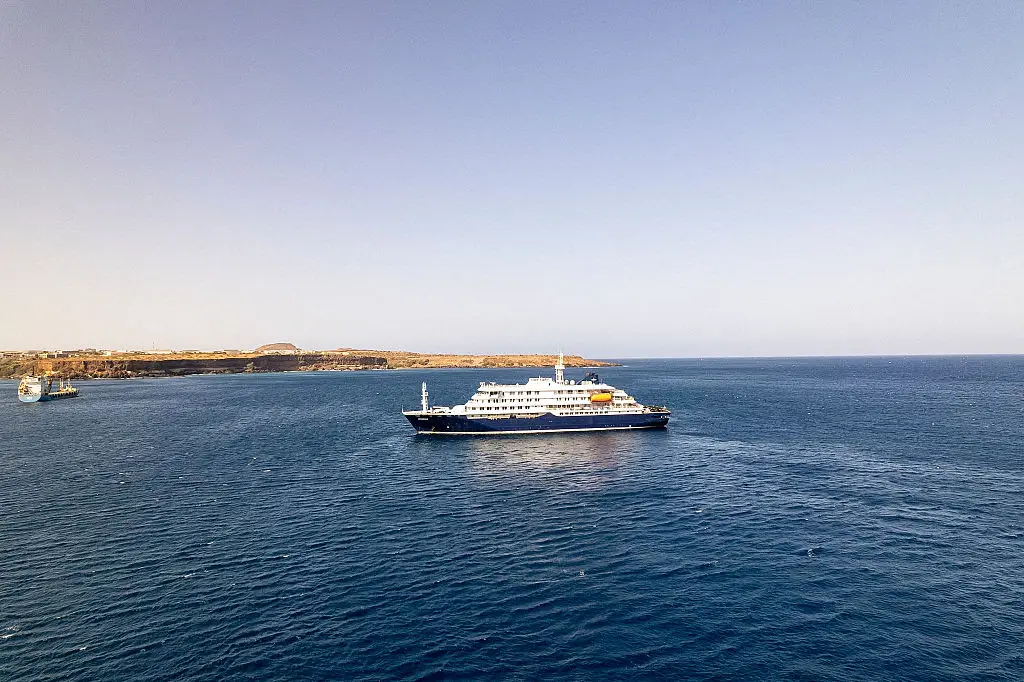
Despite initial concerns, Spanish authorities have given permission for the ship to dock in the Canary Islands.
Meanwhile, the WHO have confirmed hantavirus in five of the eight cases they were investigating and said that they measured 'public health risk as low'.
While this is the Andes strain of hantavirus that can be transmitted between people, Professor May said it was 'actually not that easy to transmit between individuals'.
A 69-year-old British man who had been flown to Johannesburg on 27 April is now 'doing better', though remains in care at a private health facility.
56-year-old Martin Anstee was a Brit who got flown to the Netherlands from the cruise ship, and he told Sky News: “I’m doing OK. I’m not feeling too bad. There are still lots of tests to be done.
“I have no idea how long I’ll be in the hospital for. I’m in isolation at the moment.”
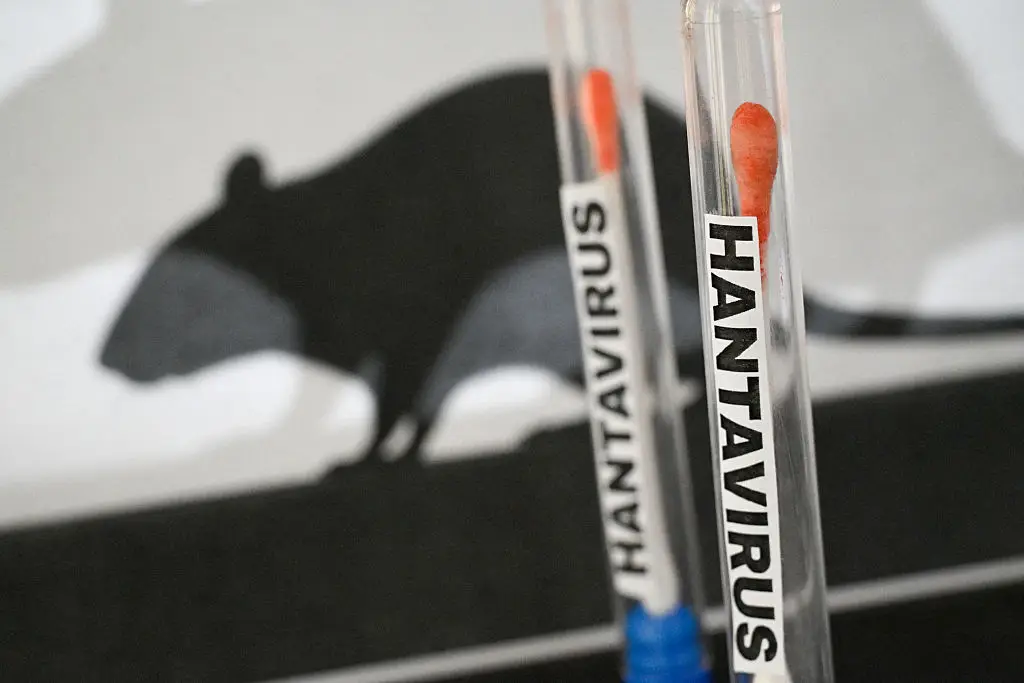
What is Hantavirus – and should we be worried?
Hantavirus is a zoonotic disease, primarily spread through contact with rodent urine, droppings or saliva, often when contaminated particles become airborne and are inhaled.
In rare circumstances, a strain of virus, known as the Andes virus, can spread from human to human.
According to the World Health Organisation, the threat of the virus to the global population is currently considered to be low.
The symptoms of hantavirus
Hantavirus can cause two life-threatening syndromes, according to the WHO: hantavirus pulmonary syndrome (HPS) and hemorrhagic fever with renal syndrome (HFRS).
The early symptoms of HPS, which attacks the lungs, start one to eight weeks after infection, and include:
- Fatigue
- Fever
- Muscles aches
- Headaches
- Dizziness
- Chills
- Nausea and vomiting
- Diarrhoea
Later symptoms include:
- Coughing
- Shortness of breath
- Tightness in the chest
Early symptoms of HFRS, which affects the kidneys, start one to two weeks after infection, and include:
- Intense headaches
- Back pain
- Abdominal pain
- Fever/chills
- Nausea
- Blurred vision
Later symptoms include:
- Low blood pressure
- Internal bleeding
- Acute kidney failure
Topics: Cruise Ship, Travel, Health, UK News
 Joe Harker