
Extreme physical changes to Artemis II crew's body after 10 days in space

The Artemis II crew is set to land back down on Earth tonight after their groundbreaking space voyage but their perspectives won't be the only things that will be changing.
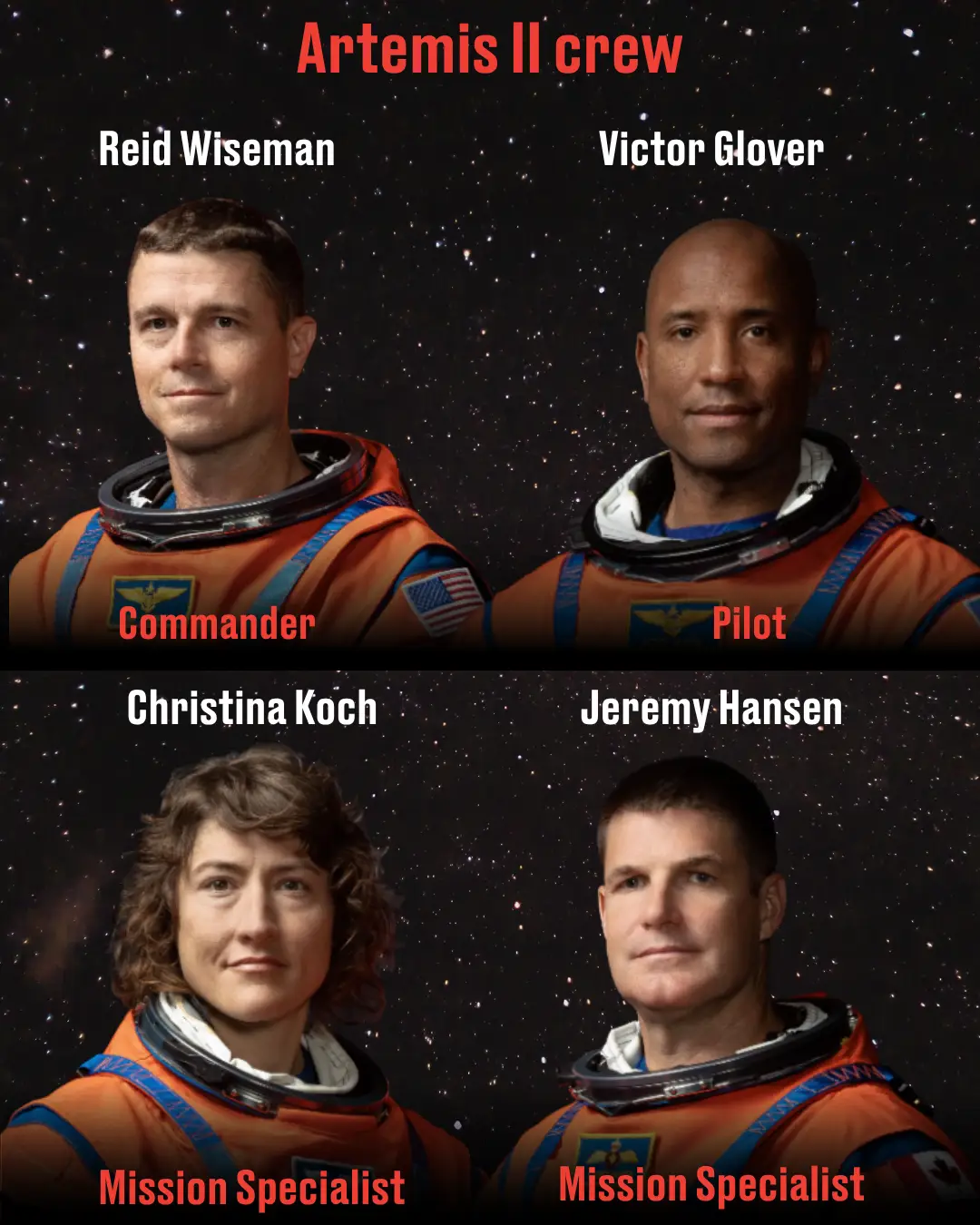
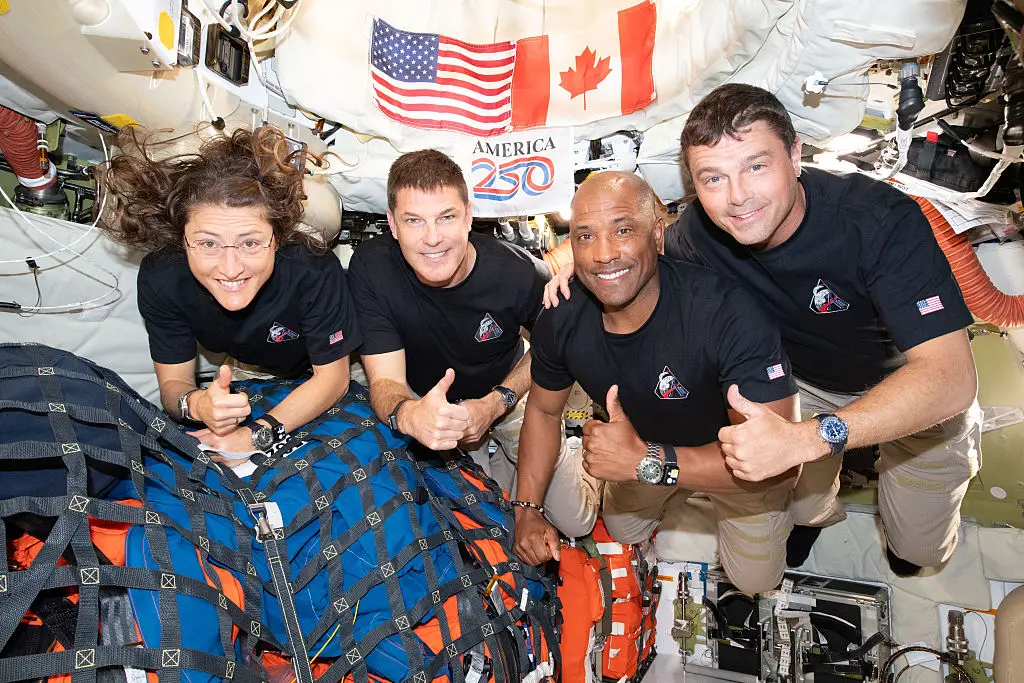
A four-strong crew consisting of commander Reid Wiseman, pilot Victor Glover, mission specialist Christina Koch from NASA, and mission specialist Jeremy Hansen from the Canadian Space Agency set off to go further than humanity has ever gone before earlier this month.
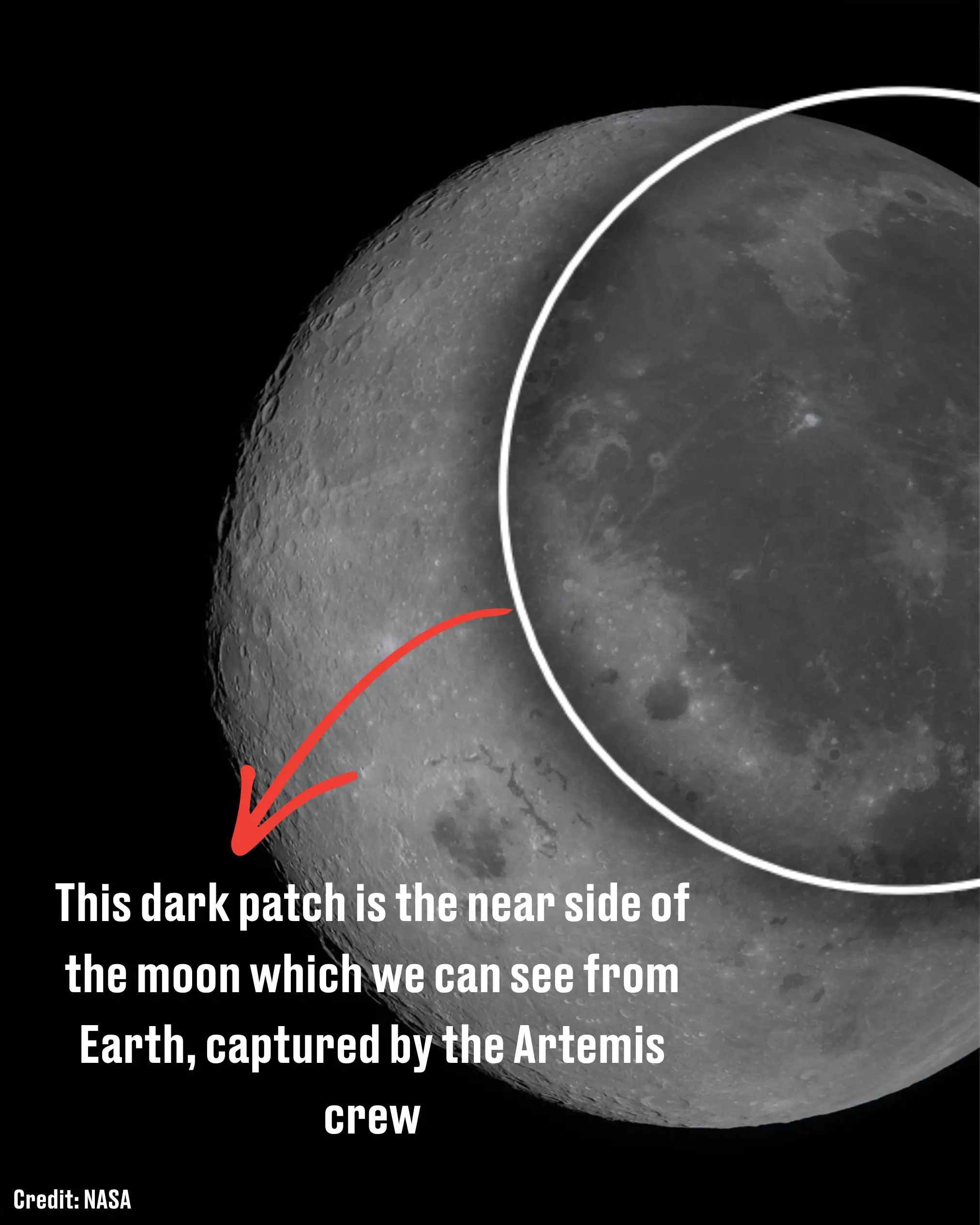
More than 50 years since we last visited the moon, the crew managed to go to the far side of it, taking a photo with literally every other living human inside of it, which perhaps highlights just how insignificant we all are in the greater context of the universe.
Advert
Astronauts often have their lives changed by visits to space, hell Katy Perry probably had hers changed by spending 10 minutes there, but sometimes the changes are not always for the best.
As we saw with the space voyagers who became stuck in space for nine months, the body can sometimes take a while to get used to being back on Earth, with the lack of gravity meaning that muscles can weaken significantly.
And now experts have warned about the extreme physical changes that Wiseman, Glover, Koch and Hansen could go through upon their return to the Earth's atmosphere, suggesting that the lack of gravity and sunlight, as well as the different levels of radiation, could pose a real problem.
Outside of the Earth's atmosphere, the astronauts are exposed to a higher level of radiation, which can lead to DNA damage, increased cancer risk, neurodegenerative effects, cardiovascular issues and immune system dysregulation, and the further you go, the worse it gets.
Dr Haig Aintablian, director of space medicine at UCLA told Sky News: "Once you go beyond low Earth orbit, you lose much of the protection of Earth's magnetic field."
NASA suggests that people in space can experience muscle atrophy and regular headaches, while prolonged periods can result in our bones becoming less dense.
"The body is built to live and work in gravity. When that gravity signal is removed, the inner ear has to recalibrate, muscles and bones are used differently, and fluids shift upward toward the head," Dr Aintablian says.
"That is why we can see changes in balance, strength and, in some cases, vision.
"Some changes can take longer to recover from, and a few, particularly involving vision or bone, can persist beyond the mission," he adds.
Fortunately, this was a relatively short mission so the Artemis II crew shouldn't take too long to re-adjust to life with gravity when they're expected to splash down at around 1am UK time this morning, while the risks of other health concerns should hopefully be relatively low.
But considering this mission has been designed with the long-term goal of sending humans to Mars, or even finding another planet to live on, scientists will have to work out a way of preventing these issues in missions that take humans further away for longer.
 James Moorhouse