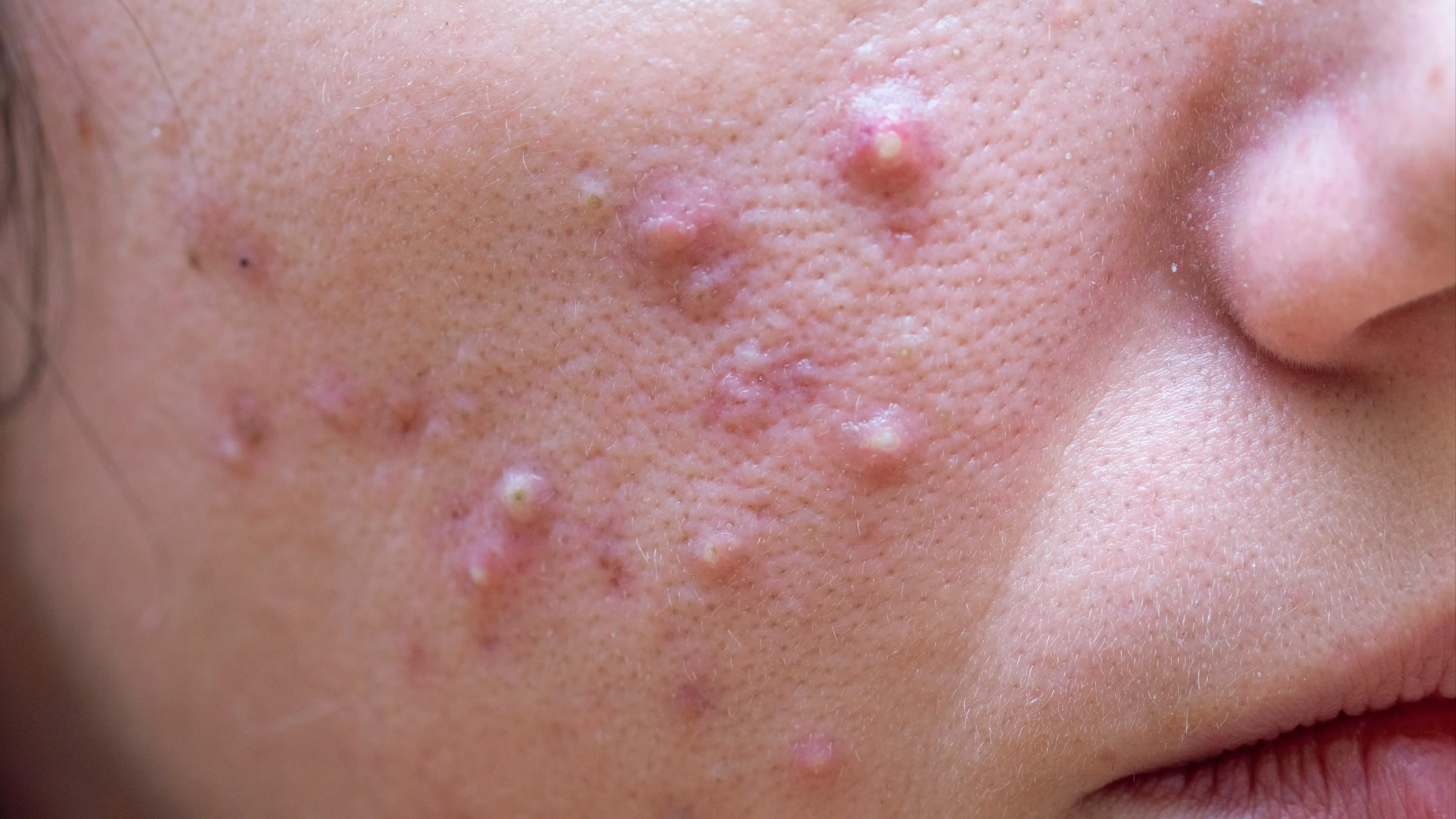
Dermatologist says there is one type of spot you should never pop on your face

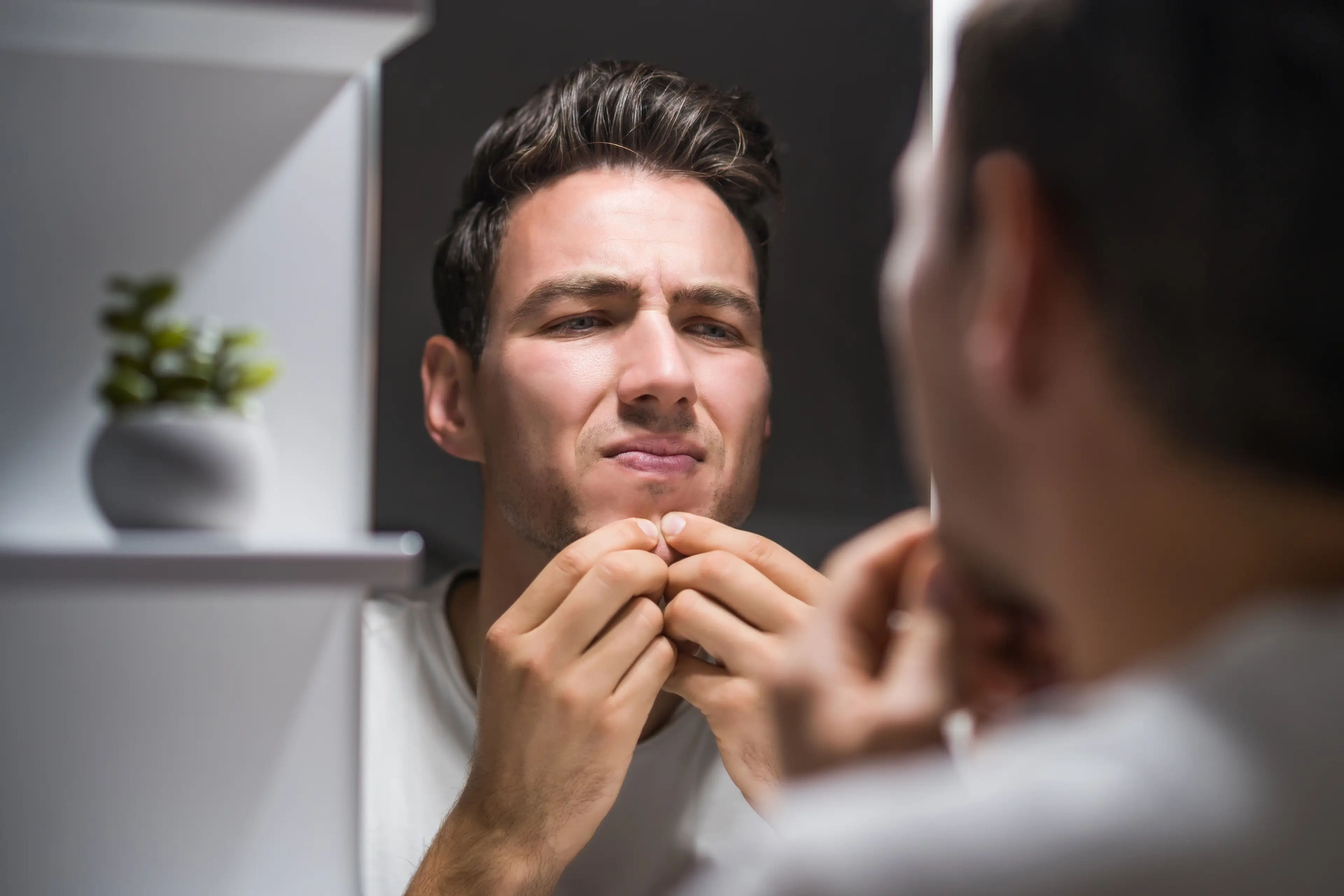
Despite being told we shouldn't mess with our spots, a lot of people simply can't resist popping the pimples that appear on their faces.
But no matter how tempting it may be, there are certain zits that you should never 'mess around with', according to this dermatologist.
Skincare guru Dr Samantha Ellis urged people to 'choose your battles wisely' when it comes to trying to clear up their complexion.
We've already been warned not to interfere with the 'blackheads' on our noses, as well as to steer clear of popping anything in the infamous ‘triangle of death’.
Advert
And Dr Ellis - who is a board-certified medical and cosmetic dermatologist, as well as the founder of skincare brand Prequel - now wants to warn us off messing with 'cystic' pimples.
In a TikTok which was originally shared last year, she told her more than 300,000 followers to leave the larger types of spots that develop under the skin well alone.
"Do not mess around with pimples like these," Dr Ellis said. "As a dermatologist, I would consider this cystic. It is deep, it's like an iceberg.
"We're seeing 10 per cent of it on the surface of the skin, and the rest is down below," Dr Ellis added.
According to Aurora Health Care, the spots that Dr Ellis is referring to fall under the 'inflammatory acne' category.
It explains: "It occurs when pores in the skin become blocked, usually with excess oil (sebum), dead skin cells and bacteria, leading to deep infections in the skin.
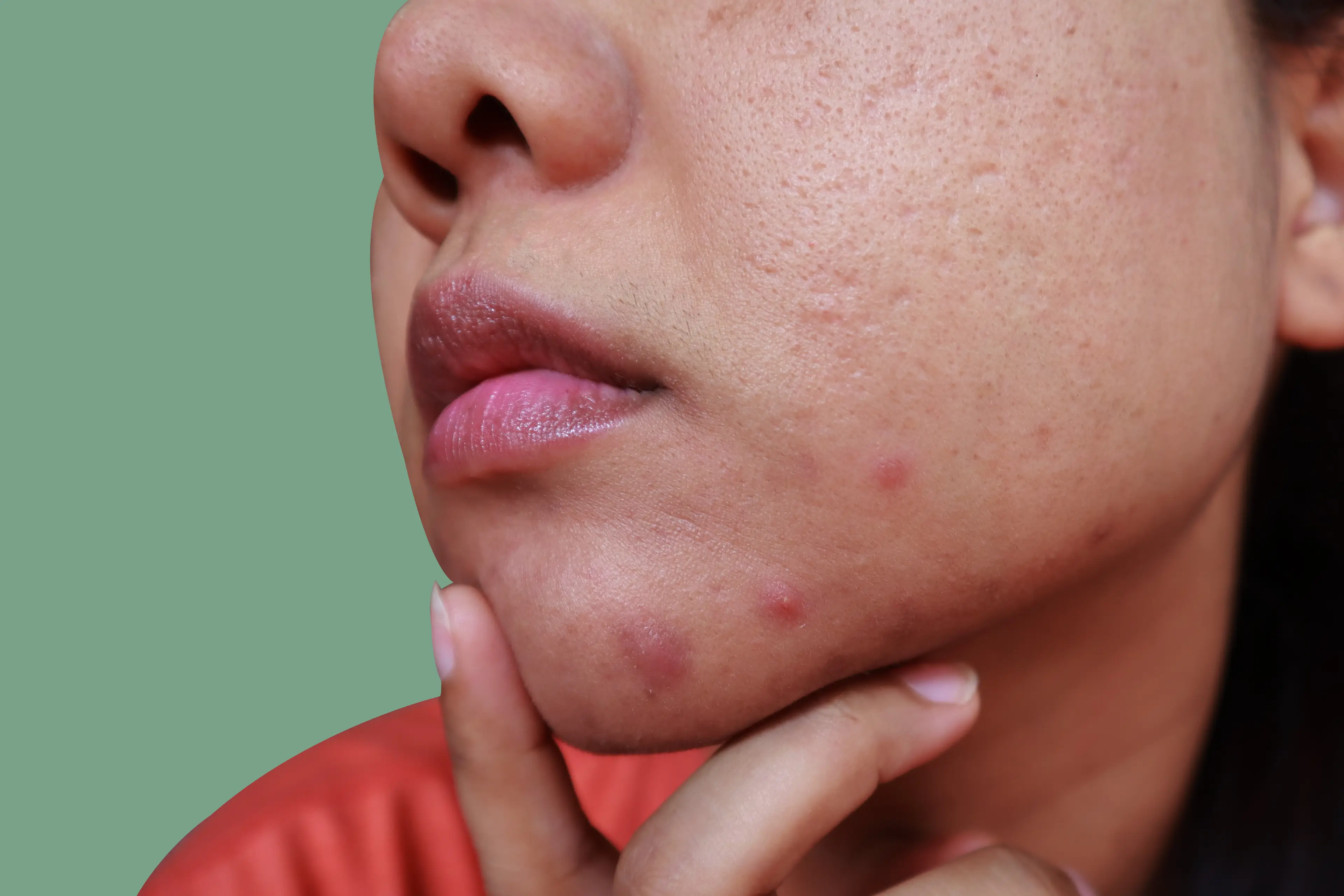
"It’s common to find cystic acne on your face, but it can appear anywhere on your skin, including your back, chest and shoulders.
"These painful cysts may be as large as a quarter and can last weeks or months without treatment. Mild cystic acne might include just a few acne lesions, but severe breakouts can cover large areas of your skin."
Experts explain that cystic acne is 'usually triggered by hormonal changes, which can ramp up oil production in your skin'.
Although it is often seen in teenagers going through puberty, adults can get it too - especially women, who may see a flare-up during their menstrual cycle, pregnancy or menopause.
Aurora Health Care also attributes oily makeup or skincare products, certain medications, and a family history of acne as causes of it - while adding that it can be 'difficult to treat'.
In her TikTok video, Dr Ellis went on: "I know, sometimes these are the most tempting to pop. They are painful, they feel juicy, like, it feels like it's going to be satisfying, but it won't be.
"Because of how deep these are, when you squeeze on this, the chance that you get most of that gunk out is actually pretty low.
"And what you're really going to do is drive that stuff deeper down into the skin, which increases your risk of inflammation, irritation and permanent scarring."
If you're looking for a solution to help calm your cystic acne down, the American Academy of Dermatology (AAD) has a few recommendations.
Again, the skincare experts warn that we need to keep our 'hands off' pimples, just in case it slipped your mind.
However, you can try and quell your spot by applying a damp, warm washcloth in an attempt to bring it to a head - but still, no popping.
According to the AAD, topical medications with 'acne-fighting ingredients' - such as adapalene, azelaic acid, benzoyl peroxide, or salicylic acid - can help target pimples on the surface of your skin.
If all else fails, you can always check in with a dermatologist to address your skin concerns.
 Olivia Burke