Eyebrows were sign of 2-year-old's 'dementia' diagnosis

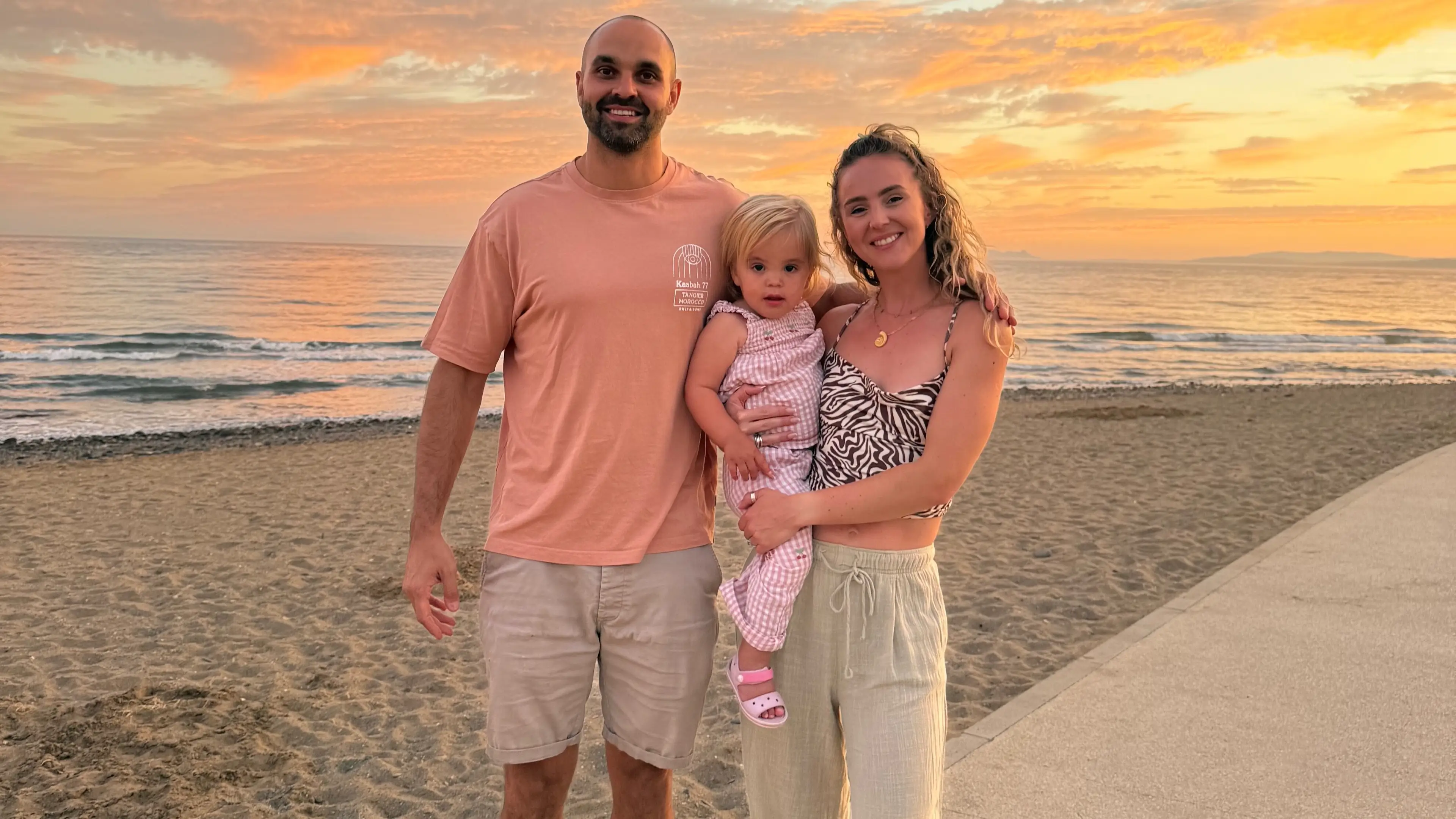
Two-year-old Leni Forrester has been diagnosed with Sanfilippo Syndrome Type B (MPSIIIB), a rare genetic condition often described as 'childhood dementia'.
Parents Gus and Emily Forrester say they are in a 'race against time' to raise funds so Leni can access new life-saving treatment this year.
“It is every parent's worst nightmare,” Emily, 33, told ITV News.
“All of us have a family member who’s been affected by dementia. Childhood dementia is no different. It’s just much, much worse - because it’s your kid,” professor Brian Bigger at the University of Edinburgh said.
Advert
Sanfilippo Syndrome, a rare genetic disorder, gradually damages the brain, causing children to lose their ability to walk, talk, and eat, with most not surviving beyond their early teens.
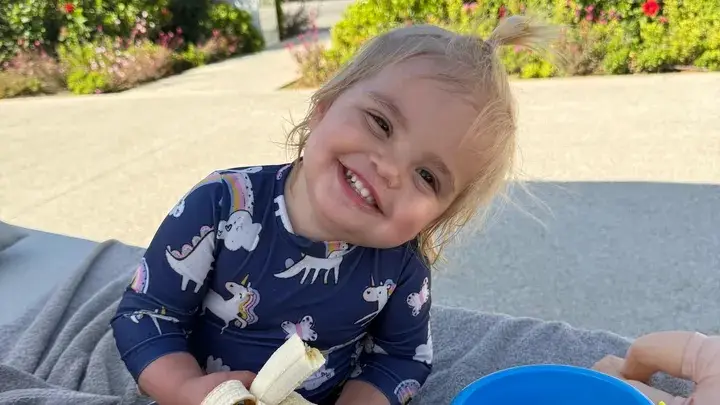
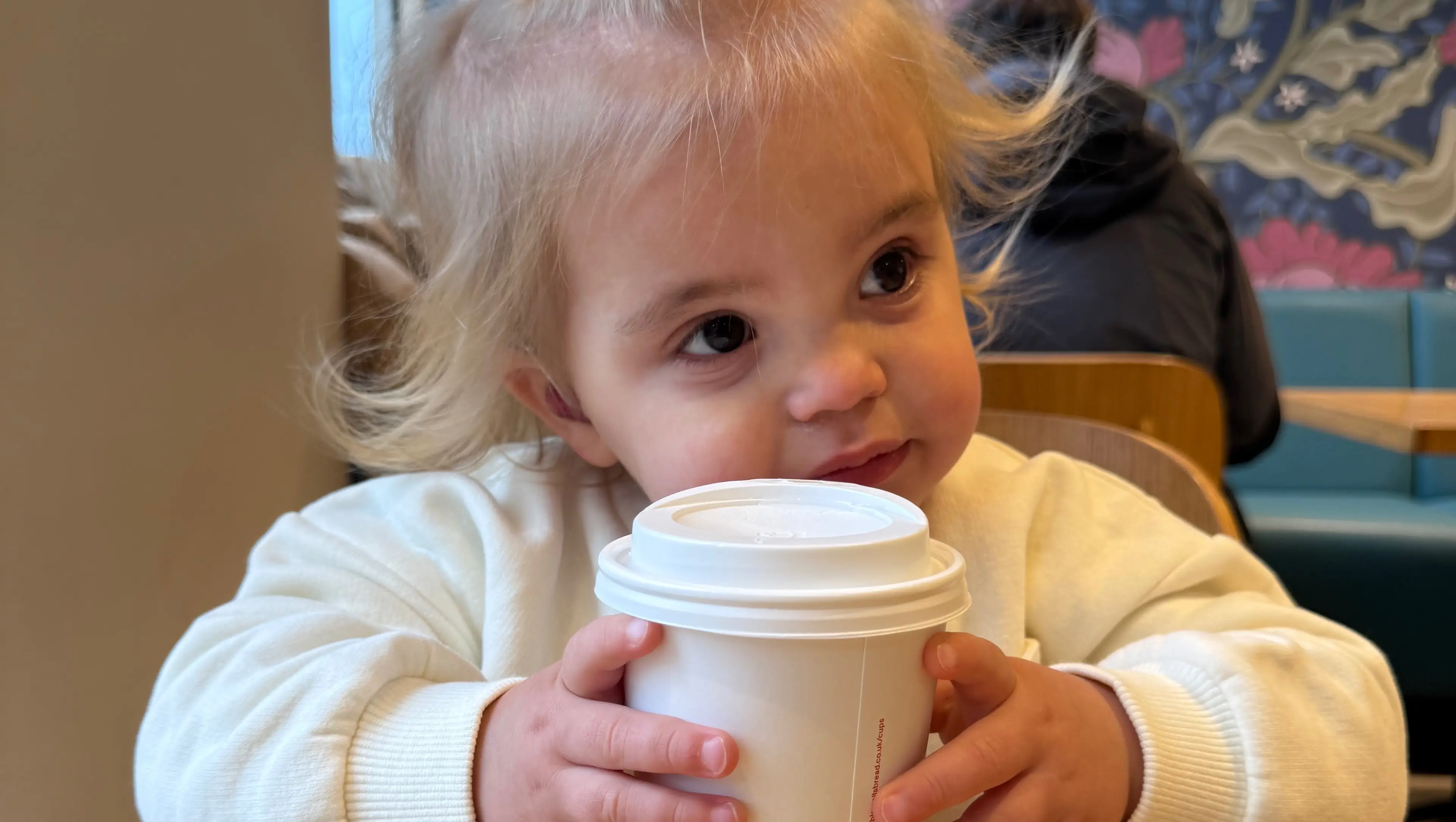
Some features associated with the disorder include bushy eyebrows, thick eyelashes, and full lips, Emily said to the Mirror.
The possibility of a genetic issue first came after Emily’s sister discovered she carried the NAGLU gene, which is linked to Sanfilippo Syndrome. This meant there was a 50 percent chance Emily was also a carrier. For a child to develop the condition, both parents must carry the gene, which is extremely rare.
Gus then took a private genetic test, which incorrectly showed he was not a carrier.
However, the private test had missed an extremely rare gene variant that Gus carried - one that had never previously been linked to Sanfilippo in medical databases.
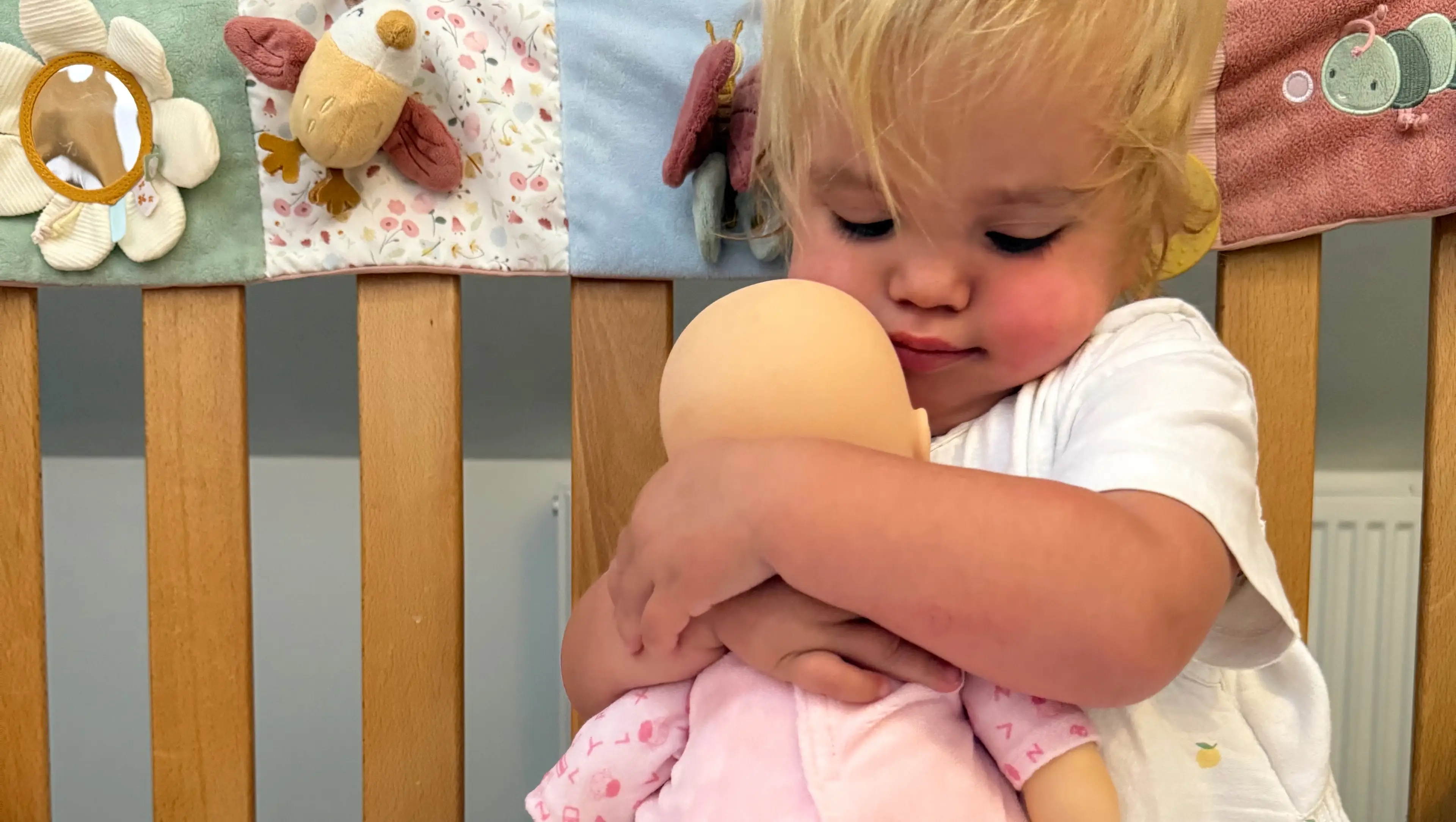
Just before Leni’s second birthday, Emily and Gus received the devastating news that both were carriers and Leni had Sanfilippo Syndrome.
While there is currently no cure, the couple are urgently trying to raise millions of pounds to help bring a gene therapy trial in the US forward before Leni loses the ability to do normal things.
“Early treatment is key for these children. The damage cannot be reversed once it’s done,” Emily said as she seeks government funding.
“If she has to wait six months, that could mean she can no longer talk. If she waits 12 months, that could mean she loses the ability to walk.
“It’s extremely frustrating because the science is there. The data is there. It’s proven to be effective, and yet we cannot access it.”
“Charities typically can’t fund this kind of thing,” Bigger said. “It would be really good if we could see more commitment from government towards these kinds of therapies.
“There are hundreds of kids like Leni out there who don’t have any therapy, and these treatments have the potential to be transformative.”
Around 240 children born in the UK each year are affected by childhood dementia.
A Department of Health and Social Care spokesperson said: "Our thoughts are with all those living with dementia and rare conditions including Sanfilippo syndrome.
"We are making sure patients with rare diseases, like Sanfilippo syndrome, get a definite diagnosis faster, while improving access to specialist care, treatment and drugs.
"At the same time we are working hard to find new ways to slow down the progress of the dementia, speed up diagnosis and improve our understanding of the disease."
If you would like to donate, please click on the following link - Leni's GoFundMe
 Anish Vij