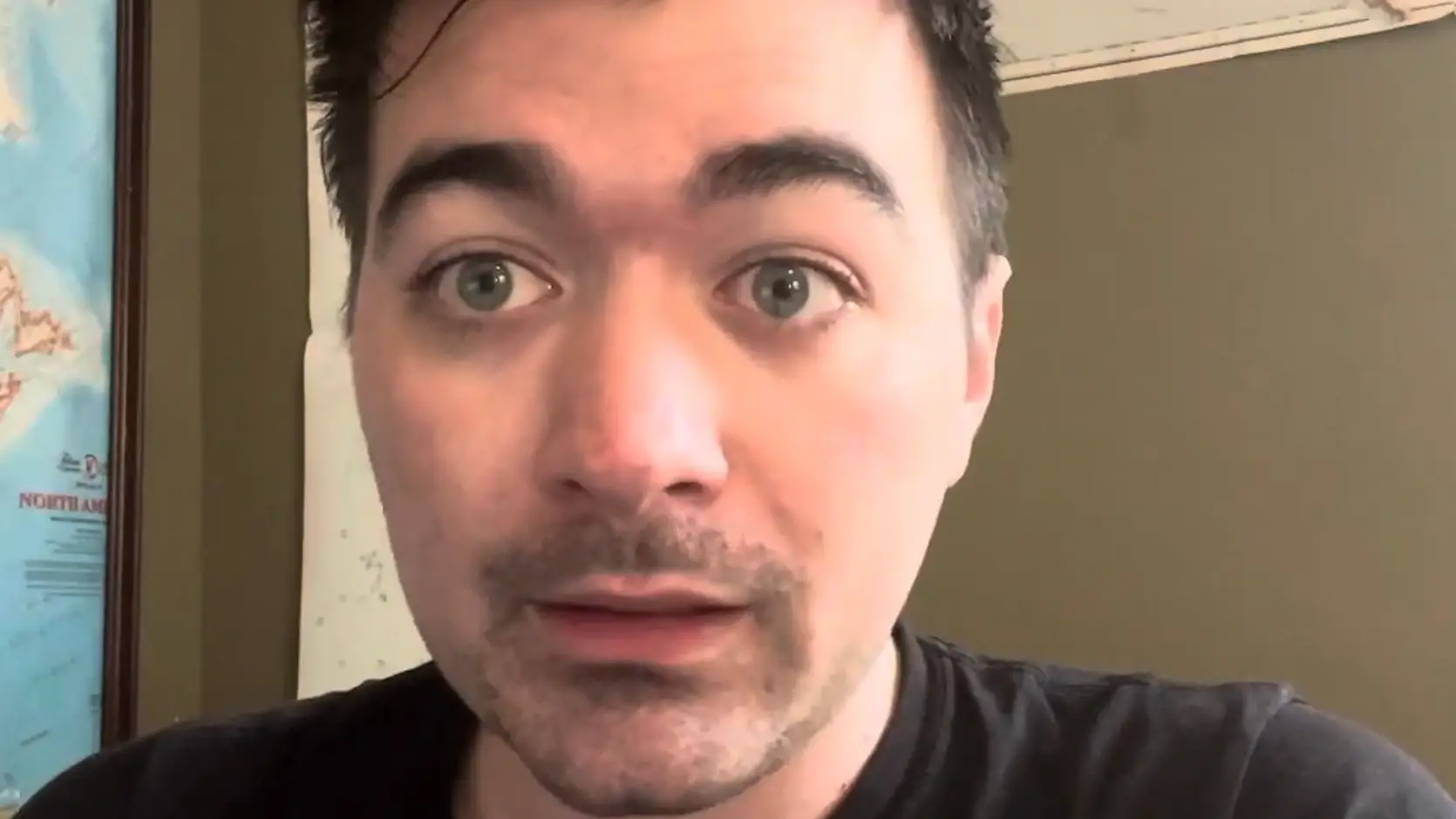
Narcissist explains what 'hoovering' relationship tactic is and how to avoid it

A diagnosed narcissist spoke about something called 'hoovering' which he explained narcissists do in relationships, along with the signs it's happening and why someone would do it.
Jacob Skidmore goes by the moniker The Nameless Narcissist, which is a tad ironic as he makes no secret of his name, and has spoken at length about being diagnosed with Narcissistic Personality Disorder (NPD).
He's tackled myths and misconceptions about narcissism, how to spot whether you are a narcissist or not and has tried to destigmatise being diagnosed with NPD.
In one of his videos, he discussed 'hoovering', something narcissists do in relationships to bring partners back to them after they've done something to push them away.
Advert
Skidmore said the term 'confused' him as there were a lot of 'buzzwords' people came up with that he hadn't heard about, but he knew how it manifested as behaviour.

What is 'hoovering'?
As Jacob put it: "Hoovering is an at least a perceived behaviour that people with NPD exhibit to try to get people back into their lives in a way that doesn't elicit shame.
"More or less like a subtle way of doing it is usually is how it's presented."
Psychologist Susan Albers, PsyD, told the Cleveland Clinic it was 'a relationship phenomenon that happens every day' used to suck a person back into a relationship they'd been withdrawing from.
She said: "It can be a roller coaster for the person being hoovered, because you go from being very disappointed to getting everything you want.
"That promise is exciting. And then, it quickly goes away. It can be confusing and leave you feeling manipulated, vulnerable and frustrated - maybe even angry."
Basically, if a relationship is falling apart and a narcissist doesn't want that to happen they might use 'hoovering' to pull the other person back in.
How to spot 'hoovering'
There are several behaviours associated with 'hoovering', with Jacob saying the signs started with 'love bombing' and 'dramatic declarations' before moving onto 'accusations' which the diagnosed narcissist admitted was something he was sure he'd done in a past relationship.
Dr Albers said there would be multiple methods someone would try to 'hoover' a person back into their lives and listed what to be on the lookout for.
She explained there was 'often a lot of apologising for past behaviour, seemingly owning things that the individual did in the past', and taking care to emphasise the 'seemingly', noting that the big apology would often be followed by a big promise.
'Love bombing' is a well known tactic and it can involve gifts, praise and chats about plans for the future all designed to make you think they're serious about sticking together this time.

The psychologist explained there may also be 'excuses to make contact' whether that be them 'mistakenly' texting someone or making some other form of contact and trying to patch things up from there.
If direct attempts at communication failed then there was always the indirect method of getting in touch with your friends and family so they were talking to people around you and not just yourself.
That common problem of gaslighting was found here again, while the psychologist warned to be vigilant against a sudden 'crisis' that made you feel like you couldn't cut ties with a person.
If none of that worked then they might just resort to threats and violence.

How to respond to 'hoovering'
Spotting the pattern and recognising it's being done to you is the first step towards sorting things.
Once you'd done that, Dr Albers suggested you 'cut off all communication' and prevent any attempts from a narcissistic former partner to worm their way back into your good books.
If you did have to speak to them then she advised you 'respond neutrally' so you don't bite on their bait and also don't rise to their provocations.
She also suggested you clue your nearest and dearest into things, particularly since one of the possible avenues of 'hoovering' involved them being pally with your friends and family.
In more difficult cases of cutting off contact seeking guidance and even getting the law involved might be required.
Topics: Mental Health, Sex and Relationships
 Joe Harker