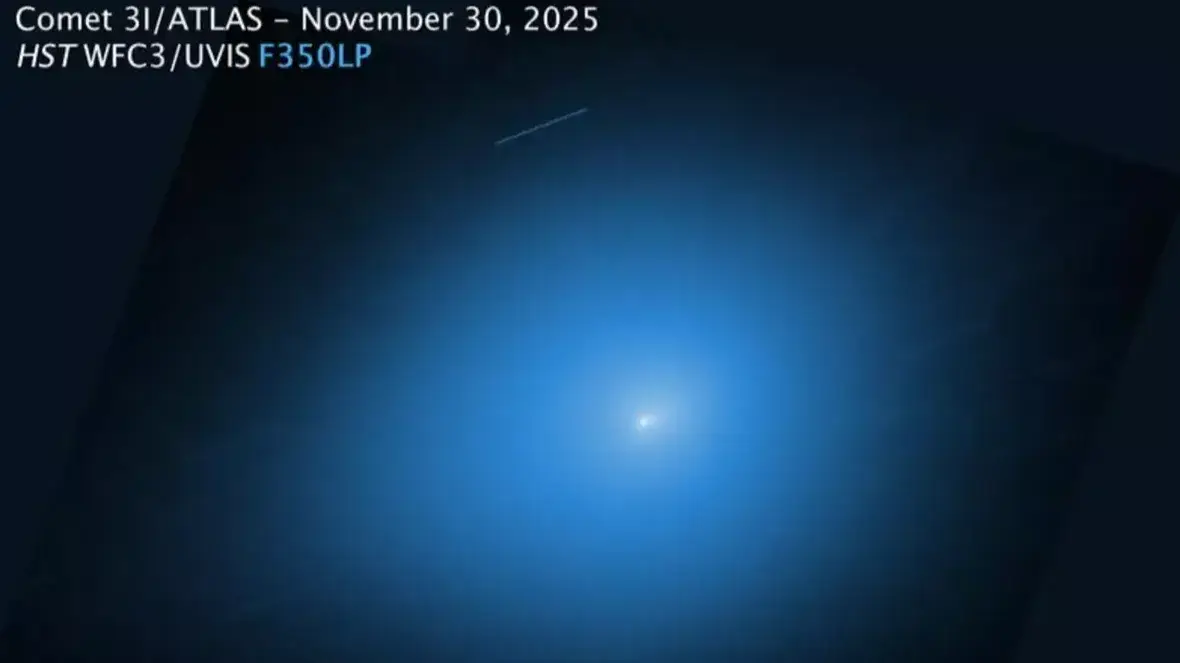
24 hour warning issued as 'potentially hostile alien threat' gets closest it ever will be to Earth

The interstellar object known as 3I/ATLAS is just 24 hours away from reaching the closest point to planet Earth it's going to be as it moves through our solar system.
First spotted earlier this year, the interstellar object has been the source of much observation and speculation, but the day we'll get the best look at it from Earth is rapidly approaching.
Thought by most experts to be some kind of comet, there are a handful of scientists who have continually urged observers to consider the possibility that 3I/ATLAS is potentially a hostile alien craft.
Chief among them is Harvard scientist Avi Loeb, who has clashed with NASA over what the interstellar object could be and has again questioned some of its features, including its 'anti-tail'.
Advert
But something they can agree on is that the time when we'll get the best chance to observe 3I/ATLAS is coming up.
This is only the third ever interstellar object we've confirmed, so if you want to get a good look at it, your chance is coming.
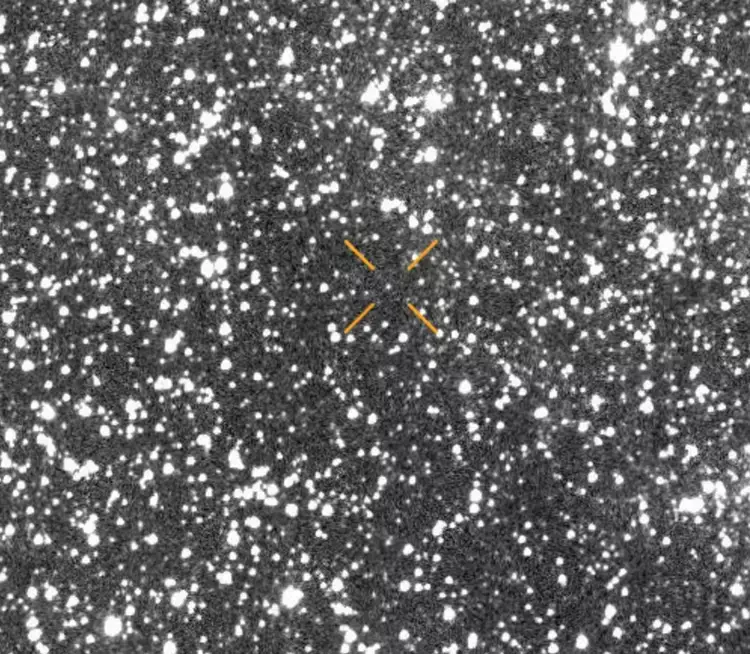
How close 3I/ATLAS will come to Earth
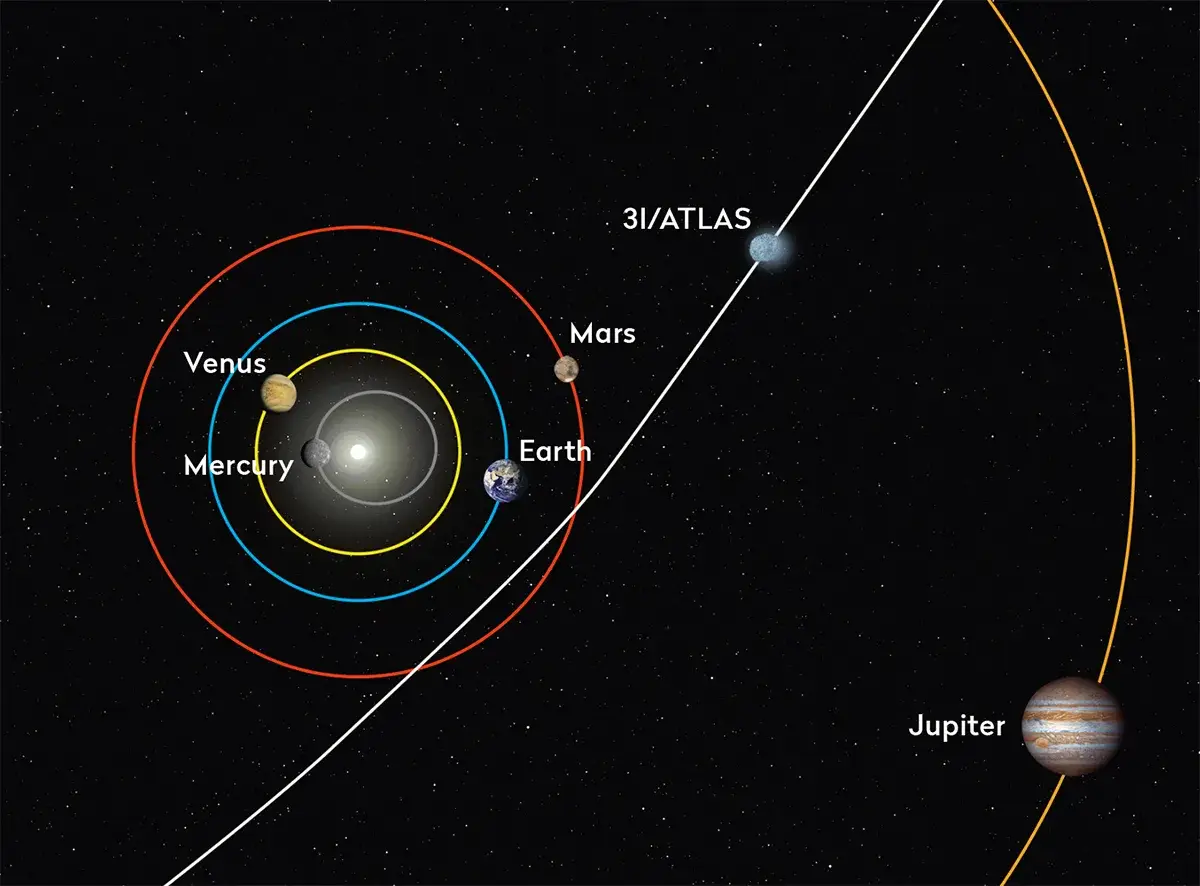
While the interstellar object is coming the closest to Earth it's going to get, we really need to stress that 'close' in this case is still about 170 million miles away.
For reference, the sun is about 93 million miles away from our planet, so we are talking about this thing being a considerable distance away even at the closest point to Earth.
Despite some suggestions that 3I/ATLAS might be an alien spacecraft trying to spy on us, it's Mars that the comet came closest to, passing within some 30 million miles of the red planet as it journeyed towards the sun.
While it'll still be a considerable 170 million miles away, our telescope technology has advanced to the point that we can see it hurtling through the depths of space.
The best time to see 3I/ATLAS
19 December is going to be the best time, as that's the moment it comes closest to Earth.
You're going to need to get up quite early in the morning if you want to see it, since according to Space.com, the very closest moment it'll reach us is going to be at about 6.00am UK time on Friday.
How to see 3I/ATLAS
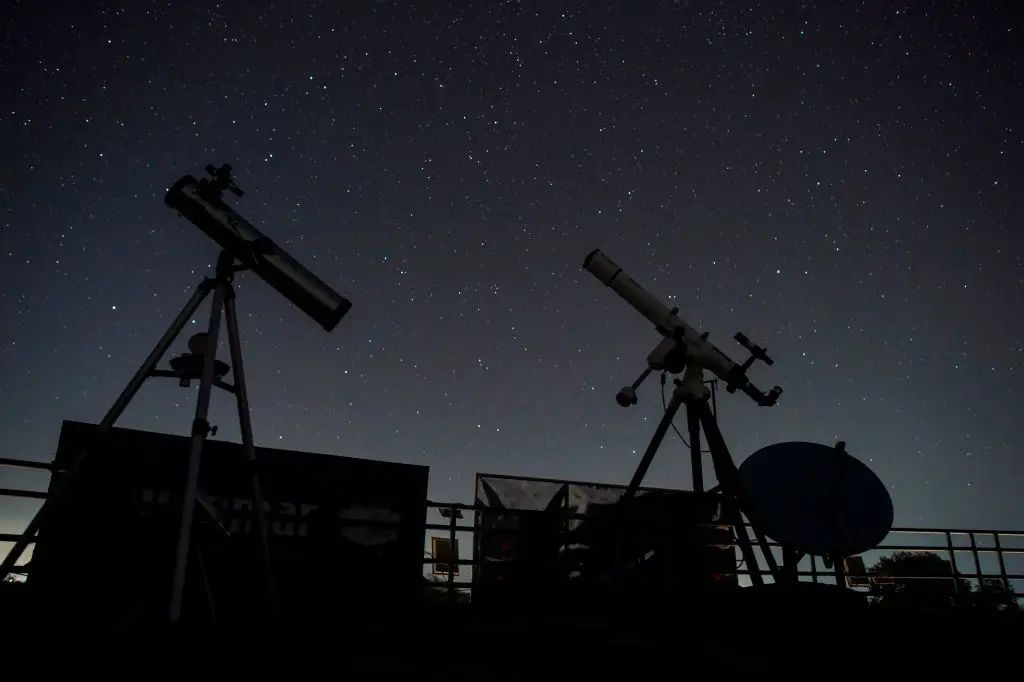
This isn't something you're going to be able to see with the naked eye, and many of the telescopes you can get your hands on will find it tricky.
NASA gave some advice on when, where and how to spot 3I/ATLAS at the closest point to Earth.
They said: "At this distance, skywatchers looking east to northeast in the early pre-dawn morning could catch the comet right under Regulus, a star at the heart of the constellation Leo, the lion.
"To see the comet before it leaves our vicinity, you'll need to be looking through a telescope with an aperture of at least 30 centimetres."
If you don't have a telescope capable of doing the job, then The Virtual Telescope Project is hosting a virtual livestream which begins at 1.00am UK time on 19 December.
 Joe Harker