Artemis II mission could still be all over tonight despite historic blast off

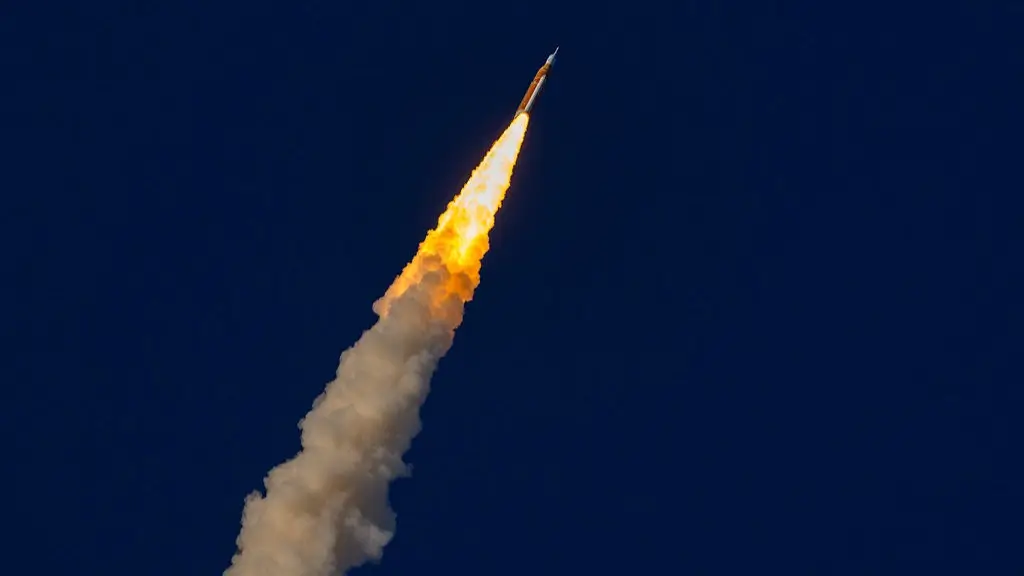
The Artemis II mission successfully launched yesterday (1 April), with the spacecraft taking off into Florida sky and starting to orbit our planet.
Over the next 10 days, the goal is for Artemis to head for the Moon, though the crew won't be setting foot on Earth's only natural satellite.
Instead, they will go around the Moon and the crew-of-four could experience the best view of the Moon's dark side that's ever been recorded while hurtling through space.
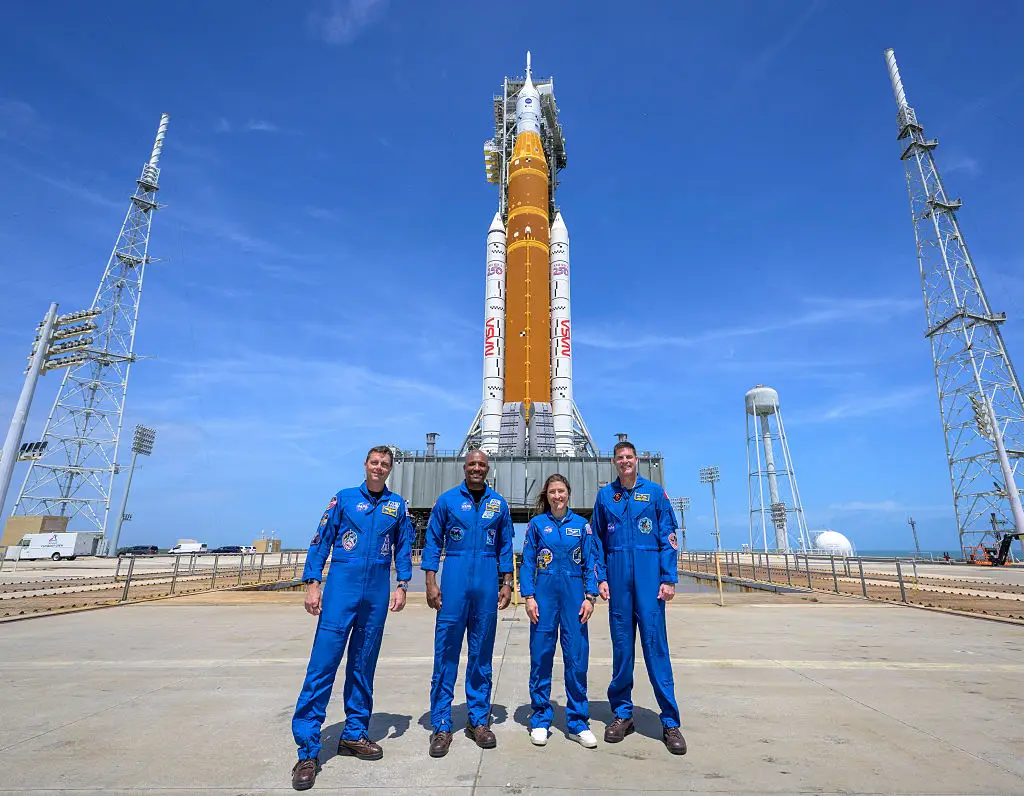
Onboard the Orion capsule is NASA's Reid Wiseman, Victor Glover and Christina Koch, who are joined with Jeremy Hansen of the Canadian Space Agency.
Advert
The mission may take the crew-of-four on humanity's furthest ever journey into the abyss, as at the spacecraft's furthest point, it will be around 230,000 miles from Earth.
But there is still the slim chance of the mission being called off early, with one huge step left.
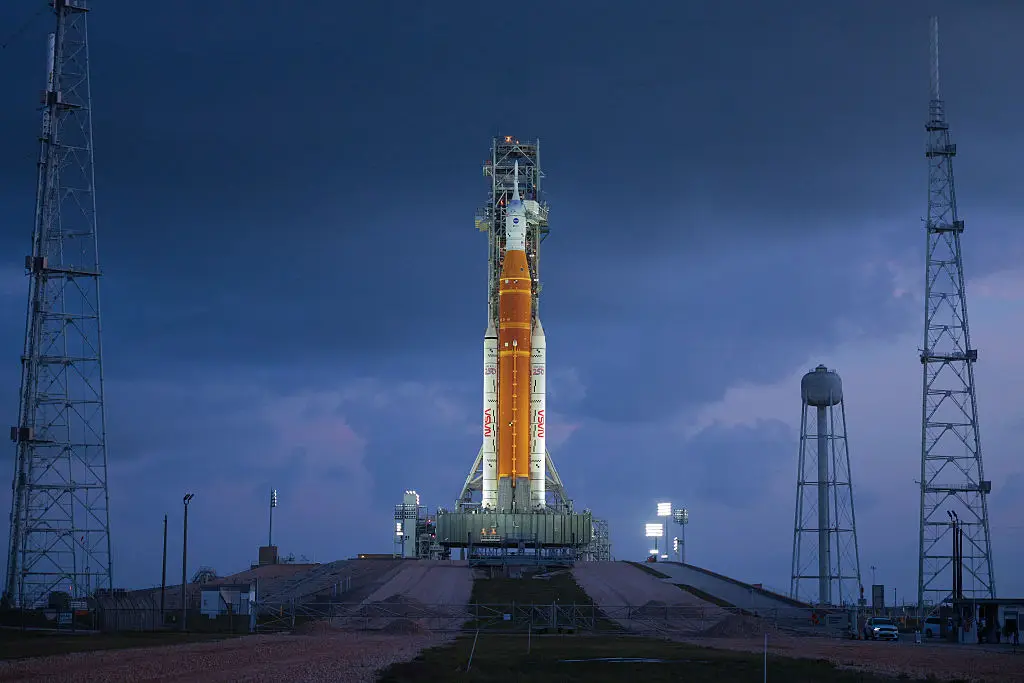
Weather issues were highlighted as a concern before take-off as there was the possibility of a delay, though everything seemingly went to plan.
The crew also reported a faulty toilet just hours after setting off but luckily, with the help of mission control, the bog was fixed and is back functioning.
While the astronauts are taking a four-hour nap this morning, they will be awakened at 7.00am EDT (11.00am BST) today, to 'prepare for the perigee raise burn', which will lift the lowest point of Orion's orbit around Earth, before continuing the sleep period at around 9.40am EDT.
The capsule is currently in Earth orbit, with flight control teams putting its engines, navigation and life support systems through checks to ensure everything is working before heading into deep space, report the BBC.
But only if all the checks are passed, will the crew then fire Orion's main engine for five minutes and 45 seconds.
This single burn will accelerate the spacecraft fast enough to send the astronauts to the Moon - with it being the capsule's next major milestone.
But if engineers are not happy with the state of equipment, they can cancel tonight's 'trans-lunar injection' burn, which will put Orion on the right trajectory for the Moon, and bring the astronauts back to Earth.
Once they do reach our natural satellite, they will go around it just once, around 5,000 miles from its surface, meaning they will be further from Earth than any manned mission in history.
It is the first manned mission to approach the moon since Apollo 17 in 1972, with the crew set to conduct numerous engine burns to make sure they are on the right course, if they are to set off.
How long does it take to get to the moon?
NBC 5 reports that former astronaut Joan Higginbotham estimates that Orion will reach a speed of almost 24,000 miles per hour during its mission, which will be over 685,000 miles in distance.
Arrival at the moon will take five to six days, with experts claiming that the craft will reach the moon on the sixth day of the mission, though unlike Apollo 8, which orbited the Moon numerous times, Orion will make just one pass around the Moon.
It will not enter low-lunar orbit, though astronauts will get a good look at the 'dark side of the moon', where communications with Earth will be cut off for over half an hour.
Personal items Artemis II astronauts have brought with them
Commander Reid Wiseman
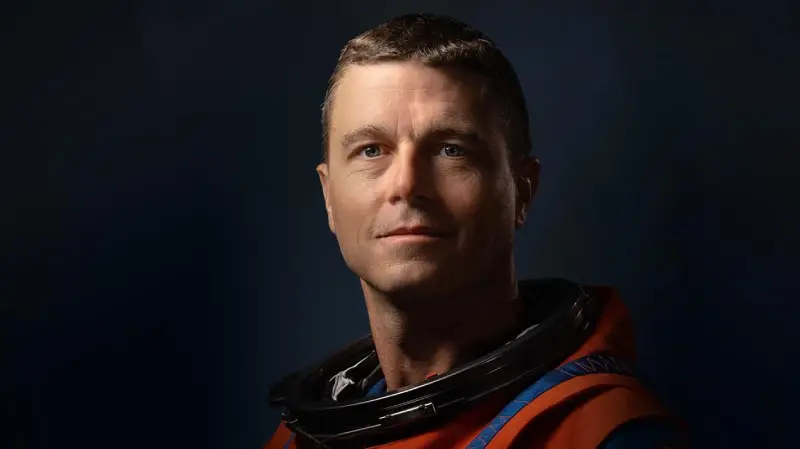
Wiseman, a US Navy test pilot-turned-astronaut, is a single parent who is raising his two teenage daughters alone after he sadly lost his wife to cancer in 2020.
He's spoken to his children about the risks of the mission, with him saying to them while out on a walk: "Here's where the will is, here's where the trust documents are, and if anything happens to me, here's what's going to happen to you… That's part of this life."
Wiseman said he planned on taking a small notepad so that he can jot down his thoughts during the mission.
Mission specialist Christina Koch
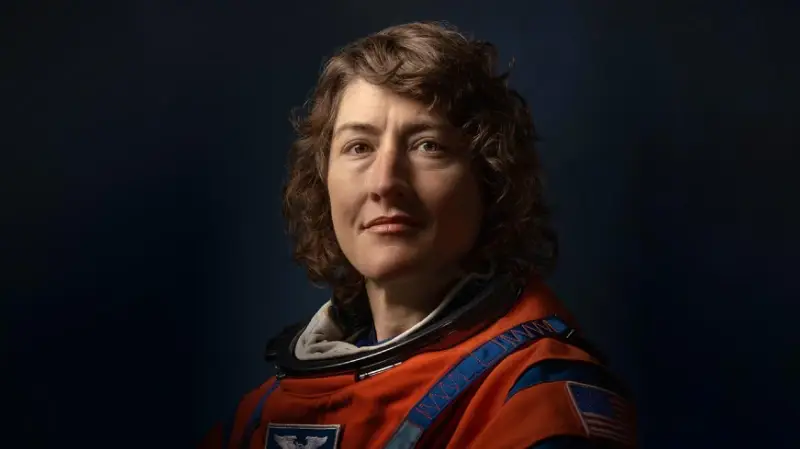
Koch, an engineer and physicist, is a woman who has made many incredible milestones in her life.
Not only has she set the record for the longest single spaceflight by a woman, spending 328 days aboard the International Space Station in 2019, but she's also taken part in the first-ever all-female spacewalk. And now, she's the first woman to ever travel to the Moon and venture into deep space.
Koch is taking handwritten notes from people close to her for her personal item, which she has described as a 'tactile connection' to loved ones back on Earth.
Mission specialist Jeremy Hansen
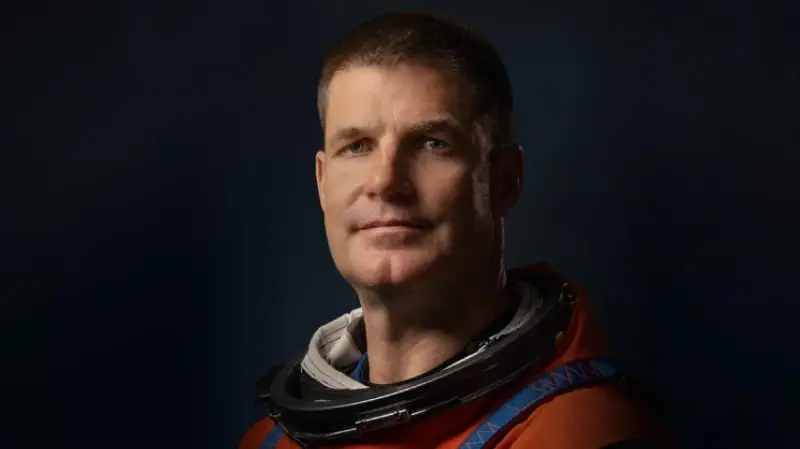
This is the former Royal Canadian Air Force fighter pilot and physicist's first time in space, making him the first Canadian to ever venture into deep space.
Hansen, who is married with three children, will carry four Moon-shaped pendants for his wife and children, engraved with the phrase 'Moon and back' and set with their birthstones.
He will also be taking maple syrup and maple cookies on his lunar voyage, in true Canadian style.
Pilot Victor J Glover
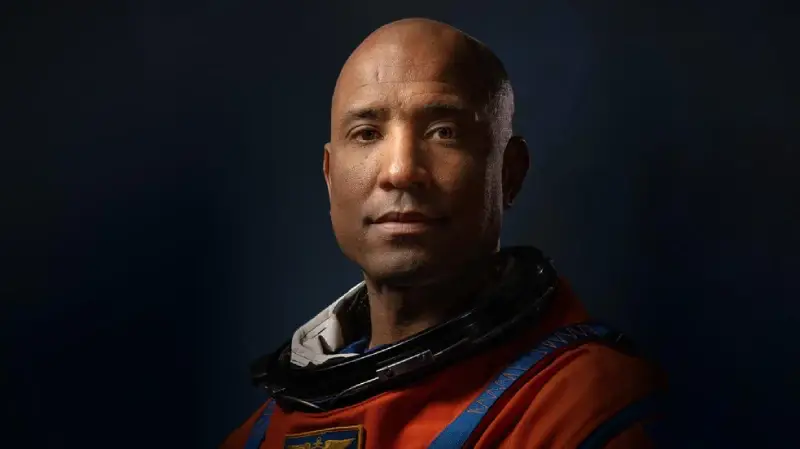
Glover, a former US Navy fighter pilot and test pilot who became a NASA astronaut in 2013, is setting a milestone of his own by being the first ever Black person to travel to the moon.
He is married with four children, and served as pilot of NASA's SpaceX Crew 1 mission, as well as spending nearly six months on the International Space Station as part of Expedition 64.
Already known as the most charismatic and 'sharply dressed' of the Artemis crew, Glover has said he will take on board with him a Bible, his wedding rings and family heirlooms, along with a collection of inspirational quotations compiled by Apollo 9 astronaut Rusty Schweickart.
 Joshua Nair