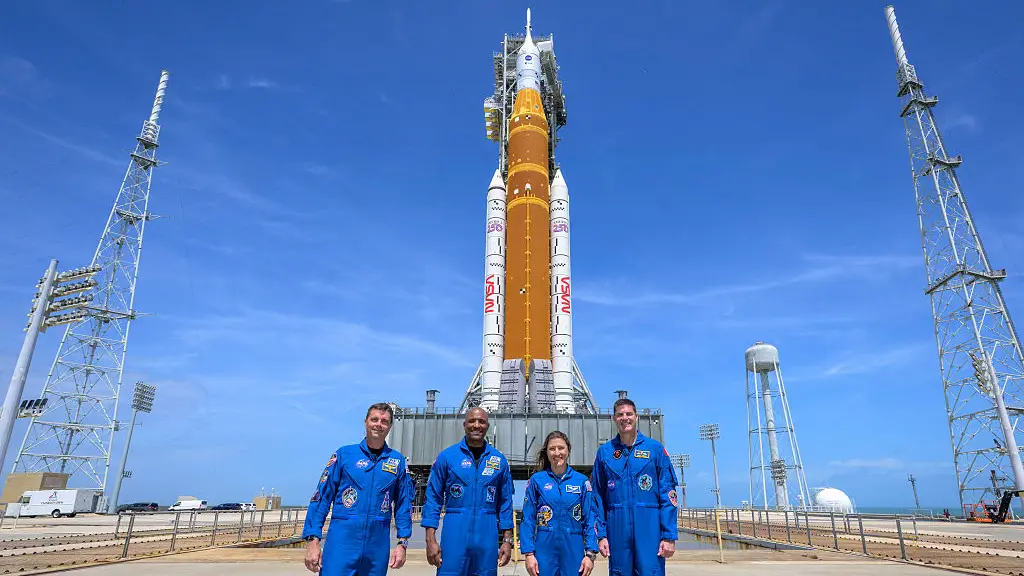
Artemis II has a lightning cloud problem as NASA outlines risk

Today's the day where humans could set off on their furthest ever journey into space as the Artemis II prepares to launch.
Three NASA astronauts; Reid Wiseman, Victor Glover and Christina Koch, along with Jeremy Hansen of the Canadian Space Agency will have the opportunity to write themselves into history as they prepare to circle round the dark side of the moon before returning home to Earth.
Although they won't have the pleasure of walking on the moon, as their predecessors on the Apollo 11 mission did, they will have perhaps the best view of the moon's far side ever recorded.
After the mission was initially delayed earlier this year, it seems to be all systems go for today's (1 April) launch after the rocket was stationed on the launch pad, but NASA has now outlined the most significant concerns before things get underway.
Advert
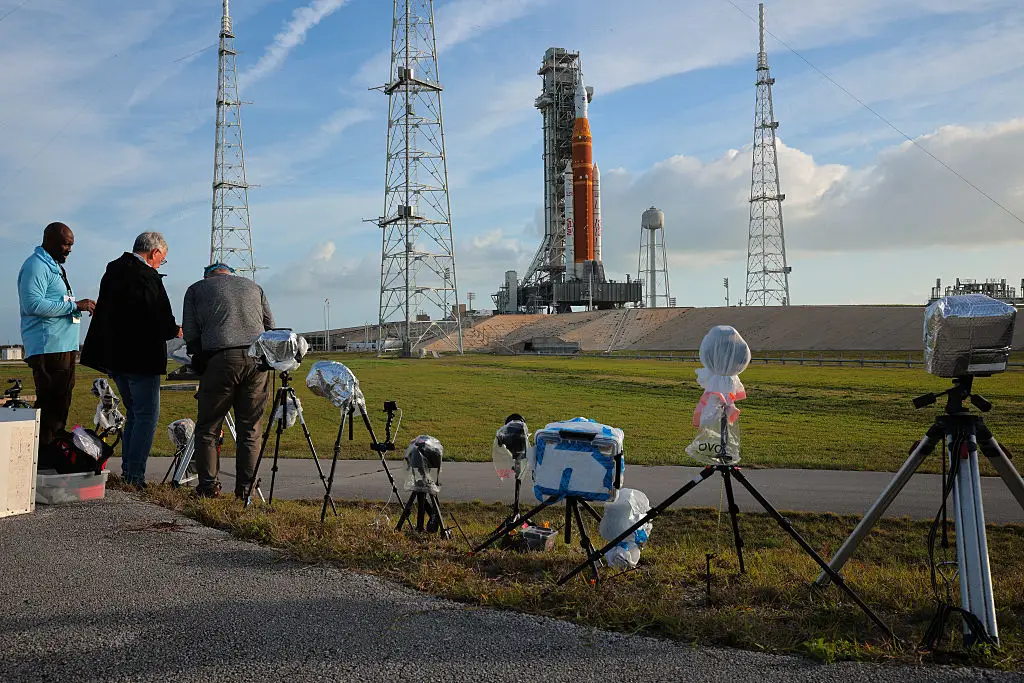
Naturally, you'd hope that the weather conditions would be perfect for the launch, as strong winds, rain and fog can also lead to issues for the rocket, but in this case it's the cumulus clouds that are the biggest cause of concern according to forecasters.
While the weather currently looks good, the launch is perhaps the most dangerous part of the mission and everything has to go perfectly for things to be a success, but these specific cotton-like clouds can trigger lightning if the rocket flies through it or even close to it.
There is also a light breeze expected which should hopefully divert these clouds out of the way but the weather is one of the only things that is out of NASA's control, and should today's launch be delayed, it seems as if Saturday would be the next best option for the crew before things become far more hit and miss.
Speaking at yesterday's press conference, Reid Wiseman said: "We're going to launch when this vehicle is ready, when this team is ready, and we're going to go execute this mission to the best of our abilities.
"We might go to the moon — that's where we want to go — but it is a test mission, and we are ready for every scenario as we ride this amazing Space Launch System on the Orion spacecraft, 250,000 miles away. It's going to be amazing."
As Wisemen suggests, this is very much a test mission for NASA but all being well, it will go down as another astonishing achievement in space for humanity, with the hope that it can open the door to trips even further afield to Mars in the future.
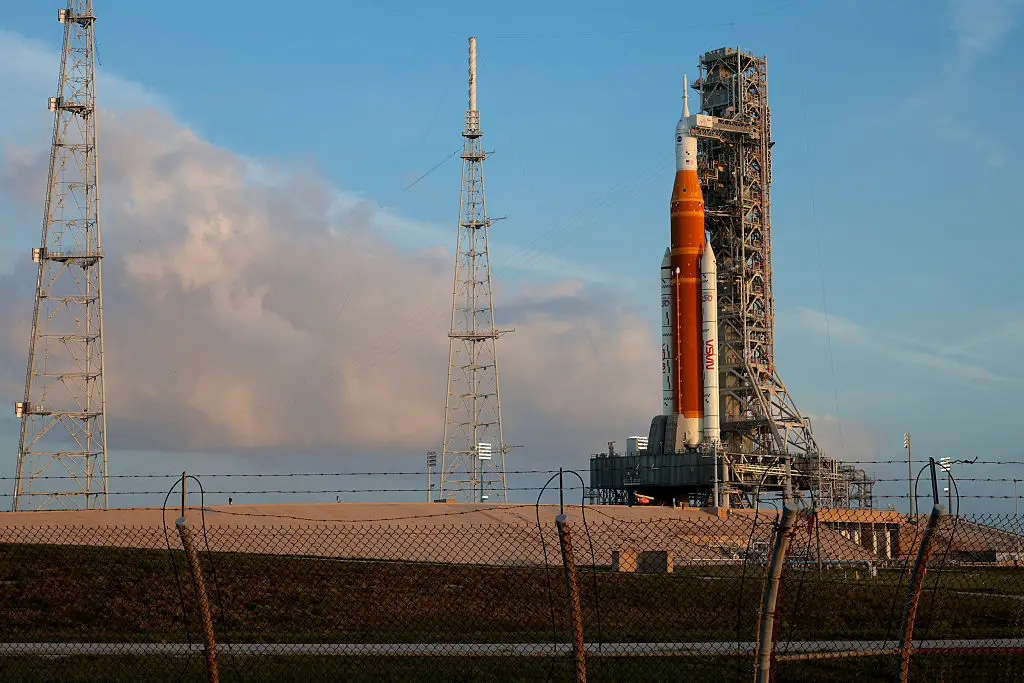
This is the biggest rocket that NASA has ever assembled, and it has only flown once before, but scientists seem confident that today is the day that could see it set off on a truly groundbreaking journey.
 James Moorhouse