Artemis II astronauts warned of 'space comedown' effect after crashing back to earth

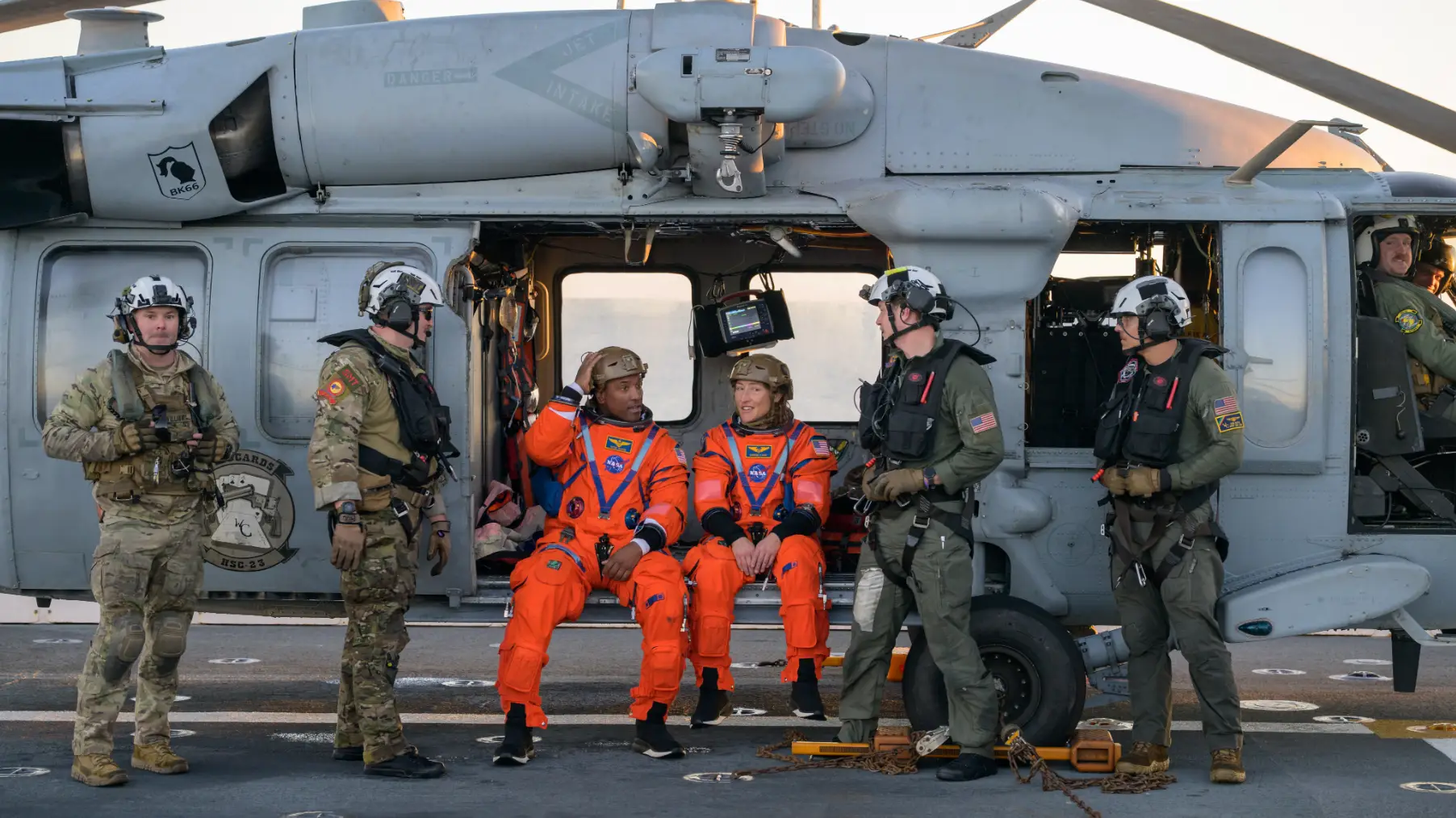
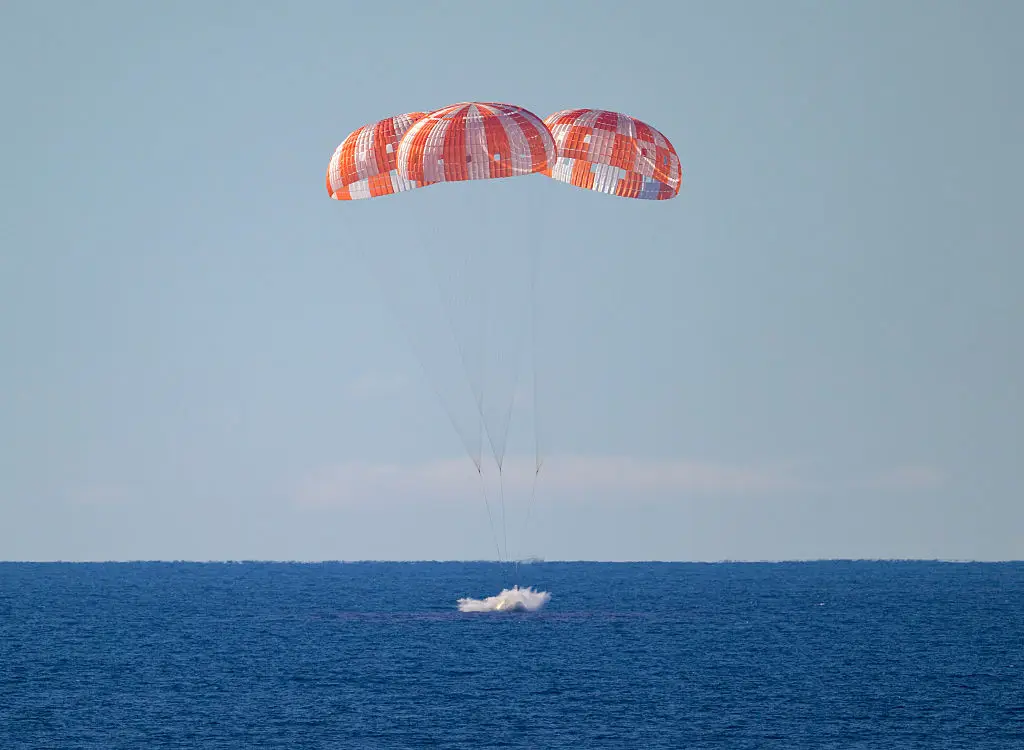
The astronauts of Artemis II have completed what NASA describes as a 'textbook' splashdown in the Pacific Ocean with all four said to be 'happy and healthy'.
That's very good news which caps off a remarkably successful mission to the far side of the Moon where they went further away from Earth than anyone has ever gone before.
We've shown that we've got the hardware to fly to the Moon and back with relatively few problems, paving the way for future missions that could see human boots back on the lunar surface with a view to building a permanent base there.
Doctors are on hand to make sure everyone is fine, and given they spent 10 days in space the Artemis II astronauts are unlikely to have experienced a 'space comedown', where even though astronauts are safe, sound and back on the ground they sorely miss being back in space.
Advert
That's not to say the Artemis II crew won't miss being on their mission to go around the Moon, but given the duration of time they were in space they're unlikely to be so terribly affected.
According to the BBC, in addition to the physical effects of spending days in space and the lack of gravity on the body there are also mental effects to consider and a 'space comedown' is one of them.
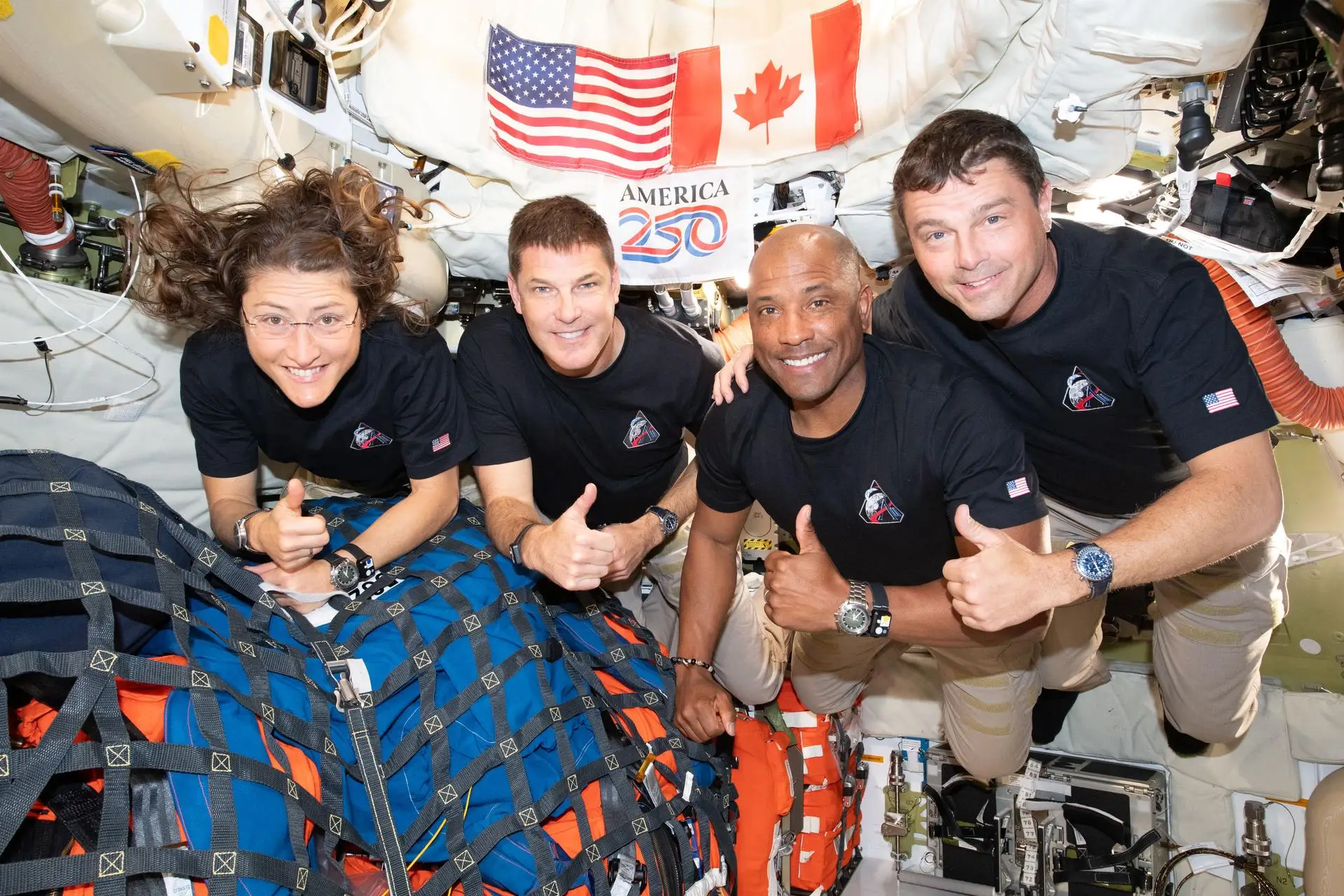
Being in space has a profound effect on the human psyche, and Artemis II astronaut Christina Koch has said she'll miss the 'common sense of purpose on the mission' as well as the 'teamwork and camaraderie' she had with her crewmates.
One would hope there was a sense of camaraderie if you were going to be stuck in a very cramped environment with the same people for several days at a time with no escape.
She also said her time in space 'truly emphasised how alike we are, how the same thing keeps every single person on planet Earth alive', which is what most would put down as some form of the 'overview effect'.
If there is to be some sort of comedown from being in space and going further than anyone has gone before it's unlikely to come after the Artemis II mission where the astronauts spent 10 days in space.
Those on board the International Space Station spend months at a time up in space, and many astronauts find they don't want to come home afterwards because they're enjoying the experience so much.
Unfortunately all good things must come to an end and the Artemis II mission has now been completed.
What happens next after splashdown?
Getting the astronauts out of the Orion
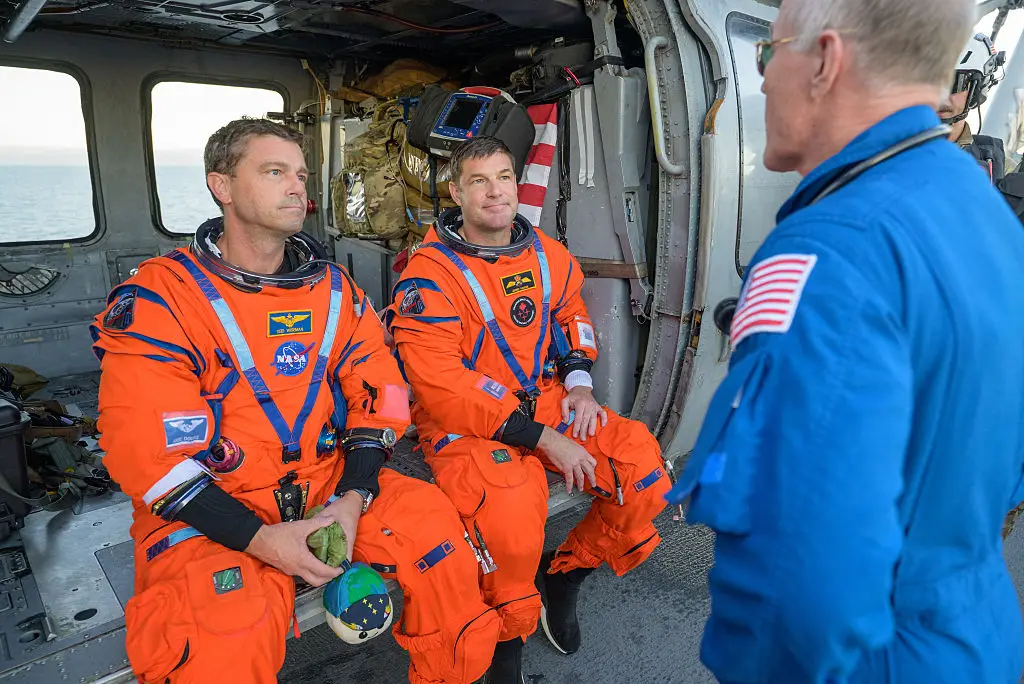
Helping Reid Wiseman, Victor Glover, Christina Koch and Jeremy Hansen safely out of the Orion spacecraft fell to NASA and the Department of War.
A team of four helicopters circled the spacecraft after splashdown - two for rescue, the other two for pictures, according to Florida Today.
One helicopter is there to lower a stabilising collar which keeps the Orion capsule floating the right way up during the process.
The astronauts were then hauled up one by one by baskets and taken to a nearby naval vessel, the USS John P. Murtha, for a medical checkup, before being transported back to Houston.
What effect will 10 days in space have had on the astronauts’ bodies?
Even though the Artemis II crew have spent a relatively short time in space - poor Suni Williams and Butch Wilmore spent 608 days away from Earth over 2024 and 2025, remember - it will still have had an effect on their bodies.
Kevin Fong, founder of the Centre for Altitude, Space and Extreme Environment Medicine at University College London, told the BBC: “In some experiments with rats, they’ve seen up to a third of muscle from particular muscle groups being lost within seven to 10 days of flight – that’s a huge, huge loss.”
To try and combat muscle loss, the Artemis II team have incorporated workouts into their schedule, on something called a flywheel.
Since the Orion capsule is only 316 cubic feet, about the size of a smallish bedroom according to NPR, workout gear needs to be compact. The flywheel is a bit like a multi-purpose rowing machine.
Jeremy Hansen explained before launch: “We can change the dynamics of this device so that we can do weightlifting with it. So we can do squats. We can do dead lifts. We can do curls. We can do high pulls.”
What have other astronauts said about readjusting to life on Earth?
NASA astronaut Jasmin Moghbeli, who returned to Earth in 2024 after 200 days in space, said: “With eyes closed, it was almost impossible to walk in a straight line.”
That’s because the inner-ear balance humans use to orient themselves on Earth is effectively tuned out when they are in space.
ESA astronaut Andreas Mogensen, who was on the same mission, said: “I felt wobbly for the first two days. My neck was very tired from holding up my head.”
While NASA’s Jeanette Epps, who spent 235 days in space and returned in October 2024, said the main thing that took some getting used to was the heaviness of Earth.
She said: “You have to move and exercise every day, regardless of how exhausted you feel.”
 Joe Harker