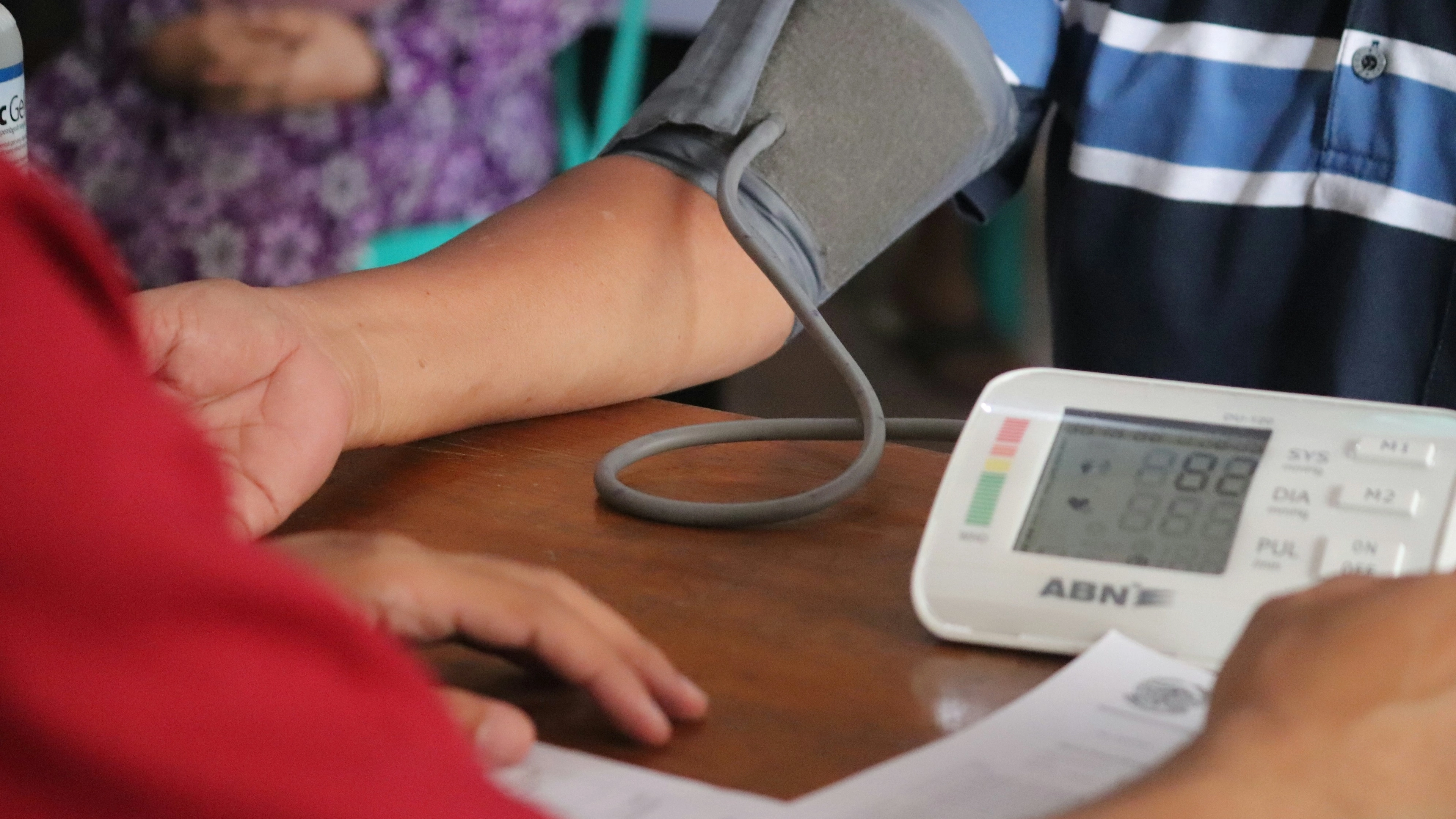
Ground-breaking treatment can cut bad cholesterol by 62% with a single dose

A revolutionary new therapy can lower low-density lipoprotein (LDL) cholesterol, also known as ‘bad cholesterol’, by up to 62% and only requires a single dose.
Higher levels of LDL increase your risk of having a heart attack or stroke, while lowering your LDL levels has been proven to reduce that risk.
In the UK, millions of people are on medication to help lower LDL, but typical treatments require tablets taken daily or regular injections.
However, a new gene-therapy treatment from Eli Lilly, known as VERVE-102, could be an absolute game changer, with an early-stage clinical trial showing seriously impressive results from just one infusion.
Advert
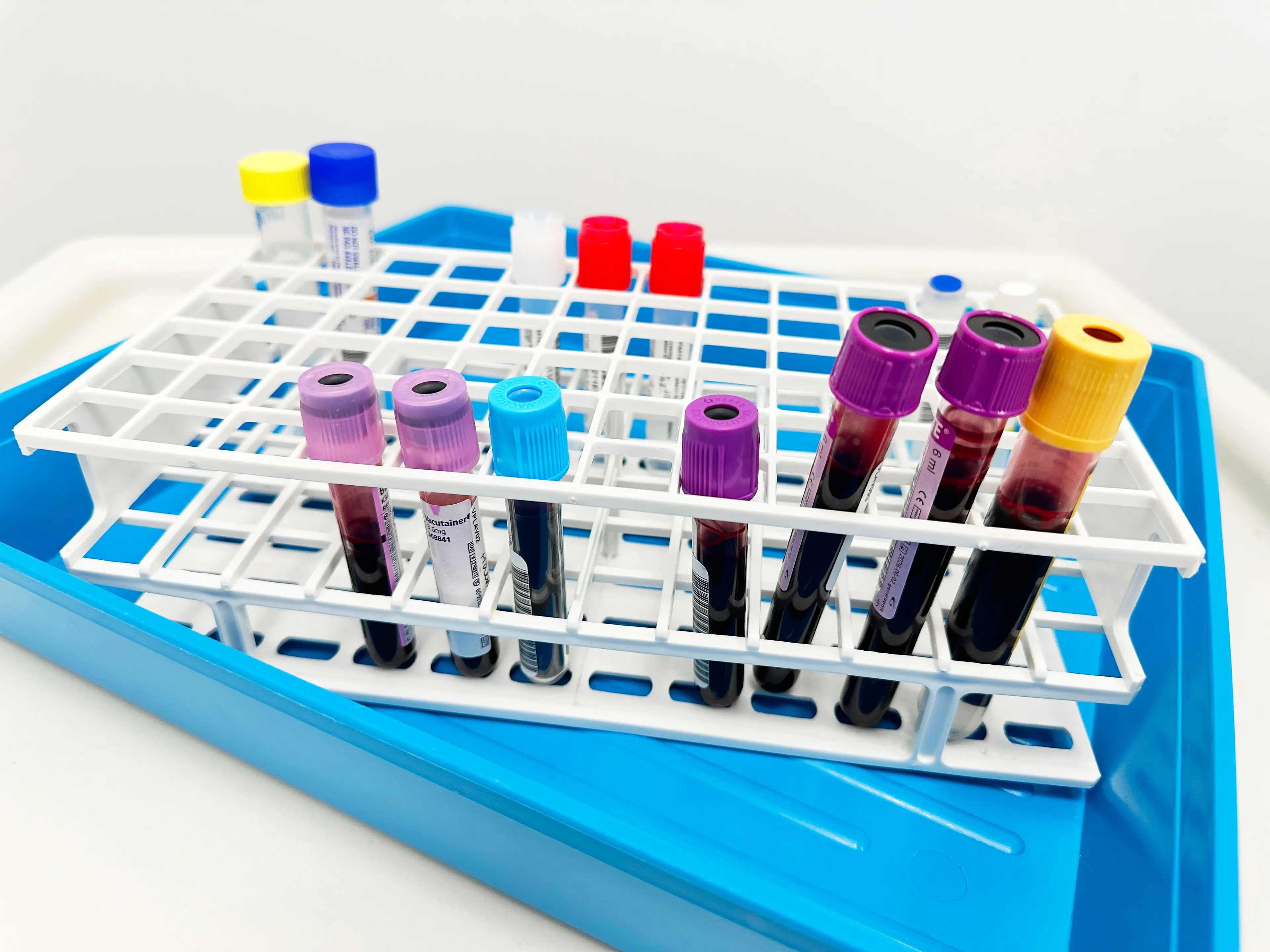
The treatment works by effectively ‘switching off’ a specific gene that makes a protein in your liver called PCSK9.
PCSK9 plays a key role in regulating how much LDL the liver can detect and remove from your bloodstream.
So, in short, the less PCSK9 you have, the lower your LDL levels will be.
An early-stage trial of the new gene-therapy, which was published in the New England Journal of Medicine, involved 35 participants who were given a single-dose of VERVE-102, with the results showing that at its highest dose (1.0mg/kg) it could cut LDL levels by up to 62%.
And not only did the treatment cut LDL, some of the participants for 18 months and researcher found that the results lasted.
Forty-one-year-old Daniel Cullinane was referred for the trial by Barts Health and says he feels ‘a lot healthier’ after taking part.
“My GP was concerned about my cholesterol levels which remained high despite being on statins plus the fact that I don’t drink or smoke” he said in a statement shared by Barts Health.
“I was referred to the lipid team at Barts which led me to being put on the trial.
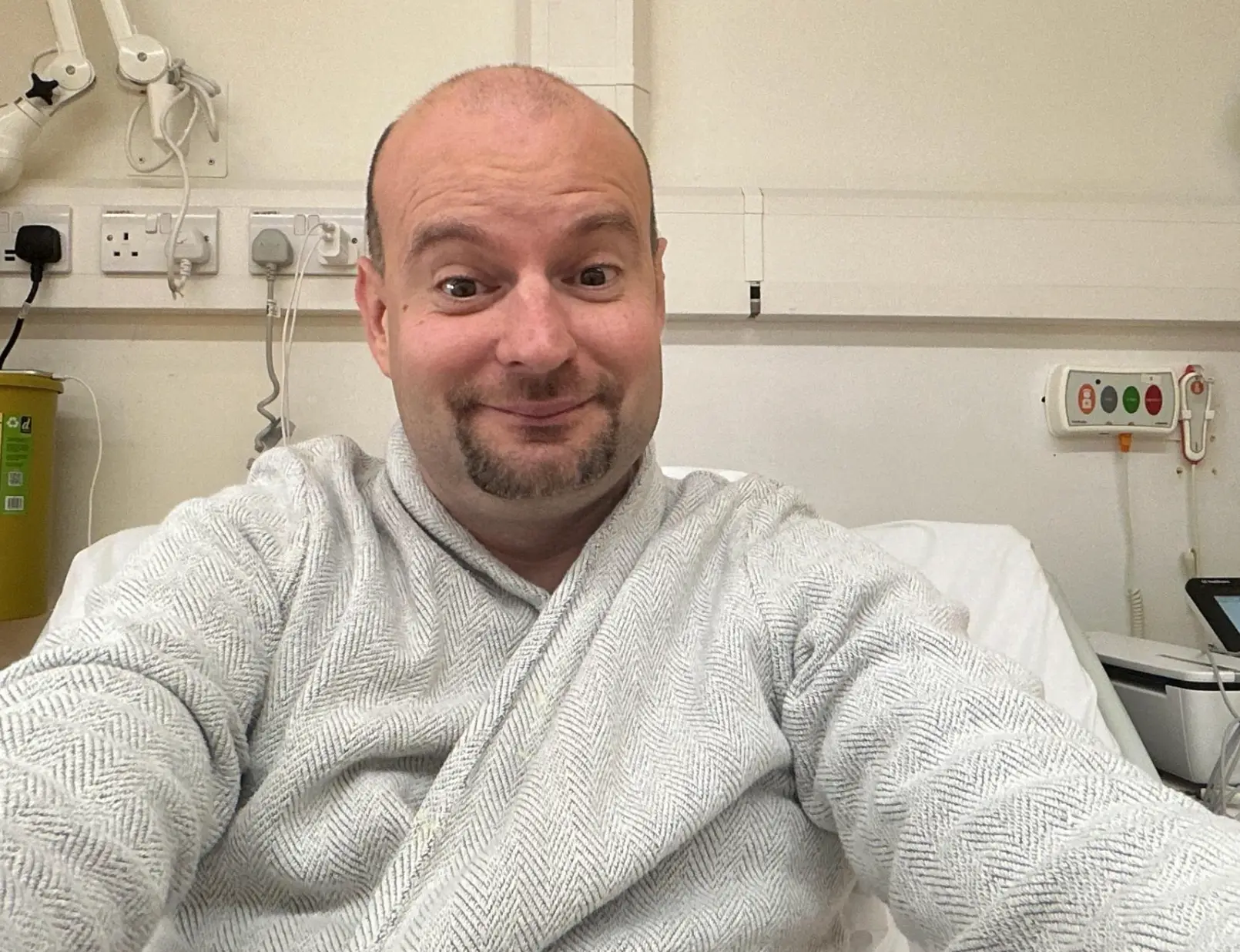
“My cholesterol levels have now dropped, I have lost weight and I feel a lot healthier.”
Although trials are still ongoing, the new results show that the VERVE-102 could have the potential to make a big difference to how high LDL levels are treated.
Professor Riyaz Patel, consultant cardiologist at Barts Health NHS Trust and Professor of Cardiology at University College London, said: "It is still early days but this is an extremely exciting milestone. These findings show the technology works, is safe and helps lower cholesterol to levels similar to medicines we currently have.
"The therapy has the potential to provide a ‘one and done’ approach to a very common condition, which would be transformative in preventing heart attacks and strokes over the long term.”
Topics: Health
 Claire Reid