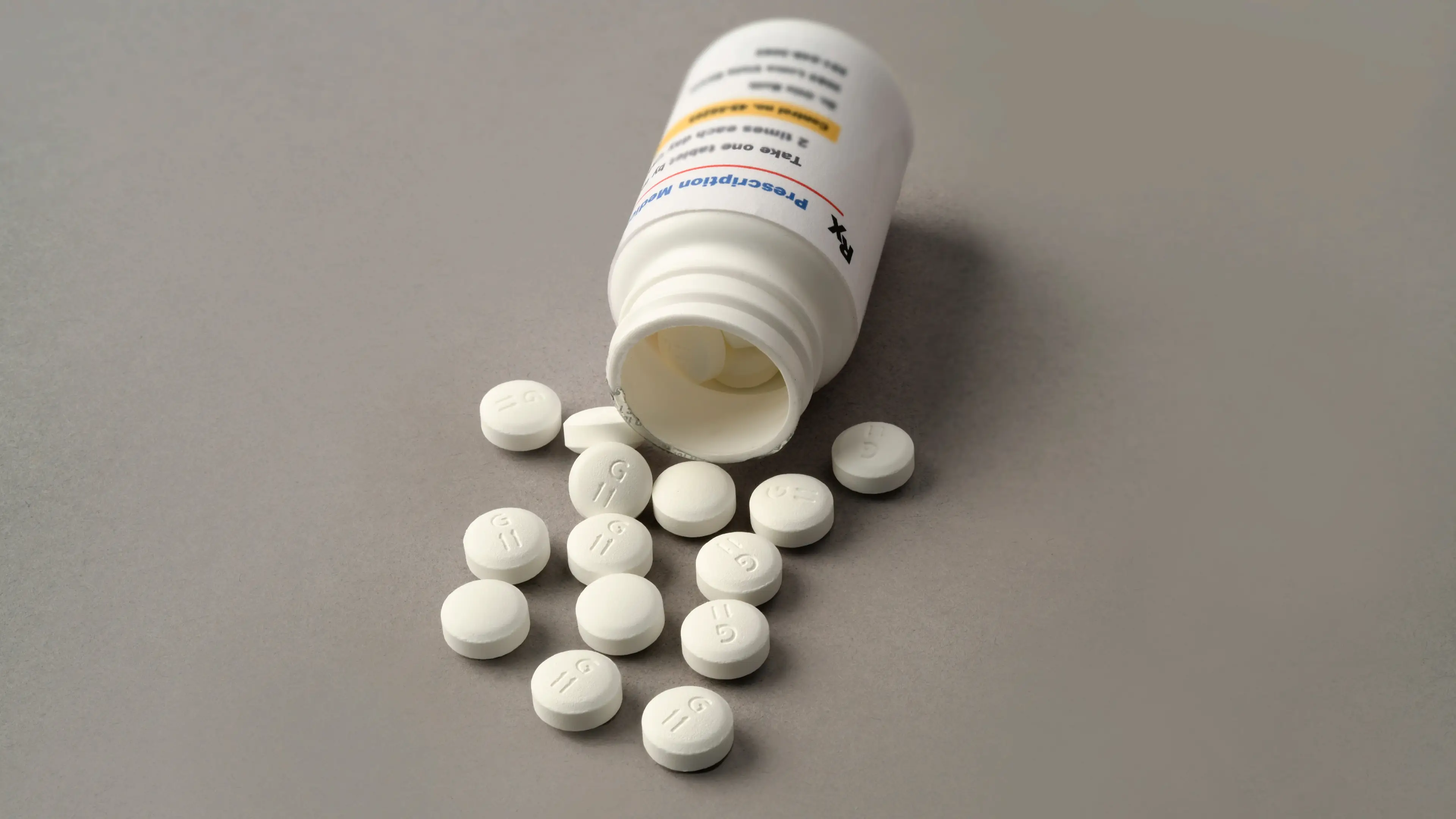
Doctor issues new Metformin and Omeprazole warnings to millions

A well-known doctor has shared yet another warning about the long-term use of medicines such as Metformin and Omeprazole, as concerns around the medication continue to grow.
Omeprazole in particular is one of the most prescribed drugs in the UK, with it often handed out to patients who on a large amount of other tablets, as it can help to settle the stomach and prevent the damage done by acid reflux, with this helpful simulation highlighting exactly how it works.
The proton-pump inhibitor is commonly used and in many cases, people understandably don't want their acid reflux to start up again, but there have long been warnings about what could happen if you take it for too long without any sort of medical supervision.
NHS GP and TV doctor Amir Khan is the latest to raise his apprehension about the side effects associated with Omeprazole and Lansoprazole, as he admitted that while they can be 'brilliant' medications, they can also have some worrying long-term side effects.
Advert

'They should be reviewed from time to time'
He said: “Brilliant medication for acid reflux and protecting the stomach, but if you’re taking them for months or years, they can reduce absorption of nutrients like vitamin B12 and magnesium.
"So they should be reviewed from time to time. Make sure you still need them and that you’re on the lowest possible dose to manage your symptoms.”
There's no doubting the effectiveness of the PPI but if we struggle to absorb these important nutrients, it also increases the likelihood of other issues such as muscle cramps, gut infections and even kidney problems in rare cases.
When is the best time to take Omeprazole?
Ashcroft Pharmacy advises that the best time to take Omeprazole is first thing in the morning. It can be taken once a day with or without food.
Khan was also keen to speak about Metformin, another drug taken by millions in the UK which can have a surprisingly good impact on the brain, even though its main purpose is to treat diabetes.

The doctor said: “It works really well. But especially when you first start it, it can cause diarrhoea, bloating, stomach cramps, and nausea. For many people, these symptoms settle after a few weeks.
"So don’t lose hope too quickly, but there are alternatives should you need it.”
Sometimes when suffering a side effect from a medication, there is a temptation to stop taking it, but we should always speak with a doctor before doing so as they should usually prescribe a specific time frame which should be adhered to.
If you're having problems with medication, don't just stop taking them
Dr Khan added: “When we prescribe medication, in our heads, we’re always weighing up potential benefits versus risk of side effects. And we only give them when the benefits outweigh any risk.
“But if you’re taking medication, having problems with them, don’t just stop taking them. Come and talk to us because we often have lots of alternatives that we can give you.”
Khan unsurprisingly isn't the only health professional to make it clear that long-term Omeprazole use needs to be better monitored, as specialist Simon Mills also pointed out the issue with the drug while on the Diary of a CEO podcast recently.
He said: "The list of problems occurring from long-term omeprazole use is beginning to grow and is serious... All sorts of things are beginning to be downstream problems associated with long-term omeprazole use.
"Once you're on it, it's really difficult to come off it, and you get a famous rebound effect. So you come off omeprazole, and wow, you get much more trouble. So the only thing to do is take more omeprazole, and people find it really hard to come off it.
"So you have to do a lot of hard work to wean people off and do it in sorts of different ways."
While it might be difficult to come off the medication and deal with a likely increase in acid production in the stomach, it is the sort of medication that you simply cannot stay on forever, so it's always worth speaking with your doctor about lowering your dose if you feel like your symptoms are starting to ease.
Topics: NHS
 James Moorhouse