Scientists explain 'super-earth' finding that could be best chance at discovering alien life

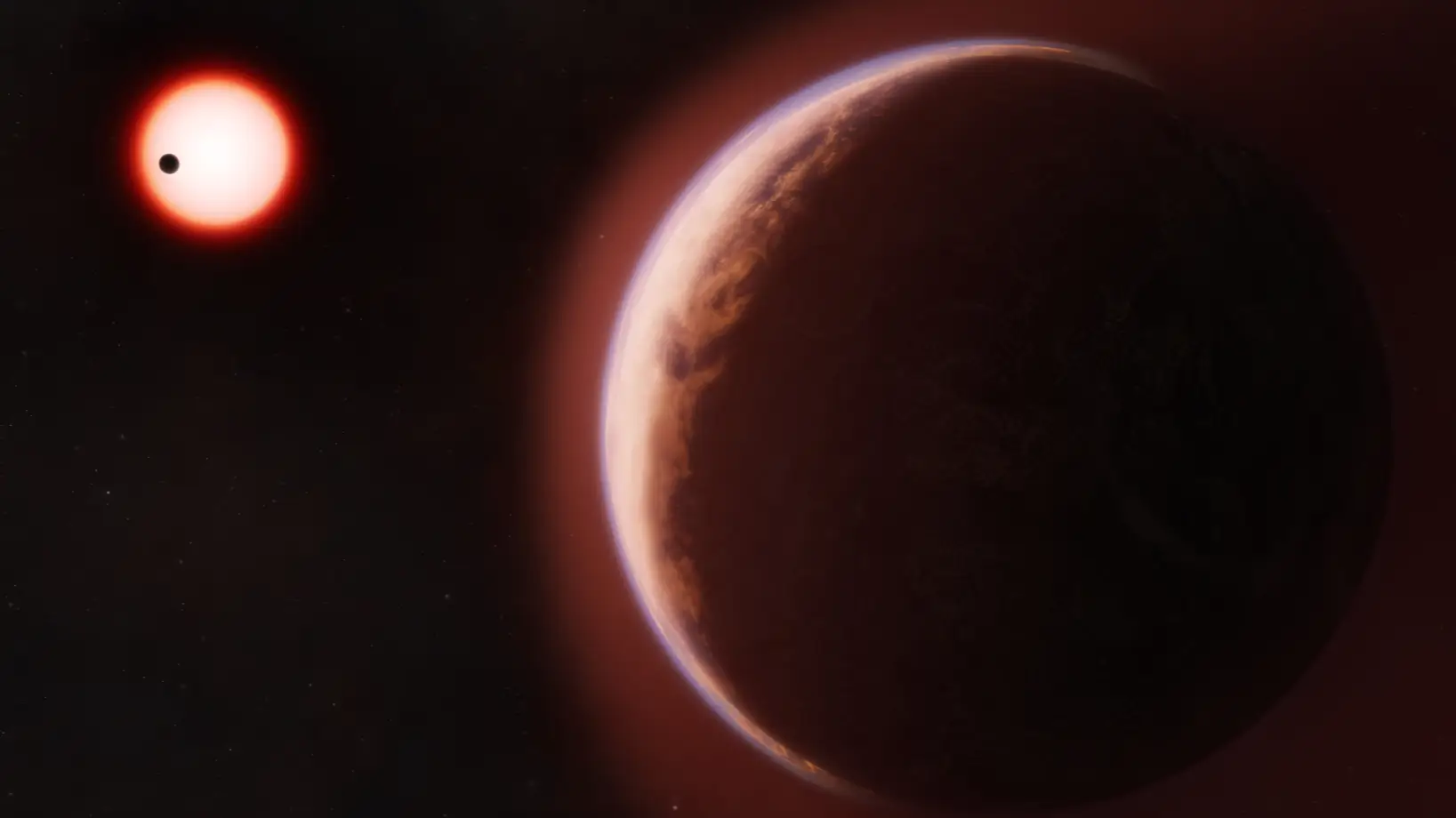
Scientists believe they've found the best candidate to date when it comes to planets which might be capable of sustaining life.
We might take Earth for granted with the way we're treating our own planet, but it really has all the things you need for life to grow as our planet sits in the 'Goldilocks zone' where we're the right distance from our star.
Our atmosphere and oceans are also a great boon to the development of life, making Earth the envy of the galaxy.
However, there's a new kid on the block as a planet 49 light years away which we call LHS 1140b might also have what it takes, and there's a hope that liquid water lies upon its surface.
Advert
Typically when our scientists spot a new planet it's outside of its star's habitable zone, may not have an atmosphere, or may be a gas giant instead of having rocky terrain, but LHS 1140b changes that.
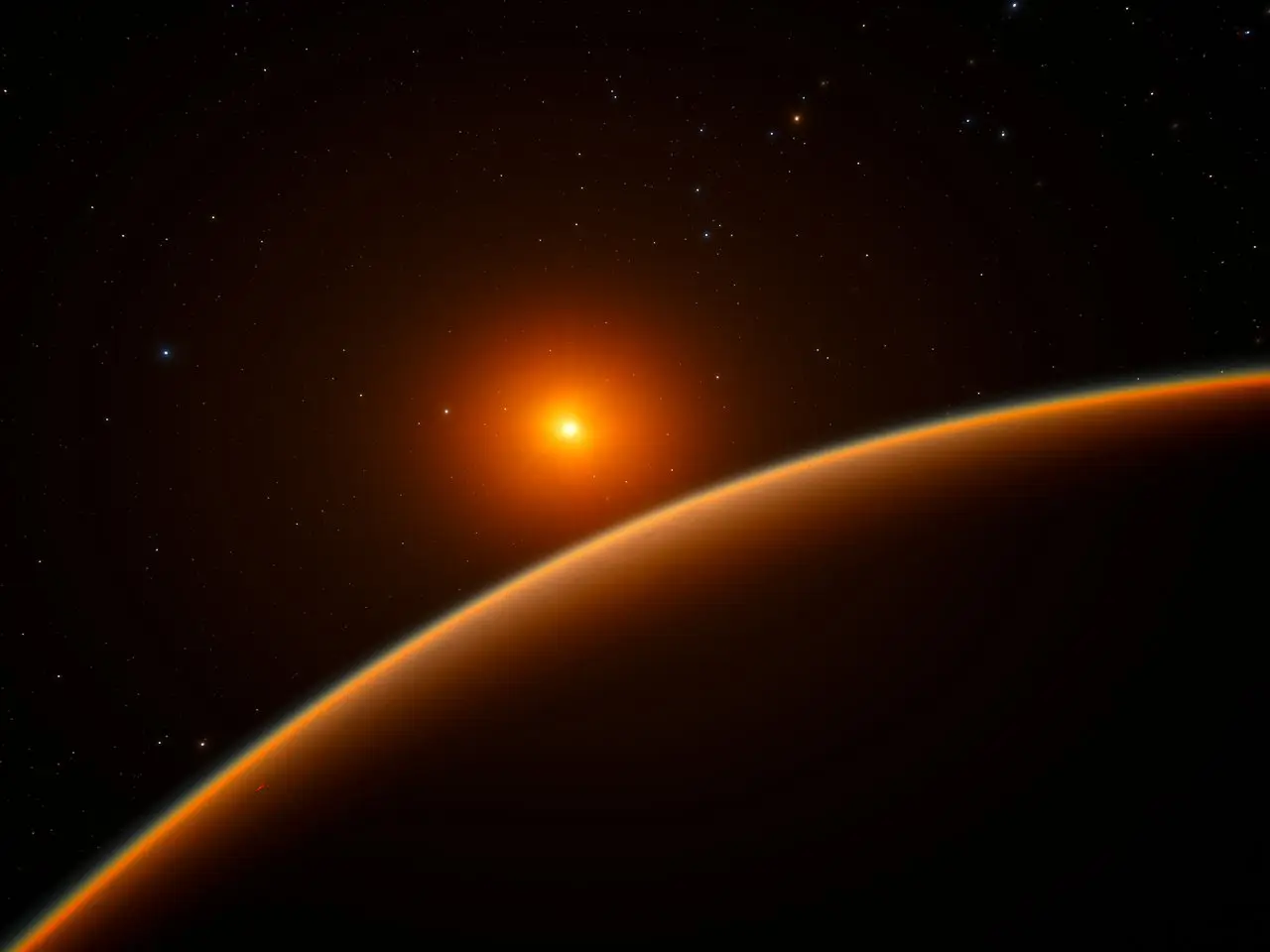
“This is the first actually observationally confirmed atmosphere on a rocky planet in the habitable zone outside of our solar system,” said Dr Collin Cherubim, who authored a study on the qualities the exoplanet has which mean it could potentially sustain life.
A rocky planet with an atmosphere within the habitable zone is three big ticks for suitability to sustain life, and of the around 6,000 planets outside our solar system we've spotted we've finally found one that meets all three.
Researchers found that the planet appears to be leaking helium gas into space, which is a sign it still has an atmosphere.
It's a world bigger than Earth, with a radius 70 percent larger than our home and a mass 5.6 times larger than our planet, and Dr Cherubim added that LHS 1140b was also tidally locked.
The planet's atmosphere is likely quite different to ours and there's a lot more research to do to learn just how different, but of all the worlds we've seen this is the closest bet we have to something that sustains life.

Dr Cherubim said it was 'a really exciting place to keep looking, especially to look for signs of life', which is
He said: "Every false positive we could think of, we have confidently ruled out."
Per the Guardian, University of Oxford astrophysics professor Jayne Birkby said: "That makes this discovery of an atmosphere surrounding LHS 1140b a crucial step towards understanding what it’s like living with a red dwarf.
"It’s fascinating that the signal varies too, it shows how the exoplanet’s atmosphere reacts to the high radiation of its host star, and may even tell us how this changes the planet’s surface conditions too.
"It naturally leads one to ask if life could thrive here and if so what type of protective gear it would have had to evolve for itself."
 Joe Harker