Secrets of Ancient Egyptian city uncovered after 'golden tongue' discovery in hidden crypt

The Egyptian Government revealed some exciting discoveries have been made after 18 tombs were uncovered.
These discoveries included several hugely important and distinctive archaeological finds, among them a granite coffin and a 'golden tongue'.
The Egyptian Archaeological Mission has been working to uncover crypts and forgotten sites.
This site was originally discovered in 1986, and since then some 44 graves, tombs or crypts have been discovered.
Advert
This lates activity serves as a reminder that the site is one of the most prominent ancient coastal towns on the Mediterranean.
Mr. Sharif Fathi is a Minister of Tourism and Archaeology, and said the discovery 'contributes to understanding the cultural identity of the inhabitants of the ancient city of Marina' and added that it highlights the location's 'historical role as a civil and cultural centre linking Egypt and the Mediterranean world'.
Dr. Hisham Alithi explained that steps are being taken to turn Marina Al-Ameen an integrated tourist and archaeological destination.
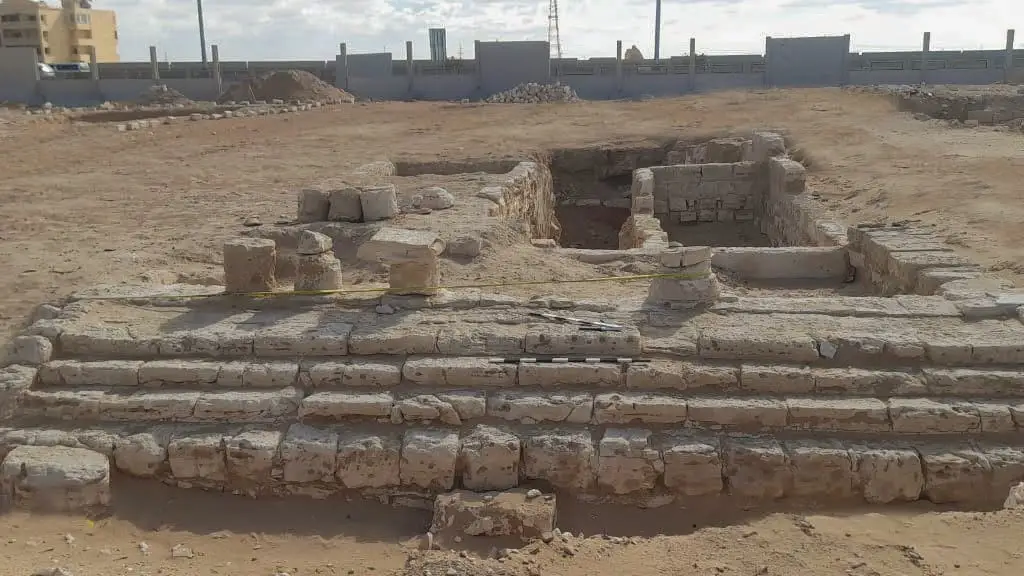
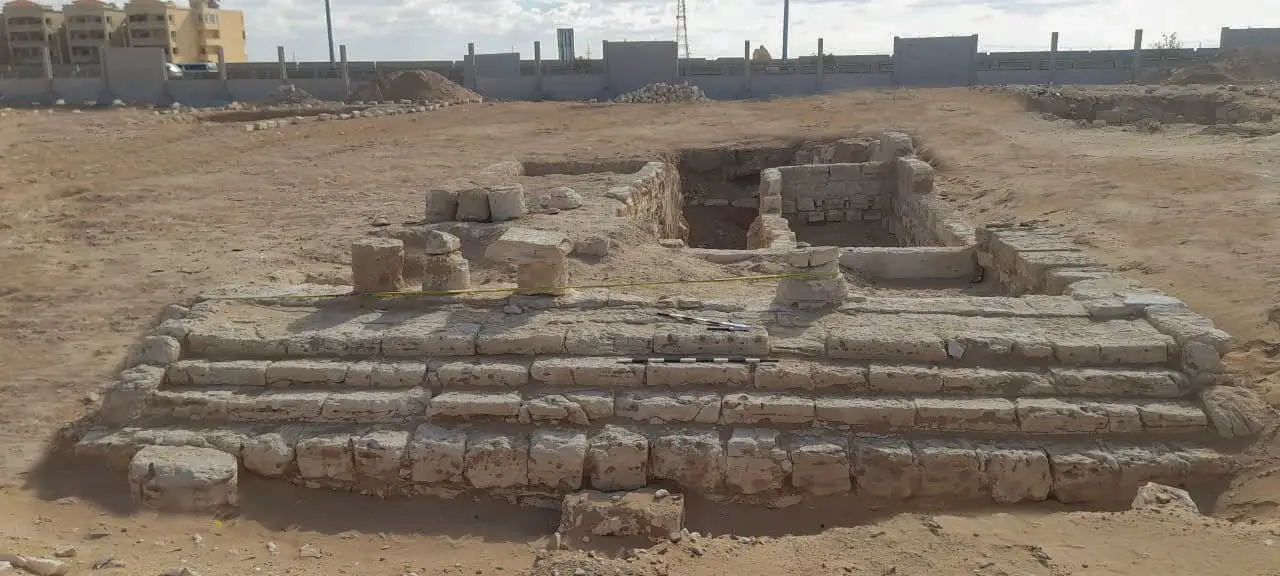
Speaking about the latest discovery, Mr. Mohamed Abdel-Badii, who is head of the Egyptian Archaeological Sector of the Supreme Council of Archaeological, revealed the newly-discovered tombs 'consist of 11 completely carved in rock' which 'reach an average depth of eight meters, as well as seven surface tombs built in limestone.'
As for the condition of them, he stated some of the graves and crypts are 'exceptionally preserved' with stone plates keeping them sealed.
As well as the deeply buried crypts and tombs, surface burials have also been uncovered.
Artifacts such a pottery, vases, plates, limestone altars and basins were also found.
Dr. Hisham Hussein, head of the Central Department for Maraface Relics, said one of the most exciting discoveries is a limestone altar they believe was used for offering sacrifices.
There is also an incomplete marble statue thought to represent the goddess Aphrodite.
Head of the mission and area director, Dr. Iman Abdul Khaliq, revealed the archaeologists also uncovered a very large, 2.5-meter-long granite coffin, complete with it's original lid and the undisturbed remains inside.
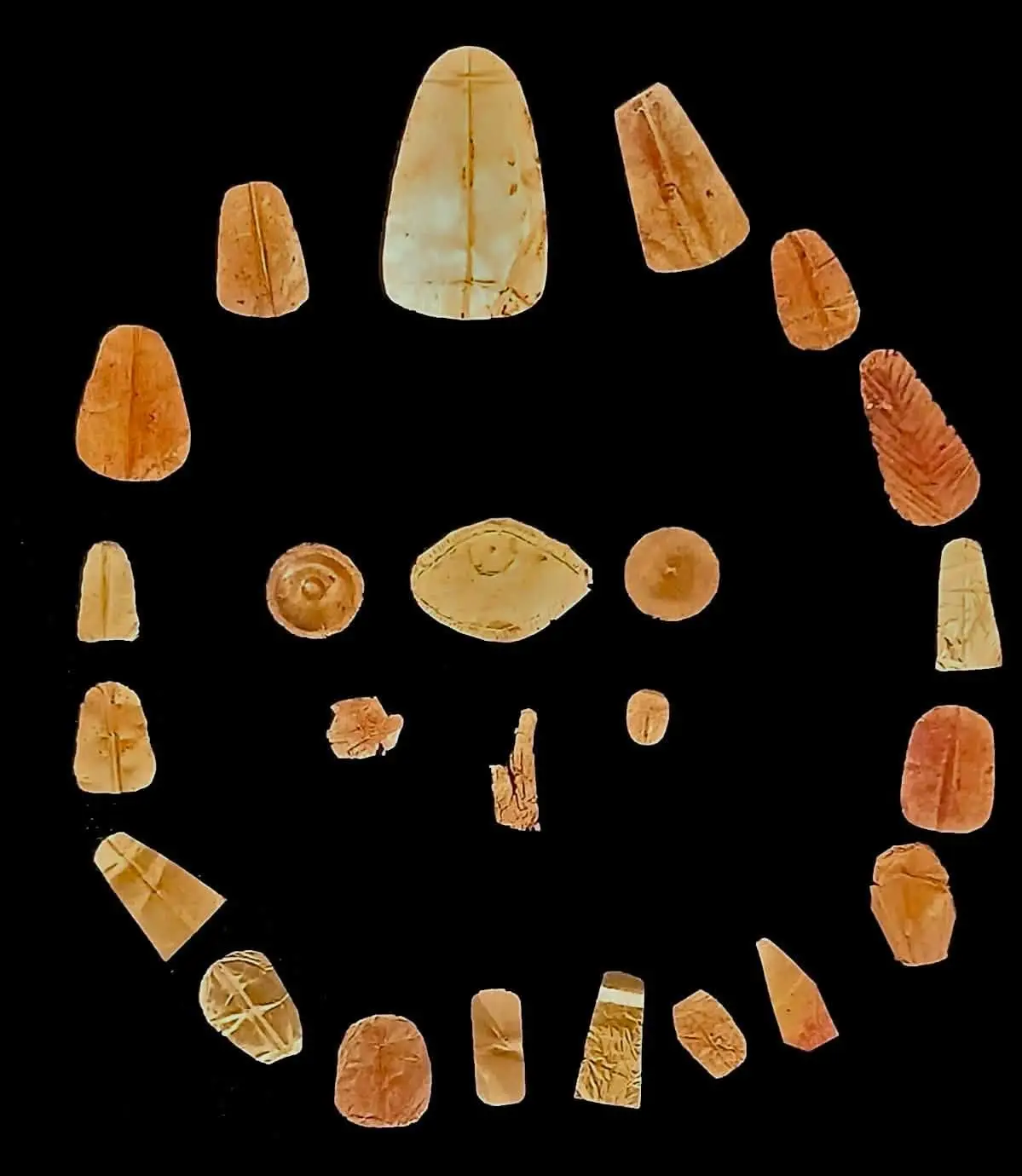
They also found 24 gold pieces placed inside the mouths of some deceased, representing what is known as the 'golden tongue'.
This ties in to some of the knowledge researchers have around funeral beliefs at the period.
One of the gold pieces was in the form of the 'Ein of Horus', seen as one of the most protective symbols to ancient Egyptians.
The site was discovered in 1986 during construction work in the Marina area.
It is regarded as one of the best preserved ancient coastal cities in Egypt.
Topics: World News, Science, History
 Jen Thomas