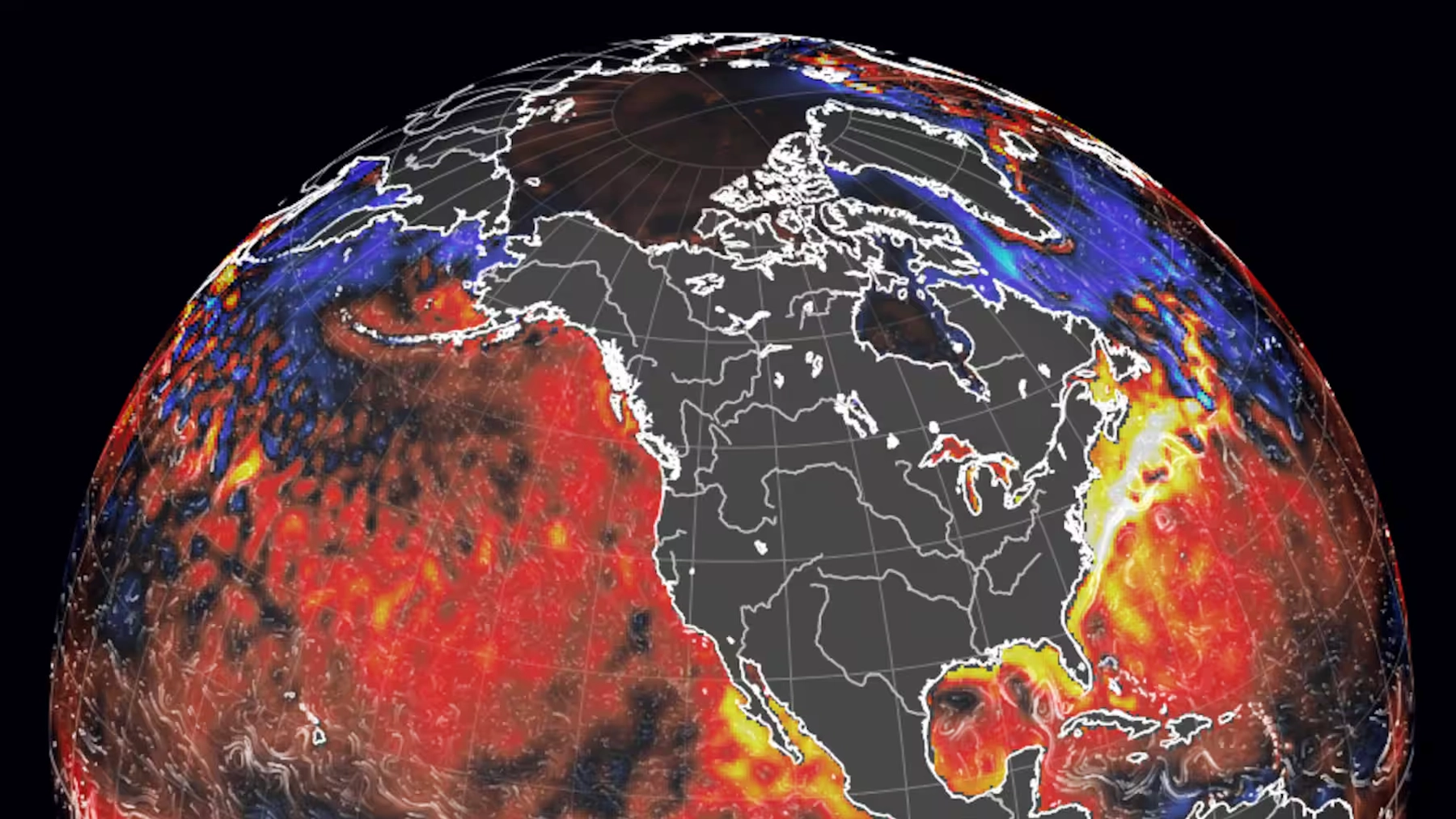
‘Godzilla’ El Niño predicted to wreak havoc on entire world

A powerful 'Godzilla' El Niño event has the potential to wreak havoc on the entire world - Happy Wednesday everyone.
El Niño refers to the unusually warm phase that occurs when surface waters in the Pacific Ocean heat up.
It happens when normal, east-to-west trade winds weaken or reverse, causing warm water to pool along the Americas and disrupt global weather, often causing heavy rains in some regions and severe droughts in others.
Whie there have been only a handful of these cases since 1950, the World Meteorological Organization said this El Niño is likely to strengthen over the rest of 2026, driving more extreme weather around much of the globe.
Advert
Warming above two degrees indicates a 'very strong' El Niño, and in case you're wondering, the 'Godzilla' term was used by the media to describe an exceptionally strong El Niño event during the 2015–16 season.
It was one of the strongest on record, contributing to severe droughts, floods, crop losses, wildfires and economic damage in many parts of the world.
Threat to global food supplies
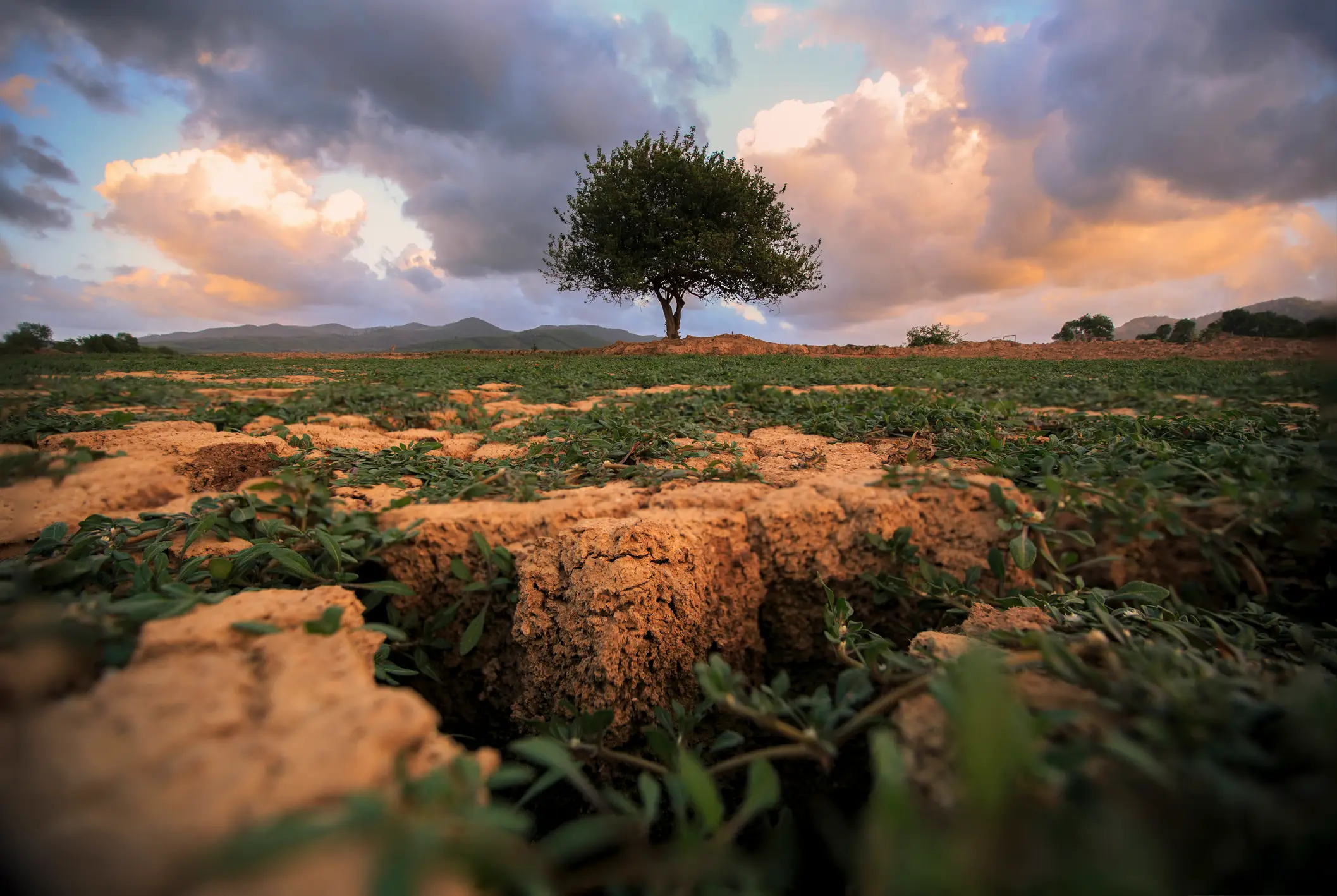
Southern Africa experienced one of its worst droughts in decades during the 2015–16 El Niño.
Maize harvests fell, which forced the country to import large quantities of grain that caused food prices to rise.
Experts fear that a similar situation could happen again, particularly in countries that rely heavily on agriculture and already face food insecurity.
Governments and food markets are being urged to plan ahead and manage reserves carefully to avoid shortages and price increases.
Increased migration
Another possible outcome is increased migration. In Central America’s 'Dry Corridor', which includes parts of Guatemala, Honduras, El Salvador and Nicaragua, El Niño often brings severe drought.
Failed harvests can leave farming families without income or food, forcing them to move to towns and cities in search of work, The Telegraph reports.
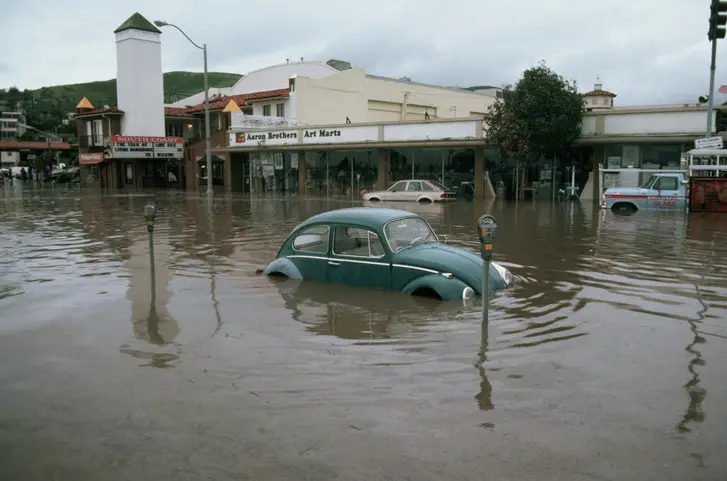
In contrast, parts of eastern Africa may experience heavier rainfall and flooding, which can destroy homes and displace communities.
While most climate-related migration happens within national borders, large-scale displacement can put additional pressure on urban areas and public services.
Rising risk of conflict
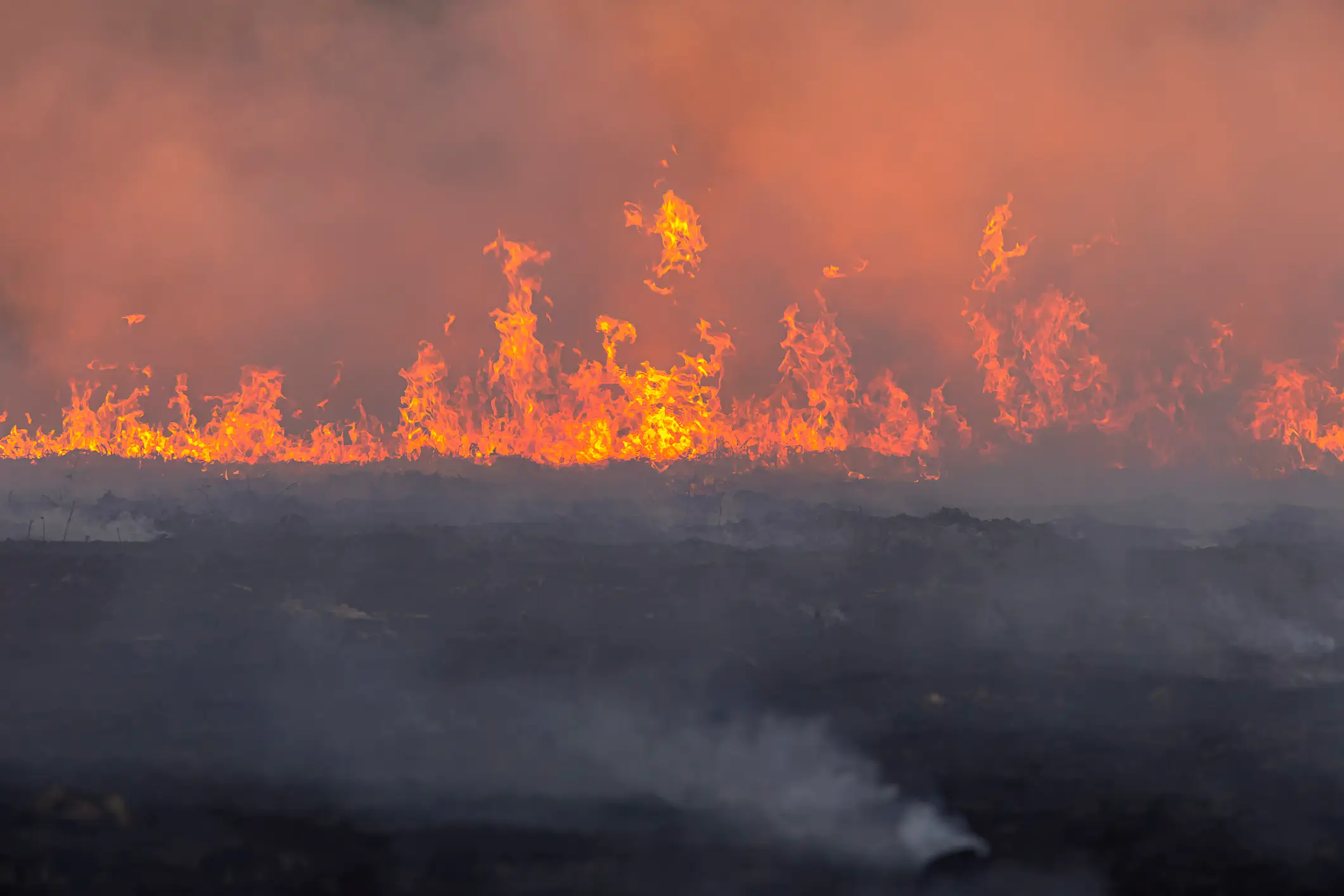
Experts also warn that extreme weather could worsen instability in regions already affected by conflict.
Scarcity of food and water may increase tensions and make humanitarian crises more difficult to manage.
Following May's record-breaking temperatures in the UK, you might be wondering if the El Niño will affect us across the pond.
How will the Super El Niño affect the UK?
Met Office spokesperson Nicky Maxey told LADbible that the extreme conditions will 'indirectly' affect Britain and will be 'just one of several climate drivers influencing weather patterns in Europe and the UK'.
"Its impacts here in the UK are typically indirect, but it can increase the likelihood of more unsettled conditions later in the year, including a higher chance of wetter weather during autumn and early winter," Maxey said.
"However, any potential impacts will be assessed in more detail later in the year as forecasts evolve."
How does an El Niño year happen?
Strap in, folks. It’s time for some science.
It all starts with something called trade winds, which are permanent winds around the equator which usually blow from east to west. So in the equatorial Pacific, they blow from the Americas towards Australia and New Zealand.
As the wind blows the water east, it is warmed by the sun, so by the time it gets to the other side of the Pacific, the warm water causes hot air to rise, leading to warm, wet and unsettled weather. Meanwhile, colder water from deeper in the ocean rises in the east to replace the water blown west.
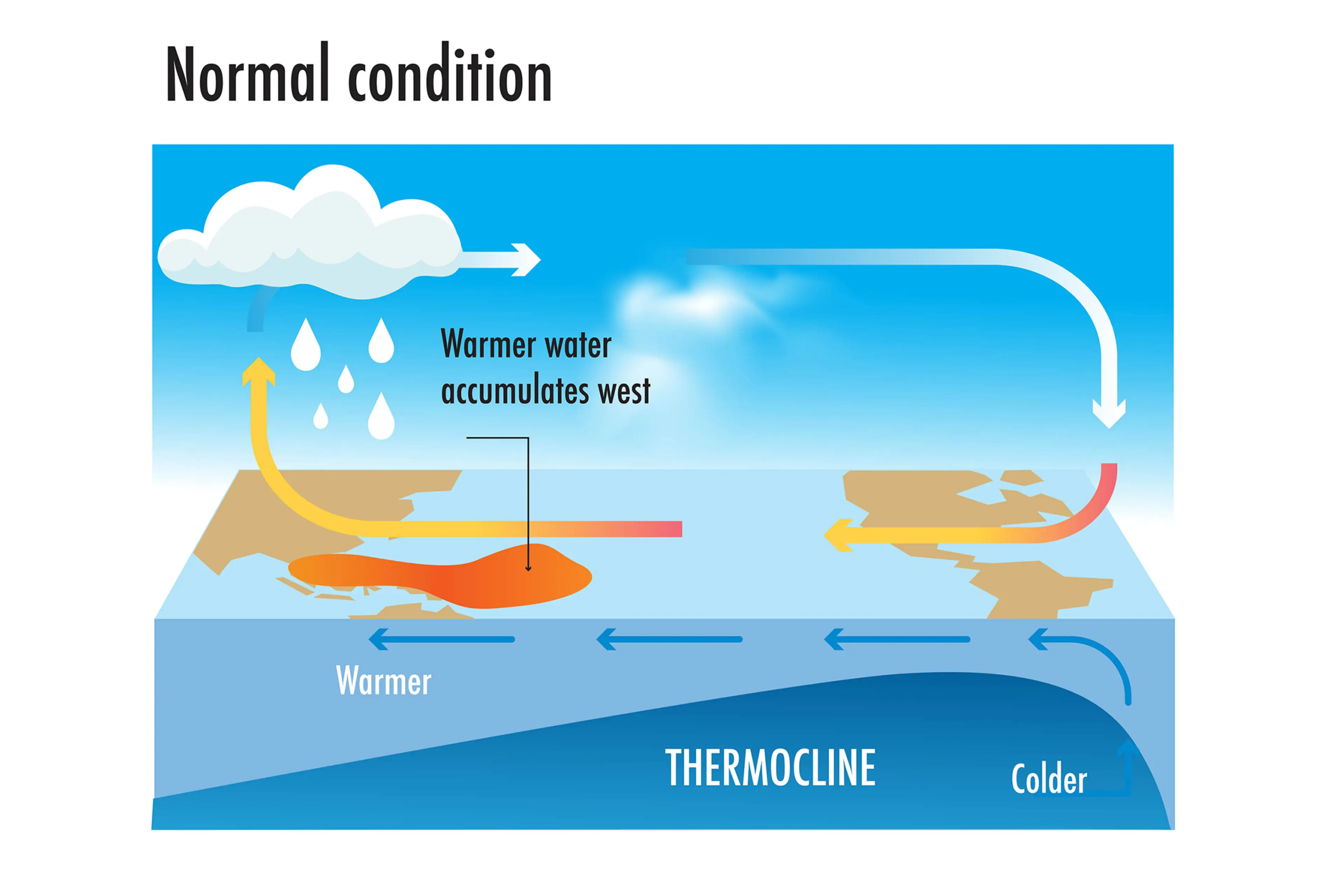
But during El Niño years, this gets disrupted.
When trade winds are weakened or even reversed, the temperature difference between the east and west is cancelled out, and usually cold parts of the ocean warm up.
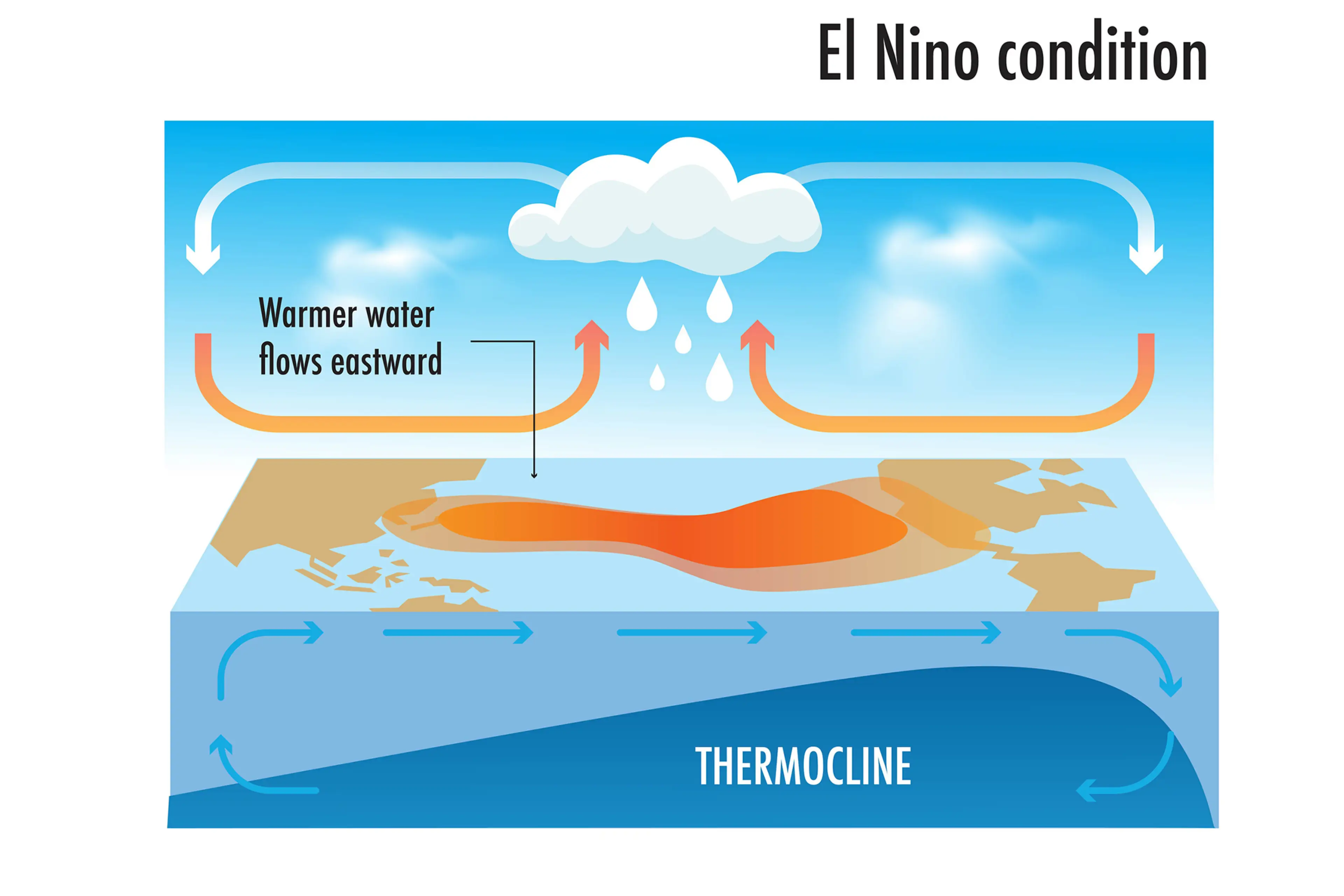
Rainfall and wind patterns change across the equatorial Pacific, which has a knock-on effect around the world.
Anyone else's head hurt a bit?
 Anish Vij