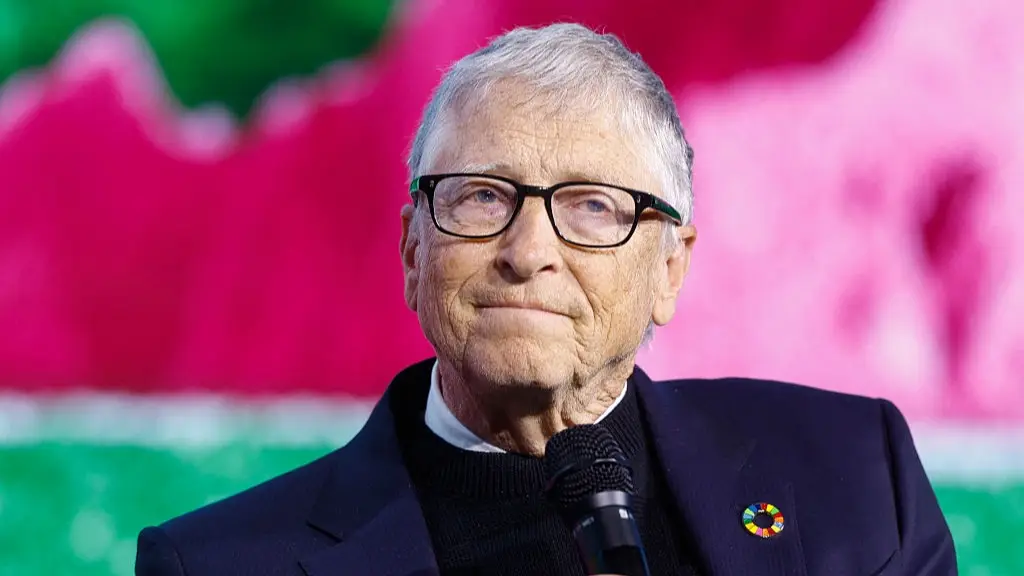
Bill Gates issues four warnings about how AI will impact our futures

Microsoft founder Bill Gates has issued four warnings about how AI could impact our futures as concerns around the technology continue to grow.
While artificial intelligence was once something that could answer basic questions or generate terrible videos of Will Smith eating spaghetti, it has now grown into a force to be reckoned with.
When people aren't busy using it to hack into important systems or start bizarre relationships with it, they're seemingly using it to make their jobs a bit easier.
But now, as the technology has become far more advanced, it is suddenly far more realistic that the AI could replace us entirely, whether that be at work or at home.
Advert
After Microsoft shared a list of the jobs that are perhaps most at risk from being replaced by AI, its co-founder has now suggested four ways in which AI could cause trouble.
How could AI take away our jobs?
This is the primary concern for a lot of people right now when it comes to AI, and Gates seems to agree that it's a matter of when and not if.
Although the likes of cooks and surgeons should be safe for a while yet, while Jeff Bezos suggested that we just need a creative spark, Gates writes that it will likely be a 'bumpy transition' as we adjust to more AI roles in the office.
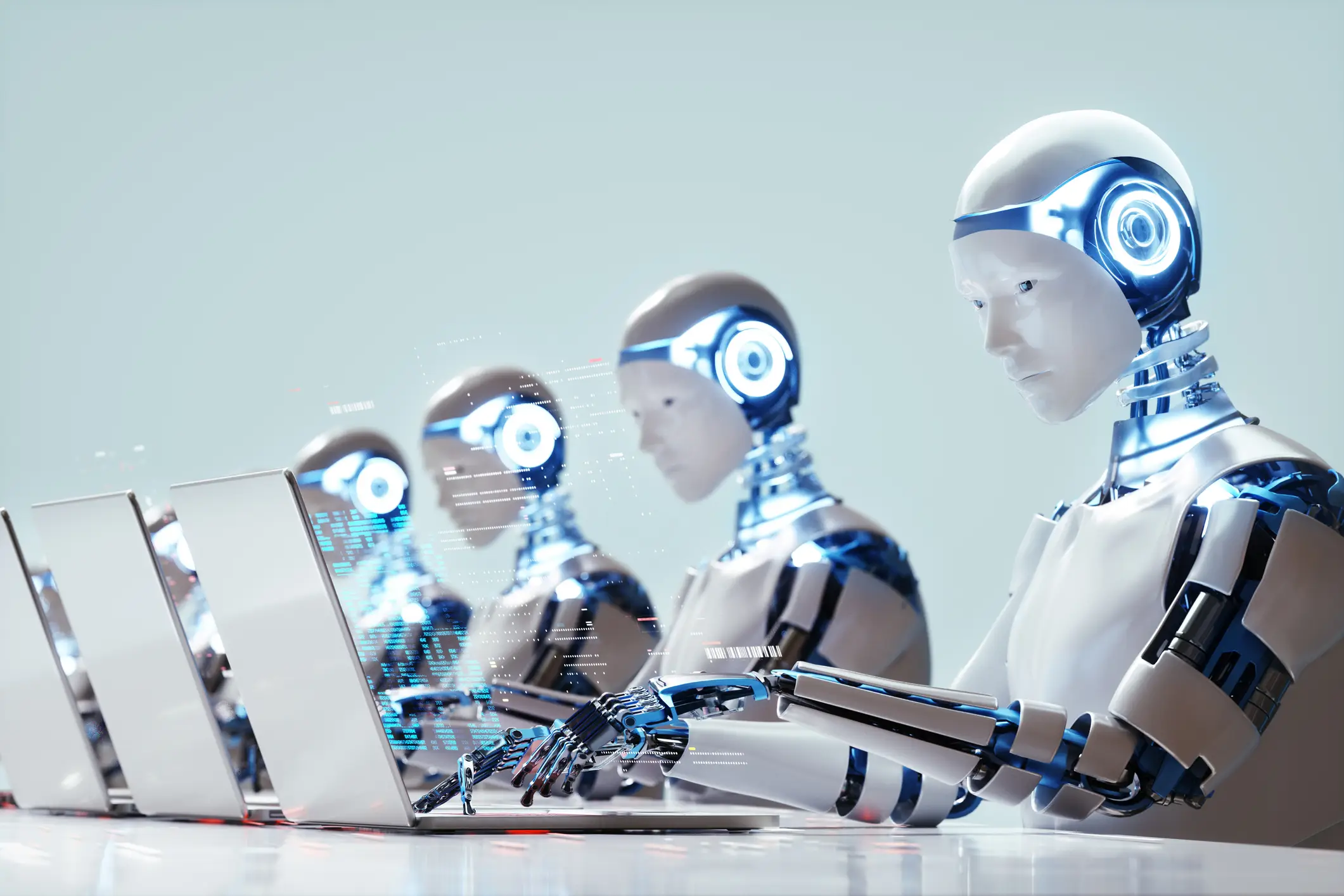
He writes: "It’s good for society when productivity goes up. It gives people more time to do other things, at work and at home. And the demand for people who help others—teaching, caring for patients, and supporting the elderly, for example—will never go away.
"But it is true that some workers will need support and retraining as we make this transition into an AI-powered workplace. That’s a role for governments and businesses, and they’ll need to manage it well so that workers aren’t left behind—to avoid the kind of disruption in people’s lives that has happened during the decline of manufacturing jobs in the United States."
Deepfakes and misinformation
We've probably all come to trust the answers that AI gives us to our simple questions but there are still many cases where it gets things wrong.
Recent cases alone have highlighted why the technology cannot be fully trusted when it comes to solving crimes, after two prominent cases of facial recognition going wrong.
Deepfakes created by AI have already caused huge issues on X and Gates argues that misinformation and deepfakes could be disastrous if used in election campaigns.
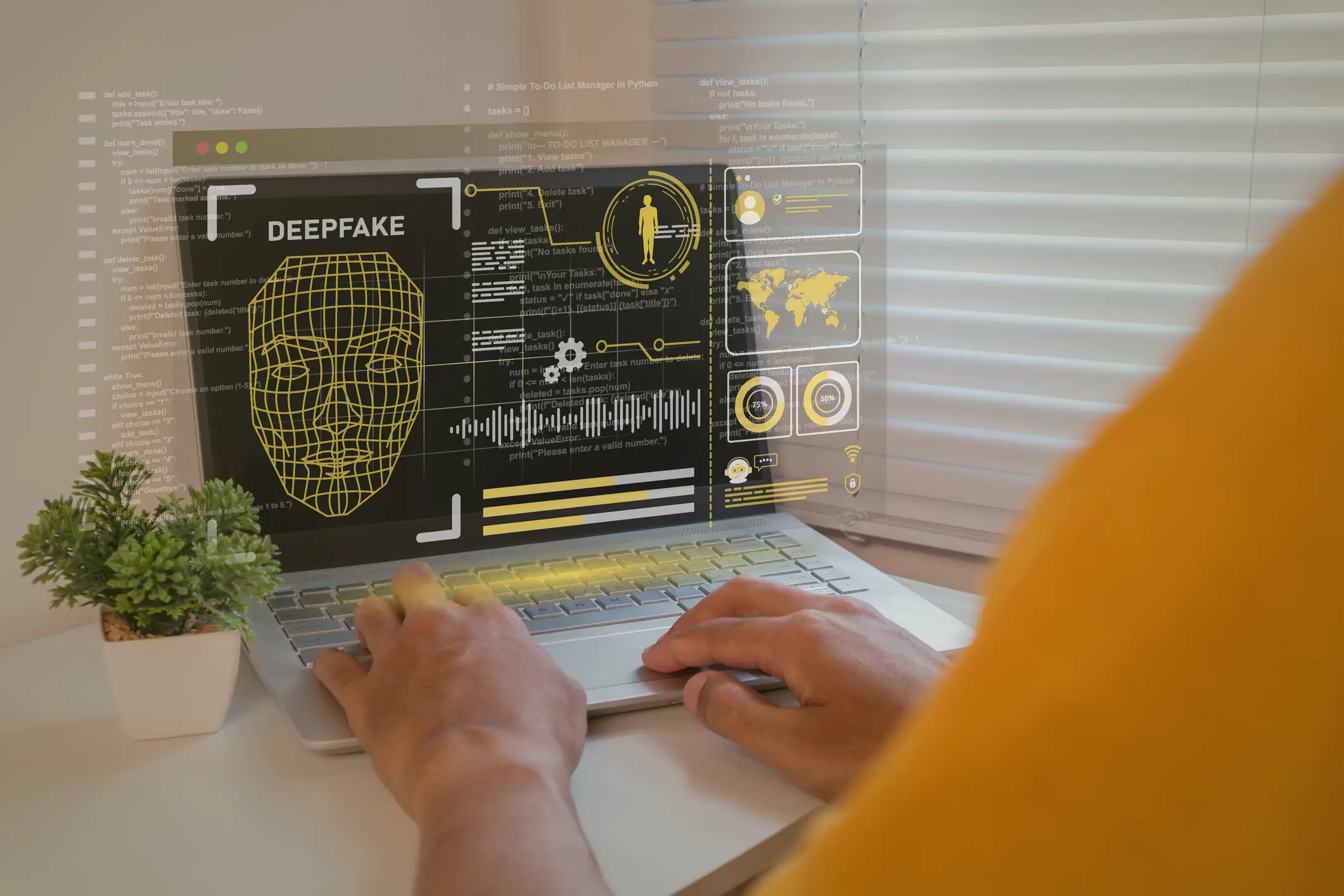
He writes: "AI-generated deepfakes could be used to try to tilt an election. Of course, it doesn’t take sophisticated technology to sow doubt about the legitimate winner of an election, but AI will make it easier.
"There are already phony videos that feature fabricated footage of well-known politicians. Imagine that on the morning of a major election, a video showing one of the candidates robbing a bank goes viral. It’s fake, but it takes news outlets and the campaign several hours to prove it.
"How many people will see it and change their votes at the last minute? It could tip the scales, especially in a close election."
The threat of using AI in government attacks
Thanks to AI, we are all suddenly experts when it comes to travel, science or technology.
But it also means that, with the right advice, anyone could become an expert hacker and perhaps use their new-found powers in a less than responsible way.
Gates adds: "Security experts who want to counter hackers have to do the same thing. Every software patch you install on your phone or laptop represents many hours of searching, by people with good and bad intentions alike.
"AI models will accelerate this process by helping hackers write more effective code. They’ll also be able to use public information about individuals, like where they work and who their friends are, to develop phishing attacks that are more advanced than the ones we see today."
AI making things up
While we might see changes on this in the future, there's no doubt that right now, AI has an annoying habit of simply making things up.
As Gates puts it, we might ask AI to plan a holiday for us and it will send us to a hotel that doesn't actually exist. These are known as 'hallucinations' and they happen fairly often.
Gates also points out that 'another risk with artificial intelligence is that it reflects or even worsens existing biases against people of certain gender identities, races, ethnicities, and so on'.
Topics: Bill Gates, Artificial Intelligence, AI, Technology
 James Moorhouse