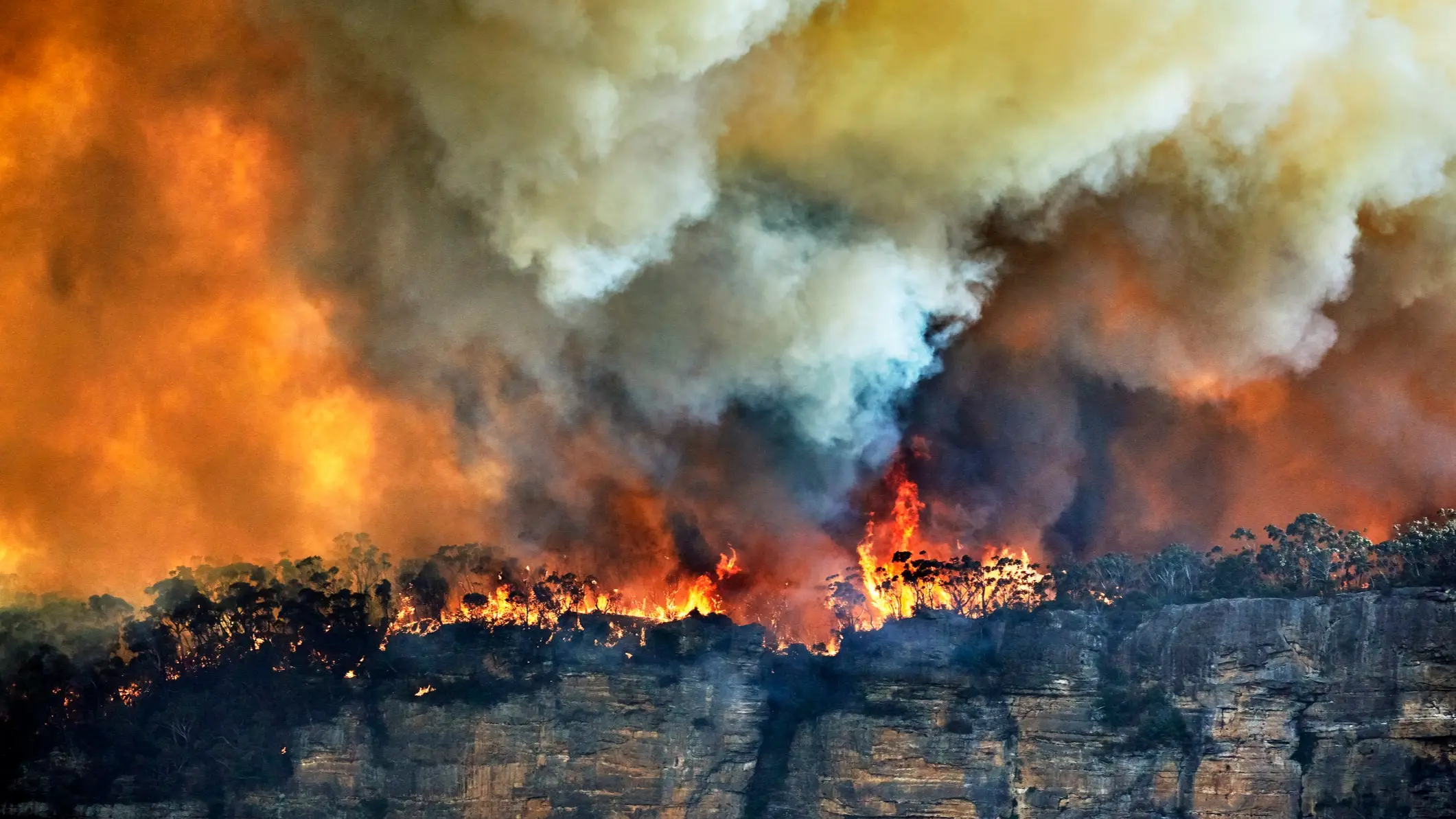
NASA supercomputer made very worrying prediction for when the world will end

We're probably more worried right now about the world ending than ever before but a NASA supercomputer has speculated when we might kick the bucket as a species.
Considering the current goings on between Iran and the US, with Donald Trump and JD Vance both hinting at the potential for it to go nuclear, it's natural to be concerned about how long the Earth might have left.
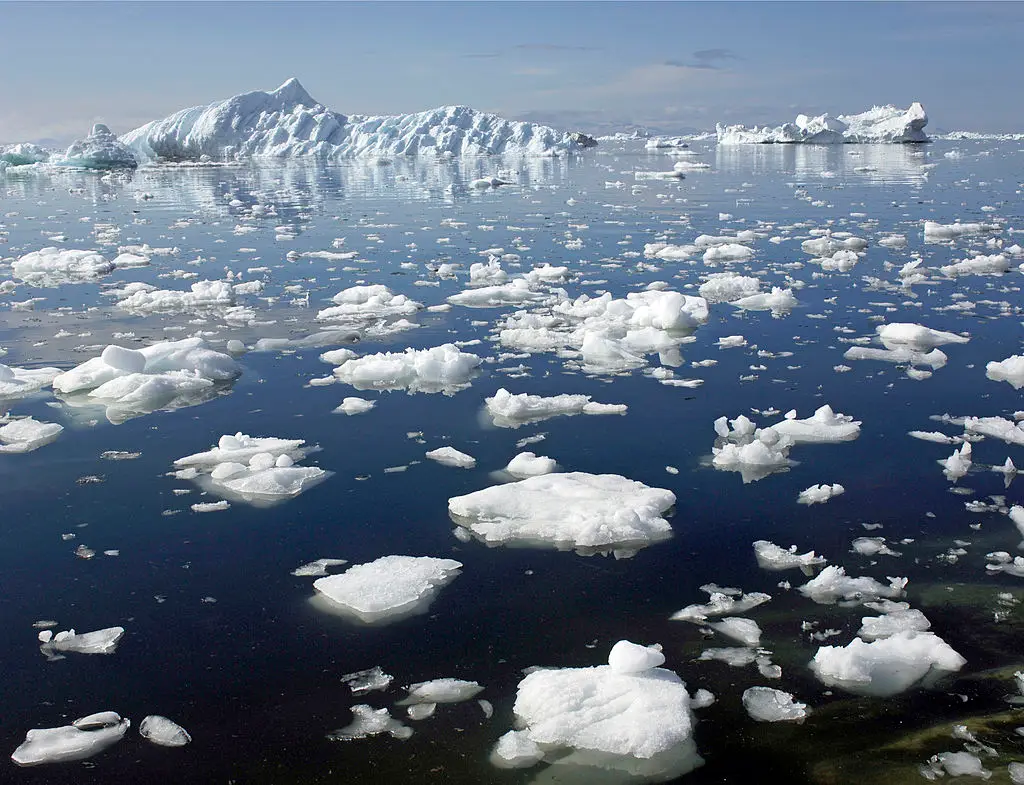
As much as we might be ignoring climate change as a society, there's no doubt that the damage to the ozone layer is also having a big impact, most noticeably with the ice caps melting.
Scientists seem to be more focused on finding somewhere else to live than our own planet, with the recent Artemis II mission set to pave the way towards humans visiting Mars in the future, a planet which Elon Musk apparently wants us to live on.
Advert
In the past, we've been safe in the knowledge that we have about five billion years to go until the Sun will reach its red giant phase, expanding to 200 times its size and swallowing Earth. Fun.
But, with the help of a NASA supercomputer, scientists now reckon there will be no life on Earth around to see that. The computer has spat out a date for the extinction of all living things on Earth significantly less far into the future.
A group of cheery scientists ran 400,000 simulations to work out when all life on planet Earth will die.
According to a study titled 'The future lifespan of Earth’s oxygenated atmosphere', the fate of life on Earth is tied directly to the evolution of the Sun.
Over billions of years, the Sun will continue to expand and emit more heat, slowly transforming Earth into an increasingly hostile environment.
While we might joke about needing some warmer weather here in the UK, the heating of the planet could soon make it inhospitable, but the NASA supercomputer fortunately reckons that it might take until the year 1,000,002,021.
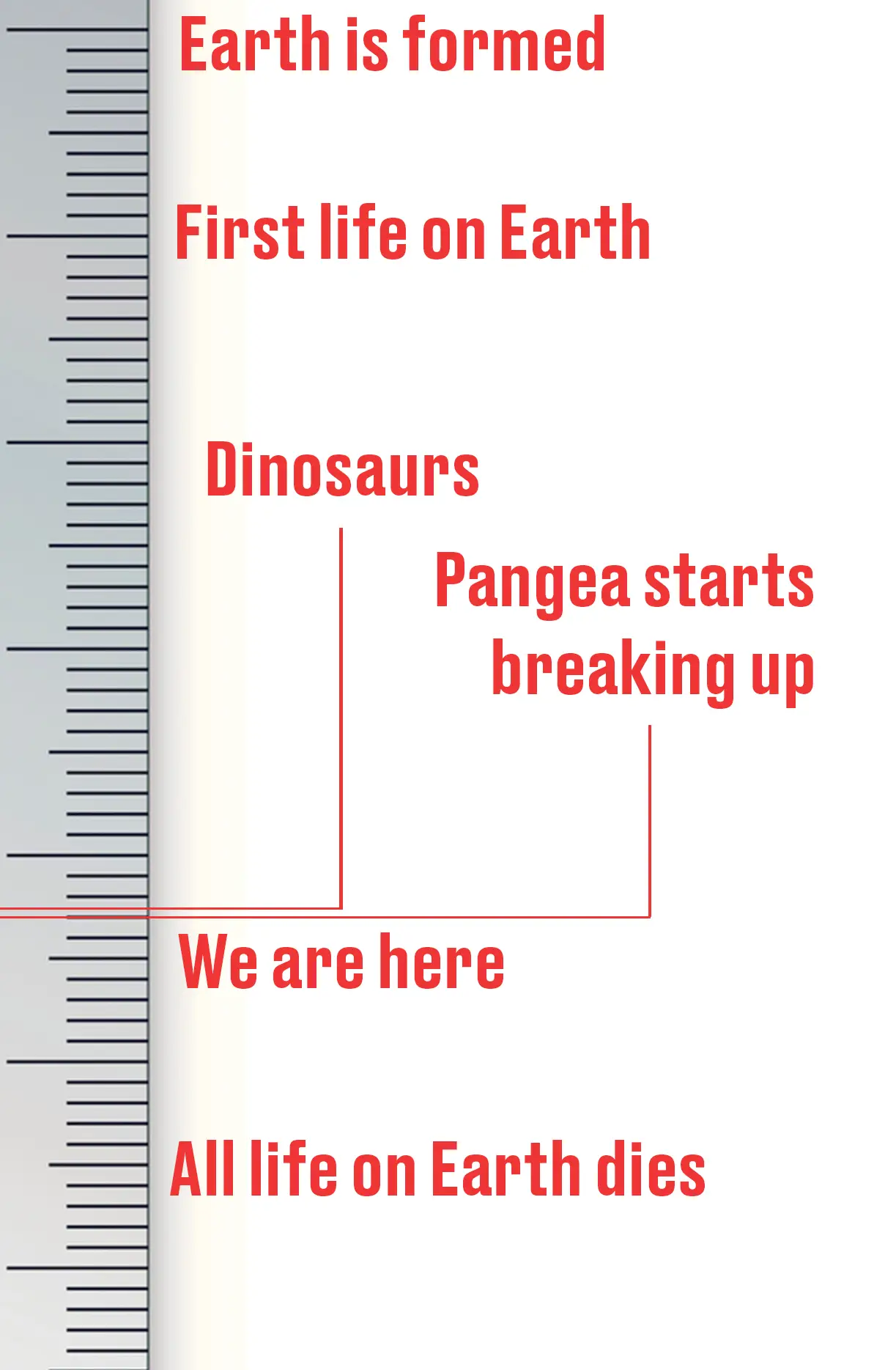
By that point, even the most resilient microorganisms won't make it, as the oceans will have evaporated, the atmosphere will have thinned, and surface temperatures will make life impossible. But humans certainly won't make it as long as that.
Rising temperatures, declining oxygen levels, and deteriorating air quality will likely be the end of our species on this planet at least, and we're already starting to see signs of these changes across the Earth, suggesting that more struggles aren't far away at all.
“For many years, the lifespan of Earth’s biosphere has been discussed based on the steady brightening of the Sun,” said Kazumi Ozaki, the study’s lead author.
Before, Ozaki said estimates gave life around two billion years, but newer models pretty much cut that period in half.
“If true,” he wrote: “One can expect atmospheric O₂ levels will also eventually decrease in the distant future.”
In other words, anything that needs oxygen to survive will be gone in about a billion years but considering the current state of the world, it will feel like a miracle if our ancestors make it that far, as even our AI overlords might not be able to survive in a world without electricity.
Topics: NASA, Environment, Science
 James Moorhouse