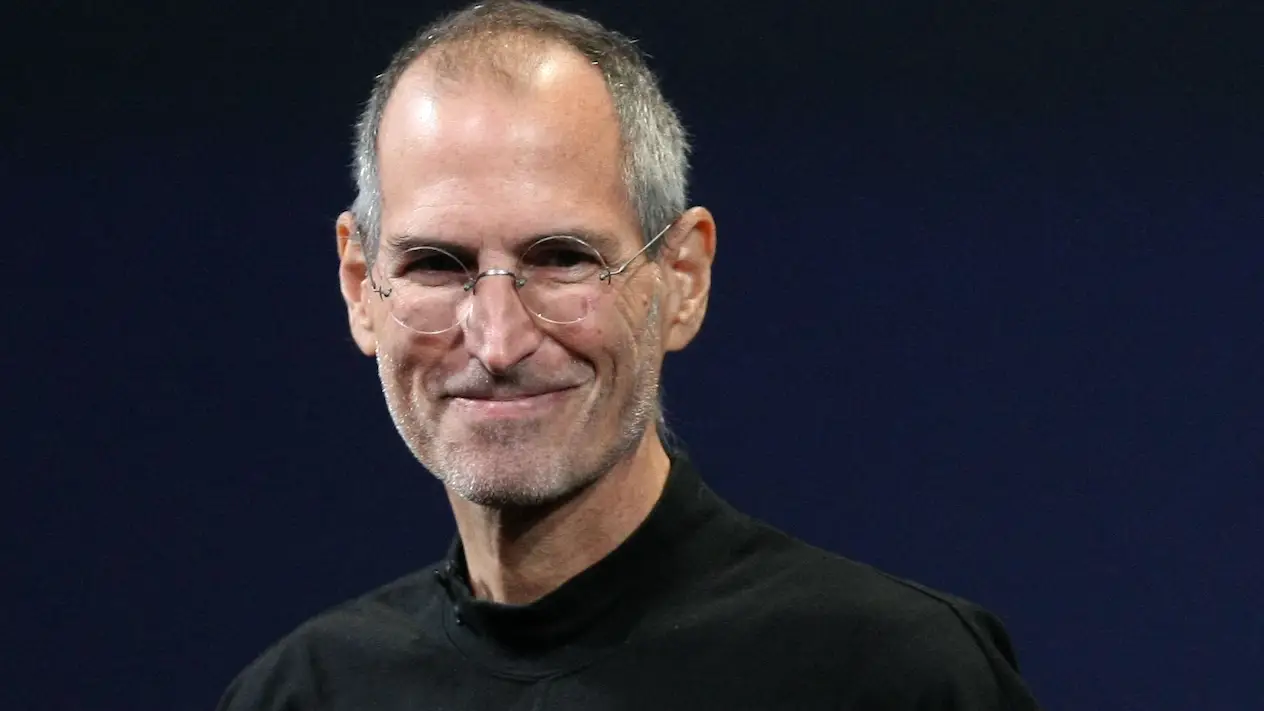
Steve Jobs made four eerily accurate predictions for future before death

Before he died Steve Jobs made a number of predictions about the way the world of technology would change and develop as time went by and he was quite accurate with a few of them.
Back in 1996, Steve Jobs told Wired about his thoughts on where technology was heading in the next few years, and he got to see quite a few of those changes in person before passing away in 2011.
Looking at these predictions it helps explain some of Apple's business decisions in the noughties as well as the rise of major tech giants like Amazon.
Of course you can't be right all the time and some of the things Jobs predicted panned out differently to his expectations.
Advert
It just goes to show that the future remains that undiscovered country where we can make our best guesses for what it holds but we won't really know until we finally get there.

The internet will be everywhere
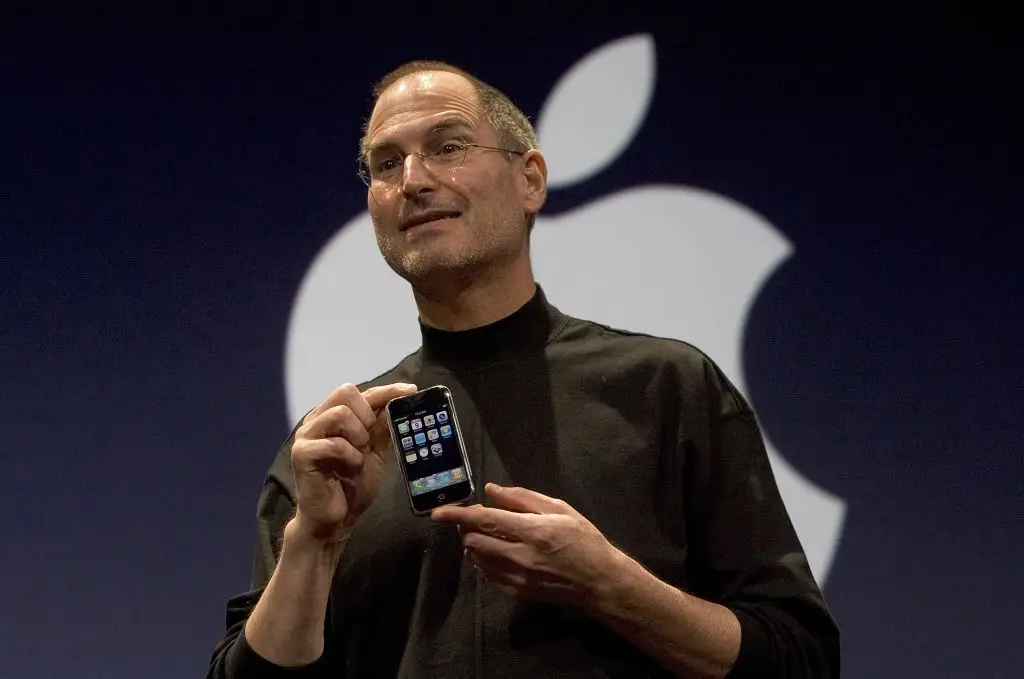
No wonder the first iPhone came with the ability to get on the internet, as a little over 30 years ago Jobs told Wired 'the most exciting things happening today are objects and the web'.
Describing the internet as 'ubiquitous', he predicted 'there will be web dial tone everywhere'.
That one was slightly wide of the mark given how we moved beyond dial-up (if you don't know what that is, ask your parents), but the idea that everyone would be on the internet everywhere proved to be pretty much bang on.
He had said: "One of the major reasons for the Web's proliferation so far is its simplicity.
"A lot of people want to make the Web more complicated. They want to put processing on the clients, they want to do this and that. I hope not too much of that happens too quickly.
"It's much like the old mainframe computing environment, where a Web browser is like a dumb terminal and the Web server is like the mainframe where all the processing's done.
"This simple model has had a profound impact by starting to become ubiquitous."
The internet certainly has become a bit more complicated since he said that, but the internet's growing dominance over the last few decades cannot be denied.
Online shopping
The world of e-commerce is booming like never before as companies like Amazon are able to afford their own spaceships and almost anything you can think of can be bought online.
Back in 1996, Jobs said you just had to 'think of all the people now bringing goods and services directly to customers through the web' and predicted there'd be 'an incredible amount of work' involved with businesses selling online.
He turned out to be right, as he said: "It's more than publishing. It's commerce. People are going to stop going to a lot of stores. And they're going to buy stuff over the Web!
"The Web is not going to change the world, certainly not in the next 10 years. It's going to augment the world. And once you're in this Web-augmented space, you're going to see that democratization takes place.
"The Web's not going to capture everybody. If the Web got up to 10 percent of the goods and services in this country, it would be phenomenal.
"I think it'll go much higher than that. Eventually, it will become a huge part of the economy."
One could argue that the internet did change the world over the next 10 years, and over the next 20 it continued to grow.
Developed economies in particular have seen more and more shopping done online, and Jobs predicting people would 'stop going to a lot of stores' turned out to be very true.
Cloud storage
Cloud storage was actually invented years before Jobs was speaking in 1996, and AT&T were already calling web-based storage 'the cloud' in their adverts in 1994.
However, the Apple boss did turn out to be right about how much more storage would be shunted onto it.
"You may not have to manage your own storage. You may not store much before too long," Jobs suggested.
"I don't store anything anymore, really. I use a lot of e-mail and the Web, and with both of those I don't have to ever manage storage.
"As a matter of fact, my favorite way of reminding myself to do something is to send myself e-mail. That's my storage."
While cloud storage was already a thing when he was talking back then it wouldn't go mainstream until the following decade where he'd have lived to see himself proven right.
Ordering cars online
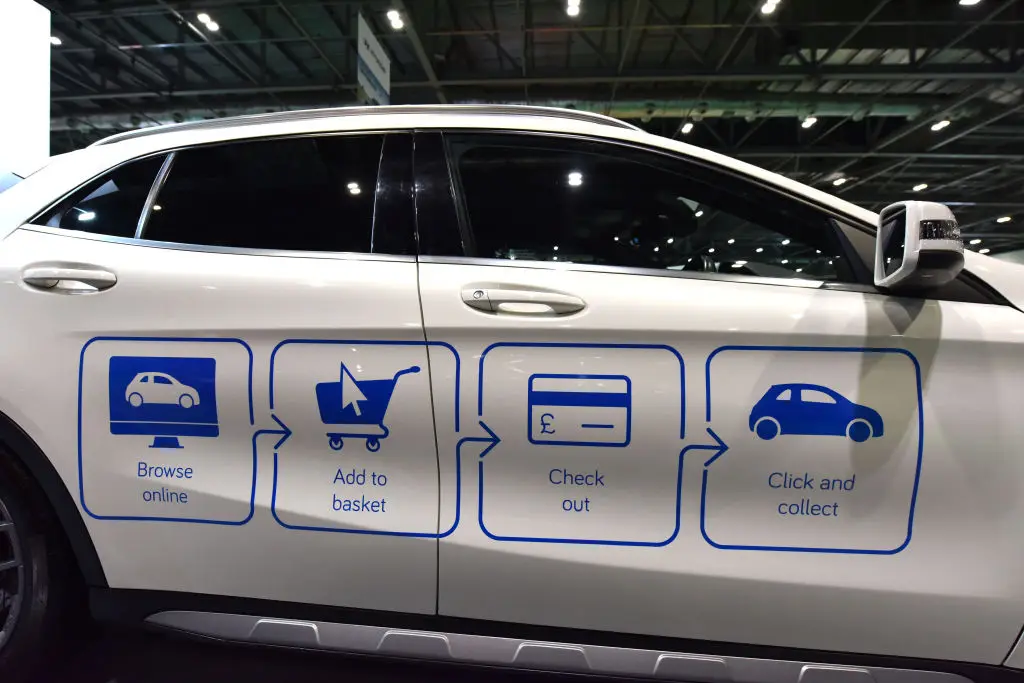
This is another one the Apple boss turned out to be correct about, as he reckoned you'd be able to order a car online with your preferences keyed in rather than having to find that exact model at a dealership.
"So much money is spent on inventory - billions and billions of dollars. Inventory is not a good thing. Inventory ties up a ton of cash, it's open to vandalism, it becomes obsolete. It takes a tremendous amount of time to manage.
"And, usually, the car you want, in the color you want, isn't there anyway, so they've got to horse-trade around. Wouldn't it be nice to get rid of all that inventory?
"Just have one white car to drive and maybe a laserdisc so you can look at the other colors. Then you order your car and you get it in a week."
Going hand in hand with the rise of e-commerce, this one is now something pretty much anyone wanting to buy a car can do if they really want.
RIP Steve, you would have loved ordering a car online.

Can't win them all, Steve
In one prediction that turned out not to be true, Jobs reckoned people wouldn't use the internet to get their information as he thought people's attention span was already occupied with TV.
He said: "We live in an information economy, but I don't believe we live in an information society. People are thinking less than they used to.
"It's primarily because of television. People are reading less and they're certainly thinking less. So, I don't see most people using the Web to get more information. We're already in information overload.
"No matter how much information the Web can dish out, most people get far more information than they can assimilate anyway."
If only he knew many people's TV watching habits would turn out to be lying on the sofa barely paying attention while looking at things online thanks to their phone.
Topics: Steve Jobs, Technology, Apple
 Joe Harker