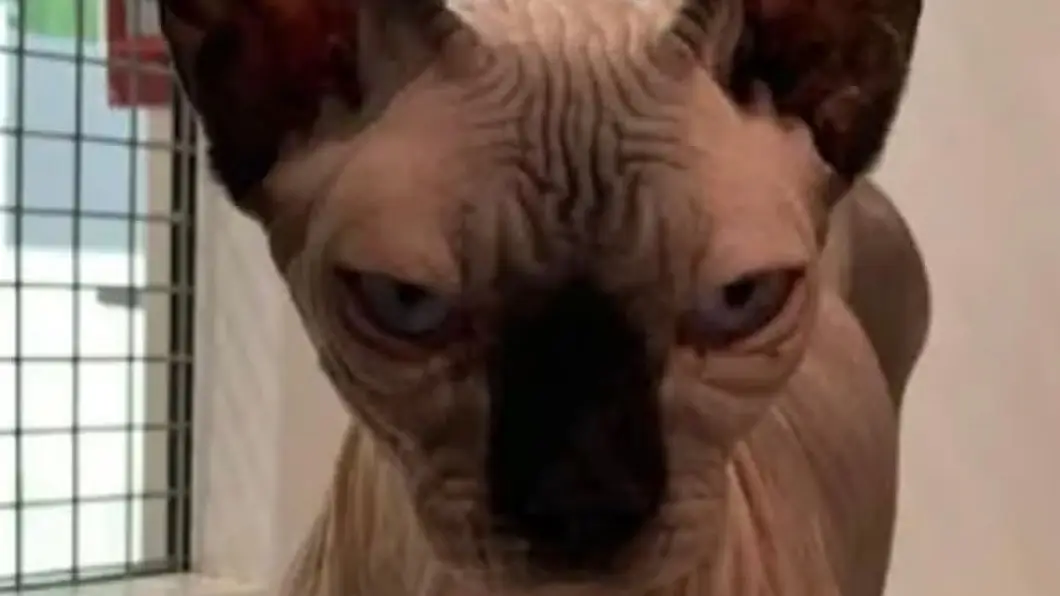
Warning issued as 'Frankenstein' XL Bully cats boom in popularity

An animal charity is urging pet lovers not to treat felines like a fashion trend amid the rise of a bizarre breed.
Experts at Cats Protection have issued a warning to people 'pushing the moral and ethical boundaries' of the pet industry by producing cats compared to XL Bully dogs.
Although some people might think this breed might look unique, the UK’s largest cat welfare charity has warned that they are riddled with 'deformities', leading them to endure 'painful health and welfare problems'.
Cats Protection said there has been a concerning increase in the amount of cats in the UK which have 'extreme traits', including the XL Bully cats.
Advert
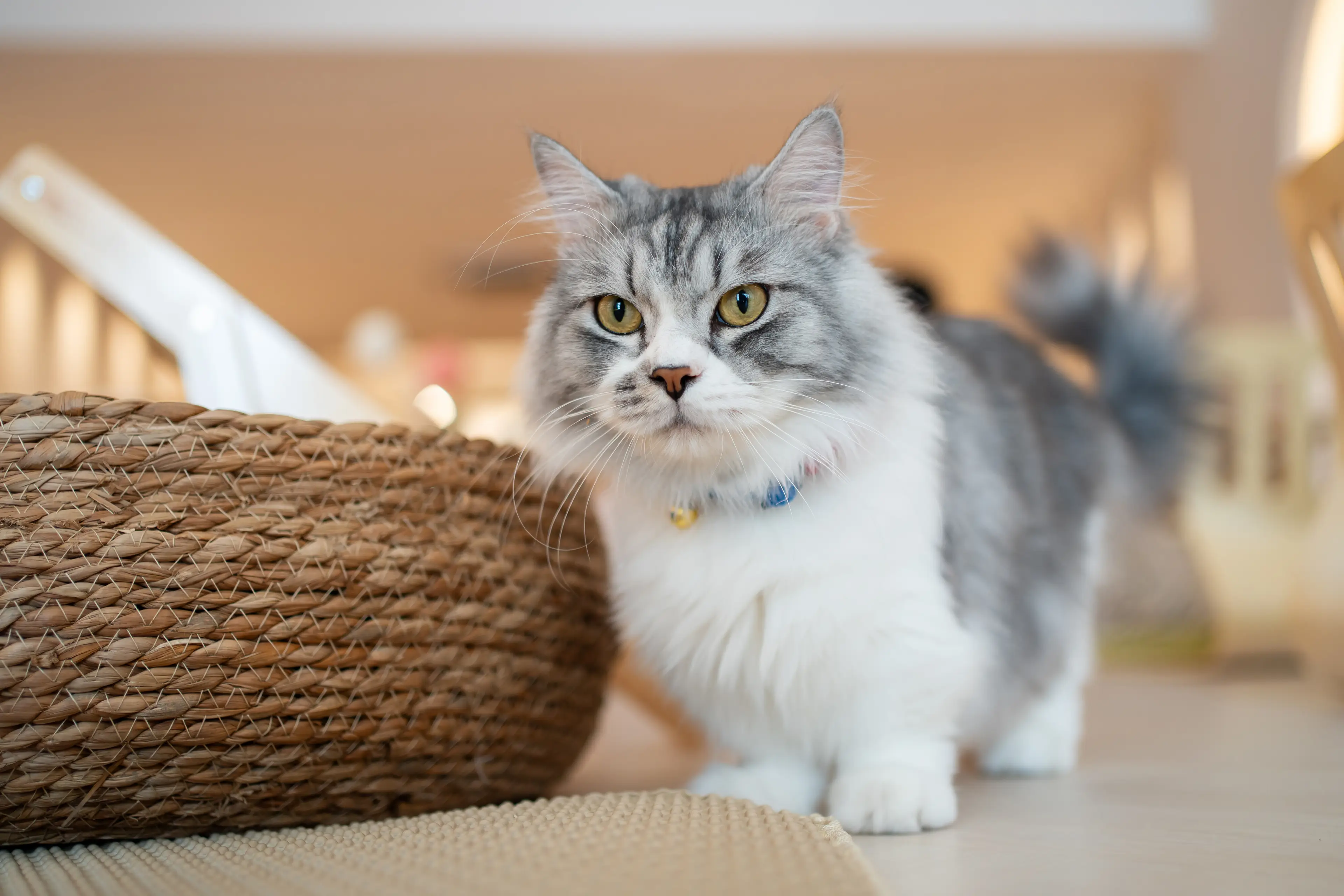
According to the charity, this is a combination of the Sphynx and the Munchkin cat - and as a result, these animals have shortened legs, excessively wrinkled skin and curled ears.
"Any one of these body types is likely to cause painful health and welfare problems," it warns.
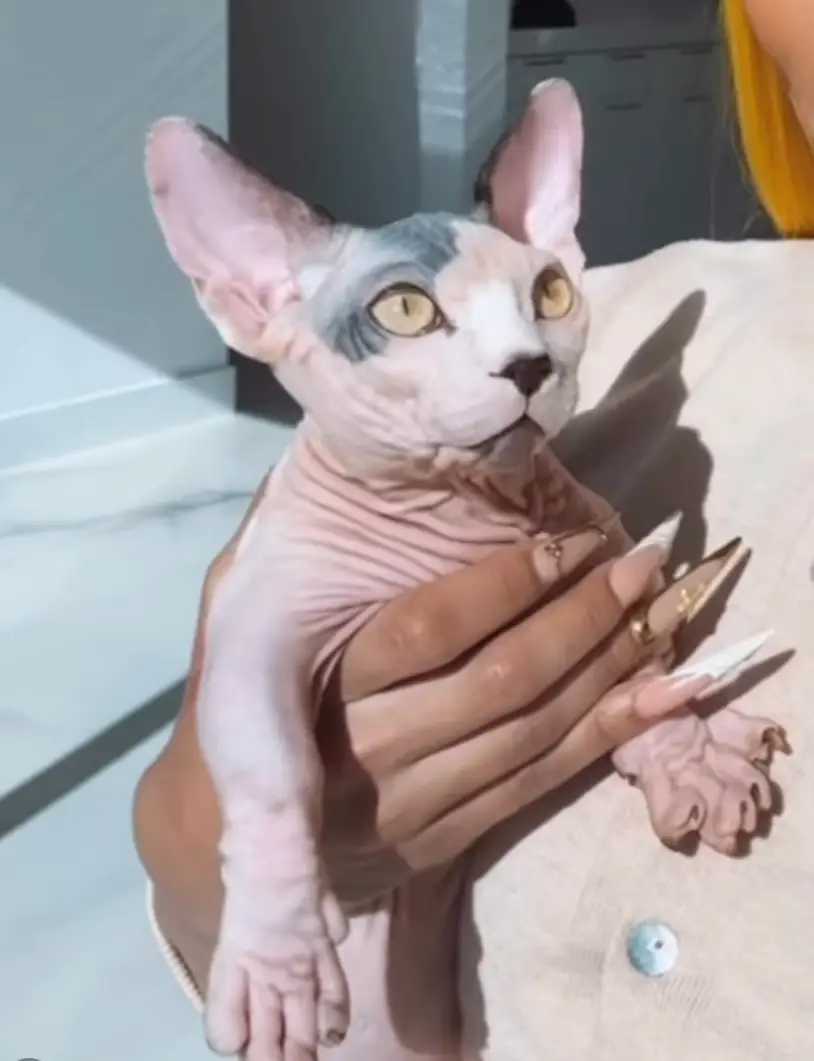
"Currently the Bully Cat is not a breed recognised by the UK’s leading pedigree cat registration body, The Governing Council of the Cat Fancy (GCCF)," Cats Protection explained.
The campaign group has raised 'serious concerns' about the welfare of these cats and has called on the government to introduce new legislation to cramp down on unregulated breeders.
These Bully cats are said to have a short life expectancy and during their lives, will likely suffer from 'serious health issues'.
They first came onto the scene back in 2024, which is the year that it became illegal to own, possess, sell, abandon, or breed XL Bully dogs after a spate of horrific attacks.
This dog breed was created during the 1990s by a man called Dave Wilson from the US state of Virginia, who crossed an American Staffordshire terrier with an American bulldog and other breeds to create the XL Bully.
Wilson originally bred pitbulls, but said that the United Kennel Club (UKC) changed the standards at one point in the 1990s, so he decided – along with others – to create something different.
He previously discussed his motivation for doing so, saying: "We wanted a dog that was like a bodybuilder...a heavy-muscled, shorter dog.
"We also wanted to make sure that demeanour didn’t represent what the stereotype would be. So we started to create a dog with a very docile temperament. The ultimate companion breed."
It appears some cat breeders have now taken up a similar stance, while social media has also got some of the blame for the rising popularity of so-called 'Frankenstein’s moggies'.
The Associate Director of Advocacy at Cats Protection, Madison Rogers, explained that she has seen firsthand the limitations that these cats are left with due to being bred in such a way.
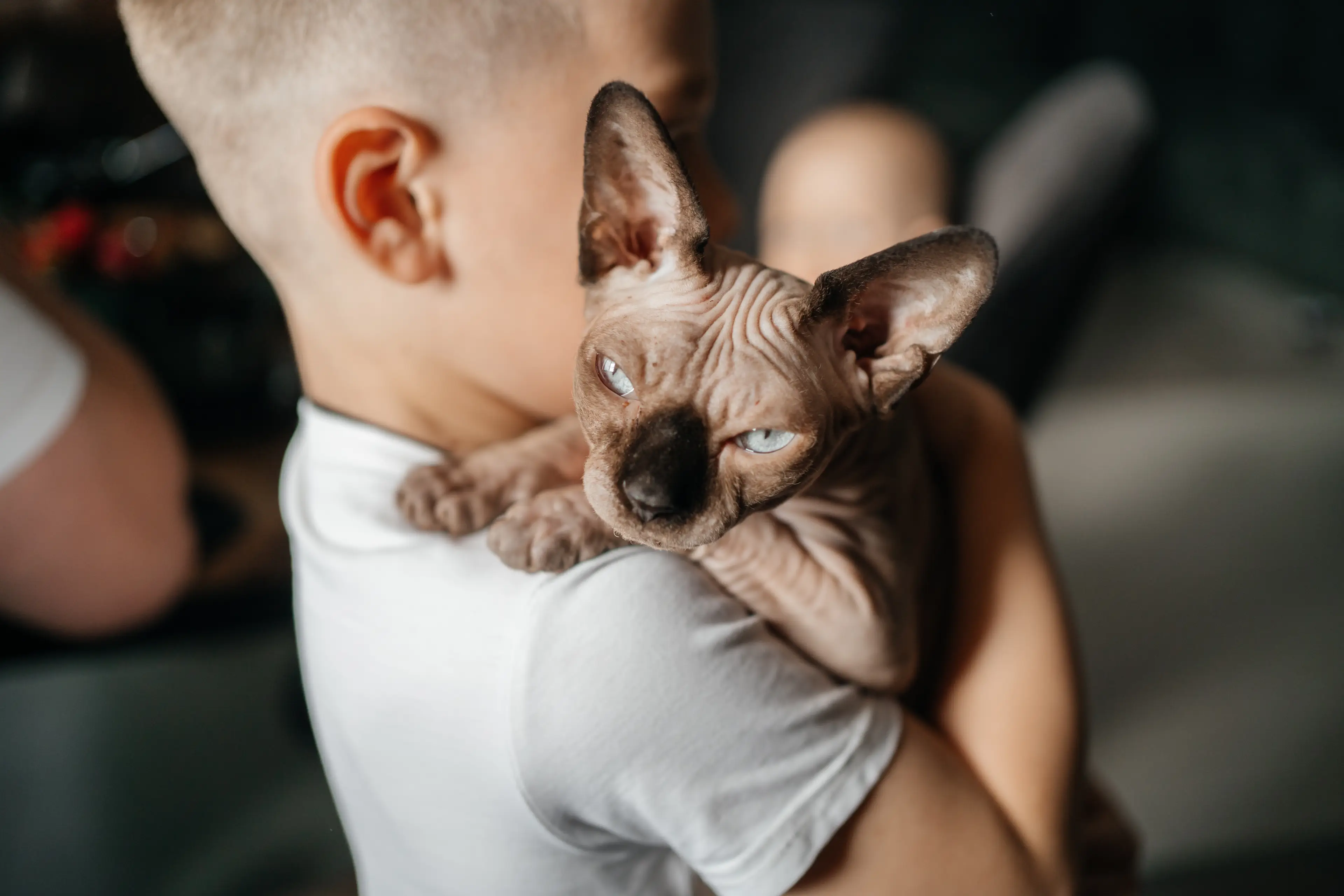
She explained that one XL Bully-style feline she helped was unable to exhibit normal cat behaviour.
"He had deformities in the front limbs and his spine, and signs of arthritis, which probably would have been the bit making it difficult for him to jump", Rogers said, as per The Mirror.
"There was also not much movement in some of his joints."
Cats Protection want animal lovers to help crackdown on breeders who are 'dramatically changing' the anatomy of the pets by 'experimenting' with them.
"Scottish folds now account for 2% of the UK cat population, while the XL Bully cat - which combines multiple extreme traits – first appeared in 2024 and has seen booming popularity," Rogers went on.
'People are ultimately experimenting with animals'
"There are people out there who are ultimately experimenting with animals, and really pushing the kind of moral and ethical boundaries of what is acceptable to create something 'different'," she said.
"If action is not taken quickly, we are likely to see more alarming examples of what we are calling ‘Frankenstein’ cats - who bear no resemblance to our beloved moggy and, tragically, come with multiple health issues.
"We’re urging the governments across the UK to regulate cat breeding and ban the breeding of cats with known harmful traits.
"But the public can do their bit too, we are by not buying these poor cats, and signing our petition calling for action."
Although cat breeding has been regulated in Scotland in Scotland since 2021, the same does not apply in the rest of the UK.
Cats Protection said that as a result of the lack of restrictions, cats are being sold while 'underage subsequently weak, prone to illness and in the worse cases may die'.
 Olivia Burke