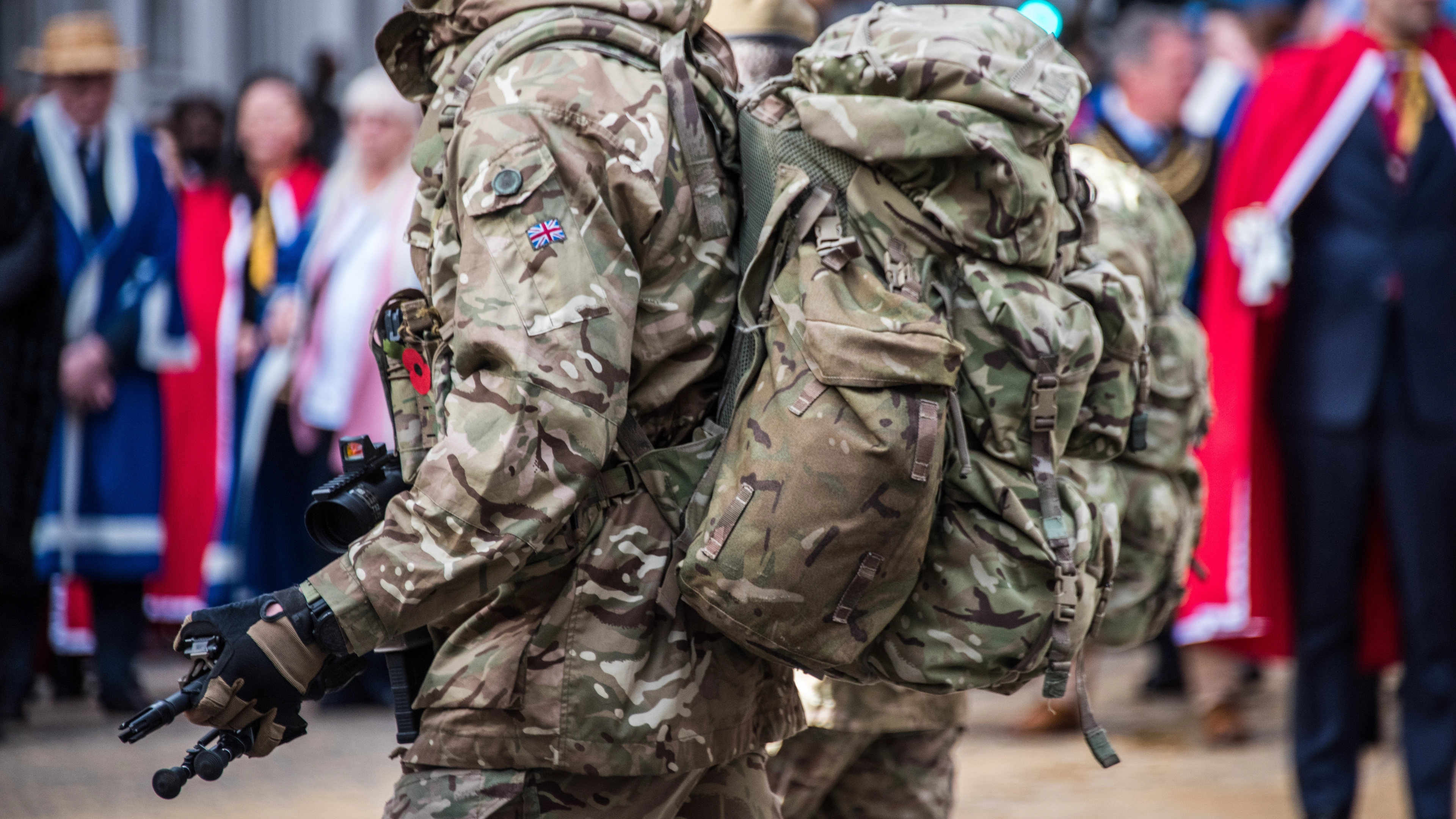
‘Severe’ punishment Brits could face if they refuse conscription

An historian has claimed Brits could face a 'severe' punishment if they refused conscription, so it's a good job that, for the moment at least, we don't have it in the UK.
Indeed, the government said last year it was 'not considering' reintroducing conscription and Prime Minister Sir Keir Starmer said 'nobody is talking about conscription'.
However, there are some having that conversation as warnings have been raised that the UK's armed forces have reduced in numbers in recent years, with the regular army falling from around 110,000 in 2010 to about 74,000 nowadays and concerns over numbers highlighted.
With events around the world raising tensions to create a more precarious situation than before, there have been warnings that if a larger scale war does come, the UK is just not ready to fight it.
Advert
The UK has implemented conscription twice before, during the two world wars, so if it was ever to happen again the world would have to be in real trouble.
Another problem is that a significant chunk of Brits have said they wouldn't join up even if conscripted into the armed forces, with a YouGov poll from 2024 saying 38 percent of under 40s saying they wouldn't volunteer and would 'refuse to serve if called up' in the event of a new world war.
That's compared to the 28 percent who said they would serve if called up to fight in a world war, while two equal chunks of 17 percent said they didn't know what answer to give or thought the armed forces wouldn't want them due to age or disability.
Those numbers shifted a bit if the UK was 'under imminent threat of invasion', with 34 percent saying they would be called up in such a situation just edging out the 30 percent who would still refuse.
Punishments Brits could face for refusing conscription
In case that does happen, historian David Swift told the Express there could be a 'severe' set of punishments in place for those who refused the hypothetical call.
He suggested that prison sentences were unlikely since the UK's prisons were already pretty much full to capacity so there'd be nowhere to put them, saying he 'imagines it would be fines' in any event.
Swift said there were some models that could be copied, noting that Greece has conscription and fines people €6,000 (£5,243) for refusing it, while over in Switzerland those who refused conscription had to pay an extra three percent in taxes for the time they were supposed to be in the military.
The historian said a punishment had to be 'severe enough so that they present a genuine disincentive' while not being as harsh as jail time.
While the UK has only introduced conscription twice in its history and the government says they're not planning on doing it, there have always been some exemptions.
Who will be exempt from conscription?
People in certain jobs have historically been exempted during wartime as taking them away from their current occupation would have done more harm to the country than having another soldier, while there are also height restrictions in place for armed forces personnel.
There are also people who objected to being conscripted to military service on moral grounds, but in past instances they would be offered some non-combat way to help the war effort and only faced punishment if they also refused that.
Should it ever happen then young, fit men would be first on the list and the nation's gyms would become ghost towns.
 Joe Harker