UK homes told to try £2 trick before Flying Ant Day brings swarms

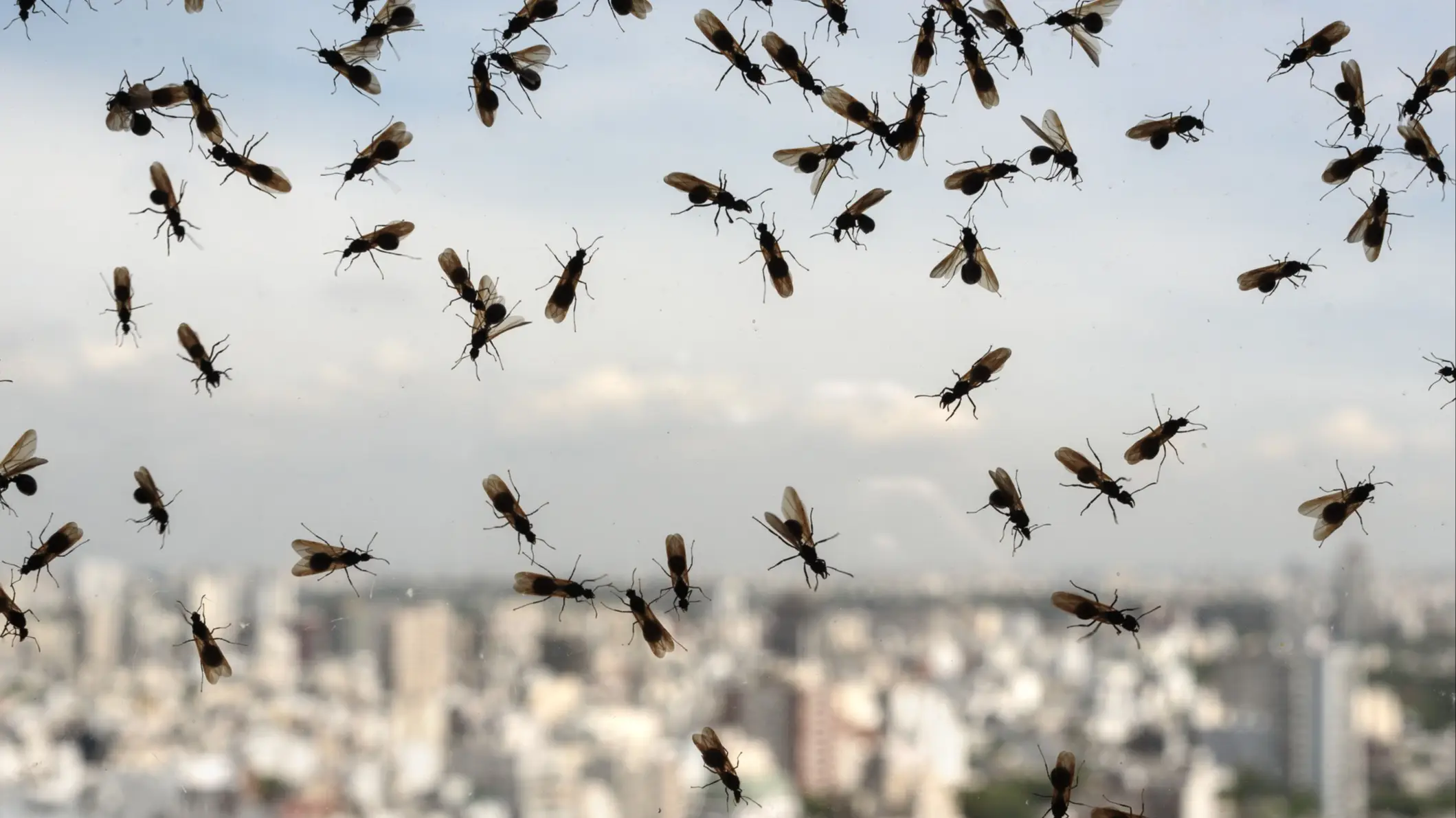
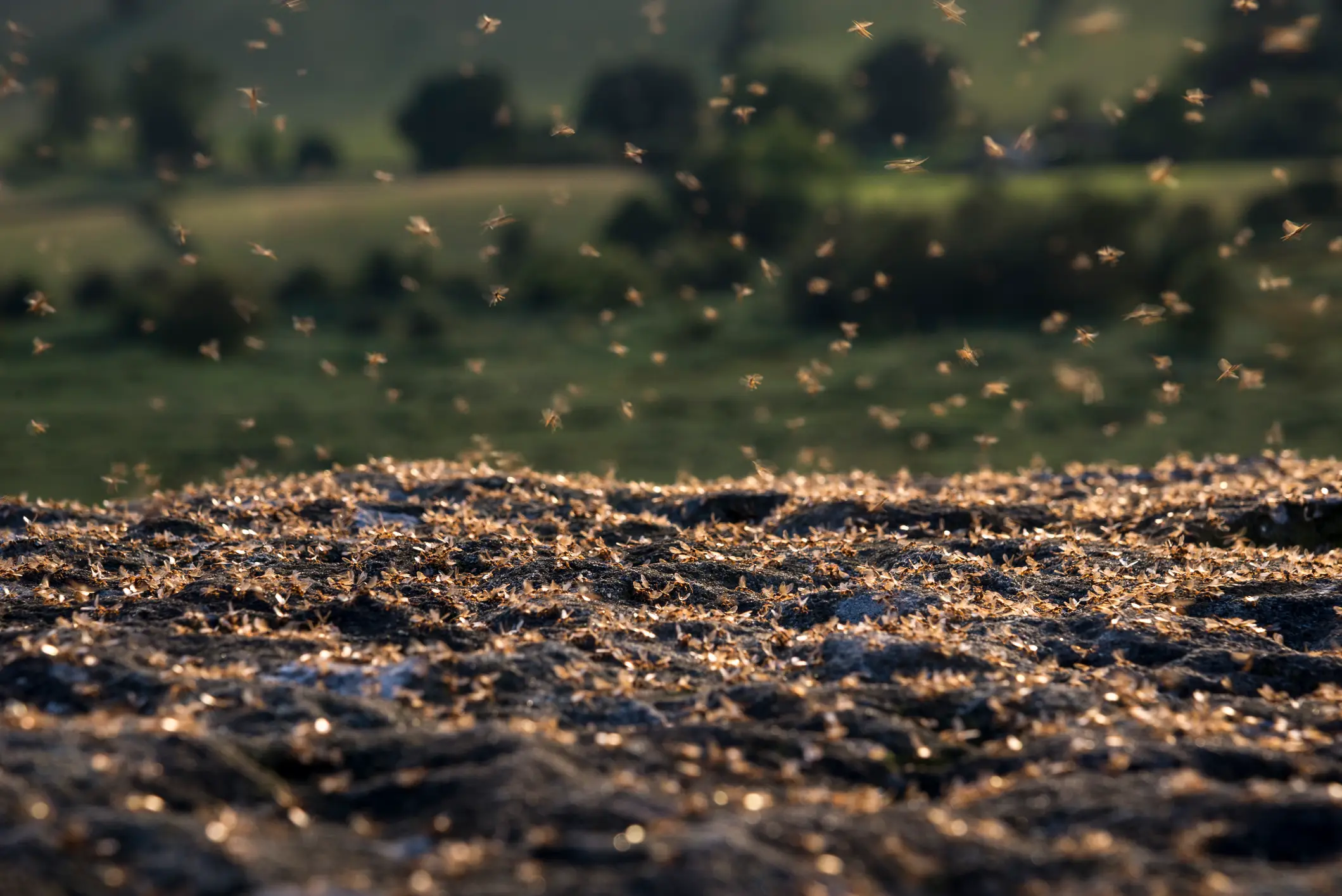
Flying Ant Day is upon us with tens of millions of winged insects expected to swarm UK homes and gardens this summer.
For those of you unfamiliar with the yearly phenomenon, it's when sexually mature ants develop wings and leave the nest in search of a mate.
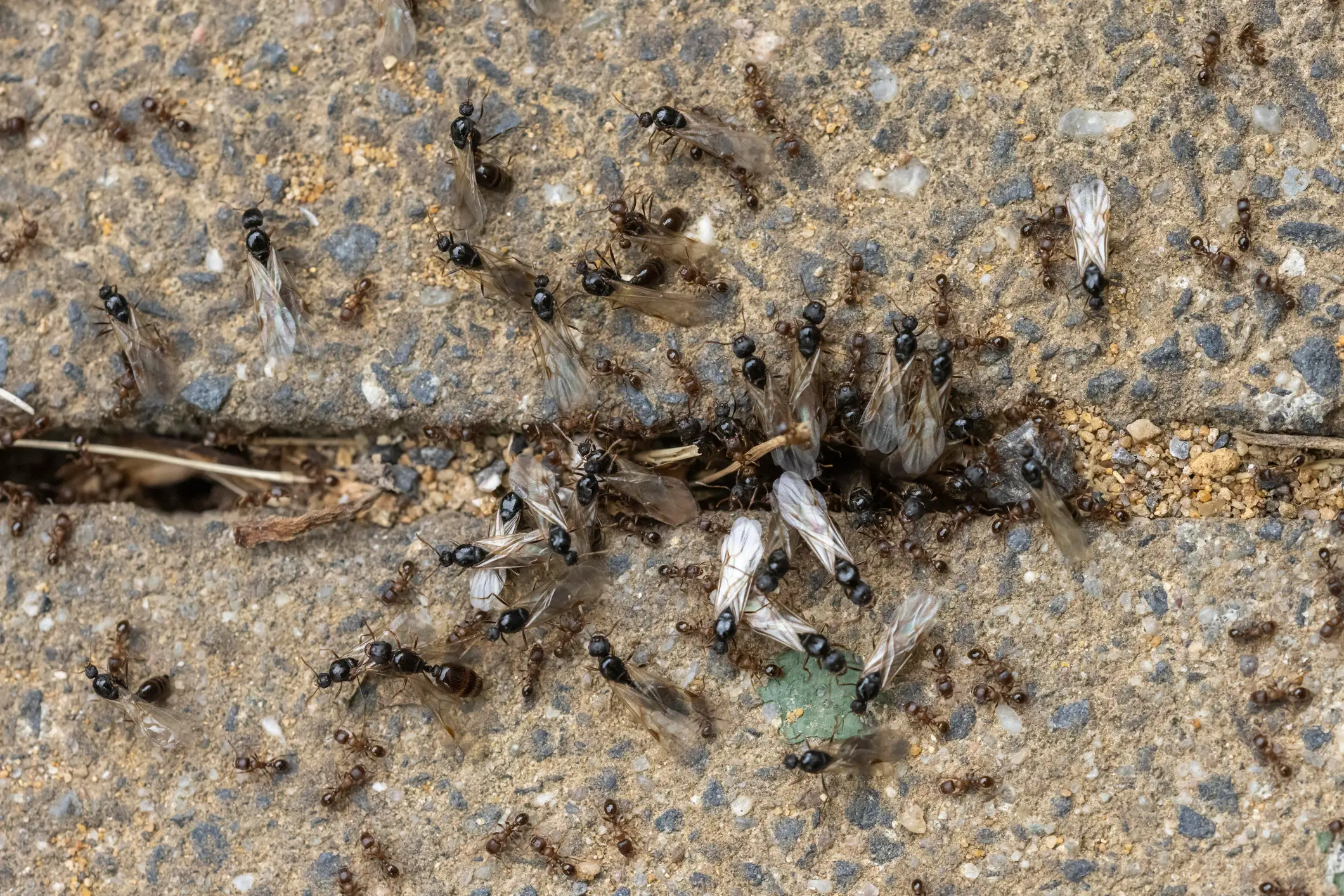
The unusual spectacle is called 'nuptial flight' and despite its name, can actually last several days, as swarms of flying ants emerge from paving slabs, flower beds and patio floors.
Buy now: Fly screens for home, £4.49 on Amazon
Advert
Conditions must be perfect for the winged insects to take flight, with many emerging in July or August during warm and humid weather (read: heatwaves).
The surprise invasion can be unnerving, making prevention is key.
So, when is Flying Ant Day set to take place this year, and how can you stop the pesky bugs from entering your home? Find out more below.
When is Flying Ant Day this year?
As mentioned above, Flying Ant Day doesn't take place on a specific date every year.
In fact, the phenomenon can last several days depending on weather conditions in the UK.
"Flying ants are most commonly seen during warm and humid spells, typically between July and August in the UK," Daniel Steward, Managing Director of Shield Pest Control, explains.
"Many people refer to ‘Flying Ant Day’, but it’s not usually a single day - different colonies can emerge over several days or even weeks depending on weather conditions.
"Warm temperatures followed by rain or humid air create the ideal conditions for swarms to appear."
Most of the ants you see taking to the skies are winged males and queens of the same species.
The 'nuptial flight' enables females to find mates from different colonies with the aim of creating new nests of their own.
How to get rid of flying ants in the heatwave
There's nothing more surprising (read: terrifying) than waking up to huge swarms of flying ants in your home or garden.
According to pest control expert Daniel Steward, early prevention is key.
"One of the most effective steps homeowners can take is sealing small gaps around doors, windows and air vents, as ants can enter through even the tiniest openings," he advises.
"Installing fly screens and repairing damaged seals can make a big difference during peak swarming periods.
"Flying ants are also attracted to food residue and moisture, so keeping kitchens clean, wiping away sugary spills quickly and fixing leaks or damp areas can help make properties less appealing to them."
Elbow Grease Concentrated Vinegar
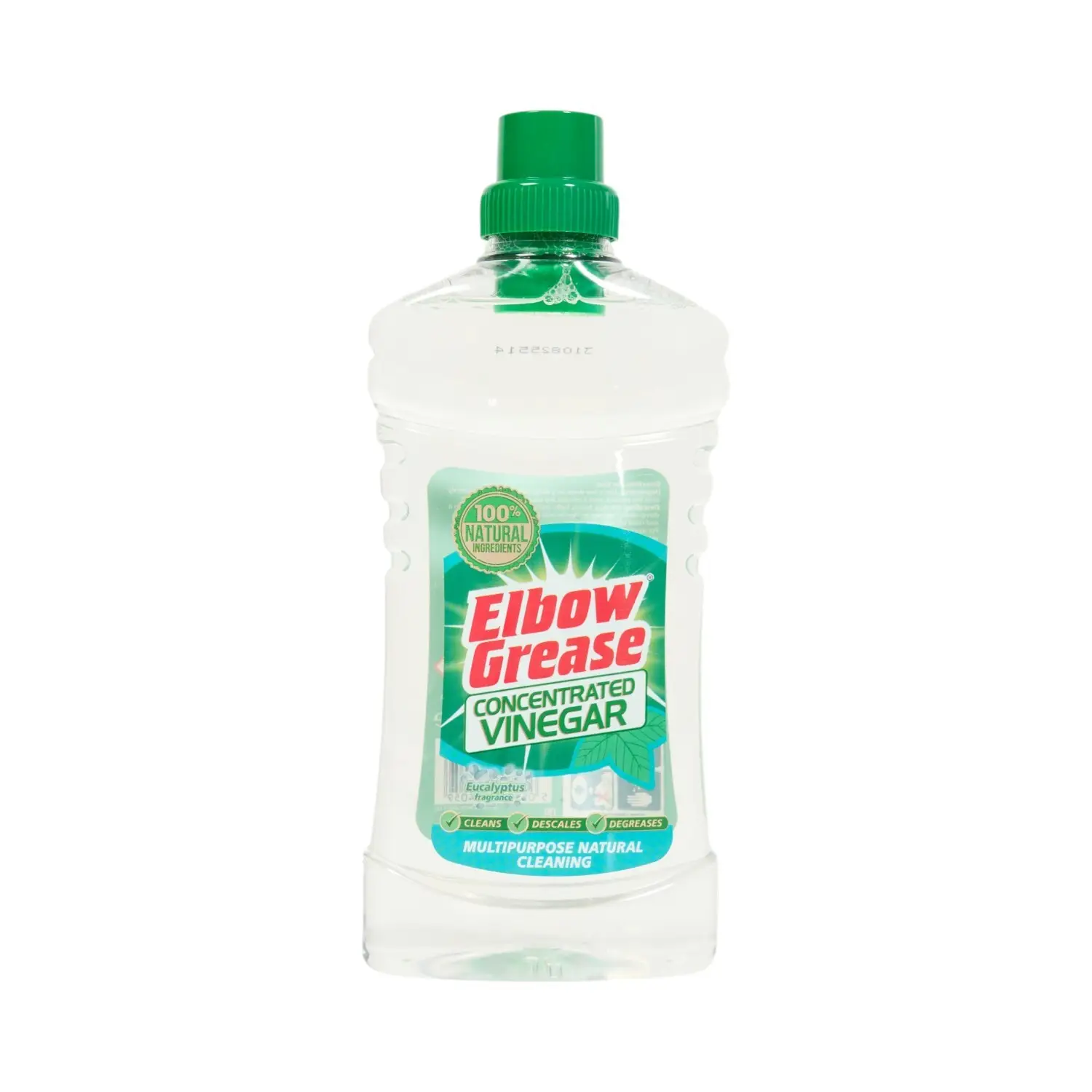
£1.99
For those of you on a budget or looking for natural deterrents, Daniel recommends diluted vinegar sprays or soap water around entry points such as windowsills and door frames.
At the time of writing, you can purchase white vinegar on The Range here for £1.99.
Simply mix the vinegar with water and spray in small holes or crevices where ants are likely to appear. It works by disrupting the ants' scent trails and in turn, should deter them.
"Strong-smelling scents such as peppermint or citrus can also help to discourage ants from settling in certain areas, although these solutions usually need regular reapplication during warmer weather."
If you suspect a nest if close to the property, it's best to contact a professional pest specialist who can safely identify the source of the infestation and recommend the most effective long-term treatment.
Shop flying ant repellents below:
Hexeal White Vinegar
As recommended by pest experts, white vinegar is the cheapest home remedy to banish flying ants in the home and garden. Simply mix the vinegar with water and spray in holes and crevices where ants are likely to appear.
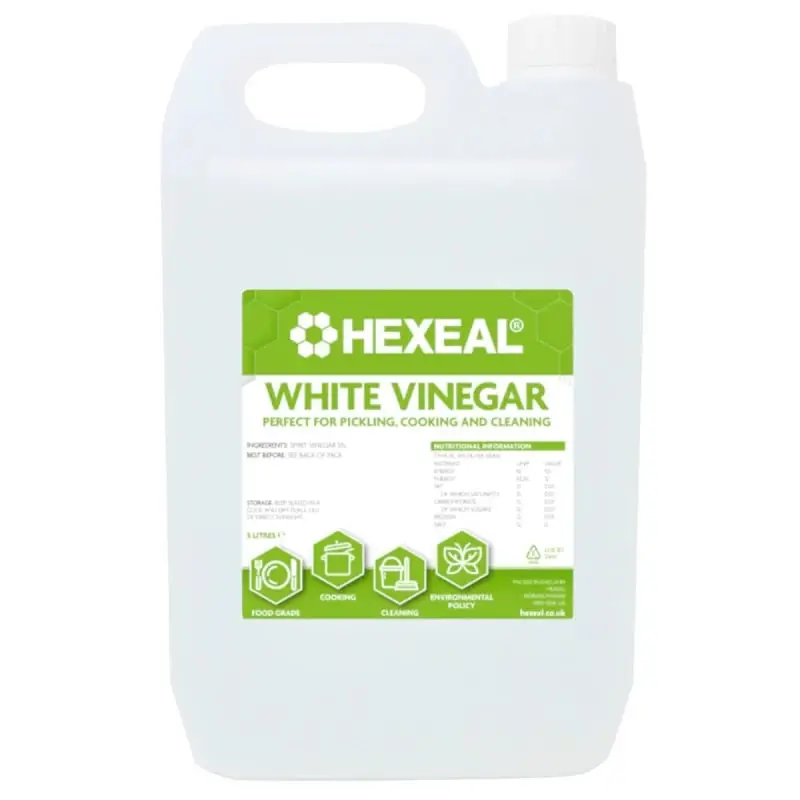
£5.70
Fly window screens
If you want to protect your home from the risk of flying ants, look no further. This window mesh is designed to allow fresh air and light into the home, whilst also keeping bugs out.
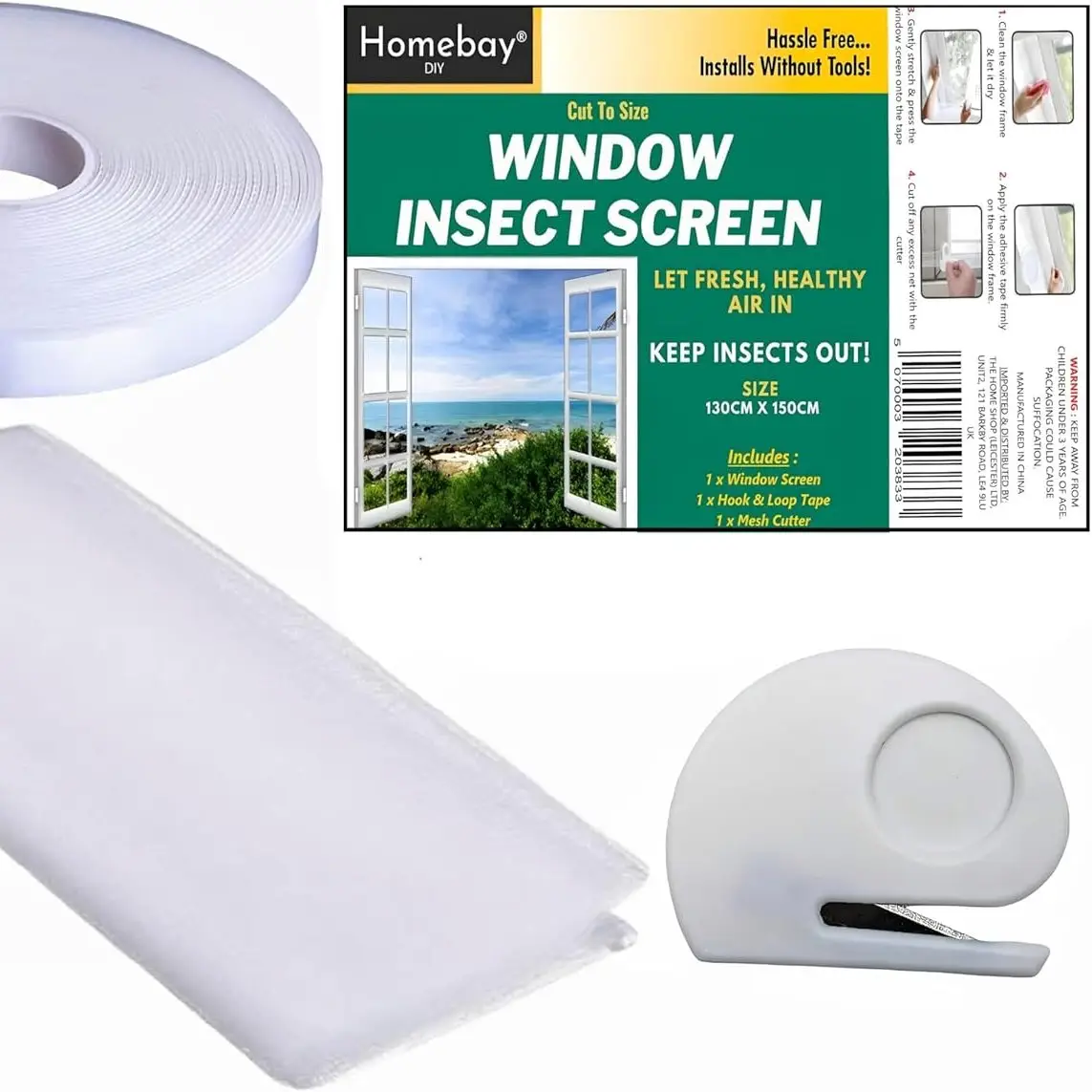
£4.49
AntClear Bait Stations
If your garden has already been invaded, bait stations can be used to destroy nests. It works by attracting ants with a potent gel which they then carry back to the queen and colony.
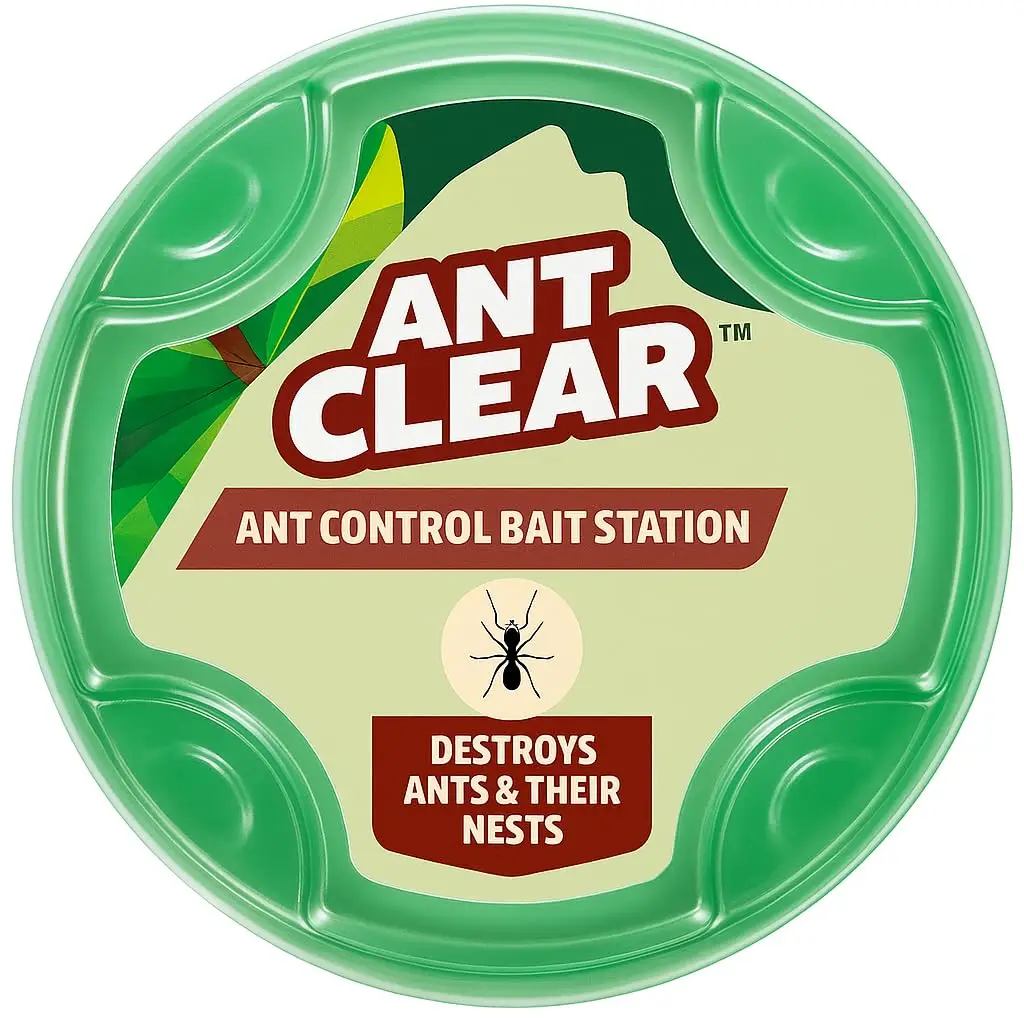
£7.97
Ant Control Spray (200ml)
If you don't want to faff around with a homemade spray, this is a great way to tackle ants indoors and outdoors. One customer review reads, "It does what it is intended for - the ants have disappeared after few uses. It has a strong natural smell and it is good to know it does not harm your health."
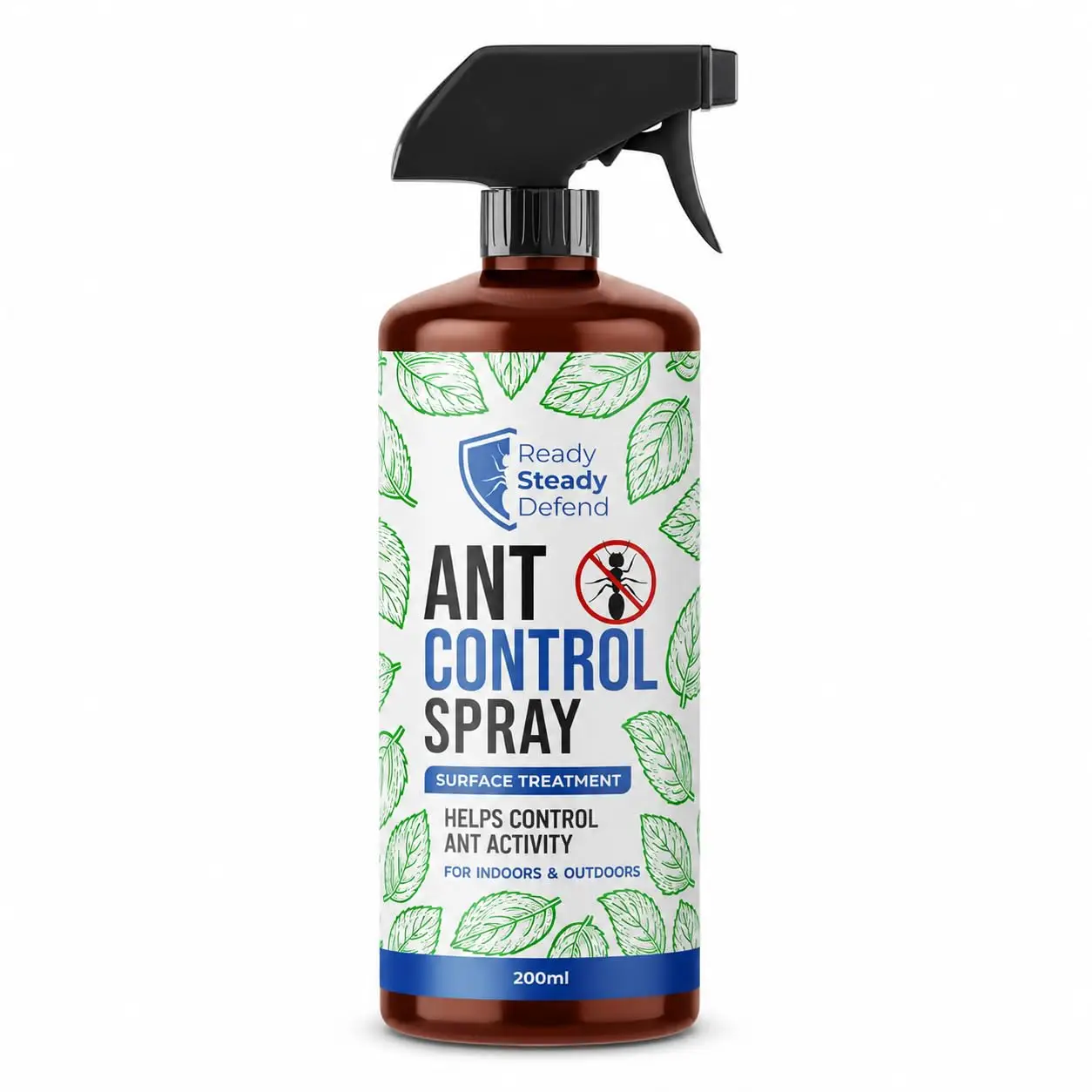
£9.99
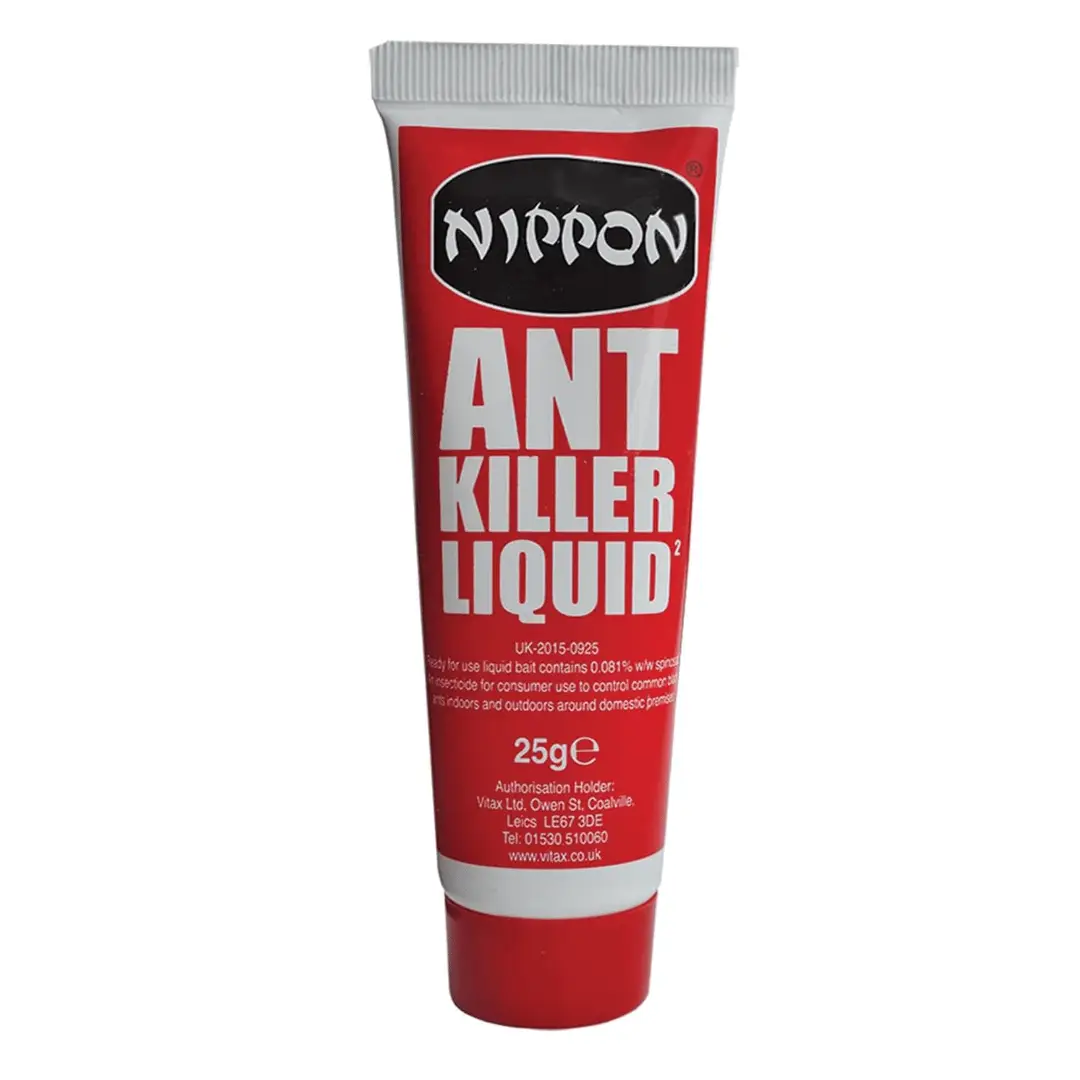
Nippon Ant Killer
For those of you on a budget who don't know where the nest is, the Nippon Ant Killer is designed to kill the colony in just a couple of days. It can be used indoors or outdoors.
£4.54
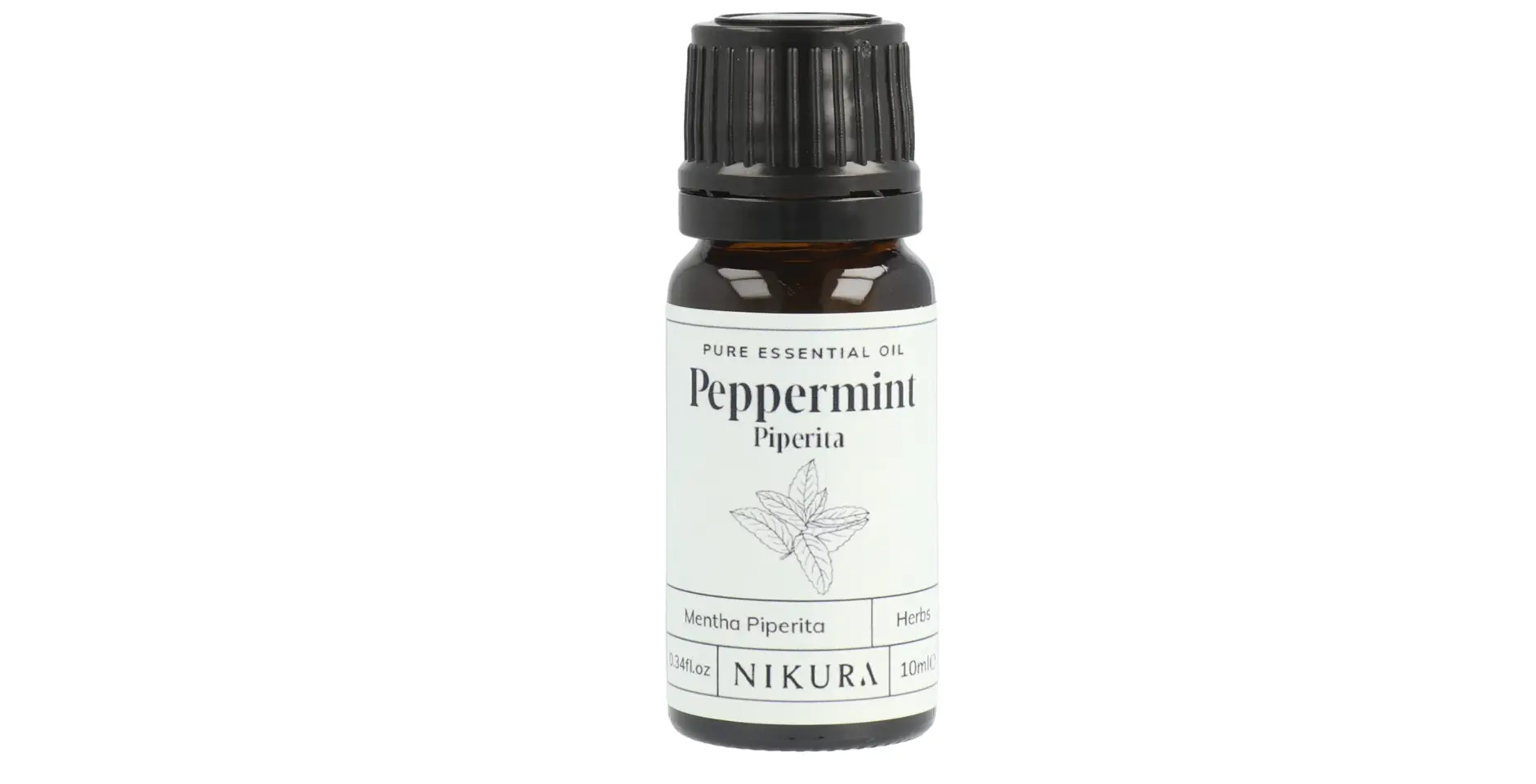
Nikura Peppermint Essential Oil
As mentioned by pest experts, ants aren't a fan of peppermint oil. This particular product can allegedly be used for all pests too, from ants and spiders to other bugs.
£4.99
Topics: Animals, Amazon Prime Day, Amazon Prime
 Danielle Fowler