
HMRC owes thousands of UK taxpayers £800

Taxpayers in the UK could be missing out on hundreds of pounds worth of tax refunds from not cashing in HMRC cheques.
So last year, HMRC sent out 1.7 million cheques to people who had paid too much tax.
Figures show that over 178,000 of those cheques were never cashed, meaning many taxpayers may still be owed money.
And on average, each unclaimed refund is worth around £800, The i Paper reports.
Advert
Tax overpayments happen because someone might change jobs within the tax year, have an extra source of income or was given the wrong tax code.
Experts suggest that the problem might be linked to HMRC still using paper cheques in some cases.
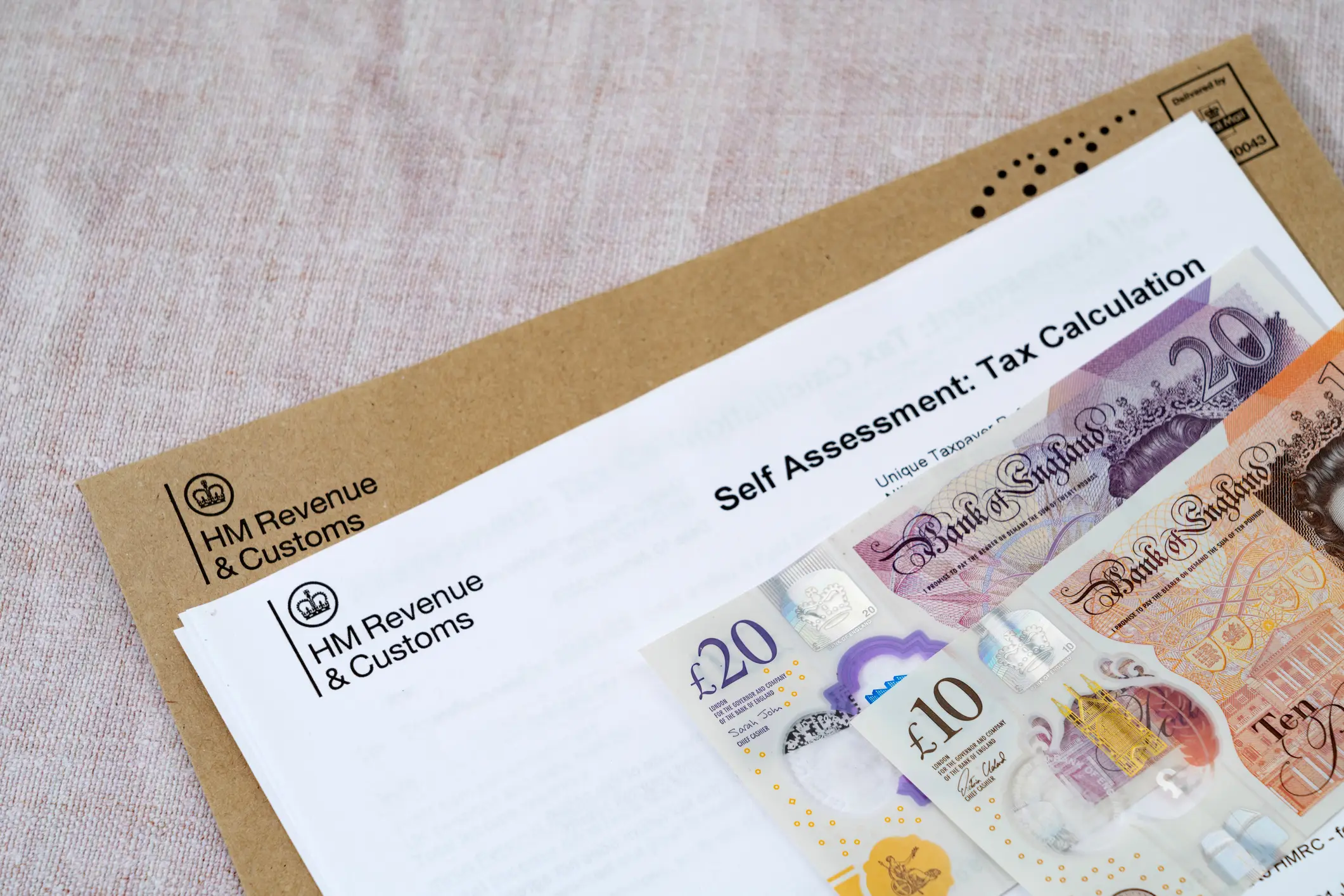
Robert Salter, a partner at tax and accountancy firm Blick Rothenberg told the outlet: “It is certainly a bit problematic that HMRC continues to use cheques to settle tax refunds in so many cases.
“Until people do consistently open their HMRC correspondence, there is always going to be a problem and delays with the tax refund process.”
What to do if you have missed out on cashing a cheque
HMRC cheques are usually valid for six months, so if it is still within that time you can deposit it as normal.
If the cheque has expired, been lost, or damaged, contact HMRC to request a replacement.
You can also ask HMRC to send the refund directly to your bank account, which is faster and safer. Checking your Personal Tax Account online can also help you see if any refunds are waiting.
Shaun Moore, tax and financial planning expert at wealth manager Quilter, added: “The data highlights how some parts of the tax system are still struggling to keep pace with a digital economy.
“Overpayments are common, often caused by people changing jobs, being put on the wrong tax code, or having multiple sources of income during the year.”
Moore said: “Where a repayment is required, it is encouraging that HMRC is issuing fewer cheques, as paper payments carry a higher risk of delay or going unclaimed.
“While there will always be limited cases where a cheque is unavoidable, a faster shift towards digital processes would reduce friction and help ensure overpaid tax reaches people more reliably and promptly.”
An HMRC spokesperson explained: “The vast majority of pay as you earn (PAYE) repayments are issued via bank transfer, which is now the default option, and the quickest and most secure way for customers to receive their money.
“Customers can still request to receive their repayment via cheque and it’s their responsibility to cash it if they choose this method.”
 Anish Vij