Brits are being urged against putting bowl of salt in their window to combat ‘silent killer’ in the home

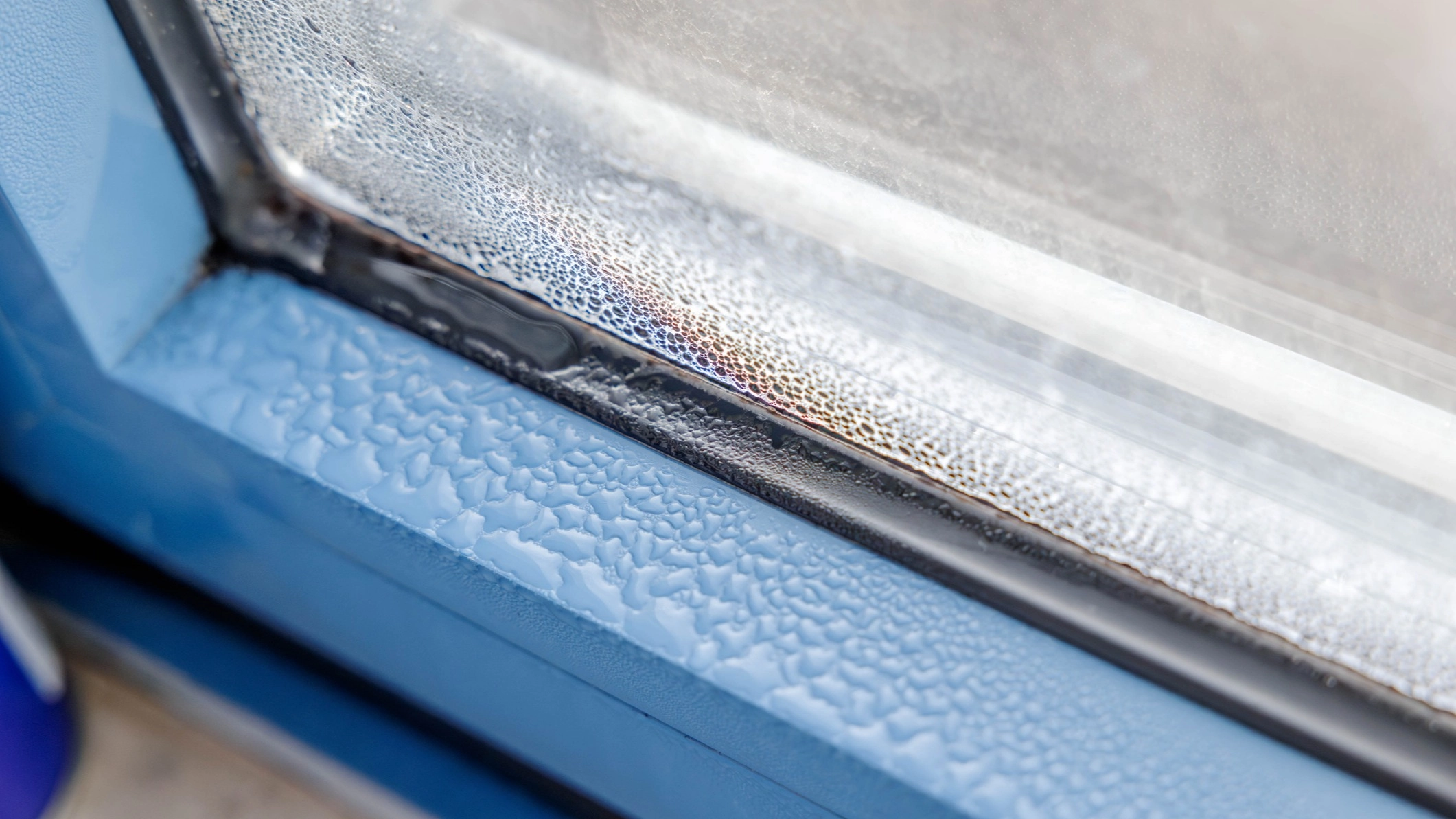
Most of us Brits will have woken up this morning to find an annoying strip of water collecting along the bottom of our windows.
The condensation is a by-product of the cold snap we're currently experiencing, with temperatures getting as low as -10°C overnight in certain parts of the country.
Here's the science behind this: Condensation is caused when the air inside is warmer than the air outside (I'm looking at you, radiators), and when the warm air from indoors makes contact with the colder window, condensation forms on the glass.
Advert
In between busting out your warmest jumpers and making sure your phones are charged, many of us will be wondering how to combat the annoying condensation and stop it from causing further damp in our homes.
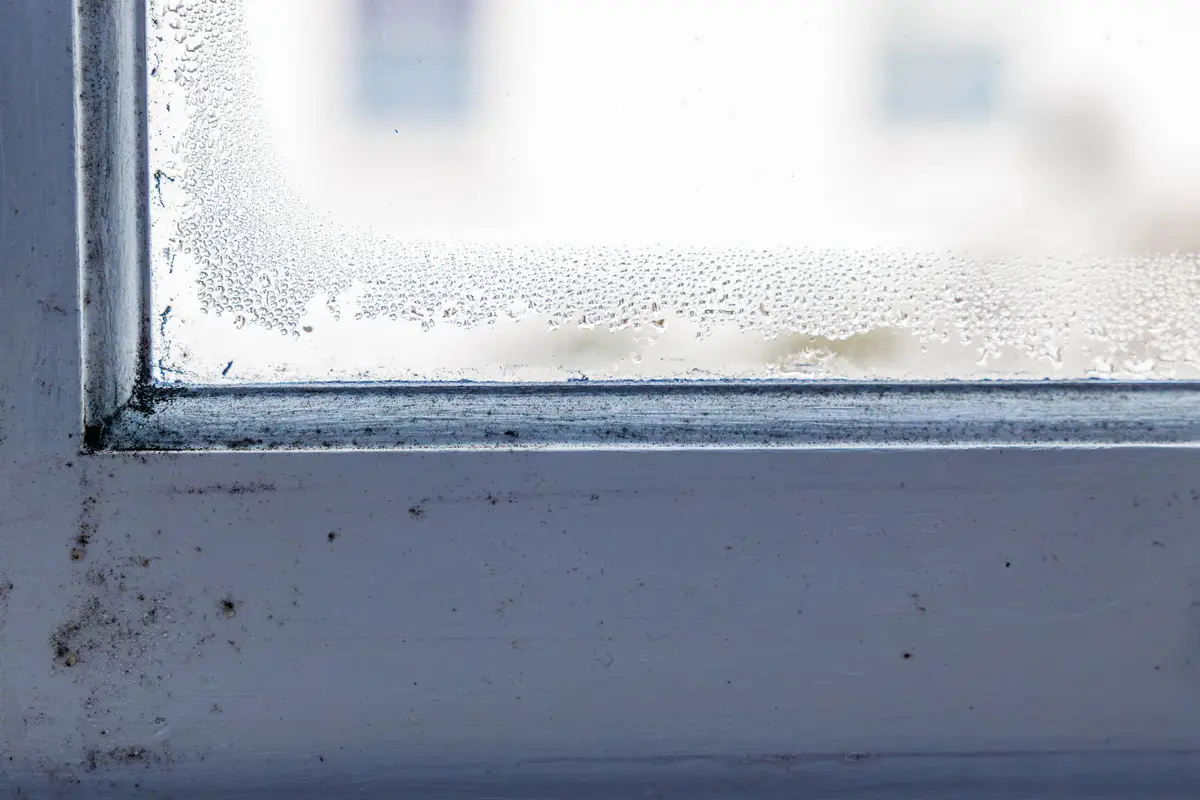
A build-up of condensation around your home can also lead to issues with mould, a problem which is not only unsightly but potentially dangerous to your health.
So, as people look for methods to combat the damp, it shouldn't come as a surprise that a whole plethora of advice on how to protect is available online.
One of these is the old 'salt on your windowsill' hack.
The logic behind the idea is as follows: salt absorbs moisture from the air, therefore making it less damp and reducing condensation - essentially, less moisture in the air equals less condensation formed.
"Salt has the ability to naturally absorb moisture from the air and essentially dries it out so that when it does come in contact with the glass, there are less droplets of condensation that will form," Andy Ellis, home and garden expert at Posh.co.uk said.

Does putting a bowl of salt by the window actually work?
However, not everyone agrees with the trick, with Kevin Pennington
Owner and Managing Director of Lancashire Air Conditioning and an expert in managing heat loss, told LADbible that the salt in a bowl hack is one that 'sounds good in theory but really doesn’t do much in practice'.
"The reality is that a small bowl of table salt can only absorb a tiny fraction of the moisture floating around a bedroom," he said.
"Salt is hygroscopic, which means it does technically attract and absorb water from the air. You might leave a bowl on the sill and notice it goes a bit clumpy and damp, which makes people think it is working.
"The reality is that a small bowl of table salt can only absorb a tiny fraction of the moisture floating around a bedroom. When a household is pumping litres of water vapour into the air every single day, a bowl of salt is honestly just a drop in the ocean, and it isn’t going to stop your windows streaming with water."
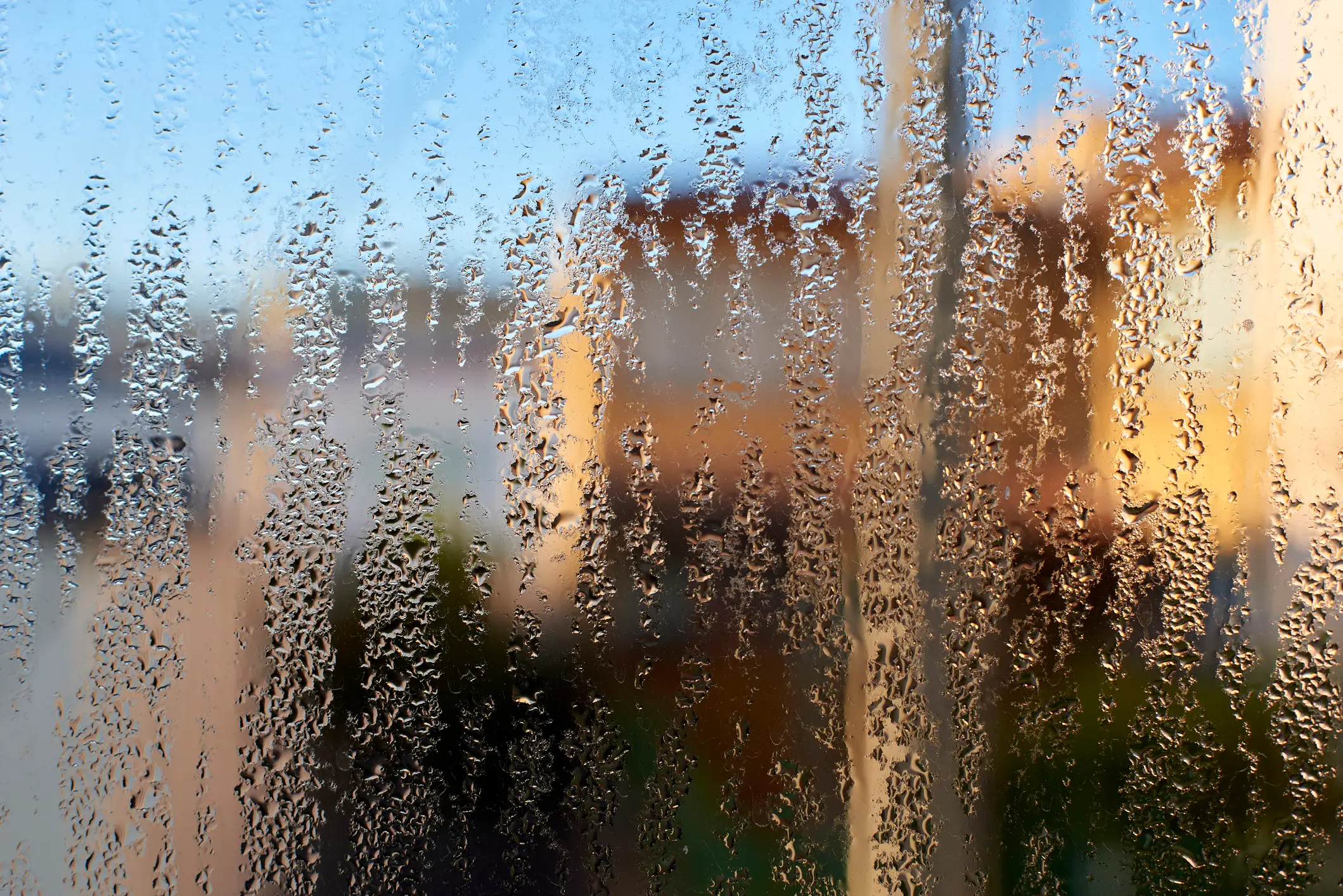
What can you do to reduce condensation in your home?
According to Pennington, the best way to reduce condensation is to reduce the moisture in the air.
Which is a little difficult when you consider that a normal person breathes out several litres of water a day just by existing.
However, there are things you can do to reduce the amount of condensation created by other things in the home, such as making sure bathrooms and kitchens have adequate ventilation.
"If you want to invest in products that actually work, the absolute best thing you can buy is a small electric dehumidifier," Pennington added. "Unlike a bowl of salt, a proper electric dehumidifier actively pulls litres of water out of the air and drops it into a tank, and they cost very little to run.
"A cheap handheld window vac is also brilliant for quickly sucking the standing water off the glass first thing in the morning so it doesn’t sit there and cause black mould or rot the seals."
Additional reporting by Joshua Nair.
 Brenna Cooper