World warned 'Godzilla' El Niño will be followed by even worse - especially in Europe

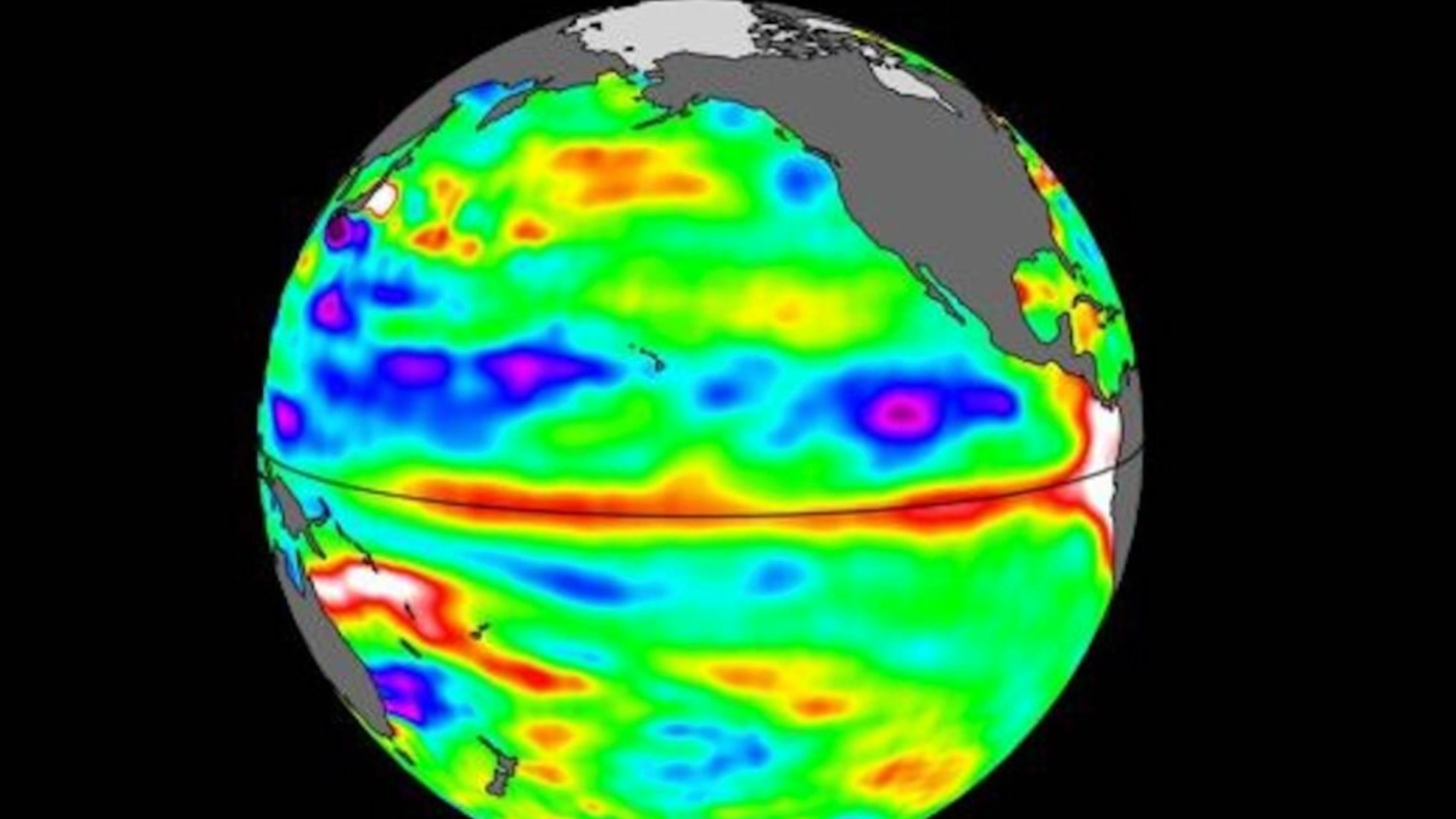
This year is expected to bring an 'El Niño weather event which could cause serious damage, and in the worst case scenario it could even be a 'super' El Niño.
It could even be a 'Godzilla' El Niño, which is a term made up by the media to describe the catastrophic consequences of an El Niño about a decade ago.
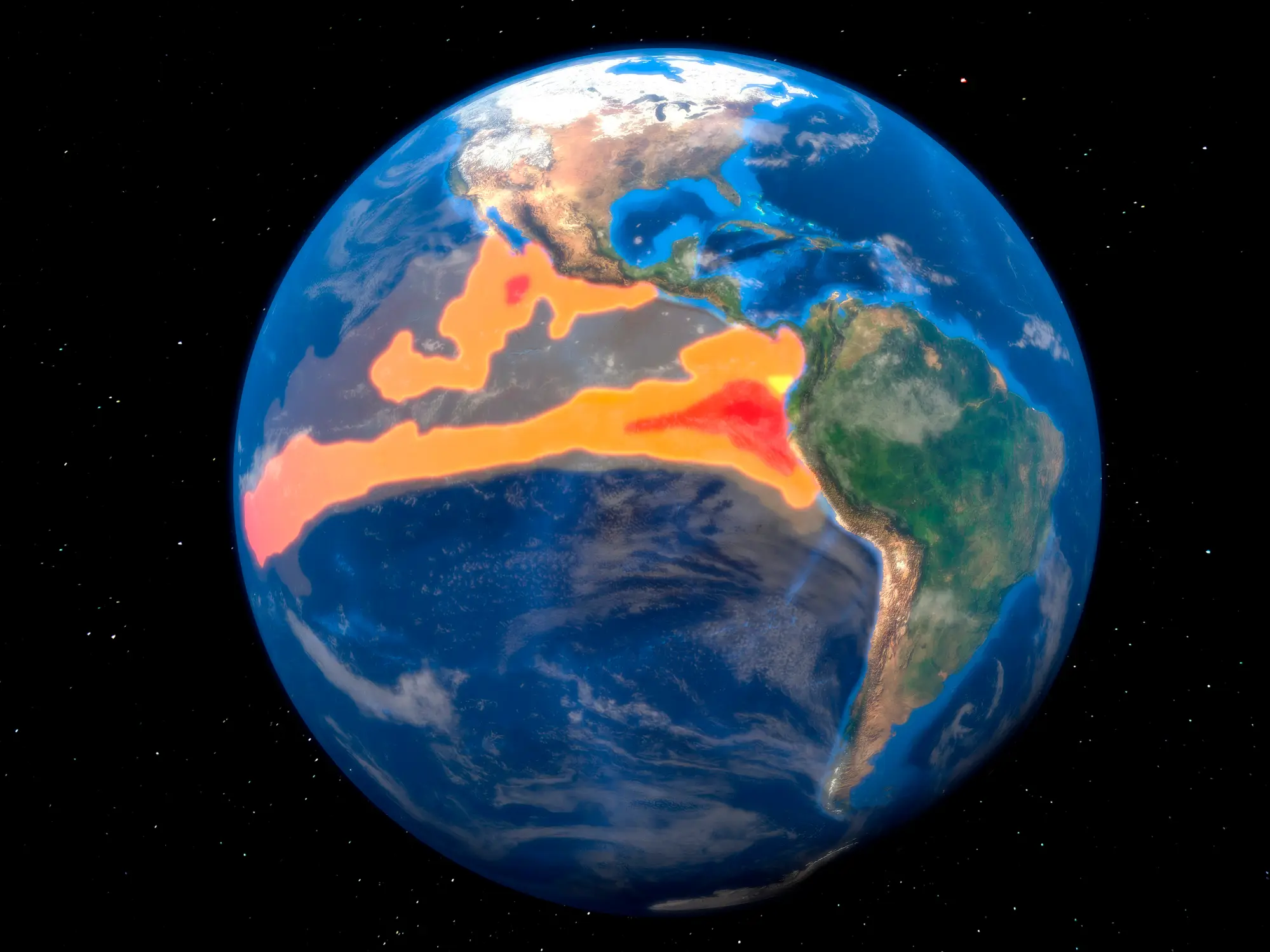
The oceans get warmer, weather across the Pacific changes and the weather can take on different destructive aspects as some parts of the world suffer from heatwaves and droughts that cause crop failures while others are battered by storms and floods.
According to New Scientist, there's an 80 percent chance of an El Niño by September this year, and while most forecasters are expecting it to be moderate the possibility of a larger and more destructive event is on the table.
Advert
Even a moderate one will have big consequences and the impacts will be felt around the world, as while the immediate effects will be triggered in the Pacific there will be countries all over the world that eventually bear part of the damage.
UN secretary general António Guterres warned: "El Niño conditions will pour fuel on the fire of a warming world. Impacts will hit even harder, travel even farther, and cross borders with devastating speed."
However, that's just one aspect of the long-term problem facing the world as research from Pusan National University in South Korea warns that El Niños and La Niñas, which is the opposite of an El Niños as it involves cooling that triggers droughts, rains and flooding, are expected to become stronger.
On top of that the impact they'll have in the Atlantic Ocean is expected to increase as well, with scientists warning that Europe would feel the 'intensification' a lot.
Climate physicist Axel Timmermann said: "Our latest computer model simulations predict a shift to more regular and much stronger El Niño-La Niña extremes, as well as an intensification of ENSO impacts on remote regions, in particular Europe."
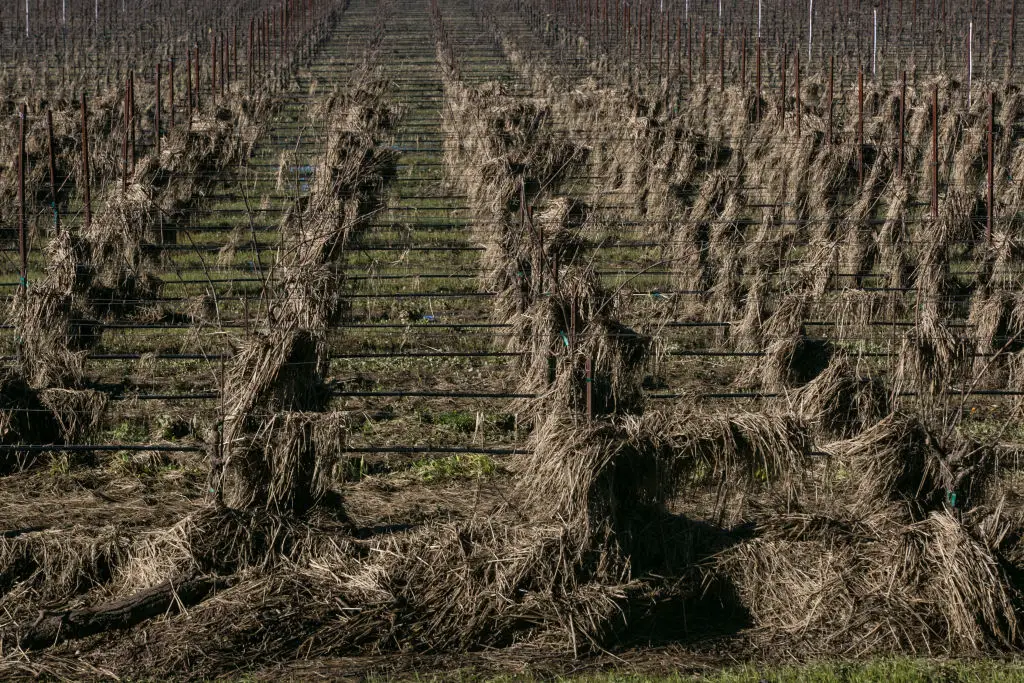
Floods and droughts would become more common on the European continent as the impact of El Niños and La Niñas affect something called the North Atlantic oscillation.
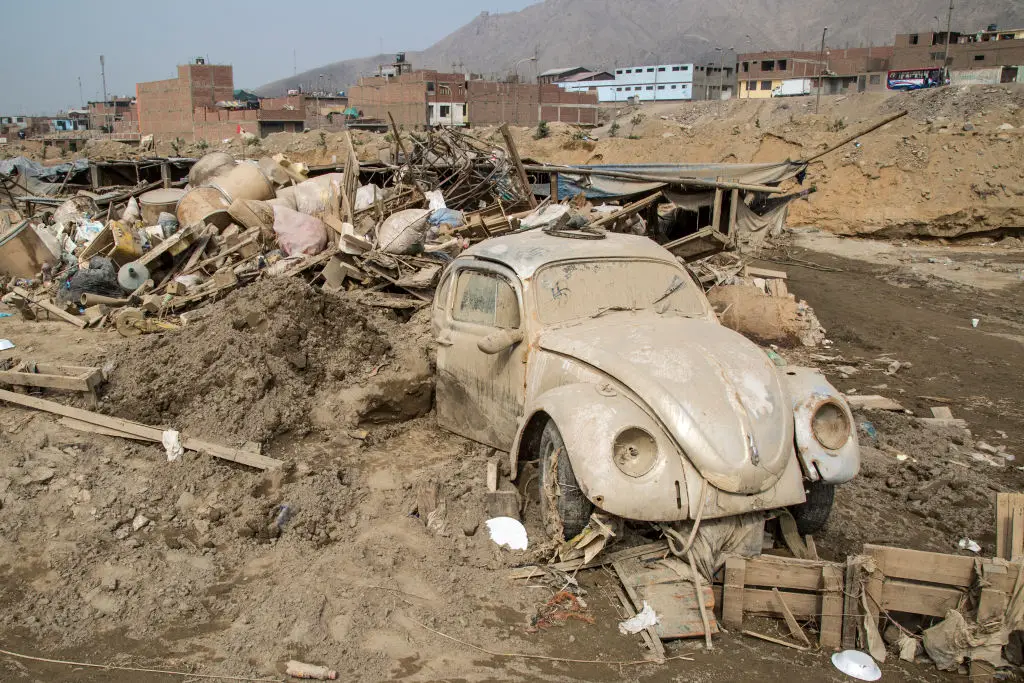
That means lives will be lost, land and property damaged as well as ecosystems disrupted and destroyed.
All of this is catastrophic and costly, the strongest El Niños cause massive damage and trillions of dollars of destruction, so they are things best avoided.
Rising global temperatures due to climate change mean when they occur El Niños are more likely to be damaging, with higher heats driving more extreme conditions that have worse consequences.
Timmermann warned that the rapid rise in temperature of the top 100 metres of seawater in the Pacific was part of the driving force behind more volatile weather, and warned that a weakening might not happen until 2150.
How does an El Niño year happen?
Strap in, folks. It’s time for some science.
It all starts with something called trade winds, which are permanent winds around the equator which usually blow from east to west. So in the equatorial Pacific, they blow from the Americas towards Australia and New Zealand.
As the wind blows the water east, it is warmed by the sun, so by the time it gets to the other side of the Pacific, the warm water causes hot air to rise, leading to warm, wet and unsettled weather. Meanwhile, colder water from deeper in the ocean rises in the east to replace the water blown west.
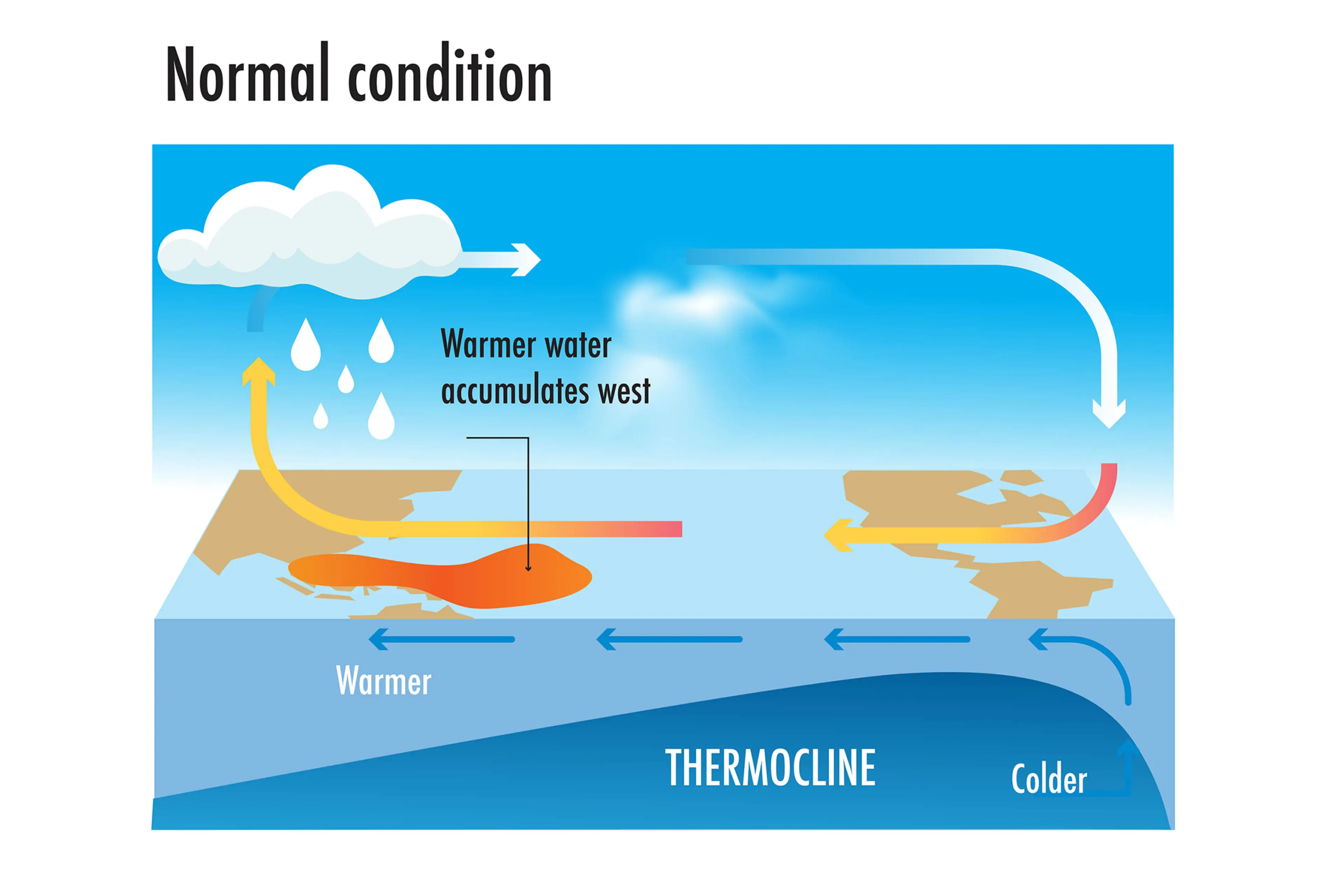
But during El Niño years, this gets disrupted.
When trade winds are weakened or even reversed, the temperature difference between the east and west is cancelled out, and usually cold parts of the ocean warm up.
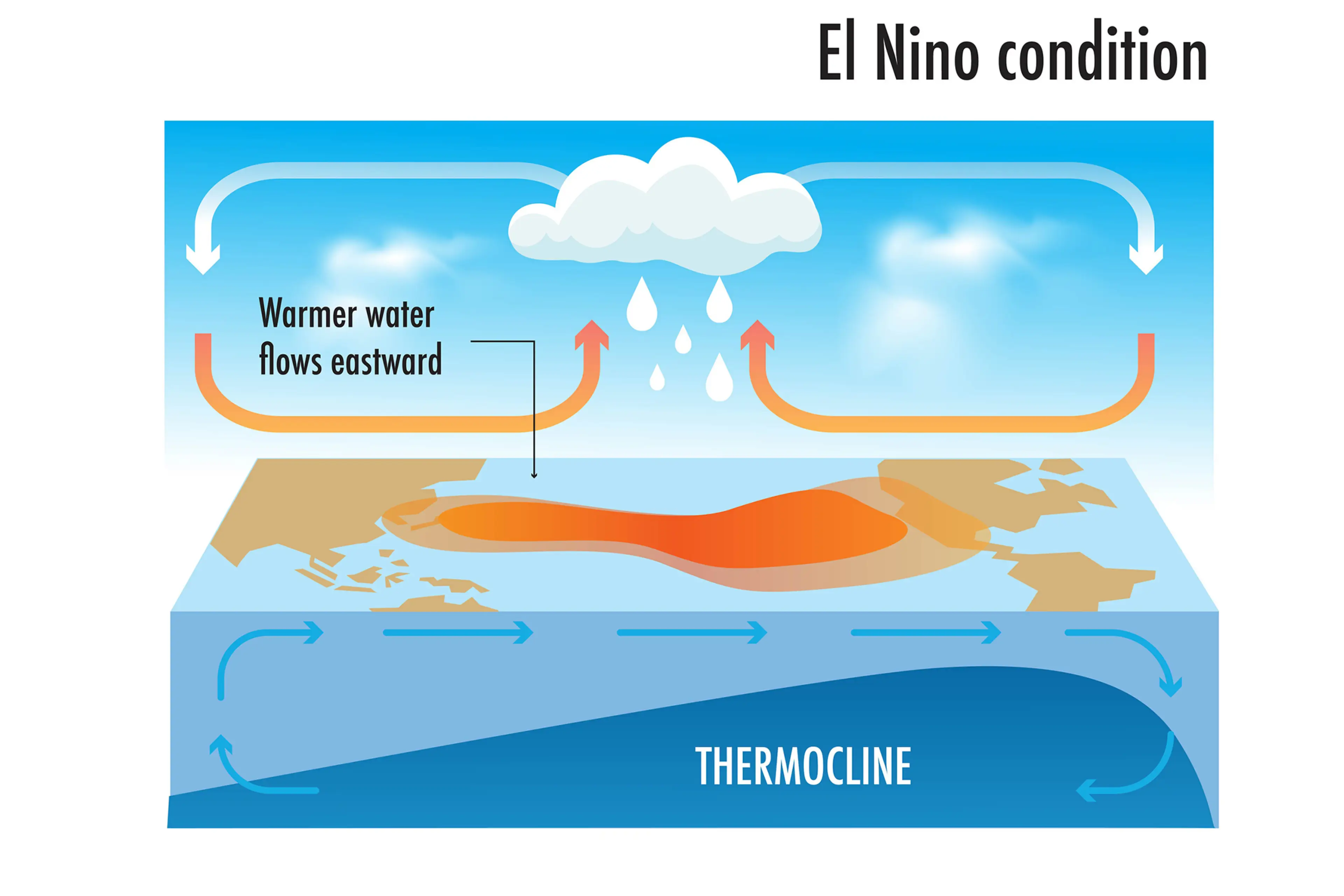
Rainfall and wind patterns change across the equatorial Pacific, which has a knock-on effect around the world.
Anyone else's head hurt a bit?
Topics: World News, Weather, Science, El Niño
 Joe Harker