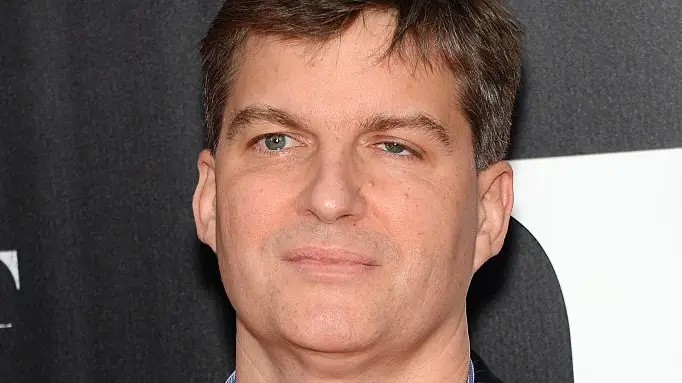
The Big Short's Michael Burry warns 'we're minutes' away from 'bloody' event that will devastate world economy

There's a huge amount of uncertainty across the world right now thanks to the various wars and growth of artificial intelligence, but one thing that's not suffering is the stock market.
Despite the rising prices of goods and oil, something that's been massively affected by Iran's blockade of the Strait of Hormuz, Donald Trump made it clear that he's certainly not struggling financially from the increase.
And other investors who have gone in heavily on oil and artificial intelligence are continuing to thrive, yet hedge fund manager Michael Burry, who is portrayed by Christian Bale in The Big Short, is now projecting that the good times won't last.
In a recent Substack, the American investor has given his thoughts on the current economy and he suggests that we're just minutes away from a 'bloody' event which will likely devastate the world economy.
Advert
Although there's an argument that this is always the case, considering our world leaders are always just a push of a button away from disaster, Burry seems unconvinced by the current Nasdaq 100 index, claiming that it might be too good to be true.
He wrote: “This, all of it, is the scene of the bloody car crash, minutes before it happens."
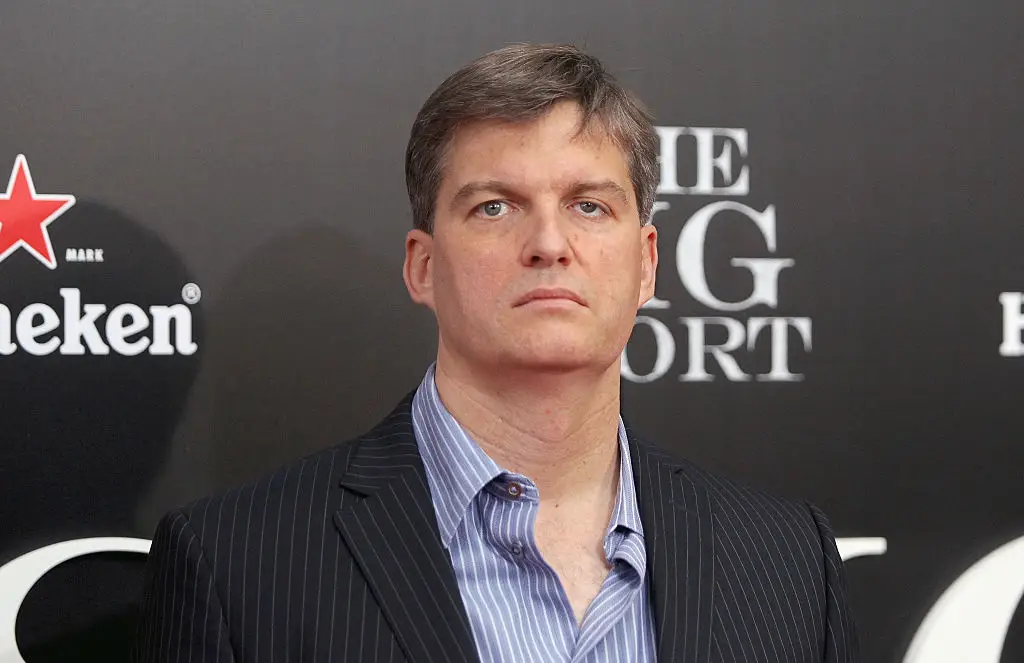
Burry bases this knowledge on his belief that history is repeating itself, something he thinks is far from good, given the serious consequences of the economic crash in 2008.
He is among many analysts who believe that a 2026 crash would be even more dangerous due to the high levels of debt, geopolitical tensions and something known as the AI bubble.
This is a theory that the hype around artificial intelligence is so high that people are staking significant amounts of money on its potential, and if this potential fails to materialise, there could be severe consequences.
He adds: “In the next two days, I will release a valuation exercise that seems to suggest almost no tech stock, not even bombed out software stocks, are inexpensive when held to strict accounting standards, more strict and more forensic in nature than GAAP."
Burry also makes it clear that other things could also have a detrimental impact on stock prices, with investors urged to consider potential issues such as depreciation practices, construction-in-progress spending, M&A expenses and capital leases, rather than being completely reliant on GAAP income alone.
“In addition, there are the future write-downs, such as Nvidia’s growing contracts with TSMC, securing over one hundred billion dollars of capacity at TSMC. CSCO in 2001 and 2002 wrote down years of its best earnings when it had to write off the same types of contracts with its suppliers,” Burry said.
So, it seems as if anyone who has benefited from the recent upsurge in prices should really consider cashing in their chips before everything comes falling down.
“History tells us that even if the party goes on for another week, month, three months, or year, the resolution will be to much lower prices,” Burry concluded.
Topics: Artificial Intelligence
 James Moorhouse