• iconNews
  • videos
  • entertainment
  • Home
  • News
    • UK News
    • US News
    • Australia
    • Ireland
    • World News
    • Weird News
    • Viral News
    • Sport
    • Technology
    • Science
    • True Crime
    • Travel
  • Entertainment
    • Celebrity
    • TV & Film
    • Netflix
    • Music
    • Gaming
    • TikTok
  • LAD Originals
    • FFS PRODUCTIONS
    • Say Maaate to a Mate
    • Daily Ladness
    • UOKM8?
    • FreeToBe
    • Citizen Reef
  • Advertise
  • Terms
  • Privacy & Cookies
  • LADbible Group
  • UNILAD
  • SPORTbible
  • GAMINGbible
  • Tyla
  • UNILAD Tech
  • FOODbible
  • License Our Content
  • About Us & Contact
  • Jobs
  • Latest
  • Topics A-Z
  • Authors
Facebook
Instagram
X
Threads
Snapchat
TikTok
YouTube

LAD Entertainment

YouTube

LAD Stories

Submit Your Content
WHO's cancer research agency to warn aspartame sweetener is a possible carcinogen

Home> News

Updated 09:21 29 Jun 2023 GMT+1Published 09:16 29 Jun 2023 GMT+1

WHO's cancer research agency to warn aspartame sweetener is a possible carcinogen

The artificial sweetener is set to be declared a possible carcinogen next month

Rhiannon Ingle

Rhiannon Ingle

Whether it's stirred into a brew, mixed into chewing gum or a key ingredient in a soft drink - chances are many of us consume one of the world's most common artificial sweeteners on a fairly regular basis.

However, the World Health Organisation's cancer research agency is now warning the public that aspartame sweetener is a possible carcinogen.

The status of the sweetener is set to be declared next month.
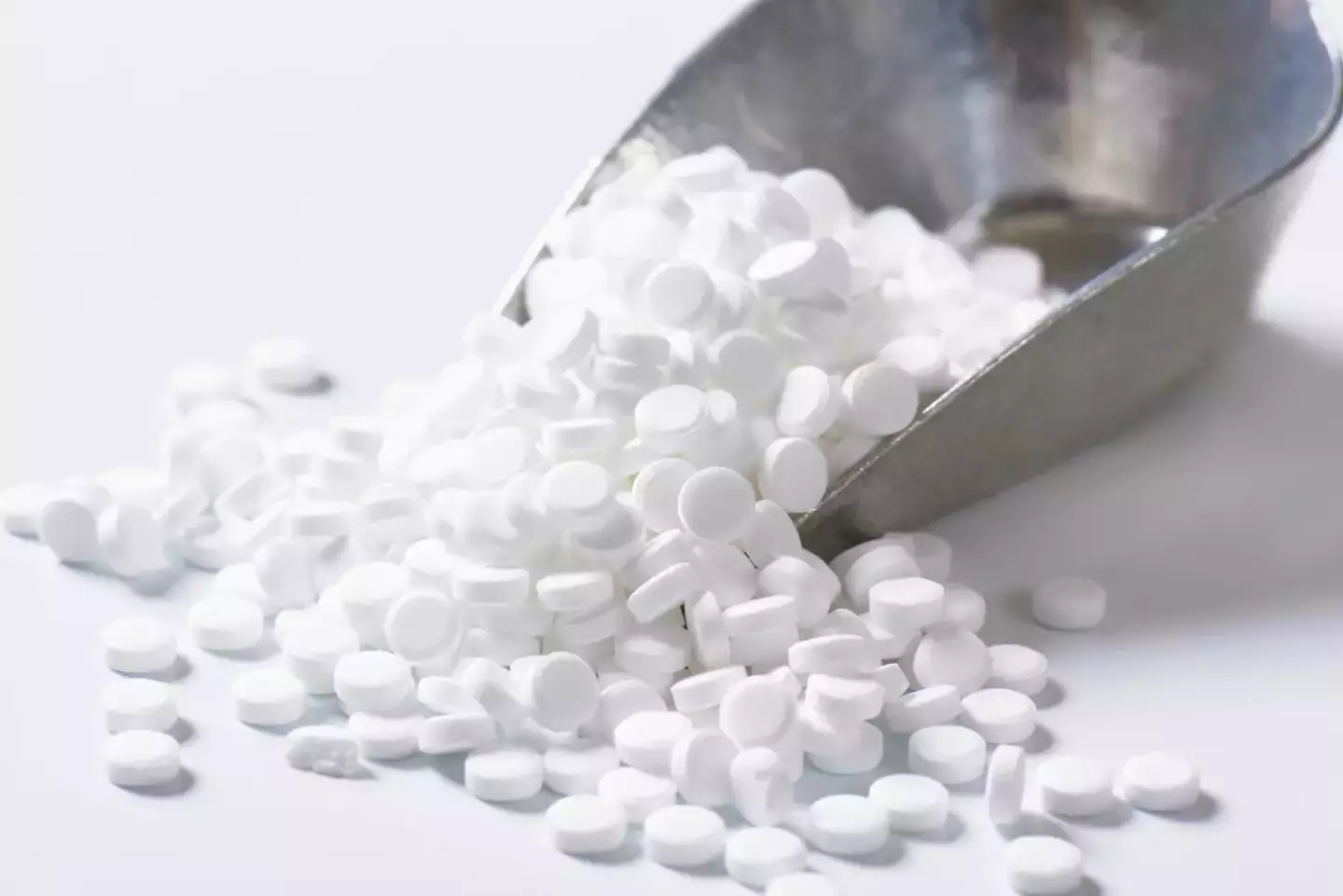
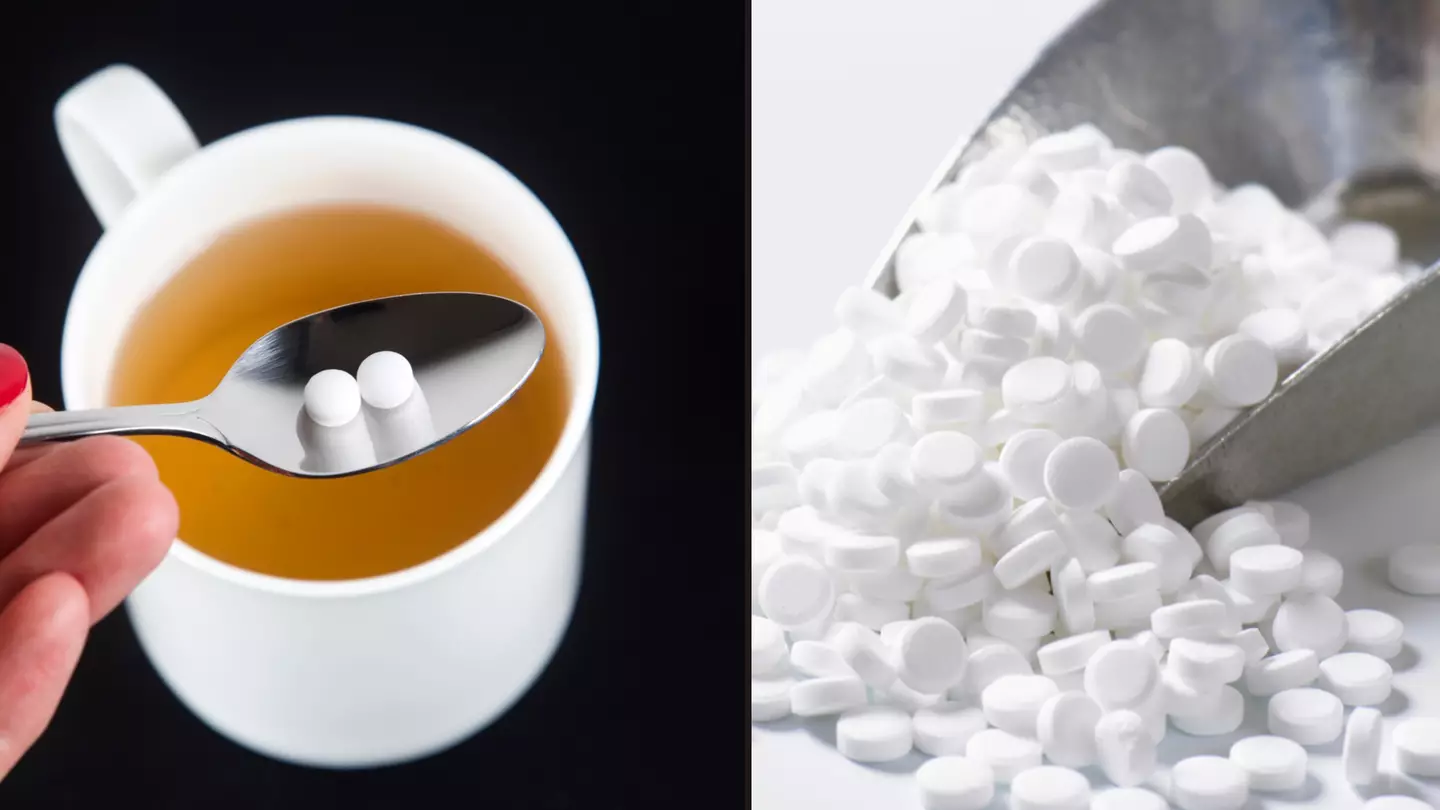
The WHO's cancer arm will warn the public that aspartame sweetener is a possible carcinogen.
Alamy Stock Photo

Advert

Aspartame is a low-calorie artificial sweetener - weighing in at approximately 200 times sweeter than sugar.

The white, odourless powder used in an array of common drinks including Diet Coke and some Snapple flavours will soon be listed as 'possibly carcinogenic to humans' for the first time ever.

The declaration, scheduled for 14 July, will be made by WHO's International Agency for Research on Cancer (IARC) according to sources via Reuters.

Another group, the Joint FAO/WHO Expert Committee on Food Additives, will also provide an updated risk assessment, Bloomberg reports.

The committee will discuss the acceptable daily intake of aspartame alongside any other possible harmful effects of consuming it.

Both groups will reportedly release their determinations together.

The soon-approaching IARC assessment will classify aspartame sweetener into one of four possible categories.

These include; carcinogenic to humans, probably carcinogenic to humans, possibly carcinogenic to humans or 'not classifiable as to its carcinogenicity to humans'.

The report will be published next month (14 July).
Towfiqu barbhuiya / Pexels

Reuters reports: "The IARC ruling, finalised earlier this month after a meeting of the group's external experts, is intended to assess whether something is a potential hazard or not, based on all the published evidence.

"It does not take into account how much of a product a person can safely consume."

The news follows WHO advising the public not to use non-sugar sweeteners for weight control in a newly-released guideline last month (15 May).

The official site reads: "The World Health Organisation (WHO) has released a new guideline on non-sugar sweeteners (NSS), which recommends against the use of NSS to control body weight or reduce the risk of noncommunicable diseases (NCDs)."

WHO Director for Nutrition and Food Safety, Francesco Branca, continues: "Replacing free sugars with NSS does not help with weight control in the long term.

"People need to consider other ways to reduce free sugars intake, such as consuming food with naturally occurring sugars, like fruit, or unsweetened food and beverages.

"NSS are not essential dietary factors and have no nutritional value. People should reduce the sweetness of the diet altogether, starting early in life, to improve their health."

Featured Image Credit: Nathaniel Noir / Alamy Stock Photo

Topics: Cancer, Health, News, UK News, US News, World News, Food And Drink, Science

Rhiannon Ingle
Rhiannon Ingle

Rhiannon Ingle is a Senior Journalist at Tyla, specialising in TV, film, travel, and culture. A graduate of the University of Manchester with a degree in English Literature, she honed her editorial skills as the Lifestyle Editor of The Mancunian, the UK’s largest student newspaper. With a keen eye for storytelling, Rhiannon brings fresh perspectives to her writing, blending critical insight with an engaging style. Her work captures the intersection of entertainment and real-world experiences.

Advert

Advert

Advert

  • New research makes huge findings about impact of eating chia seeds
  • Scientists demand a ban on supermarket bacon after chemical used linked to 50,000 cancer cases
  • UK health agency issues fresh advice about deadly virus with no cure and '75% death rate'
  • Why eating meat could prevent cancer according to new groundbreaking study

Choose your content:

a minute ago
14 mins ago
an hour ago
2 hours ago
  • (Chris Jackson - WPA Pool/Getty Images)
    a minute ago

    Prince William and Princess Kate 'deeply concerned' about Epstein ties with Andrew

    The Prince and Princess of Wales have acknowledged the situation for the first time

    News

    breaking

  • Caylo Seals/Getty Images
    14 mins ago

    Erika Kirk speaks out after Turning Point USA's alternate Super Bowl halftime show

    The alternate halftime performance was streamed on YouTube

    News
  • Giorgio VIERA / AFP via Getty Images
    an hour ago

    Logan Paul hits out at brother Jake over Bad Bunny comments

    Logan Paul didn't agree with his younger brother's 'fake American' comments about Bad Bunny ahead of the Super Bowl halftime show

    News
  • BBC Sport
    2 hours ago

    Hospital shares new update on Lindsey Vonn's condition after Olympic skier helicoptered off slope

    The 41-year-old was injured in a horror crash during the women's downhill final

    News