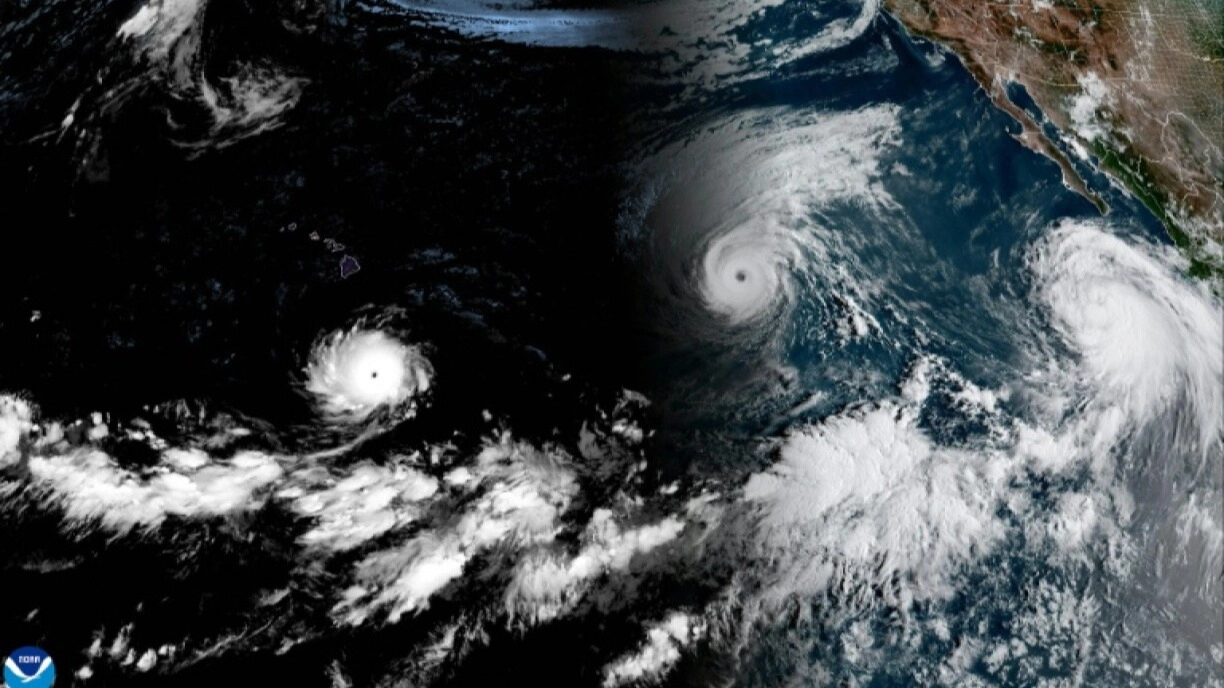
'Supersized' El Niño warning issued by UN over extreme 2027 weather threat

The UN has issued a call for action over 'supersized' El Niño as the current cycle leads to more extreme weather around the world.
UN Secretary-General António Guterres delivered a stark warning about El Niño, which occurs naturally but the effects of which may be exacerbated by climate change.
“El Niño is being supersized before our eyes," said Guterres. "The science leaves no room for doubt: the planet is in uncharted waters, and those waters are heating up. Sea surface temperatures are rising, temperatures keep climbing, and the world is in the danger zone of extreme weather."
He went on to reiterate the urgent need for international action on climate change, saying: The race now is between rising risks and our commitment to take climate action and protect people. We must win that race."
Advert
El Niño is the warming section of the ENSO cycle of the surface temperature of the Pacific Ocean, with El Niño being declared when the surface temperature rises above a certain point, and the higher the temperature the stronger the El Niño.
This El Niño event has been described as having the potential to be one of the strongest ever recorded, leading to an increased likelihood of extreme weather around the world.
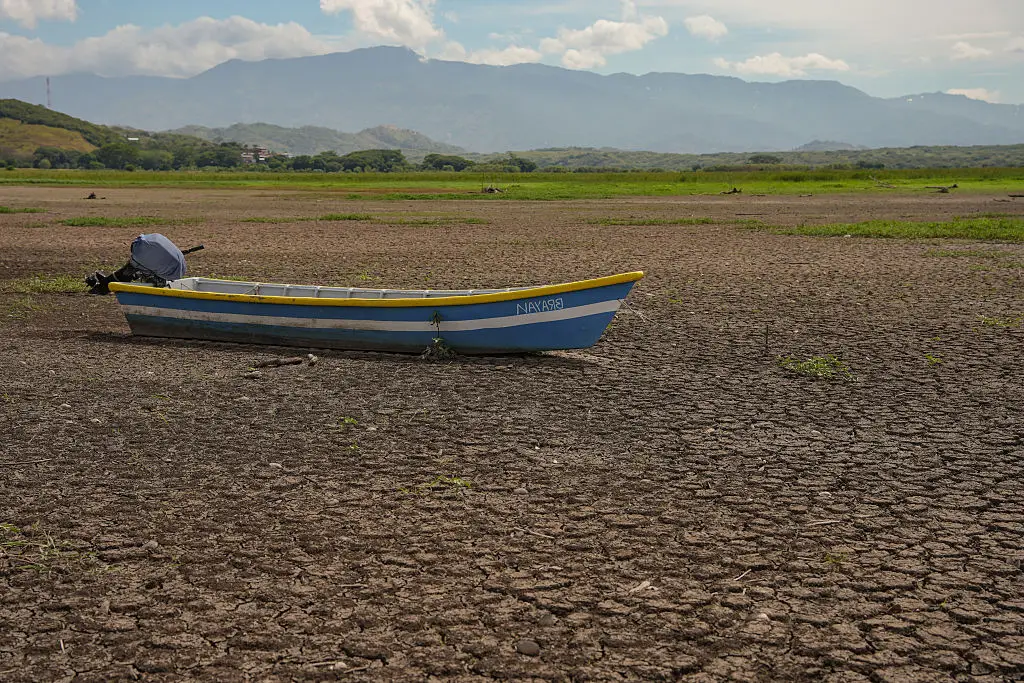
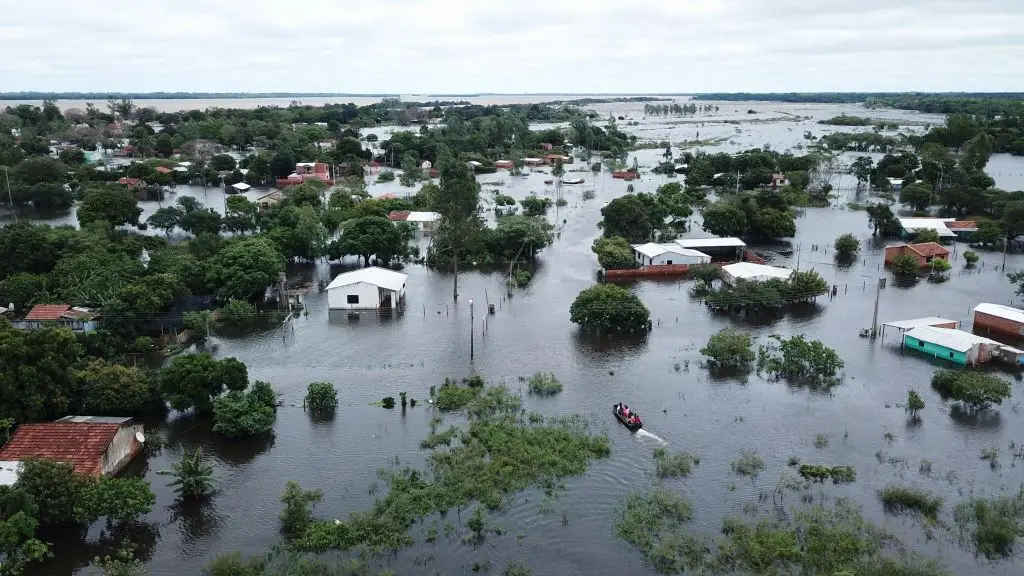
The precise impact of El Niño depends on location, with some areas more likely to experience droughts and wildfires as a result, while others may be more vulnerable to flooding.
Now, forecasts released by the World Meteorological Organisation (WMO) have warned that there is an 'exceptionally high likelihood of nearly 100 percent' that the El Niño will continue until February 2027.
WMO Secretary-General Celeste Saulo said: “El Niño in Spanish means boy child – but it has the potential to deliver a massive blow to communities and economies across the world. We are already seeing disruption and devastation from droughts and floods and we expect these impacts to increase as El Niño intensifies."
She added: “This exceptional El Niño demands exceptional preparation and response. Never before in the 50-year history of the World Meteorological Organization have we launched such a major mobilization with National Meteorological and Hydrological Services who are on the frontline of delivering the forecasts and services to save lives and livelihoods."
Saulo went on to give an urgent warning, saying: “We have no time to lose.”
The current El Niño cycle, which is so strong that it has been informally referred to as a 'Super El Niño', is expected to continue strengthening and reach its most severe towards the end of 2026.
Although El Niño is not itself caused by climate change, it is possible that additional warming and impacts of climate change could make the impact of El Niño more severe as the warming caused by El Niño and that caused by climate change combine, though the relationship between climate change and El Niño remains the subject of scientific debate.
One study published in the journal Science, there is evidence that climate change may also be leading to stronger El Niño events.
Study lead author Julia Cole, a climate researcher at the University of Michigan, told The Guardian: “Our findings suggest El Niño can supercharge global warming but also global warming can supercharge El Niño – that is what we are seeing.
“We are seeing a trend of stronger El Niños and the one we have now is consistent with that trend – it’s not a fluke. We are seeing a shift where El Niño doesn’t look like what it did prior to industrial times.
"That is bad news for climate hazards and for people, particularly those who are badly impacted and yet have done little to cause climate change.”
Topics: El Niño, World News, Weather
 Kit Roberts