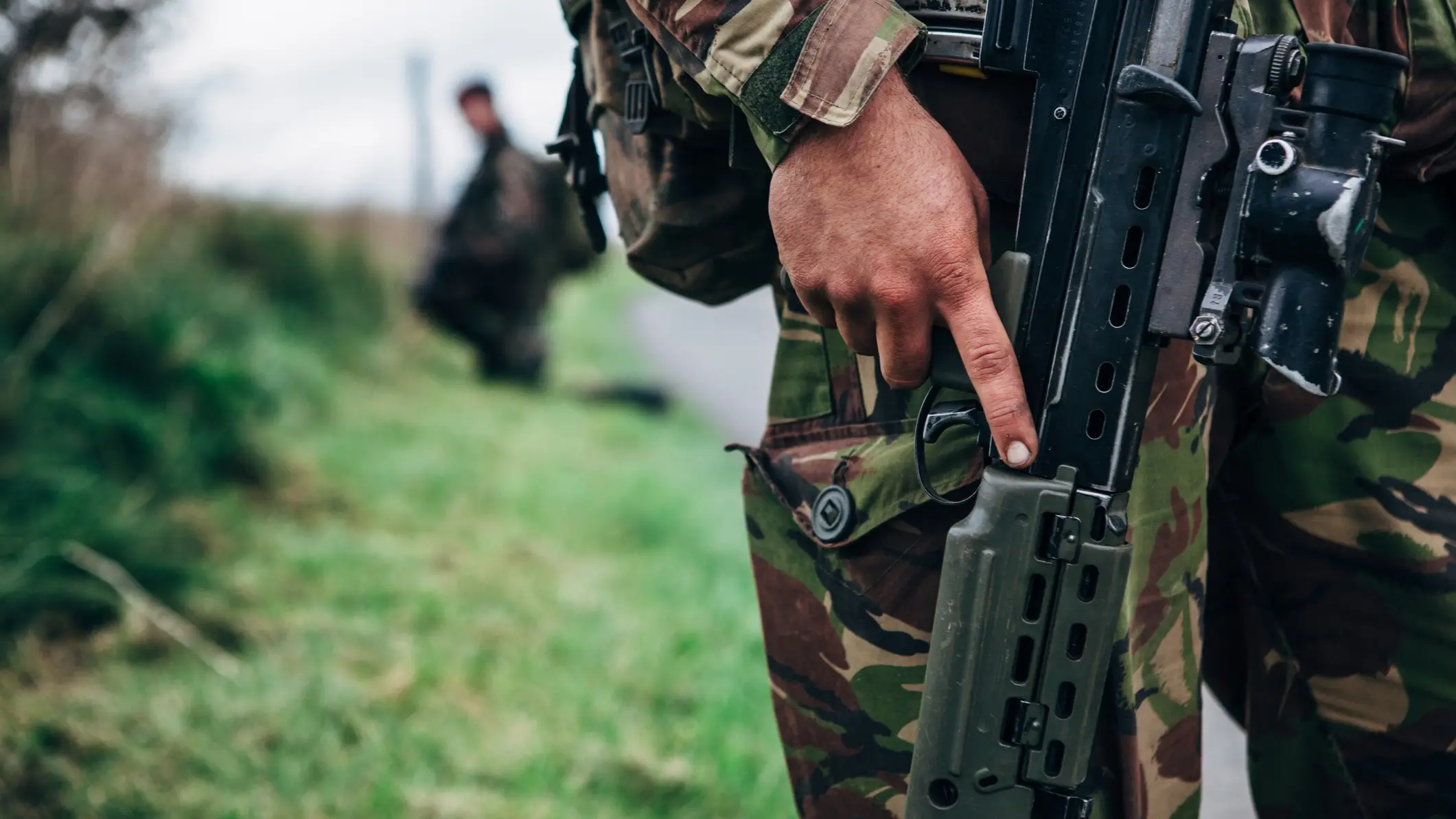
What EU countries are telling citizens to stock up on as global WW3 fears rise

While the UK - and the majority of the European continent - is not currently at war, governments are urging their citizens to prepare for a plethora of emergency scenarios.
And it's not just conflict which citizens are being warned about either, as El Niño-influenced weather events, cyber-attacks and national power outages have the potential to disrupt supply chains.
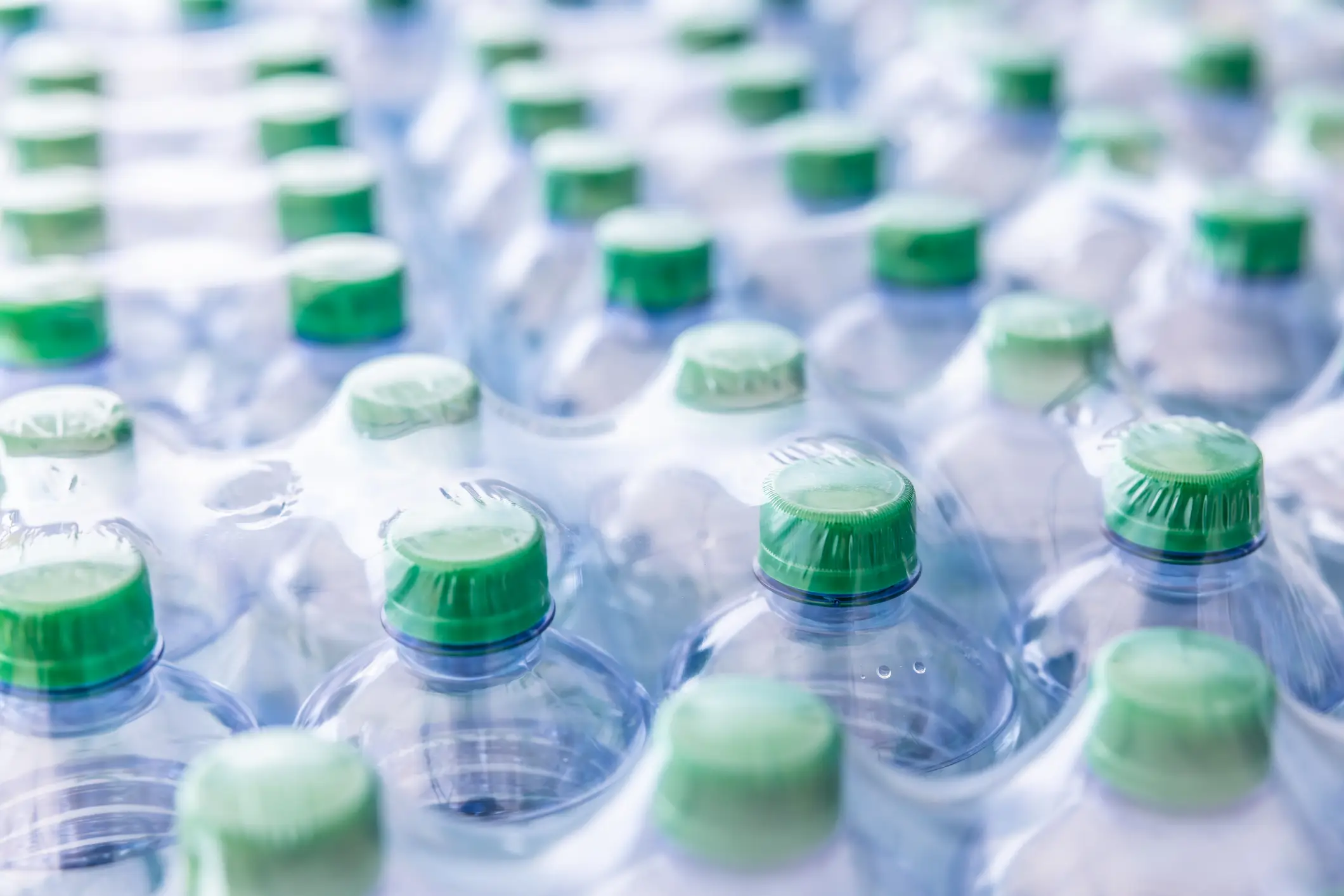
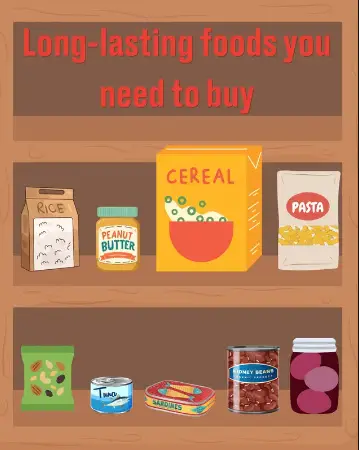
Earlier this month, Environment Secretary Dame Angela Eagle warned that El Niño could lead to 'extreme storms' across the UK during an interview with The Guardian while one nutritionist urged Brits to stock up their shelves with non-perishable goods such as chickpeas, lentils, kidney beans, tinned tuna and several litres of bottled water.
These warnings are not limited to the UK either, as countries such as Germany, France and Poland have all issued similar guidance to their citizens as well.
Advert
European household emergency preparedness guidance
As of 22 September, here are all the countries which have issued guidelines on what items to have at home.
Switzerland
Earlier this month, the Swiss Federal Council approved a 2026 Security Policy Strategy in response to the ongoing war between Russia and Ukraine, which included increased military preparedness as well as improving the protection of civilians, institutions and infrastructure
Ireland
According to the government's 'Be Emergency Ready' campaign, Irish citizens are advised to keep emergency food, water, medicines, a radio, power banks and essential documents stocked up at home. This includes 2–3 litres of drinking water per person per day.
The guidelines were published last month as part of a campaign last month, with booklets covering scenarios such as severe weather, cyberattacks and disruption to power, water and critical supply chains.
Germany
Germans have been urged to make sure they ideally have enough essential supplies - this includes food, water, medicines and hygiene supplies - for 10 days, while three days' worth of supplies would also be valuable.
The government previously revised its civil protection guide to state that war no longer appears as unlikely as it did several years ago, while conflict preparation is now being taught in German schools.
Poland
According to a nationwide security campaign, citizens of Poland are advised to have a three-day emergency supply of essential household items. As well as maintaining a stockpile of essential items, Poles have also been advised to be aware of their nearest shelter in the event of a national crisis.
The government lists blackouts, air attacks, armed conflict and chemical, biological, radiological and nuclear threats.
France
France's Tous responsables guide tells citizens to keep a 72-hour emergency kit containing water, food, basic medicines and a radio stocked up at home.
The guidance was published in 2025 and updated in August 2026, covering natural disasters, cyberattacks, terrorism and armed conflict.
This is in line with the EU Preparedness Strategy, which calls for all member states to make sure households are self-sufficient for 72 hours.
The Netherlands
Like France and Germany, the Netherlands has advised citizens to create a 72-hour emergency kit. This includes three litres of water per person per day, food, a radio, power banks and cash, roughly recommends €70 in cash per adult and €30.
Noting that while the country is not currently at war, the Dutch government is citing cyberattacks and threats to power, internet and gas infrastructure as scenarios where emergency supplies could be needed.
Finland
Although not a member of the EU, Finland has issued guidance telling citizens to have enough food, water and medicine to last 72 hours.
The guidelines were published in the nation's established preparedness model, which also covers power cuts, communications failure, sheltering indoors and cyber disruption.
Sweden
Outlined in the country's Case of Crisis or War booklet issued to every household, Swedes have been advised to aim for having enough supplies to manage independently for a week. This includes items such as three litres of water per person per day as well as cash.
The booklet also includes advice on air raids, nuclear incidents, evacuation and civil-defence shelters.
Estonia
Like Sweden, Estonians have been told to make sure they can survive without electricity, water or heating for at least one week.
Essential items include food, water, medicine, a radio and a source of alternative power.
Denmark
Meanwhile, Denmark has kept to the 'three-day' number, advising citizens that they should be able to live independently for three days. According to Danish government guidance, cyberattacks, sabotage arising from Europe’s deteriorating security situation and extreme weather are the main risks.
Topics: World News, UK News, Politics
 Brenna Cooper