ladbible homepage
ladbible homepage
  • Home
  • News
    • UK
    • US
    • World
    • Ireland
    • Australia
    • Science
    • Crime
    • Weather
  • Entertainment
    • Celebrity
    • TV
    • Film
    • Music
    • Gaming
    • Netflix
    • Disney
  • Sport
  • Technology
  • Travel
  • Lifestyle
  • Money
  • Originals
    • FFS PRODUCTIONS
    • Say Maaate to a Mate
    • Daily Ladness
    • UOKM8?
    • FreeToBe
    • Citizen Reef
  • Videos
  • Advertise
  • Terms
  • Privacy & Cookies
  • License Our Content
  • About Us & Contact
  • Jobs
  • Latest
  • Archive
  • Topics A-Z
  • Authors
Facebook
Instagram
X
Threads
Snapchat
TikTok
YouTube
Submit Your Content Here
  • GAMINGbible
  • LADbible Group
  • UNILAD
  • SPORTbible
  • Tyla
  • FOODbible
  • UNILAD Tech
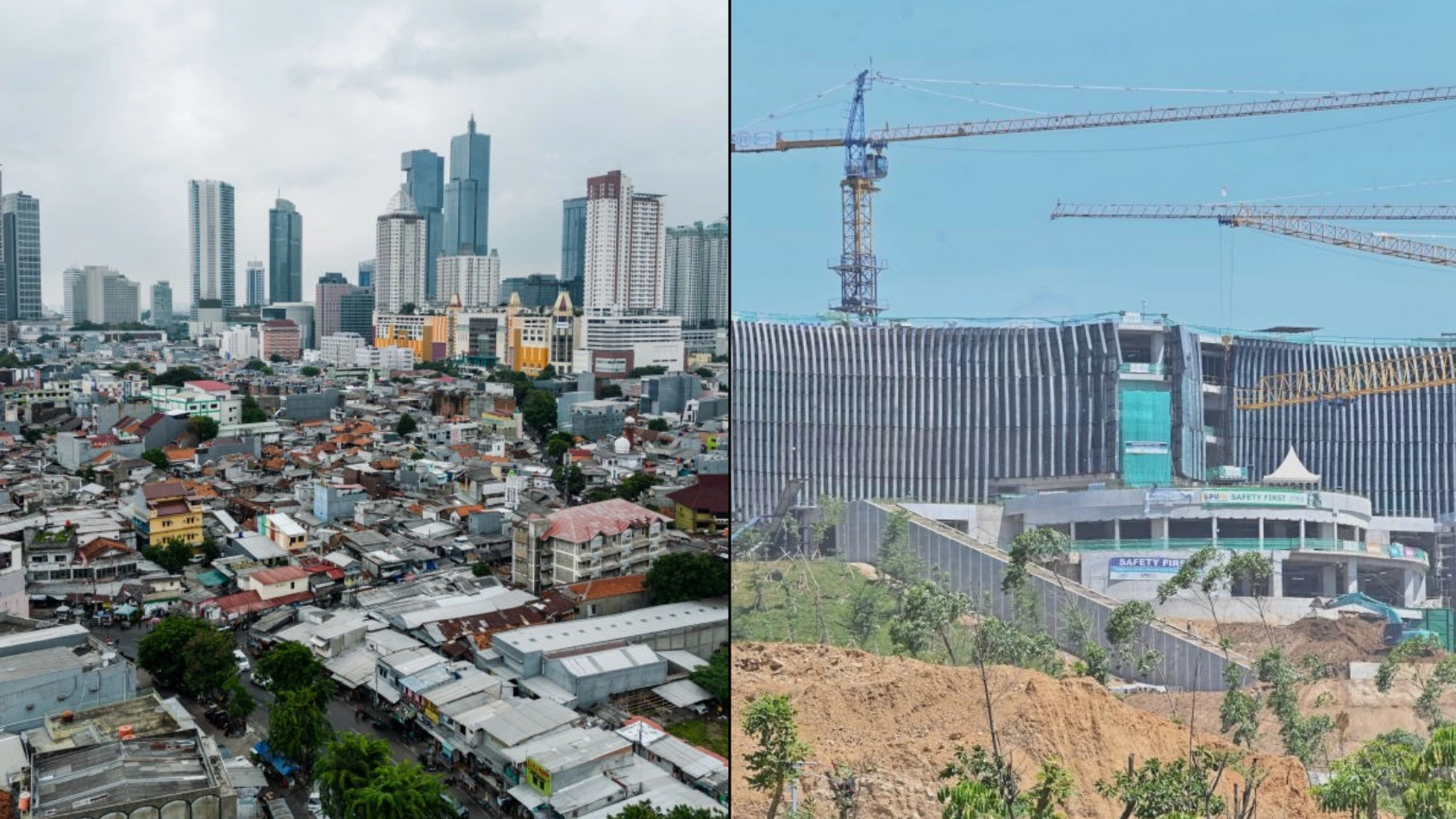
Country planning £30 billion relocation of capital city may be forced to cancel idea
Home>News>World News
Published 18:34 20 Jun 2024 GMT+1

Country planning £30 billion relocation of capital city may be forced to cancel idea

The city is home to over 10 million people, but it's slowly sinking

Joe Harker

Joe Harker

google discoverFollow us on Google Discover

What is a nation supposed to do when their capital city, home to over 10 million people, starts sinking into the swampy land it's built upon?

It's an issue that isn't facing many nations, but for Indonesia it's a very real prospect.

Their capital city of Jakarta is steadily sinking and climate change means that the Java Sea could eventually overrun the Indonesian capital.

Obviously, the country needs a capital city and more than 10 million people need a place to live that isn't the world's fastest sinking city.

Advert

Experts predict that by 2050 up to a third of Jakarta could be submerged, and where once that was a far off year of hypothetical proportions we're now basically halfway there since the turn of the millennium.
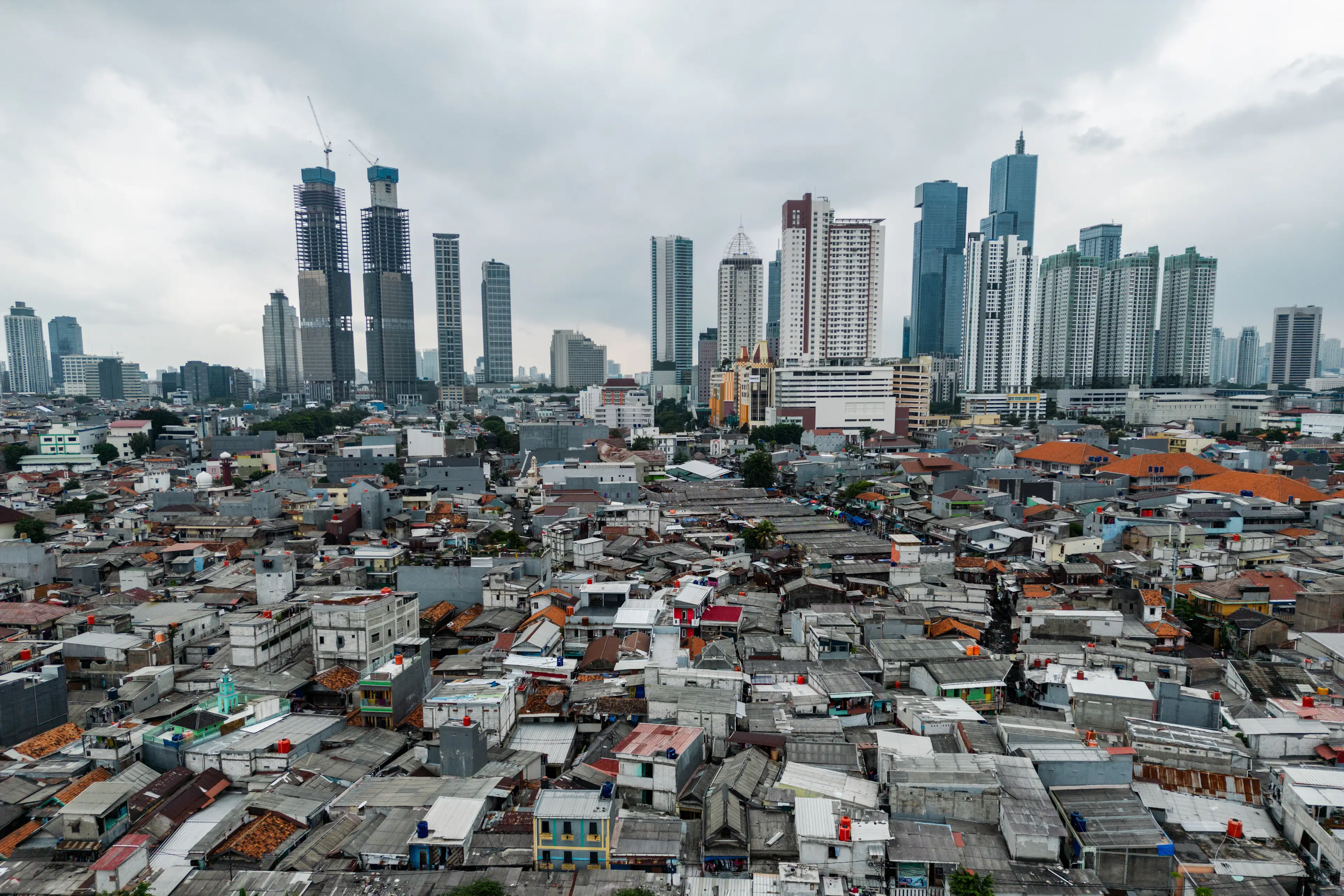
Jakarta is the world's fastest sinking city, and by 2050 a third of it could be submerged. (Garry Andrew Lotulung/Anadolu via Getty Images)

As such, Indonesia has decided to move their capital city to the island of Borneo and they're intending to spend £30 billion on building a new capital from scratch.

They're hoping to construct a 'sustainable forest city' that will be carbon neutral by 2045 and building of this is currently underway, having begun in 2022.

That all sounds pretty expensive, but the pollution and damage being done by Jakarta sinking is already costing around £3.5 billion a year, so switching to a more solid and environmentally friendly capital will likely save money in the long run.

However, plans to move the capital from Jakarta to Nusantara have hit the snag that many big projects suffer from, it's taking more time and money than anticipated.

The head and deputy of the team working on the new city quit recently, which is not a great sign for such a complicated plan.
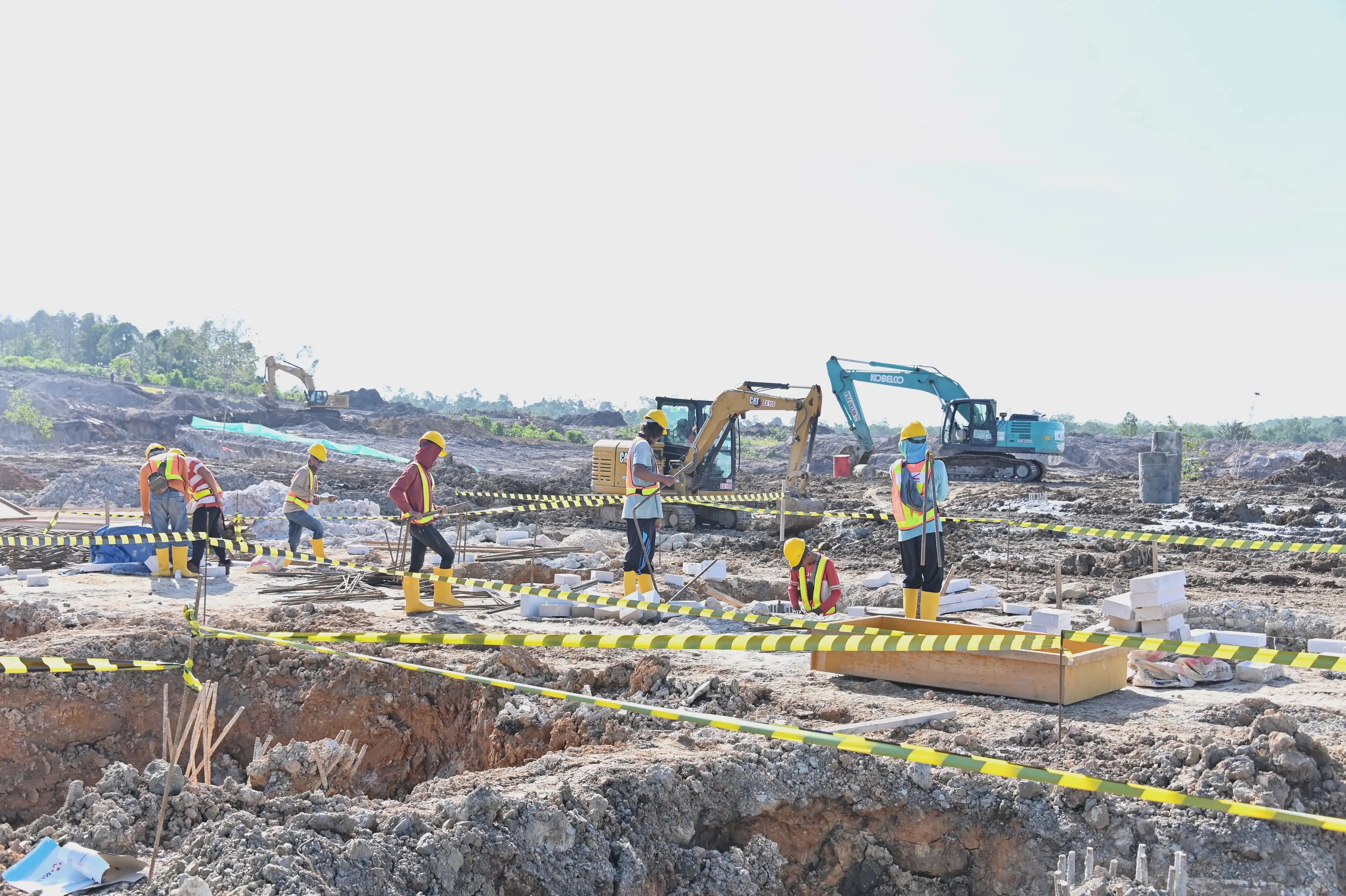
£30billion plans to build a new capital city elsewhere aren't entirely going to plan. (Edi Ismail/NurPhoto via Getty Images)

The current idea is that by 2029, there'll be over a million people living in Nusantara, so we'll see how that goes in time.

Convincing people to move is going to be a tricky idea.

There are several spots around the world where ambitious new building developments were established that ultimately failed to deliver on their promise of a brighter new future.

Sometimes it's a ghost town of tower blocks built too far away from anywhere else to be anything but soulless concrete commuter coffins with nothing enjoyable to do in the area.

At other times there are wildly ambitious attempts to build the city of the future, as Indonesia is doing with Nusantara, only for nobody to move there and thus little reason for people to make a life there.

Featured Image Credit: NurPhoto/Getty Images

Topics: Global Warming, World News, Money, Environment

Joe Harker
Joe Harker

Joe graduated from the University of Salford with a degree in Journalism and worked for Reach before joining the LADbible Group. When not writing he enjoys the nerdier things in life like painting wargaming miniatures and chatting with other nerds on the internet. He's also spent a few years coaching fencing. Contact him via [email protected]

X

@MrJoeHarker

Recommended reads

‘First British victim’ dies after frog poison detoxJonathan Wong/South China Morning Post via Getty ImagesMan dies in second fatal shark attack in a week in AustraliaStock photo GettyThe Mountain attempts to break own record at Enhanced GamesRosdiana Ciaravolo/Getty ImagesOleksandr Usyk retains heavyweight title with controversial 11th-round callMohamed Hossam/Getty Images

Advert

Choose your content:

15 mins ago
2 hours ago
18 hours ago
  • Jonathan Wong/South China Morning Post via Getty Images
    15 mins ago

    ‘First British victim’ dies after frog poison detox

    A cause of death has yet to be formally established

    News
  • Mohamed Hossam/Getty Images
    2 hours ago

    Oleksandr Usyk retains heavyweight title with controversial 11th-round call

    Fans are reportedly furious with the decision

    News
  • Getty Stock Photo
    18 hours ago

    Doctor explains why everyone should be drinking milk in heatwave as temperatures soar above 30 degrees

    Temperatures are soaring to 33 degrees celsius in the UK this week

    News
  • Fox 26 Houston
    18 hours ago

    Killer sends harrowing message to victims' family after murdering mechanic over $500

    Luis Casillas, 29, begged for his life before being forced to his knees and fatally shot

    News
  • 'Super El Nino' is forming in the Pacific Ocean with devastating global consequences predicted
  • Five UK areas at risk of ending up underwater with Doomsday Glacier on the verge of collapse
  • $80 billion mission could stop Doomsday Glacier that would destroy entire countries
  • UN warns ‘devastating consequences for the world’ are now inevitable as we grow closer to ‘catastrophic tipping points’