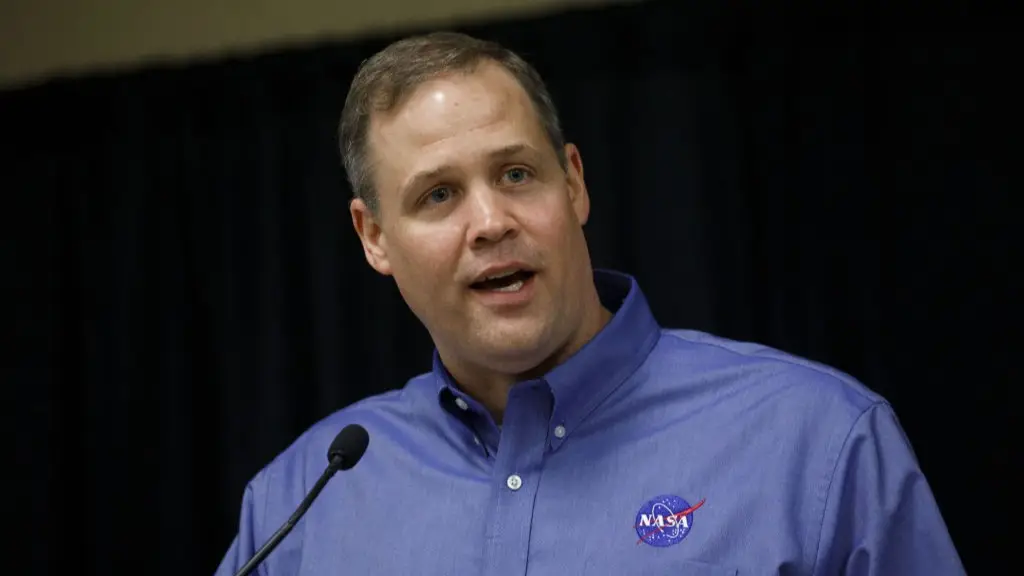
Last astronaut to walk on the moon explained why no one has been back in 50 years

Even though we've seen huge advancements in technology over the years, it's been over five decades since a human last walked on the moon.
Eugene Cernan, NASA's former Apollo 17 commander, was the last person to walk on the moon in 1972 and surprisingly, no one has followed in his footsteps since.
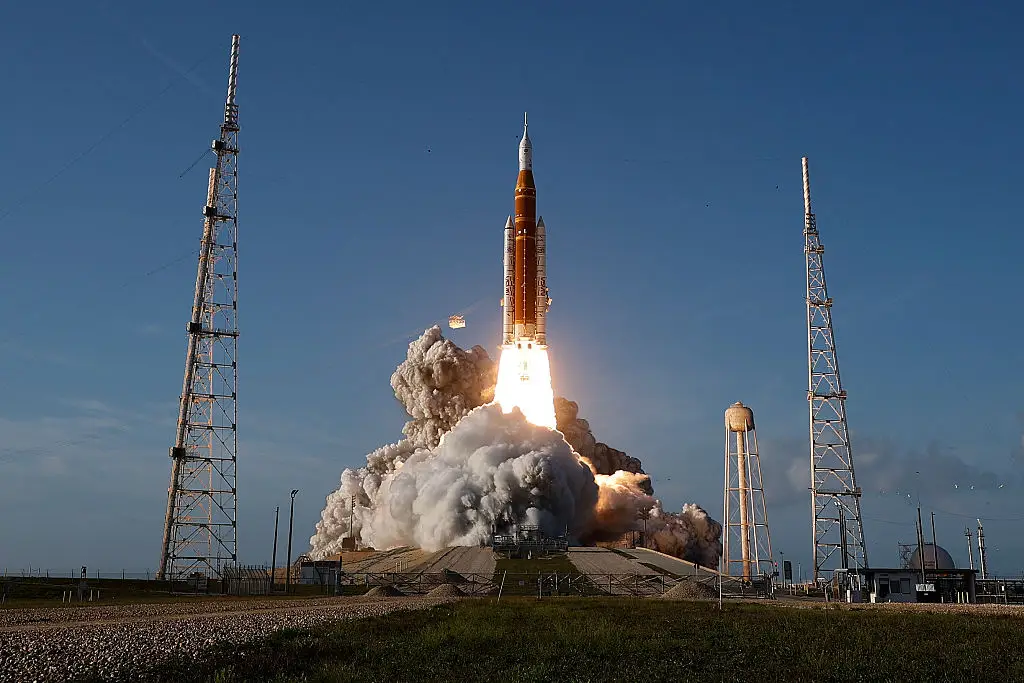
The latest development in space travel has been the launch of the Artemis II mission, which has sent the first crewed mission around the moon ahead of Artemis III, a mission to hopefully put humans back on the moon.
It may seem logical that the reason why astronauts have not ventured to the moon since 1972 is down to technological restrictions or lack of resources, but a former NASA administrator has shut down these claims.
Advert
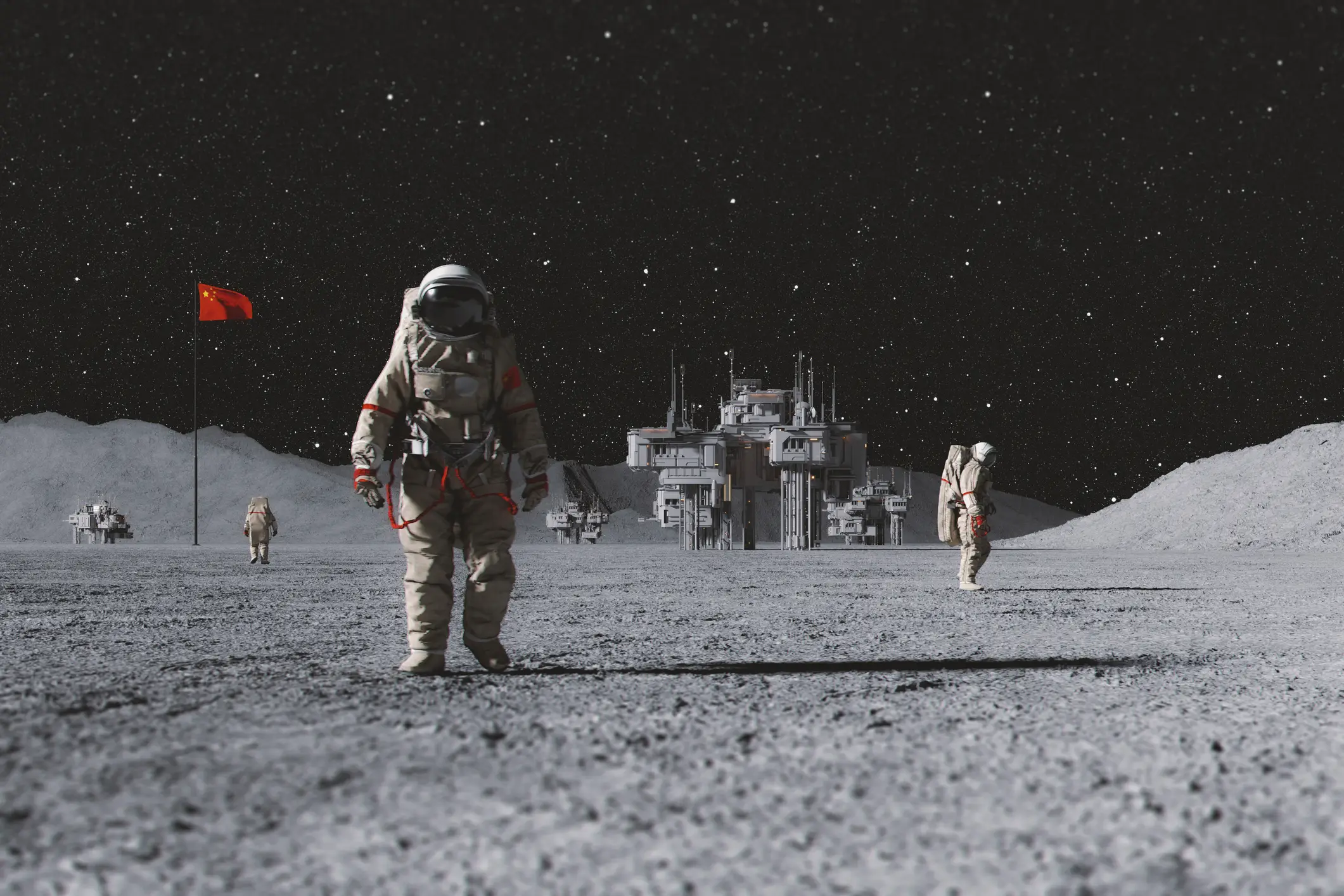
Jim Bridenstine, who served as the administrator of NASA for just under three years, addressed the issue in 2018 and revealed it's all down to politics.
"If it wasn't for the political risk, we would be on the moon right now.
"In fact, we would probably be on Mars. It was the political risks that prevented it from happening," Jim told reporters in 2018,
He added: "The program took too long and it costs too much money."
However, it seems steps are being taken in the right direction following the launch of Artemis II.
Four astronauts - Reid Wiseman, Victor Glover, Christina Kock and Jeremy Hansen - headed into space on Wednesday (1 April) aboard the Orion spacecraft, where they are expected to spend 10 days in total.
During the mission, they hope to capture a view of the Moon's dark side which is yet to be seen on camera, as well as test technologies needed for voyages to Mars and long-term space exploration.
The spacecraft was recorded as being closer to the moon than Earth on Saturday (4 April) with the crew hoping to reach their destination by Monday (6 April), according to NASA.
Hansen, the only Canadian in the crew, explained how the mission was going so far, describing the moment they came back towards Earth for an injection manoeuvre as feeling like the aircraft was "falling out of the sky back to Earth"
"On our first day in space, we saw some extraordinary things. The Earth up close. By the time we had a bit of a nap and got up, the Earth was just so far away again.
"Then to come in for that transit or injection, we came all the way back to Earth again," he said during a news conference from space.
"We were out there at 60,000km, we came back to within 200km of the planet, and it just felt like we were falling out of the sky back to Earth."
Personal items Artemis II astronauts have brought with them
Commander Reid Wiseman
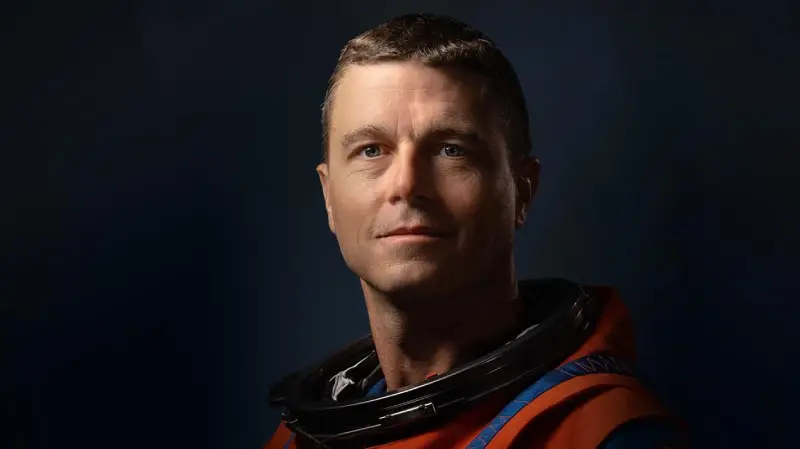
Wiseman, a US Navy test pilot-turned-astronaut, is a single parent who is raising his two teenage daughters alone after he sadly lost his wife to cancer in 2020.
He's spoken to his children about the risks of the mission, with him saying to them while out on a walk: "Here's where the will is, here's where the trust documents are, and if anything happens to me, here's what's going to happen to you… That's part of this life."
Wiseman said he planned on taking a small notepad so that he can jot down his thoughts during the mission.
Mission specialist Christina Koch
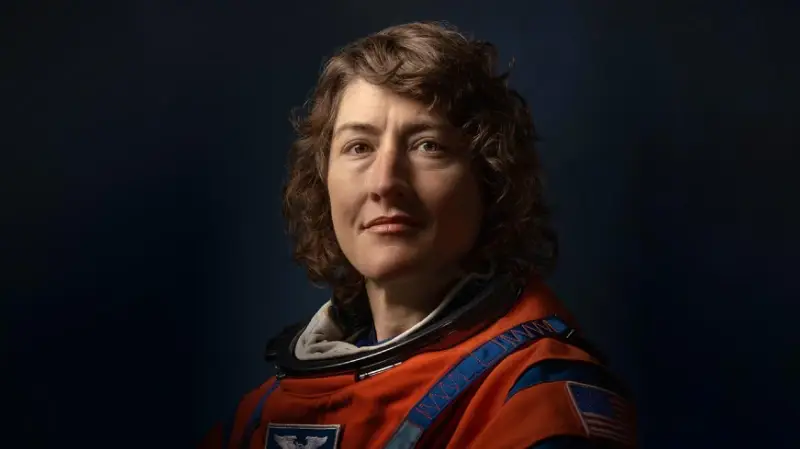
Koch, an engineer and physicist, is a woman who has made many incredible milestones in her life.
Not only has she set the record for the longest single spaceflight by a woman, spending 328 days aboard the International Space Station in 2019, but she's also taken part in the first-ever all-female spacewalk. And now, she's the first woman to ever travel to the moon and venture into deep space.
Koch is taking handwritten notes from people close to her for her personal item, which she has described as a 'tactile connection' to loved ones back on Earth.
Mission specialist Jeremy Hansen
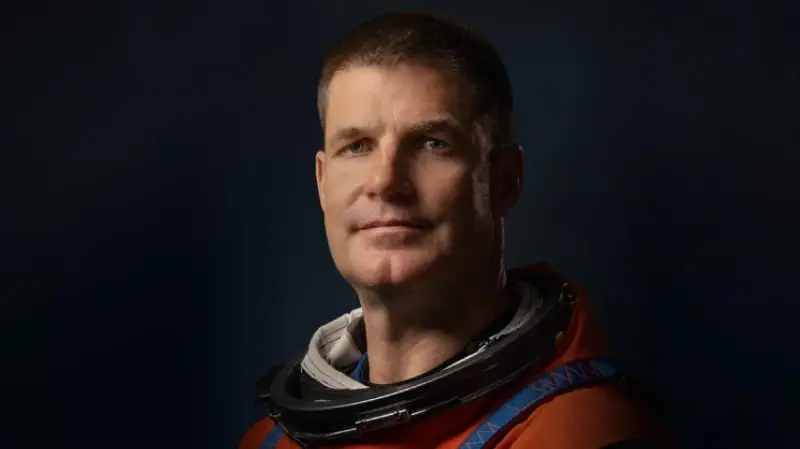
This is the former Royal Canadian Air Force fighter pilot and physicist's first time in space, making him the first Canadian to ever venture into deep space.
Hansen, who is married with three children, will carry four moon-shaped pendants for his wife and children, engraved with the phrase 'Moon and back' and set with their birthstones.
He will also be taking maple syrup and maple cookies on his lunar voyage, in true Canadian style.
Pilot Victor J Glover
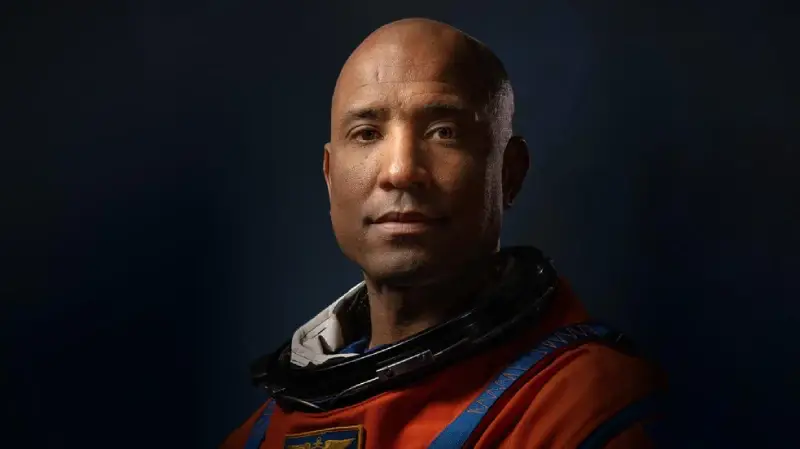
Glover, a former US Navy fighter pilot and test pilot who became a NASA astronaut in 2013, is setting a milestone of his own by being the first ever Black person to travel to the moon.
He is married with four children, and served as pilot of NASA's SpaceX Crew 1 mission, as well as spending nearly six months on the International Space Station as part of Expedition 64.
Already known as the most charismatic and 'sharply dressed' of the Artemis crew, Glover has said he will take on board with him a Bible, his wedding rings and family heirlooms, along with a collection of inspirational quotations compiled by Apollo 9 astronaut Rusty Schweickart.
Topics: Space, World News, NASA
 Danni King