
Artemis II astronauts received terrifying warning message as their spacecraft passed the 'point of no return'

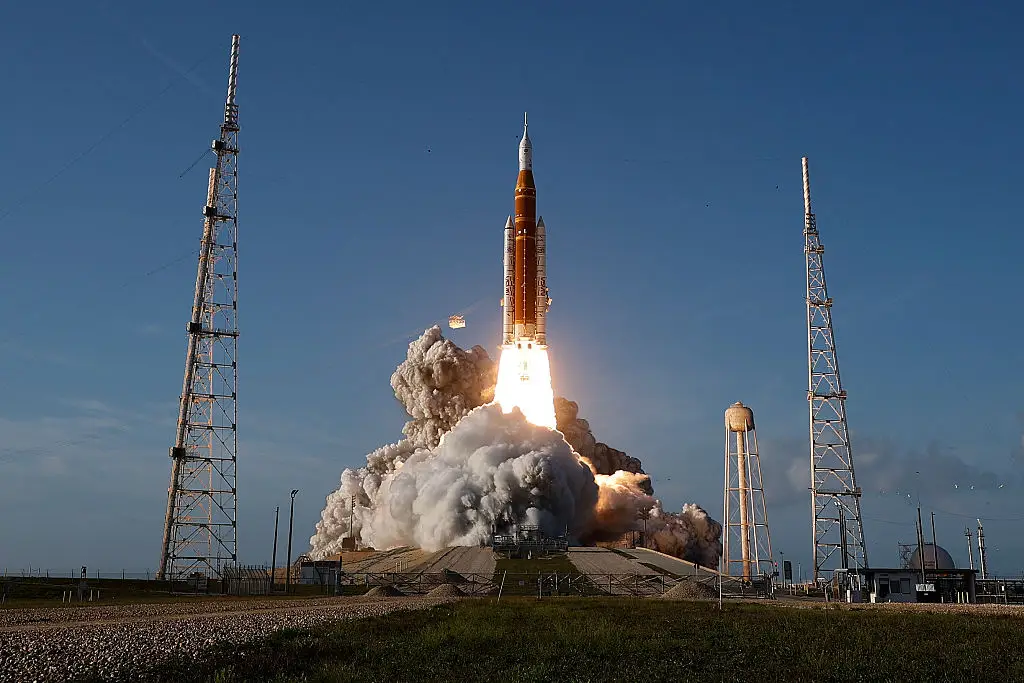
Artemis II has left Earth's orbit as it sets off to carry four astronauts further from our planet than anyone has ever gone before, with them planning on flying around the dark side of the Moon before returning to Earth.
The decision to set off beyond our planet's orbit has been described by some as a 'point of no return', though obviously the spacecraft and astronauts are meant to be returning within a matter of days and if all goes to plan this time next week (10 April) they'll be home again.
Even if something goes wrong within the next few hours the ship can actually turn around and return to Earth, but before long it'll actually be quicker to just circle around the Moon and complete the mission.
Before triggering the critical burn to get out of Earth's orbit the astronauts did get a worrying waring message of a cabin pressurization leak, which would mean very bad things if it was actually the case.
Advert
Fortunately for the Artemis II crew, NASA ground controllers said the capsule's pressure was stable and Artemis flight director Judd Frieling later explained the warning had been a 'false indication'.
"We quickly knew that there was no leak," Frieling explained in a press conference, which is good as it'd have been a real danger to the astronauts otherwise.
Astronaut Jeremy Hansen said the crew definitely noticed the alarm going off and had to consider whether their capsule was leaking air that would mean they'd need to end their mission sooner than expected and return to Earth.
He said: "Luckily, it was just a little anomaly, Houston helped us out."
So that's a false alarm on the scary warning and the capsule with four souls on board continues to make progress towards the Moon.
There are going to be glitches and hiccups along the way, not long after lift-off they discovered some problems with their space toilet.
Dangers for the Artemis II crew are still to come, the biggest is expected to be the moment of re-entry, and there'll be a time when the spacecraft is out of contact with Earth, but for now it's all going according to plan.

Artemis II timeline: When will the crew reach the Moon?
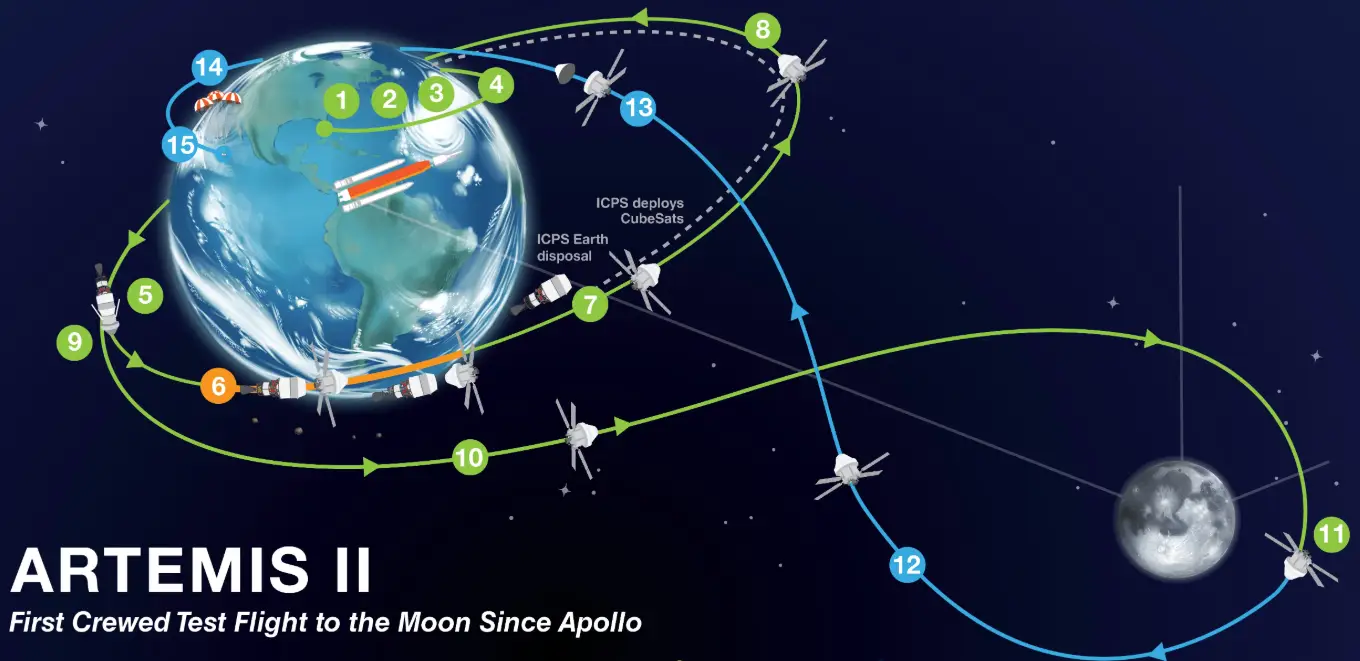
After completing the translunar injection burn, the Artemis II crew have broken free of Earth’s gravity and are now on course for the Moon.
They are set to travel 250,000 miles from Earth, further than any human has ever gone before.
But what are the key milestones over the next few days, and what should we look out for back on Earth?
Friday 3 April - Saturday 4 April
While the rest of us are enjoying a four-day weekend, astronauts Reid Wiseman, Victor Glover, Christina Koch and Jeremy Hansen will be hard at work prepping for their Moon fly-by.
They’ll be testing radio communications, and most importantly for us, taking lots of pictures out of the window of their spacecraft.
So expect some stunning photographs of the Earth and the Moon in deep space.

Sunday 5 April
As Brits tuck into their Easter Sunday roast dinners, it’s an important day for the Artemis II crew.
This is when they’ll enter the lunar sphere of influence, which means the tug of the Moon’s gravity is stronger than Earth’s.
The crew will also be testing their spacesuits to make sure they’re in tip-top shape for re-entry next week.
Monday 6 April
This is the big one! The Artemis II crew will pass around the far side of the Moon, the furthest from Earth anyone has ever gone before.
Commonly dubbed the dark side of the Moon - it isn’t actually dark and actually gets more sunlight than the side we do see.
It’s called this because, thanks to something called tidal locking, the same side of the Moon is always facing Earth, so we never get to see the other one.
The Artemis II crew will spend the day taking photographs of the lunar landscape, and there will be 40 mins where they will lose contact with Earth - which is sure to be squeaky bum time for the folks at NASA.
Tuesday 7 April - Thursday 9 April
As we grudgingly head back to work, the astronauts begin their return journey to Earth.
Tuesday is the Artemis II crew’s day off after a full-on few days - though you have to imagine entertainment is scarce in the Orion spacecraft. No Netflix, unfortunately.
On Wednesday, the crew will practice building a radiation shelter, which would be able to shield them in the event of solar flares, test compression garments which should prevent dizziness on the return to Earth, and have a go at manually piloting the spacecraft.
Friday 10 April
The Artemis II crew will be back on Earth in time for the weekend. This is the diciest section of the mission, with the Orion spacecraft exposed to temperatures of up to 1,650°C.
Once safely back in Earth’s atmosphere, parachutes will deploy and they’ll land in the Pacific Ocean off San Diego, where NASA and the US Navy will be ready to pick them up.
 Joe Harker