Major Noah's Ark breakthrough as new details 'confirm' dates that could prove story is true

A team of researchers studying a site they believe may contain traces of the mythical Noah's Ark have made a major step forward with their latest findings.
If you know your bible, or perhaps the 2014 movie starring Russell Crowe, then you'll be aware that Noah's Ark was a big ship built to survive a terrible flood upon which two of every animal was kept.
Then the rains came down and the floods came up, and according to the myth pretty much everyone and everything in the world died except for Noah's family and the animals he'd herded onto his boat.
Scientists might point out this would leave pretty much every species in the world with precious little genetic material to repopulate without becoming horribly inbred.
Advert
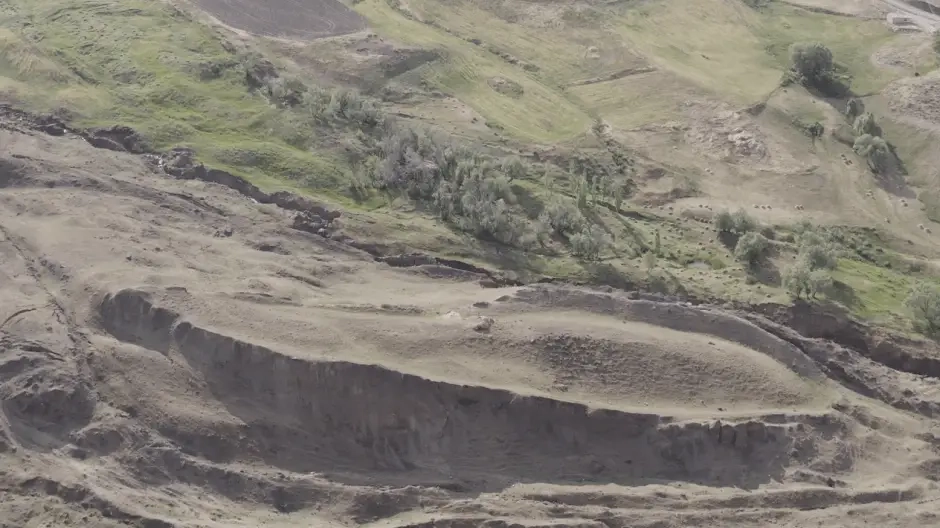
Anyhow, for a long time the Durupınar site near Mount Ararat in what is now Turkey has been identified as a possible final resting place for Noah's Ark, and a team of researchers have claimed they found remains of the wood it was built from.
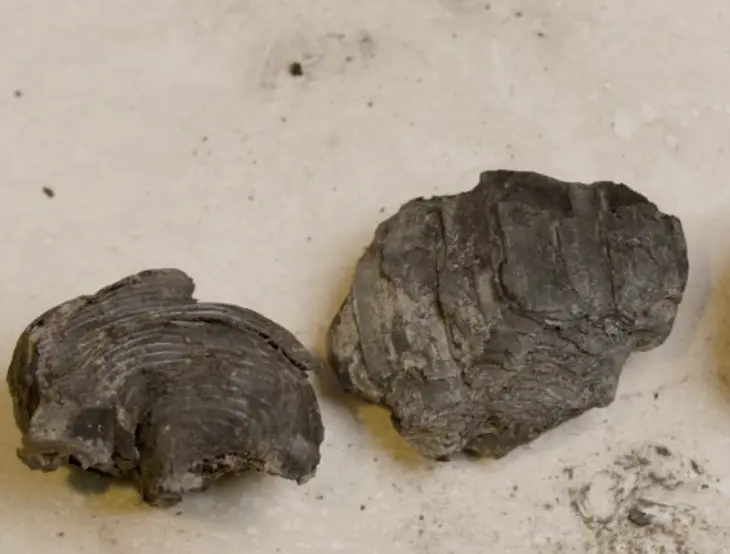
Earlier this month they announced that they found 'charred wood fragments' buried about 30ft beneath the ground and sent their samples for analysis, and now they say that two of the samples are from the same historical timeframe as the flood that required Noah's Ark to be built in the story.
According to their findings these chunks of wood came from around 4,300 years ago.
Andrew Jones, founder of Noah’s Ark Scans, said: "Our project director, Professor Cenker Atila, found blackened wood inside the Durupınar formation in eastern Turkey.
"We sent two charcoal samples for radiocarbon dating, and both point to wood that grew about 4,300 years ago. What caught my attention is that 2348 BC, the year Archbishop Ussher proposed for Noah’s Flood, falls within the most likely date range for each sample.
"After nearly 30 years of visiting the Durupınar Noah's Ark site, it’s exciting to hold a piece of wood from inside this formation and know it existed during the time of Noah’s flood according to the Bible."

Professor Atila said that it could be 'one of the most significant archaeological discoveries in history', though not everyone agrees that this is what they say it is.
Writing in The Conversation, Professor Eric Vanden Eykel explained that most modern biblical scholars see Noah's Ark as part of a tradition of flood myths, with there being multiple stories where a religious deity floods the place but tells one man how to survive.
He said: "The current search at Durupınar, like those that came before it, assumes that behind the biblical story there is tangible evidence just waiting to be found. For nearly 70 years this boat-shaped formation has kept that possibility alive.
"Ancient flood stories and how they changed across cultures can reveal how people made sense of catastrophe, human violence and the possibility of starting over. A boat-shaped formation in eastern Turkey probably cannot."
Topics: Religion, World News, History
 Joe Harker