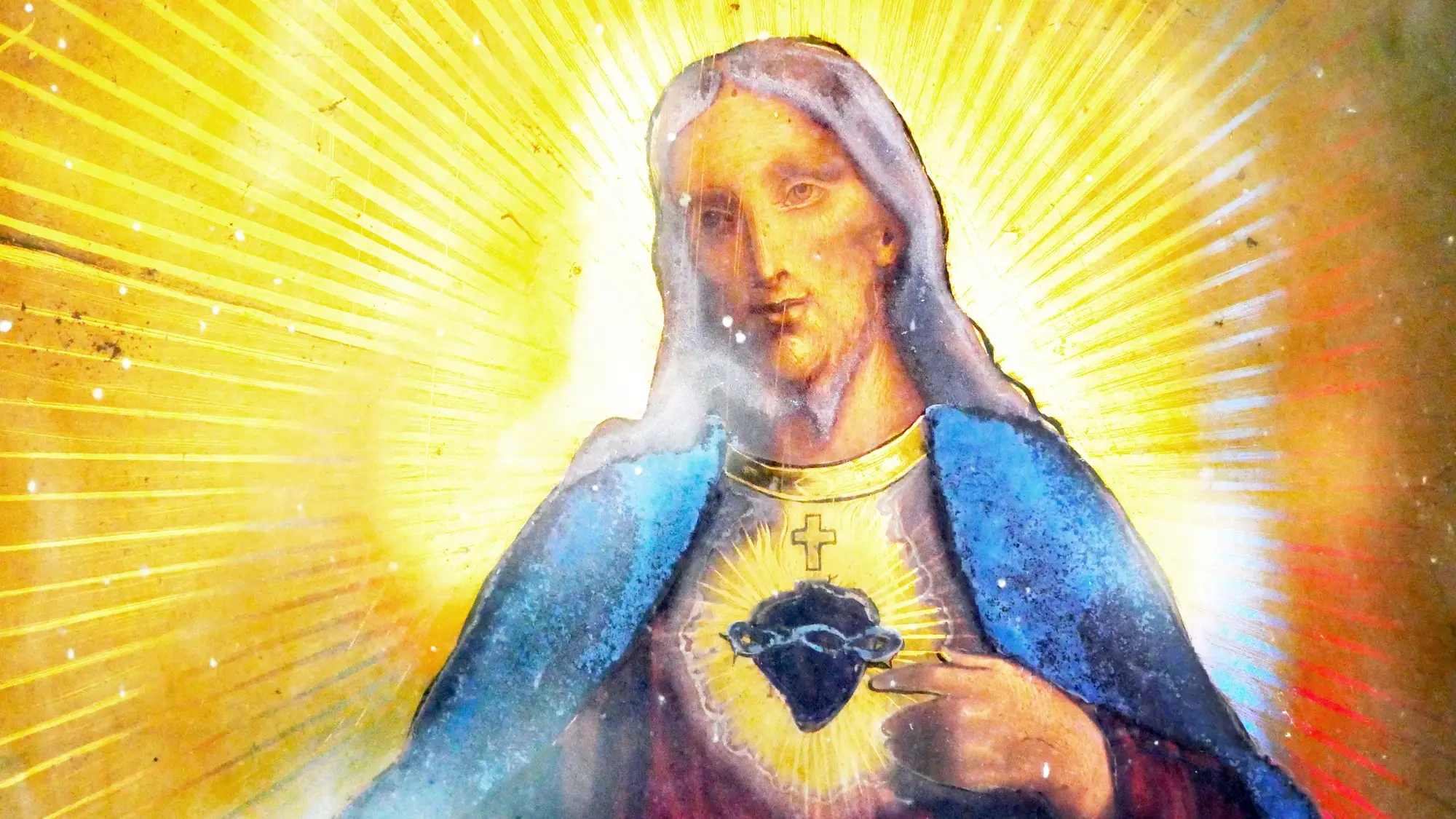
New evidence ‘strongest ever’ to prove Jesus was a real person

Was there really a man named Jesus wandering around the Middle East just over 2000 years ago? And was he actually the Son of God?
These are just two of the questions which have caused fierce debate amongst believers and non-believers around the world for generations.
Over the years, there have been various pieces of evidence which have sought to prove whether or not Jesus actually existed. This list includes relics such as the Shroud of Turin and the Crown of Thorns, as well as 'scientific evidence' claiming to prove that he actually rose from the dead on Easter Sunday.
And now the latest piece of evidence, hoping to definitively prove the existence of Jesus, has emerged: a series of ancient writings credited to Roman historians.
Advert

According to research published by Biblical Archaeology, writings from two ancient historians have been reviewed to assess whether or not they are a credible source of proof that Jesus existed.
One of the texts cited was written by a man named Tacitus, a Roman historian who was born 55 years after Jesus was said to have been crucified.
In his text Annals, written around 116 AD, Tacitus made reference to a group known as 'Chrestians' who were being pursued by the Emperor Nero.
Tacitus goes on to write that the group had been founded by a man named 'Christus' who'd been executed during the reign of Emperor Tiberius, with his death ordered by Pontius Pilate, the governor over the Roman province of Judea at the time.
The text also reveals that Tacitus was not a Christian himself, with the scholar going on to describe the religion as 'evil' and a 'deadly superstition'.
Christianity was also persecuted in the Early Roman Empire, meaning that Tacitus would have no motivation to lie in his writings.
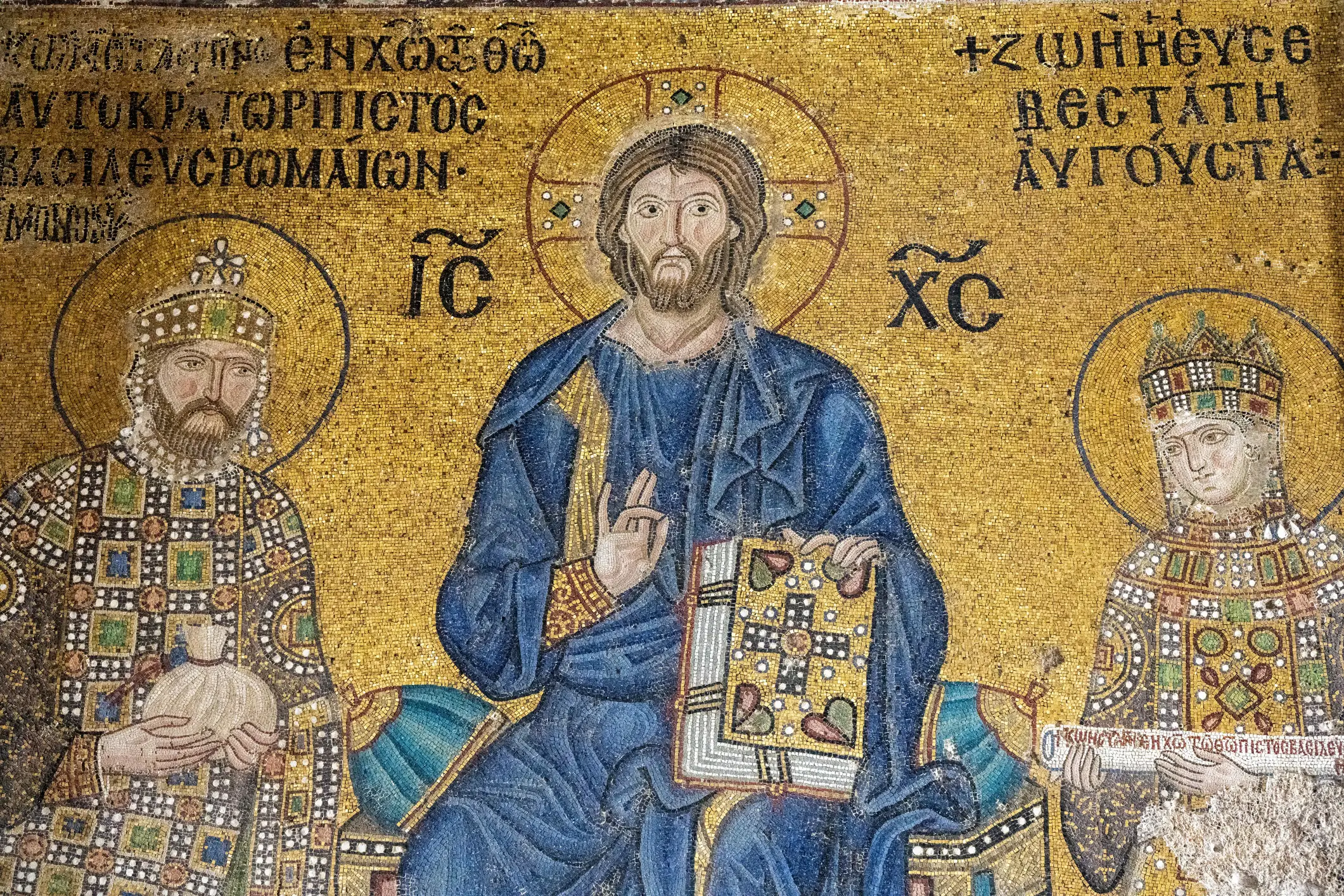
Meanwhile, another piece of evidence comes from the writings of Flavius Josephus, a prominent Jewish aristocrat who was born in Jerusalem in the decades after Jesus was supposed to have been crucified.
Josephus' writings are considered to be a crucial part of understanding what life was like in first-century Judea (modern-day Israel and Palestine).
In his book Jewish Antiquities, written in 93/94AD, Josephus makes two references to Jesus.
The first reference discusses the execution of a man named James, often referred to as the brother of Jesus, identifying him as 'the brother of Jesus-who-is-called-Messiah'.
Although relatively minor, the reference to Jesus as the 'Messiah' reveals that he not only existed but was likely a well-known figure at the time.
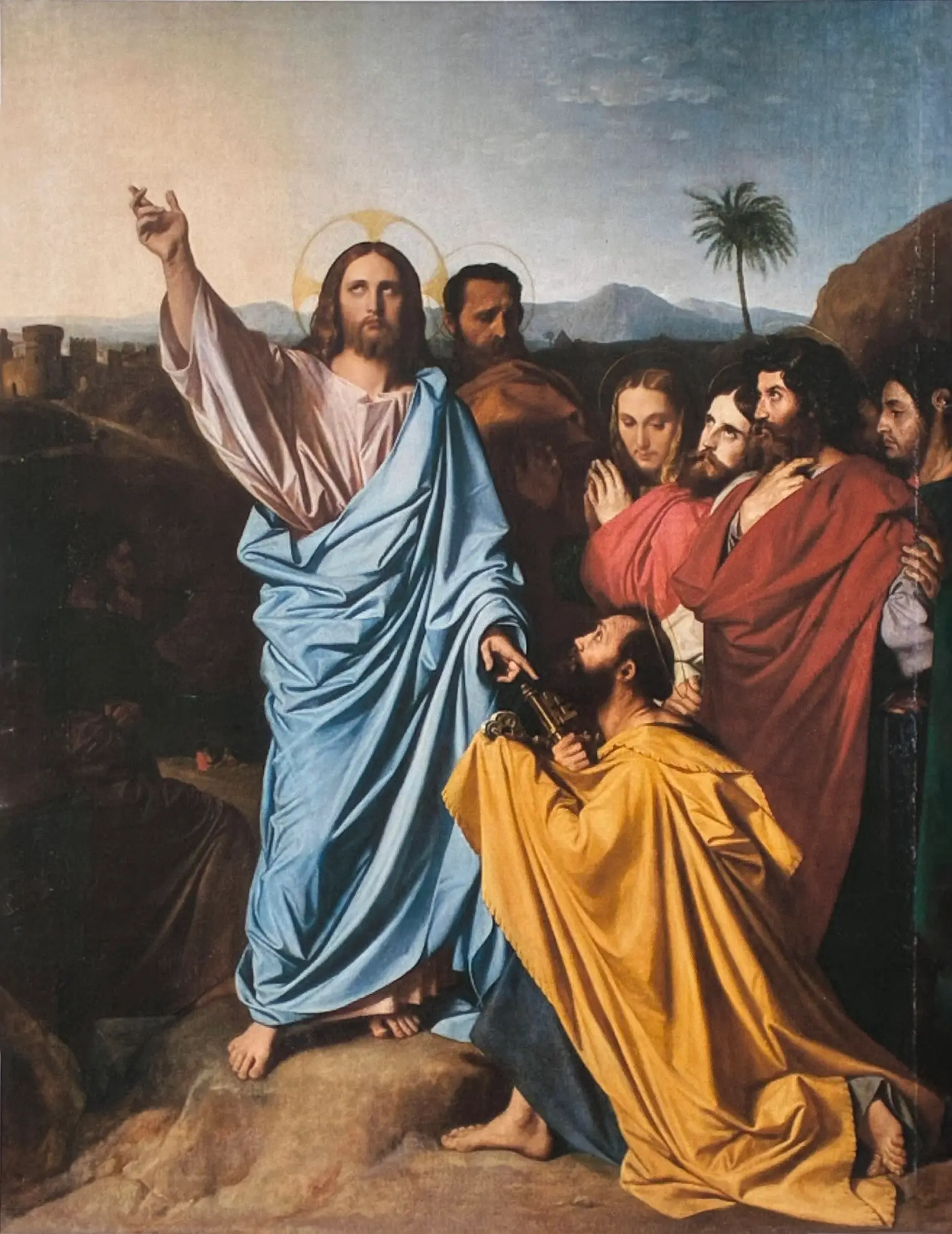
As for the second reference, Josephus also refers to Jesus as a 'wise man' and a teacher whom people accepted 'gladly'. Although the authenticity of parts of this passage has been debated, both of the texts serve as further evidence to suggest that, if nothing else, Jesus existed as a historical figure in Roman Judea and was likely executed under the reign of Pontius Pilate.
As for the question of whether or not he is the son of God or was able to perform miracles, that's a discussion for another day.
 Brenna Cooper