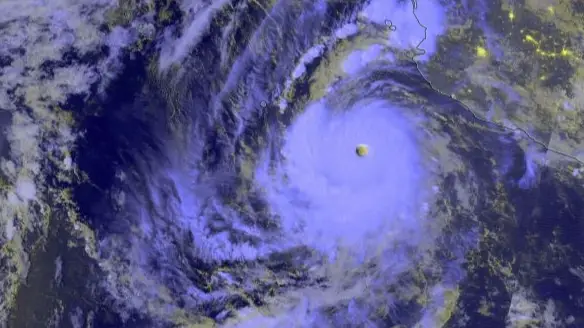
New travel warning over 'one of strongest storms ever' as 'Godzilla' El Nino strengthens

Another travel warning has been issued over 'one of the strongest storms ever' as the devastating affects of El Niño continue.
Travel warnings were, earlier this week, issued over a major hurricane off the coast of Mexico, which has been worsened by El Niño conditions.
Now these have been updated, urging 'emergency preparedness' and the possible need for tourists and locals to use emergency shelters.
Travellers in Los Cabos, a major resort destination at the southern tip of Mexico's Baja California Peninsulahave been told to prepare to gather emergency supplies.
Advert
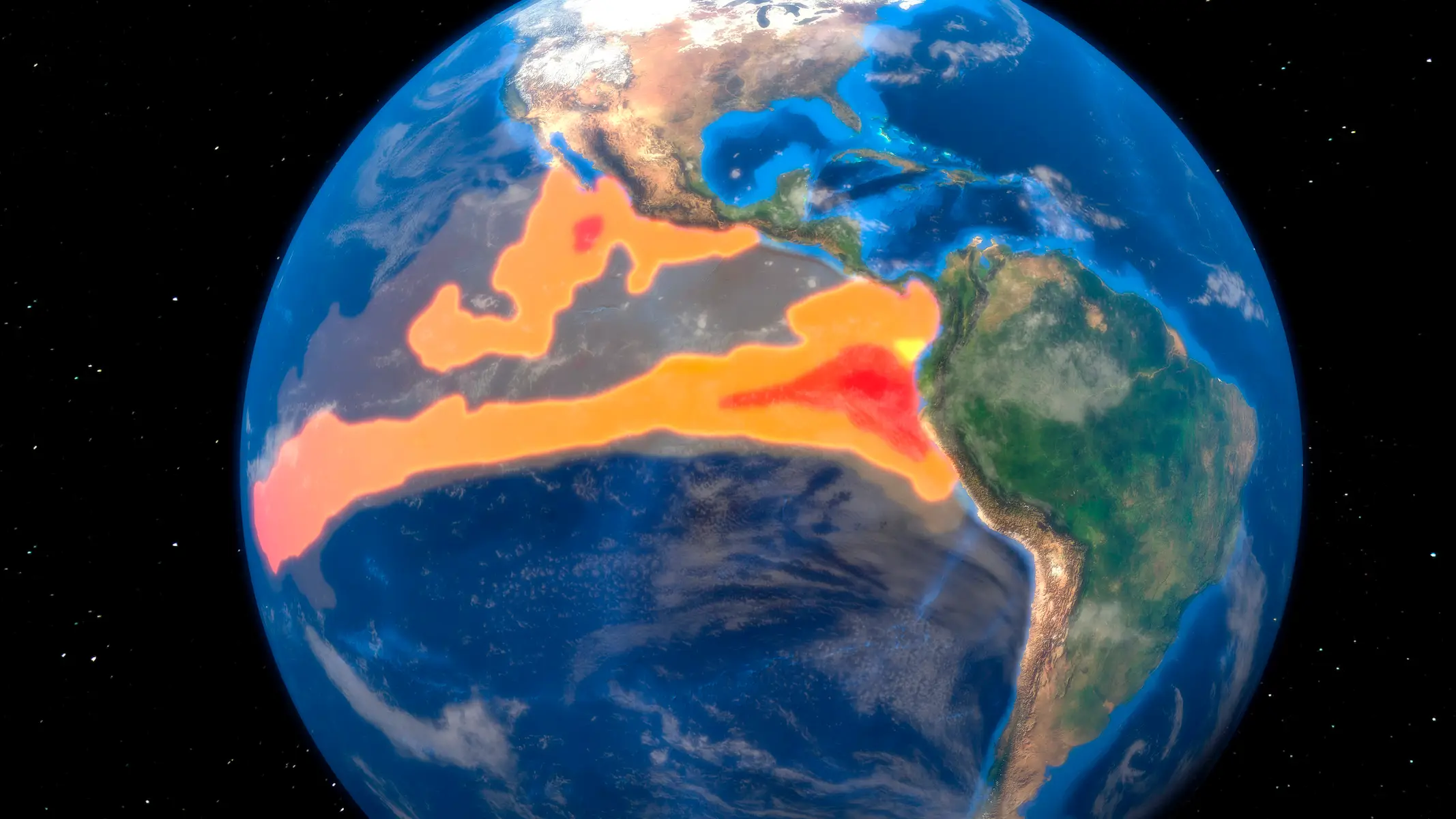
Experts at the Met Office have said the 'super' El Niño has already exceeded previous records, with several weeks to go before it is set to peak.
The event is a naturally occurring climate phenomenon that develops in the Pacific Ocean when sea surface temperatures across the central and eastern equatorial Pacific become significantly warmer than average.
It has been likened to 'Godzilla' in its strength, causing a change in atmospheric circulation patterns and affecting weather worldwide.
Read the latest El Niño news here.
For the tropics, southern Africa and north-east Australia can be at heightened risk of drought. While north-western Europe (including the UK) is likely to experience wetter and stormier conditions this coming autumn and early winter, according to the Met Office.
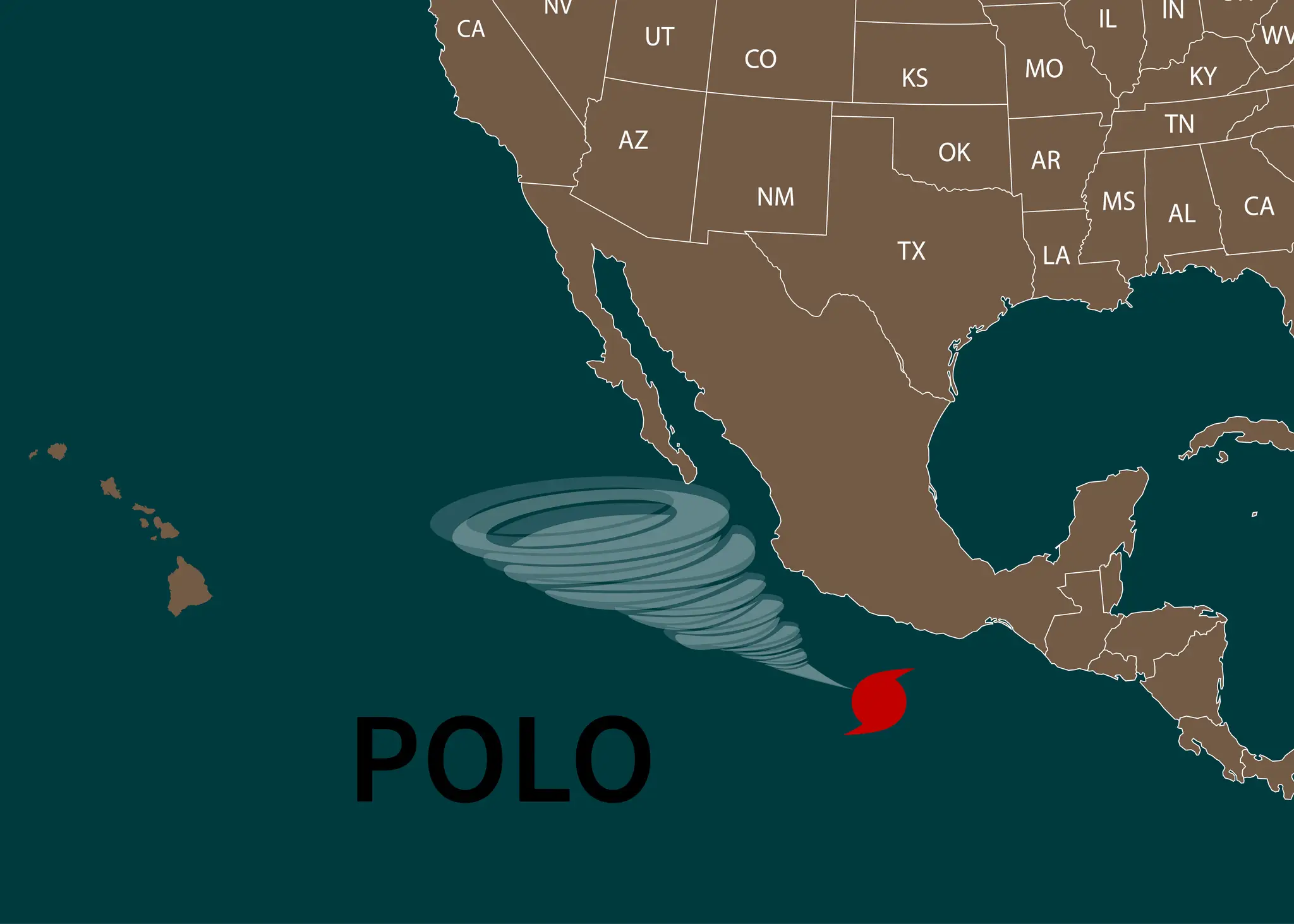
In mid-September 2026, Hurricane Polo began as a tropical disturbance off the Pacific coast of Mexico.
Then by 20 September it was organised enough to qualify as a tropical depression, and by the next day it was a tropical storm.
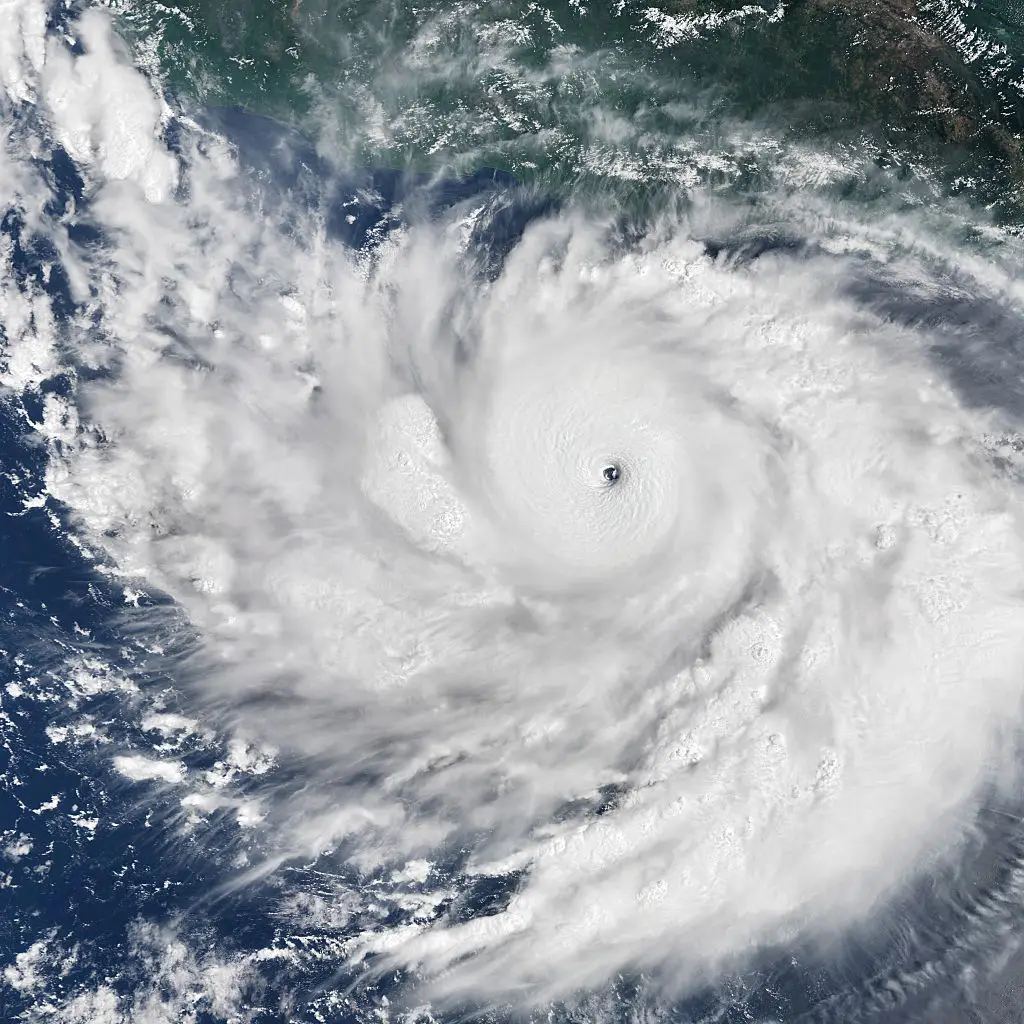
From there, Polo launched into a period of 'rapid intensification' NASA said, describing the storm's rate of intensification and strength as 'jaw-dropping'.
The deadly storm exploded into one of the most intense hurricanes ever measured in the eastern Pacific. At its peak, Polo was a Category 5 hurricane with maximum sustained winds of 180 mph.
"Polo went through a period of what can only be described as explosively rapid intensification," said Gary Partyka, an atmospheric scientist with the Global Modeling and Assimilation Office (GMAO). "This was rapid, rapid intensification."
Researchers estimated winds of nearly 180 miles per hour, making Polo the third-strongest storm on record in the eastern Pacific by maximum sustained winds, and the fastest on record to go from a tropical depression to a category 5 storm.
Travel warning issued
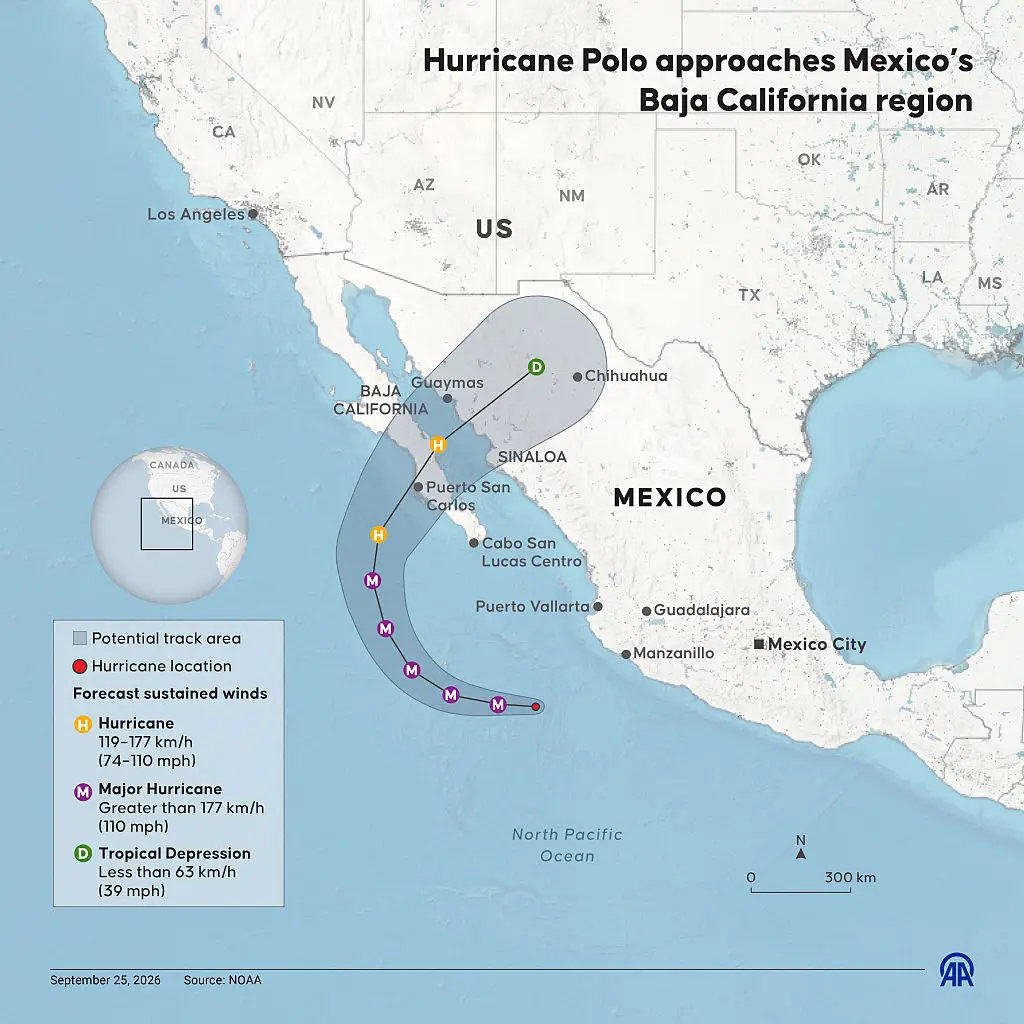
The hurricane is now barreling towards the Baja California region of Mexico. It is expected to turn towards the west-north-west, before taking a more north-westerly trajectory on Saturday (26 September).
It has since been downgraded to a category 4 hurricane but remains 'very powerful' according to the US National Hurricane Center.
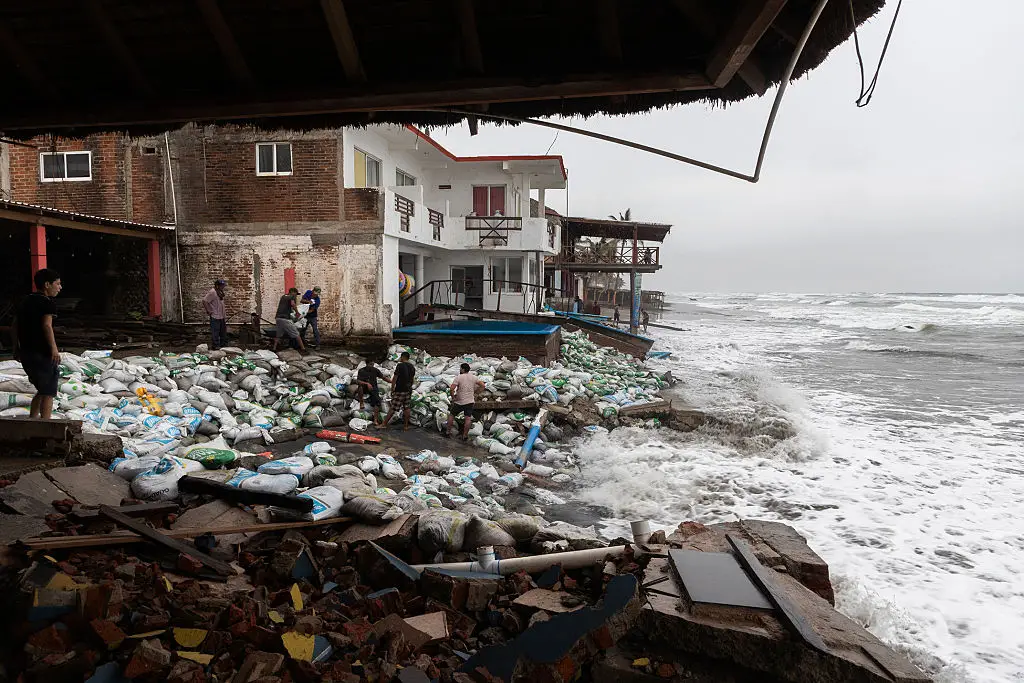
The storm has stayed just off the southwestern coast of Mexico and has not broken land, but brought heavy rainfall of up to 6 to 8 inches to states like Guerrero, Michoacan, and Colima.
An urgent warning was earlier this week issued to UK travellers by the Government, warning about the potentially 'life-threatening' conditions in the North American country.
Now this has been updated warning of 'emergency preparedness' and the possible need to use emergency shelters.
"Hurricane Polo is affecting Mexico’s southwestern coast. Heavy rain is expected to continue during the week of 21 September and may cause life-threatening flooding and landslides. A tropical cyclone warning is in place," a warning read.
"Monitor local and international weather updates, including US National Hurricane Center and Mexican Meteorological Service. Follow advice from local authorities and your tour operator.
"The hurricane is forecast to move towards Baja California on the weekend of 26 and 27 September. Local authorities have published guidance on emergency preparedness and the locations of emergency shelters if needed."
The Los Cabos tourism board said: "A major natural disaster may temporarily affect roads, electricity, potable water, communications, and other essential services.
"For this reason, residents are encouraged to maintain enough emergency supplies to remain self-sufficient for up to 15 days."
The Emergency Contingency Plan has shared a list of shelters in San José del Cabo, Cabo San Lucas, Miraflores, Santiago, La Ribera, and surrounding communities.
Speaking of El Niño, Professor Adam Scaife, head of long-range prediction at the Met Office, explained: “We have been signalling for months that the developing El Niño will be an unprecedented event.
“The fact that it has already exceeded previous records, with several weeks to go before it peaks later this year, shows the enormity of this El Niño.
“Scientists are still assessing whether the impacts will be in proportion to its magnitude, but we are already seeing expected effects worldwide.”
Topics: Weather, World News, Travel, El Niño
 James Holt