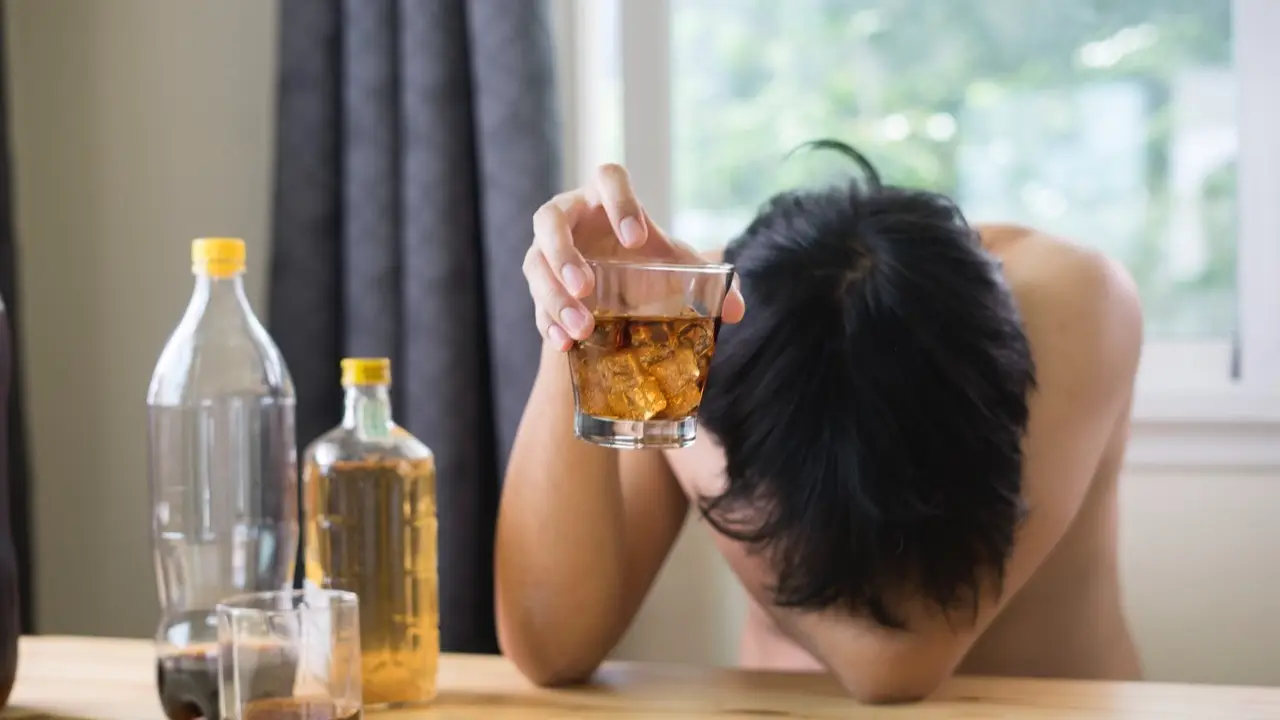
Six signs you're an alcoholic, from a former alcoholic

Warning: This article contains discussion of suicide and alcoholism which some readers may find distressing.
Bryony Gordon had a toxic 20-year relationship with alcohol and drugs.
The British writer and journalist said she hid her drinking habit by convincing herself she wasn't an alcoholic.
Eventually, Bryony was able to get help and stopped drinking in 2017.
Advert
"Almost nine years ago this summer, at the end of a beautifully sunny bank holiday I had once again ruined by getting drunk, I sat on the edge of my bed and realised that if I didn’t stop drinking, I was going to die," the 45-year-old wrote for the Daily Mail.
"Either I was going to die by choosing to kill myself, the terrible lows of my endless hangovers frequently leaving me suicidal.
"I didn’t want to stop drinking, but nor did I want to continue. I knew, somewhere deep down in my well-pickled soul, that
"I had a problem – so in August 2017, just before my then four-year-old daughter started reception, I packed myself off to rehab to get sober."
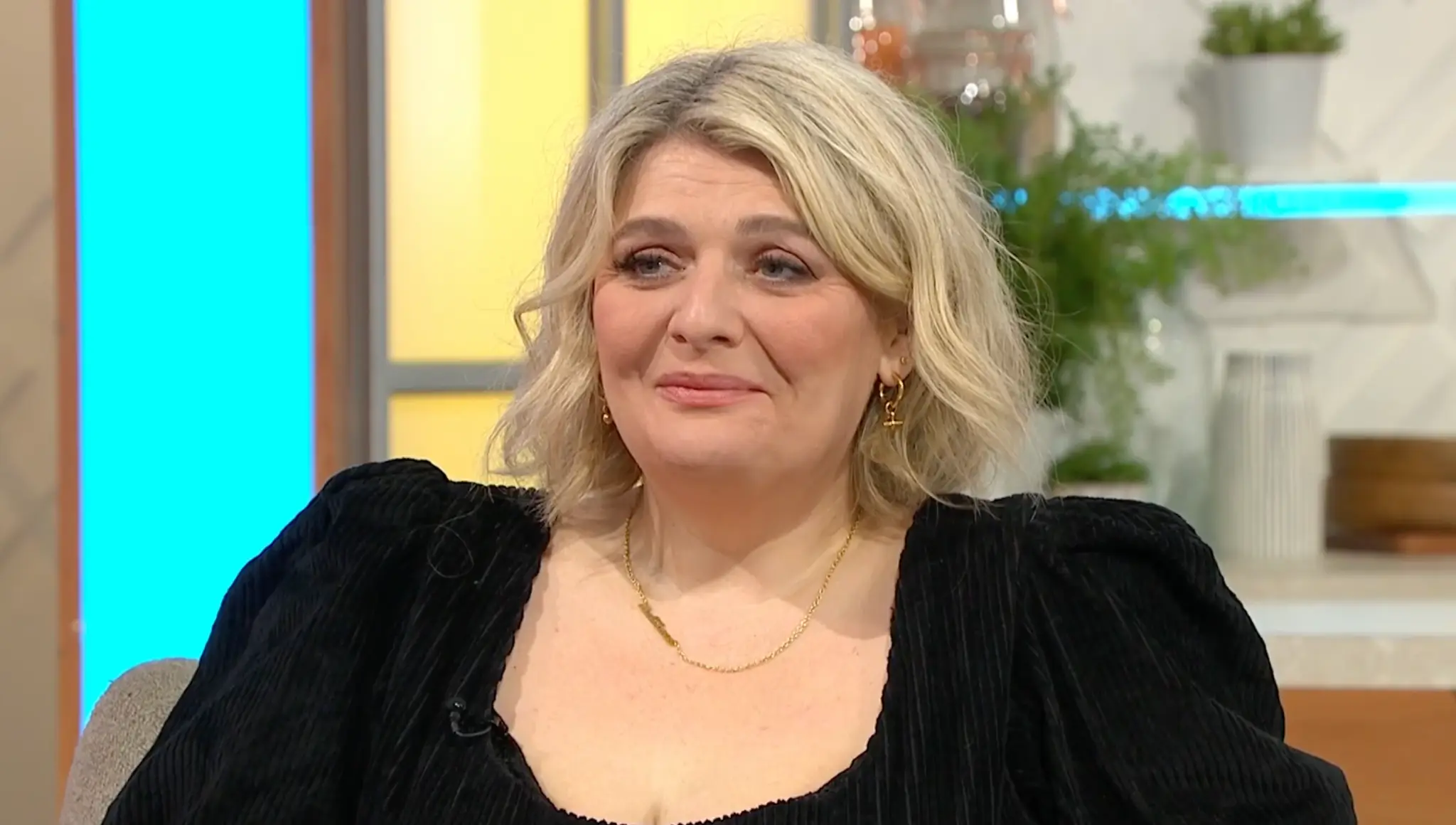
She said 'looking back, these are the signs I wish I’d known about, the things that might have shepherded me to safety and sobriety a little sooner'.
Lots of rules around alcohol
Bryony says that setting rules around drinking can feel like you're in control but, in reality, is a sign of dependence.
"I wouldn’t drink until my daughter was in bed; I wouldn’t drink after 11pm; I wouldn’t drink two nights in a row; I wouldn’t drink spirits; I wouldn’t drink alone (unless everyone I’d been drinking with had gone to bed)," she explained.
"I wouldn’t drink with people who were a bad influence on me, and I wouldn’t drink at work events, because I didn’t want to make a fool of myself in front of my boss.
"I didn’t always stick to these rules. But their existence somehow gave me the illusion that I was OK, and allowed me to pretend to everyone else that this was the case."
Swapping alcohol
The second sign is constantly changing your drink-of-choice in the hope of solving the problem.
Bryony went from vodka and cola to vodka and tonic, then wine, beer and lower-alcohol alternatives.
Eventually, she realised the issue was not a specific drink - but the alcohol itself.
"Does a person with an allergy to shellfish hope that it might go away if they try mussels instead of prawns? No, they do not, and so it," she wrote.
Fill in drinking questionnaires
Bryony recalled completing online quizzes designed to assess drinking habits to reassure herself.
Instead of accepting the truth, she tried to support her belief that she was fine.
"It didn’t matter if I answered ‘yes’ to 19 out of the 20 questions – I would focus on the one I answered ‘no’ to as proof that I couldn’t possibly have a proper issue," she wrote.
"I would pour myself a glass of wine, put on my matching rose-tinted glasses, and focus on the wonder of that first sip."
Plan your life around drinking
Another warning sign is organising daily life around opportunities to drink.
Bryony explains that although she never drank during the day, she thought constantly about when she could drink next.
“My whole life and work schedule was arranged around when I could have an ice-cold glass of rosé,” she penned.
'One glass always leads to oblivion'
"I could often go weeks without having a drink. But the moment I decided to have ‘just one’ glass of wine, I would end up drinking to oblivion," Bryony revealed.
"However hard I tried, I could not moderate. It is genuinely easier for me to have no drinks whatsoever than one or two."
Getting 'existential crises, not hangovers'
The final sign is the 'shame the day after a night out with friends'.
"My husband can go for a nice night out, drink four pints of beer, and while the next day he has a headache and feels rough, he doesn’t feel consumed by paranoia. He simply has a fry-up, drinks lots of water, and laughs at some of the stories his friends told the night before," she wrote.
"But I could not accept how I felt the next day. It was horrific."
Please drink responsibly. If you want to discuss any issues relating to alcohol in confidence, contact Drinkline on 0300 123 1110, 9am–8pm weekdays and 11am–4pm weekends for advice and support.
If you’ve been affected by any of these issues and want to speak to someone in confidence, please don’t suffer alone. Call Samaritans for free on their anonymous 24-hour phone line on 116 123 or contact Harmless by visiting their website https://harmless.org.uk.
Topics: Alcohol, Mental Health, Lifestyle
 Anish Vij