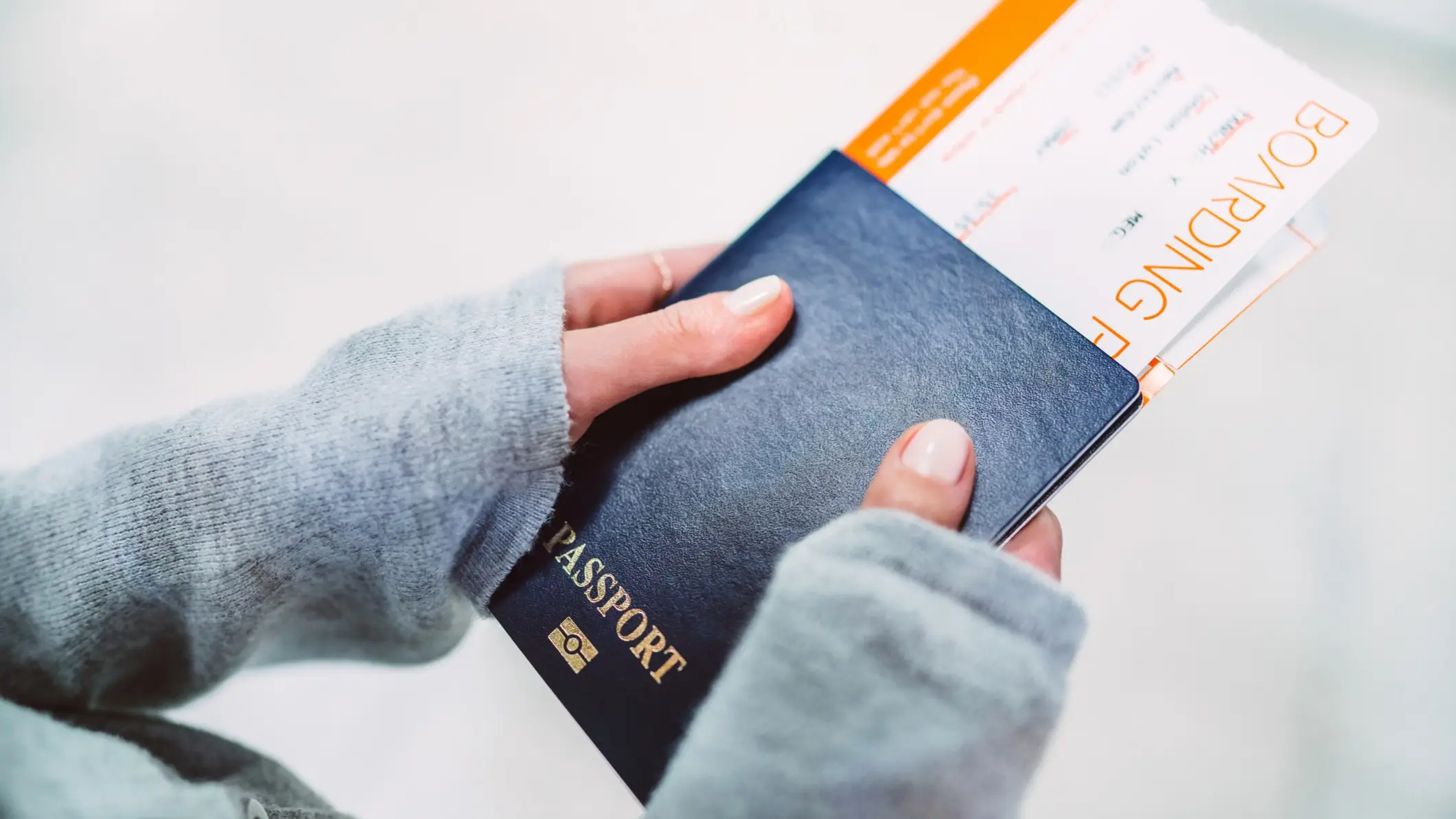
Millions of Brits face four-hour waits as new airport rules go live

Travelling Brits could be in for a rude awakening when they swing by the airport any time soon.
First rolled out on 12 October last year and fully operational across 29 European countries as of today (10 April), the Entry/Exit System (EES) is reportedly causing absolute carnage.
The EES supersedes passport stamps, automatically checking when a person enters and departs a European territory.
However, the British are no longer EU nationals, so they're required to register their personal details on their first visit to a Schengen Area.
Advert
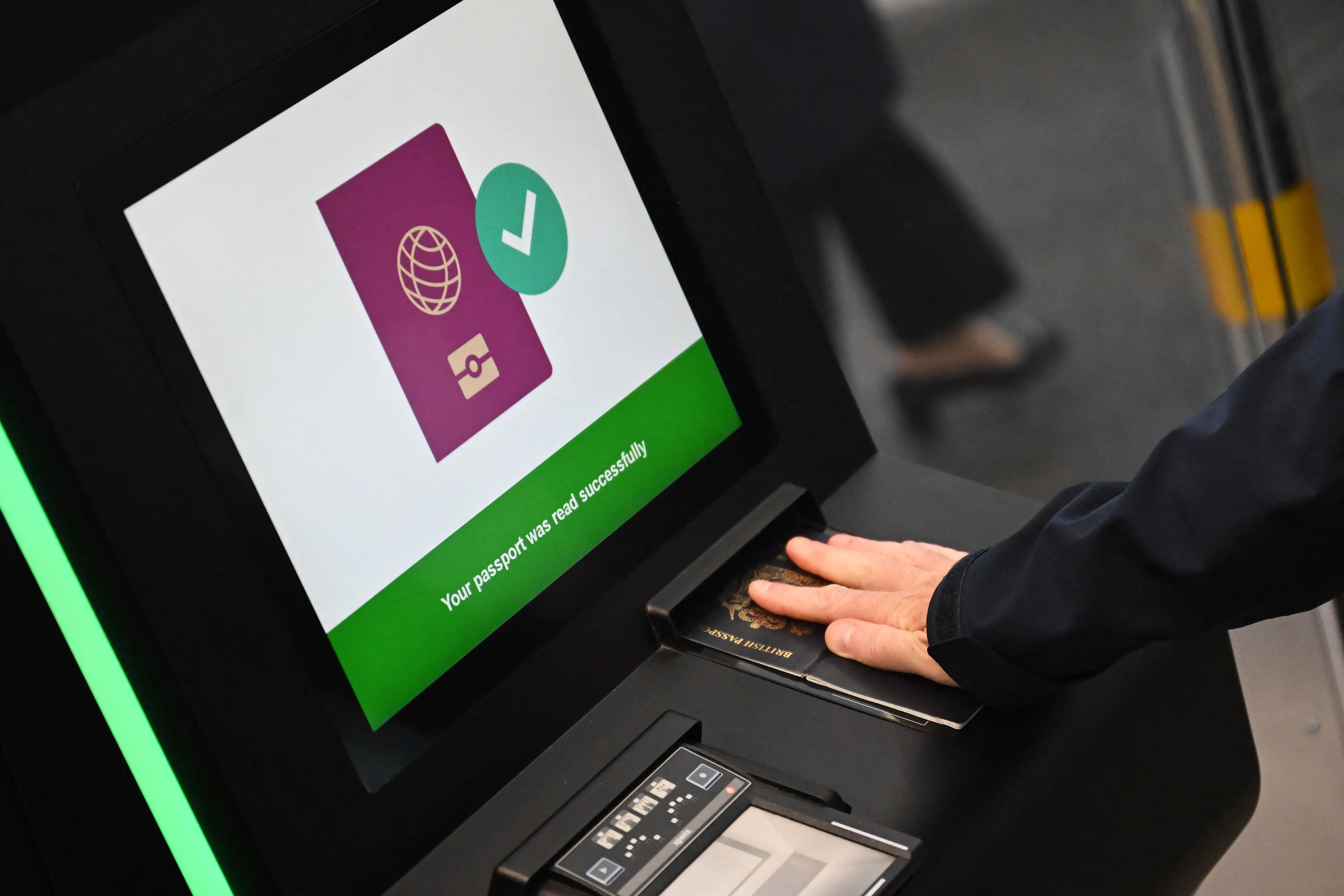
This is achieved through using EES machines at airport terminals, as well as ferries and the Eurostar, logging fingerprints and facial scans.
While its aim is to make border checks a lot quicker, over six months on from the soft launch, it seems the new process has had some teething issues.
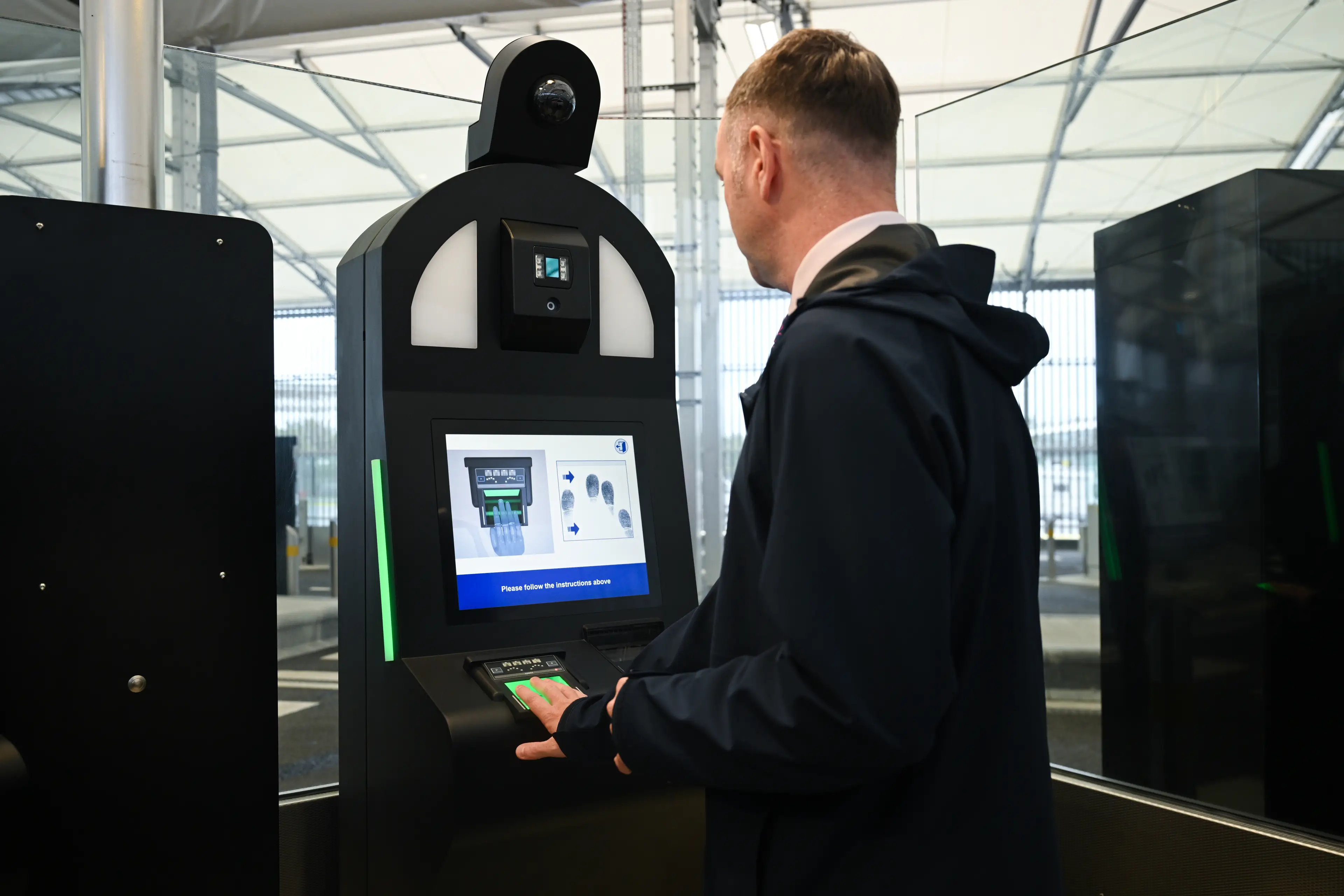
Advantage Travel Partnership chief executive Julia Lo Bue-Said told Travel Weekly there are still 'significant issues' with the EES.
She explained: "While we understand the importance of modernising border processes, a smooth rollout must be prioritised in order to avoid major travel chaos at peak periods.
"With very high demand for travel over the upcoming summer holiday period, we are deeply concerned about the impact delays could have at a time when it is vital we maintain high consumer confidence within a travel sector facing global uncertainty and rising costs."
Per The Sun, one individual claims to have experienced a 'three-hour delay' in getting through the arrivals hall of Lanzarote Airport last month.
Holidaymakers in Brussels, Lisbon, and Prague have also apparently suffered the same frustrating fate, leading Ryanair boss Michael O'Leary to declare EES 'a shambles' before calling for a five-month delay to eradicate this added congestion.
"It would make much more sense to do this in October, coming into the winter schedule," he told The Times.
How to prepare for travel
The Travel Partnership chief exec urged Brits to hit their desired airports 'four hours' before their scheduled departure time.
"For major airports in southern Europe, we recommend that travellers now allocate four hours for navigating the new system in these initial stages," she said.
This is echoed by Rory Boland, editor of consumer magazine Which? Travel, who said: "Longer waits are expected at border control on arrival so you should allow more time when you land by booking later transfers or other onward travel."
Meanwhile, the Home Office states that the extra checks 'should only take one to two minutes' to complete but warned they may lead to 'longer waits at busy times'.
So it's worth giving yourself more time, checking your passport is in date before you set off, and keeping key travel documents at hand for a smooth journey.
Which countries are using the Entry/Exit System?
The following 25 EU countries in the Schengen Area, and four other nations not part of the EU, will use the EES:
• Austria
• Belgium
• Bulgaria
• Croatia
• Czech Republic
• Denmark
• Estonia
• Finland
• France
• Germany
• Greece
• Hungary
• Iceland
• Italy
• Latvia
• Liechtenstein
• Lithuania
• Luxembourg
• Malta
• Netherlands
• Norway
• Poland
• Portugal
• Romania
• Slovakia
• Slovenia
• Spain
• Sweden
• Switzerland
Ireland and Cyprus will continue to use manual passport stamping.
Topics: Travel, UK News, Holiday, Technology
 Dan Seddon