NASA 'anxious' as Artemis crew approach fireball return reaching 23,839 mph speeds

We're just hours away from the crew of NASA's Artemis II splashing down into the Pacific Ocean, just off the coast of San Diego – here's why the space agency is nervous.
After successfully completing a lunar flyby mission, the four astronauts on board the Orion spacecraft will make their return to Earth later today (10 April), just after 8pm EDT (1am BST, 11 April).
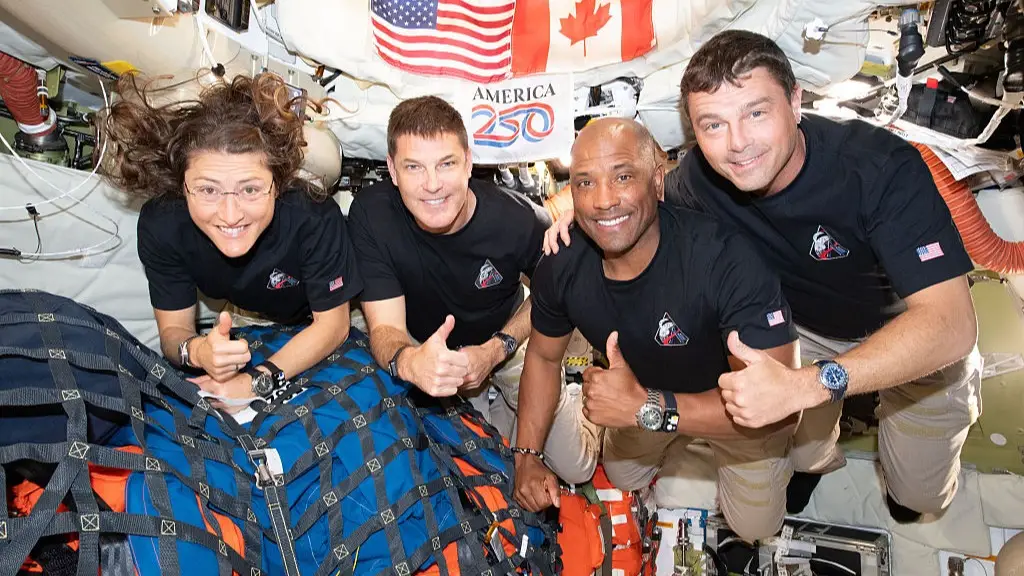
Despite being close to the finish line, crew members NASA’s Reid Wiseman, Victor Glover, and Christina Koch and Canadian astronaut Jeremy Hansen face the 'most dangerous' part of the mission, re-entering the Earth's atmosphere.
Why is re-entering the Earth's atmosphere so dangerous?
In order to get home, Artemis II has to pass through the thin layer of mixed gases, which is held in place by gravity and acts as a protective shield to our planet from the rest of space.
Advert
While crucial for allowing life to exist, crossing back over the Kármán line and re-entering the Earth's atmosphere is extremely difficult.
To safely pass through the atmosphere, the Orion spacecraft will be travelling at 23,839mph and reaching temperatures as high as 1,600°C, which, for context, is nearly half the temperature of the sun's surface.
This is where the spacecraft's heat shield will become critical for mission success, as the capsule is battered by the friction of breaking through the atmospheric barrier.
The crew will also experience an eight-minute communications blackout around this time, which NASA explains is due to 'plasma form[ing] around the capsule during peak heating'.
Should anything go wrong during this phase of the mission and the spacecraft could break apart of disintergrate.
This is what happened to Space Shuttle Columbia in 2003, with damage caused to the spacecraft's thermal protection tank during launch, leading to the capsule disintegrating upon re-entry and killing all seven astronauts on board.

Artemis II's re-entry will still be a nerve-wracking one for the crew and those watching on the ground, with NASA associate administrator Amit Kshatriya telling Sky News: "There's no question that I'll be anxious."
The Artemis programme had previously run into issues, with the heat shield sustaining more damage than NASA anticipated during its unmanned 2022 expedition.
It was later revealed that this occurred due to certain gases not being able to 'vent and dissipate as expected'.
"There's no plan B there. That is the thermal protection system. The heat shield has to work," NASA Administrator Jared Isaacman said at a press conference held on 7 March.
Despite the understandable concerns, Kshatriya added that he had 'full confidence' in the last part of the mission going to plan.
"It's impossible to say you don't have irrational fears left. But I would tell you I don't have any rational fears about what's going to happen," he added.
What happens next after splashdown?
Getting the astronauts out of the Orion
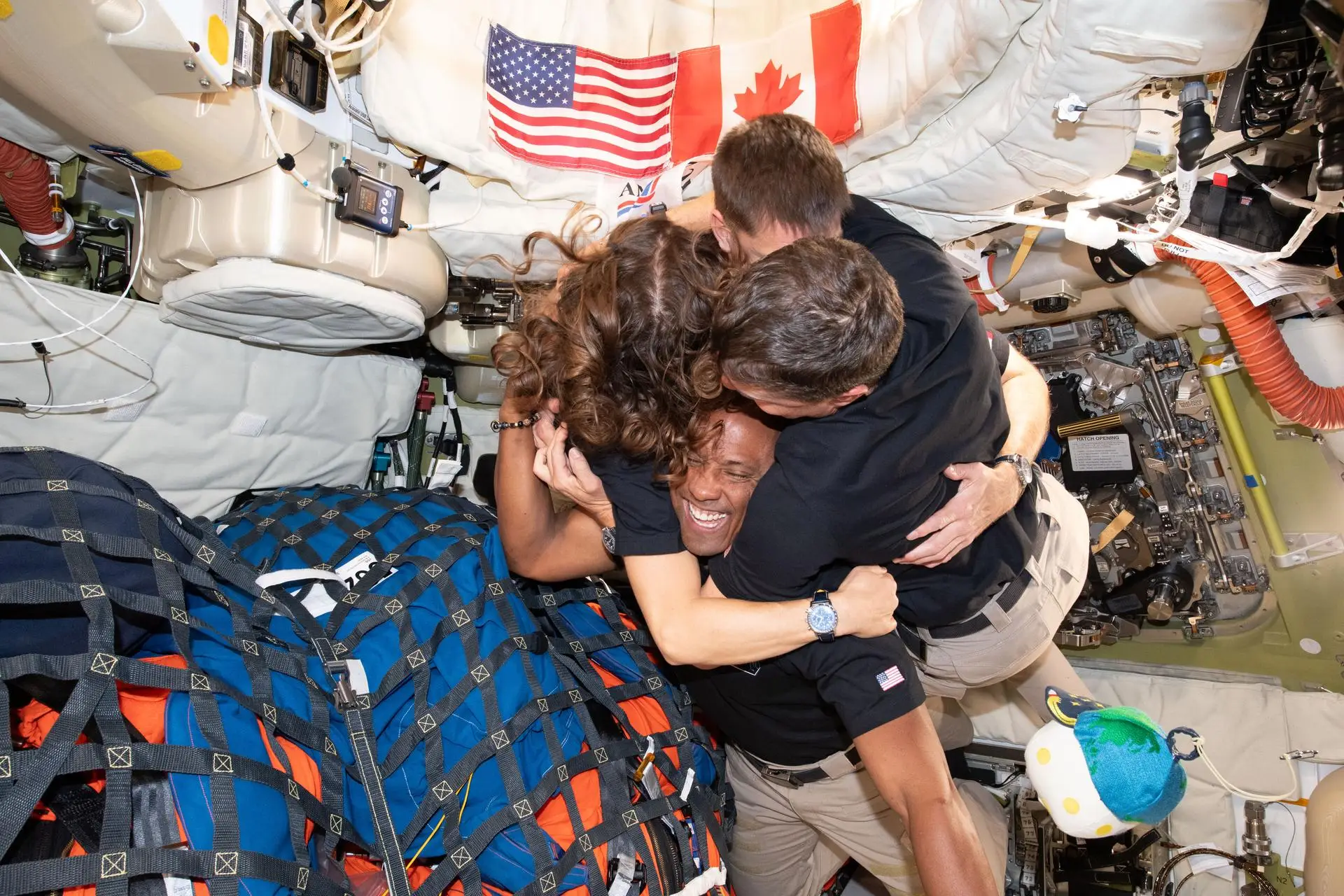
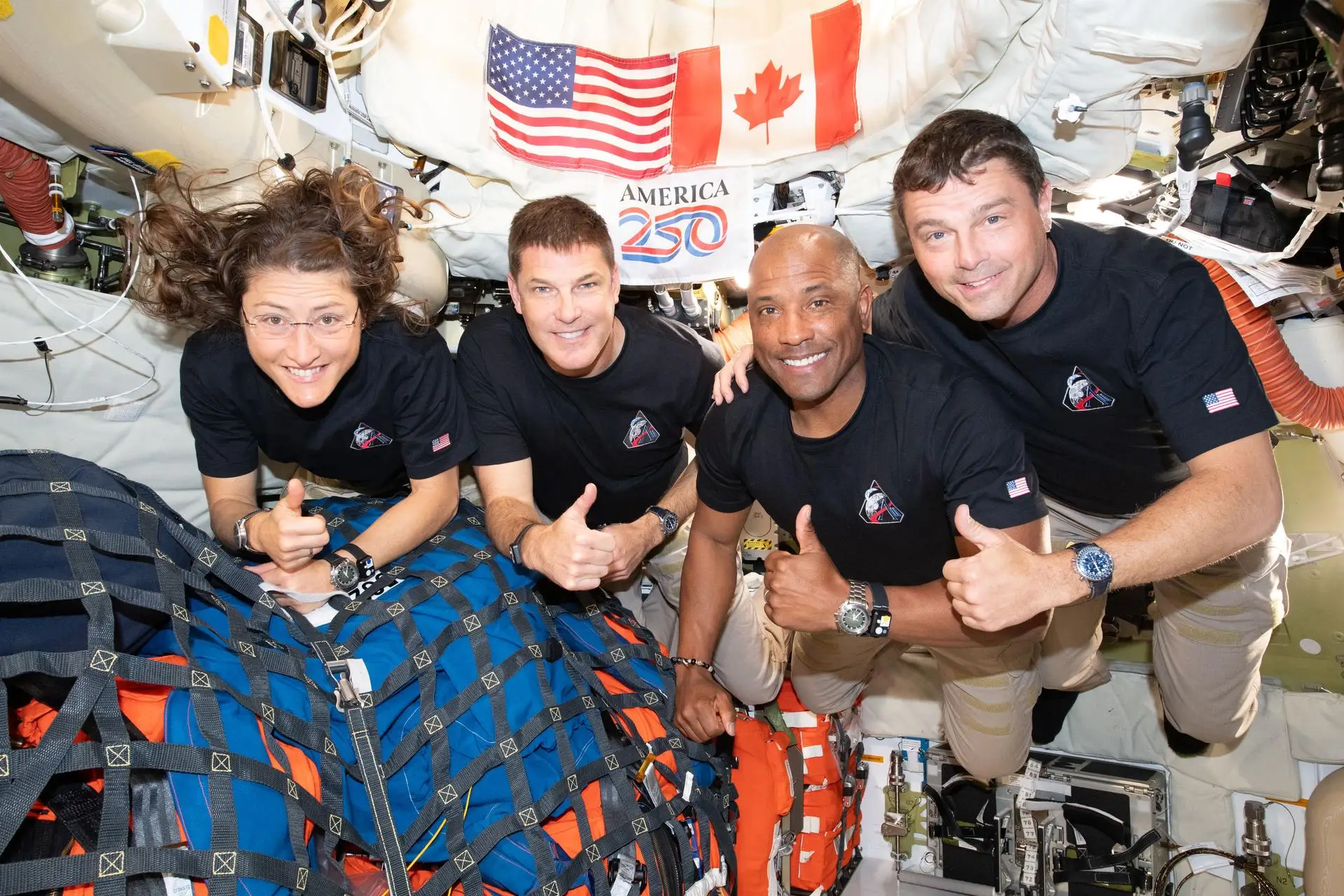
Helping Reid Wiseman, Victor Glover, Christina Koch and Jeremy Hansen safely out of the Orion spacecraft falls to NASA and the Department of War.
Once they land back on Earth, a team of four helicopters will circle the spacecraft - two for rescue, the other two for pictures, according to Florida Today.
One of them will lower a stabilising collar, which will keep the Orion floating the right way up.
Then, once they’re ready, a basket will be sent down to lift the first astronaut up.
They’ll all be taken to a nearby naval vessel, the USS John P. Murtha, for a medical checkup, and then transported back to Houston.
 Brenna Cooper