What astronauts actually eat in space after historic Artemis II launch

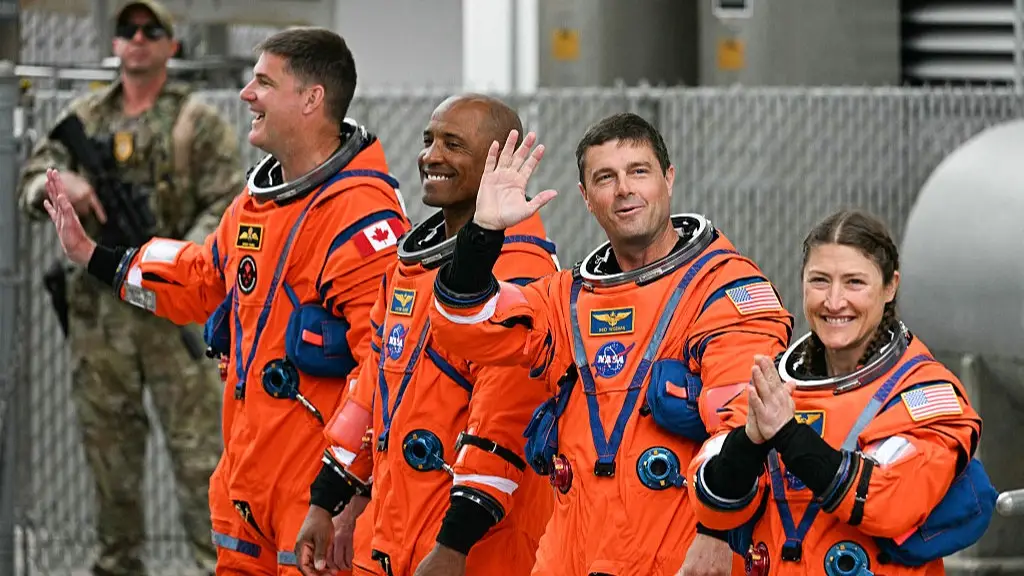
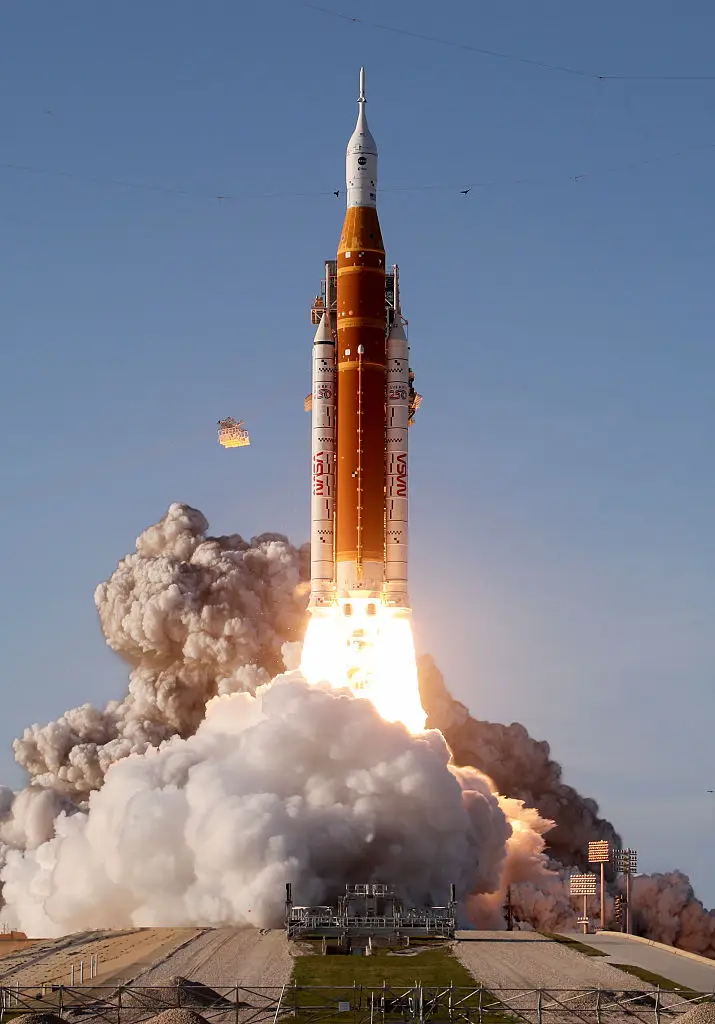
Artemis II launched on Wednesday (1 April) taking four Canadian Space Agency astronauts further into space than ever before.
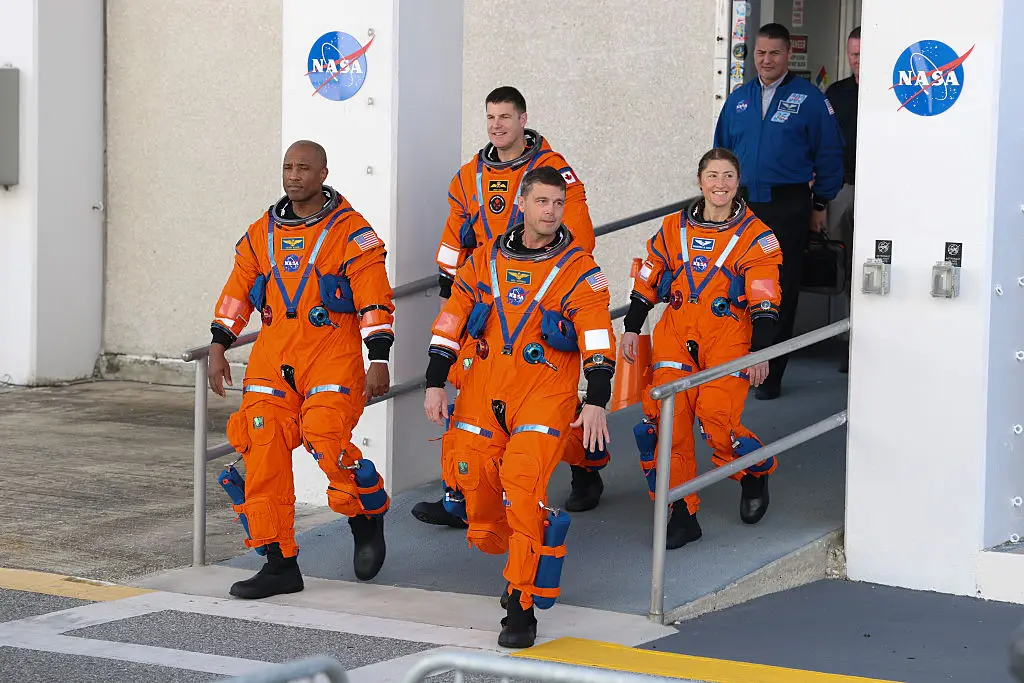
The Artemis team - made up of Reid Wiseman, Victor Glover, Christina Koch and Jeremy Hansenare - are on a 10-day mission around the Moon, with the aim of securing the best view of the moon's dark side that's ever been recorded.
With the team up in space for over a week, many people have been wondering what the astronauts will be eating on a day-to-day basis and how the food is prepared onboard.
What do astronauts eat in space?
Foods in space are usually stored in long-life packaging such as pouches, zip bags and cans to avoid spoilage and are often prepared using microwaves and specialist ovens.
Advert
Royal Museums Greenwich explain that a water gun usually reconstitutes any dehydrated meals, with astronauts usually scanning each package to keep track of what they've eaten while up in space.
While space food traditionally used to be limited to pastes and dehydrated pouches, technological advances now allows astronauts to eat a wider range of food, including fresh options.
RMG explain: "When planning which foods to send into space, they are divided into the following groups: Fresh foods - produce with a two-day shelf life such as fruit and vegetables are refrigerated onboard the spacecraft and consumed quickly to avoid spoilage. As vitamins and nutrients can generally be satisfied by other means, this produce is sent to keep morale high.
"Irradiated foods - meat and dairy produce have ionising radiation applied to them before packaging. This increases the items’ shelf life and reduces the risks associated with microbial contamination.
"Intermediate moisture - these foods contain a small quantity of water (low enough to limit microbial growth) and are often soft in texture. Processes such as salting or sun-drying are used in the creation of these items and require no further preparation."
Nuts, biscuits and chocolate bars are also packaged for the mission, as well as rehydratable options.
Meanwhile, 'ready meal' type foods are heat treated to kill off bacteria to ensure the team remain safe and healthy.
Dr Sonja Brungs, a crew support engineer for the European Space Agency (ESA), told BBC: “Thermostabilized food you can just heat up in a food warmer, open the pouch and eat it right away. Freeze-dried food needs to be rehydrated, so they just add hot water and let it sit for a couple of minutes and then they can eat it from the pouch, same as soups. Soup would be consumed with a straw because of microgravity which makes consuming liquids difficult.”
The most common food and drink items include:
- Tortillas
- Wheat flat bread
- Granola with blueberries
- Vegetable quiche
- Breakfast sausage
- Couscous with nuts
- Mango salad
- Barbecued beef brisket
- Macaroni & Cheese
- Cauliflower and butternut squash
- Tropical fruit salad
- Cookies
- Chocolate
- Green tea
- Coffee
- Lemonade
- Apple cider
- Mango-peach smoothie
Personal items Artemis II astronauts have brought with them
Commander Reid Wiseman
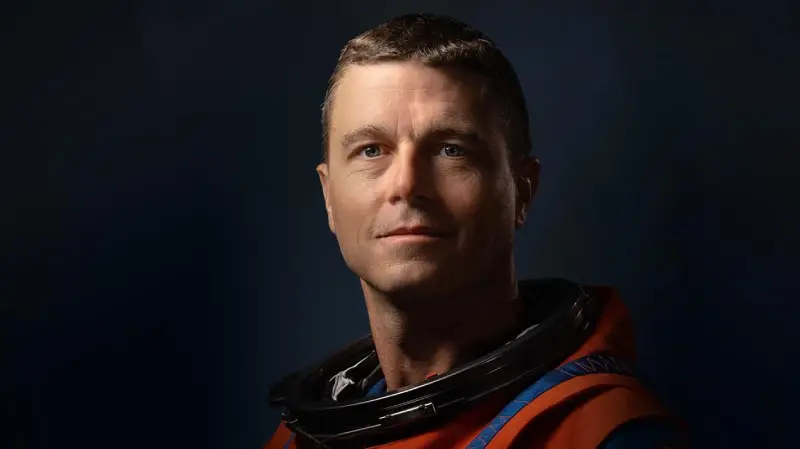
Wiseman, a US Navy test pilot-turned-astronaut, is a single parent who is raising his two teenage daughters alone after he sadly lost his wife to cancer in 2020.
He's spoken to his children about the risks of the mission, with him saying to them while out on a walk: "Here's where the will is, here's where the trust documents are, and if anything happens to me, here's what's going to happen to you… That's part of this life."
Wiseman said he planned on taking a small notepad so that he can jot down his thoughts during the mission.
Mission specialist Christina Koch
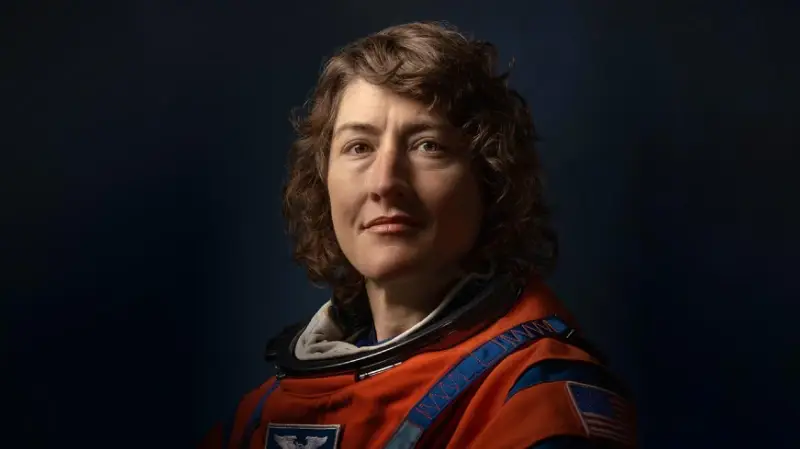
Koch, an engineer and physicist, is a woman who has made many incredible milestones in her life.
Not only has she set the record for the longest single spaceflight by a woman, spending 328 days aboard the International Space Station in 2019, but she's also taken part in the first-ever all-female spacewalk. And now, she's the first woman to ever travel to the moon and venture into deep space.
Koch is taking handwritten notes from people close to her for her personal item, which she has described as a 'tactile connection' to loved ones back on Earth.
Mission specialist Jeremy Hansen
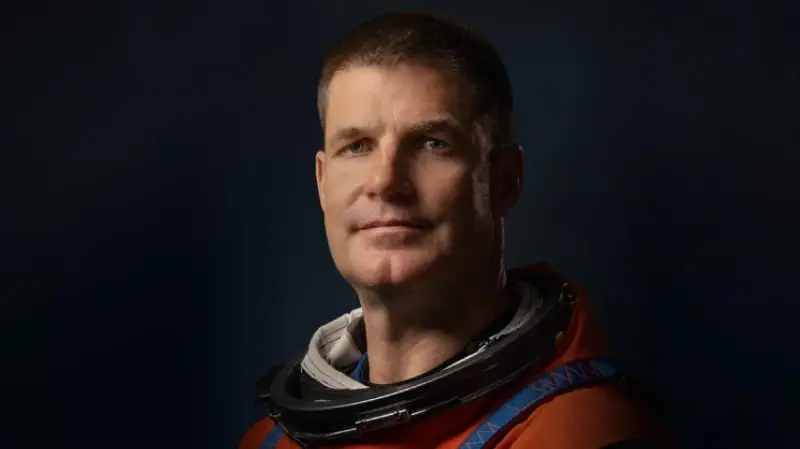
This is the former Royal Canadian Air Force fighter pilot and physicist's first time in space, making him the first Canadian to ever venture into deep space.
Hansen, who is married with three children, will carry four moon-shaped pendants for his wife and children, engraved with the phrase 'Moon and back' and set with their birthstones.
He will also be taking maple syrup and maple cookies on his lunar voyage, in true Canadian style.
Pilot Victor J Glover
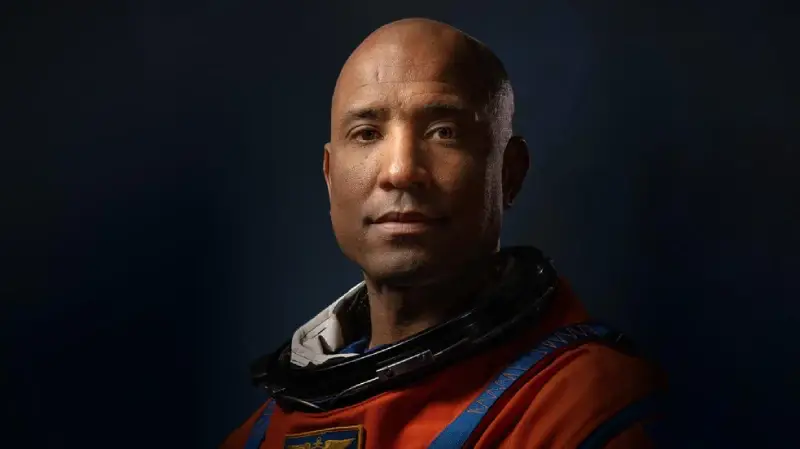
Glover, a former US Navy fighter pilot and test pilot who became a NASA astronaut in 2013, is setting a milestone of his own by being the first ever Black person to travel to the moon.
He is married with four children, and served as pilot of NASA's SpaceX Crew 1 mission, as well as spending nearly six months on the International Space Station as part of Expedition 64.
Already known as the most charismatic and 'sharply dressed' of the Artemis crew, Glover has said he will take on board with him a Bible, his wedding rings and family heirlooms, along with a collection of inspirational quotations compiled by Apollo 9 astronaut Rusty Schweickart.
Topics: Space, Food And Drink, NASA, News, US News
 Lucy Devine